Mangaluru’s first business hotel Moti Mahal to be shut down by end of April
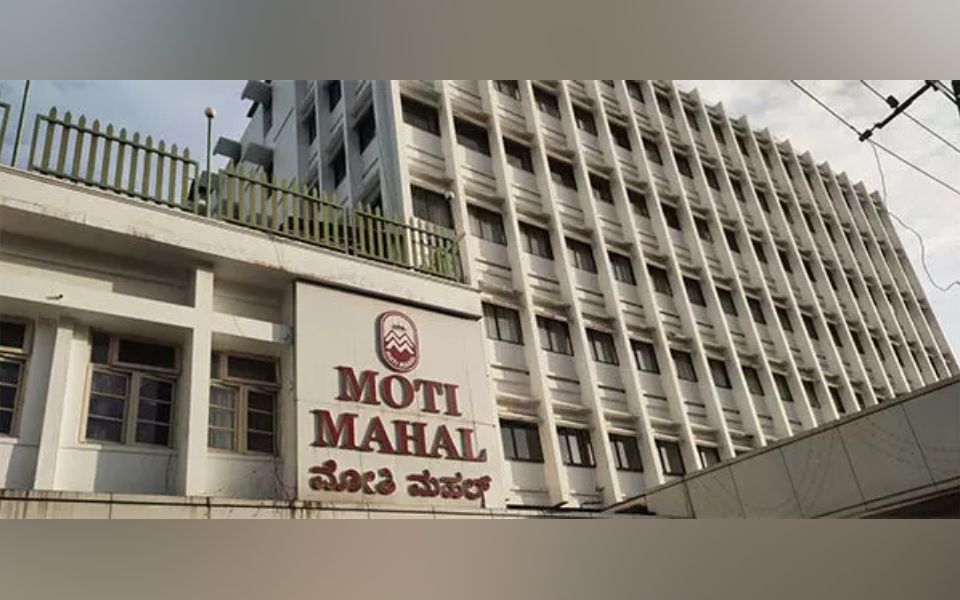
Mangaluru: Amid prolonged land dispute, Mangaluru's first business hotel, Moti Mahal, is now on the verge of closure and must be handed over to its rightful landowners by the end of April.
As per the Supreme Court’s verdict, Hotel Moti Mahal is to be handed over to the landowners in its current state. Additionally, a compensation of Rs. 3 crore is to be paid to them.
The land on which Hotel Moti Mahal stands located next to Milagres Church in Hampankatta is presently owned by St. Anthony’s Old Age Home, situated in Jeppu.
The legal battle, which began years ago between the local church’s administrative committee and the hotel’s proprietors, has finally reached its logical conclusion. The original landowners have emerged victorious in the prolonged legal conflict.
Hotel Moti Mahal was established in 1966 by renowned Mangalorean businessman A.J. Shetty in Hampankatta, the heart of the city.
At the time of its inception, Moti Mahal was the first hotel in Mangaluru to offer luxury amenities such as a gym and a swimming pool. It quickly became a prominent name with its popular Mangala Multi-Cuisine Restaurant, Madhuvan Veg Restaurant, Mehfil Bar, Taichin Chinese Restaurant, Moti Sweets section, and a swimming pool named Sheetal. The hotel earned its reputation as the first true business and luxury hotel in the city.
With 90 rooms and a grand hall accommodating up to 1,000 people, Moti Mahal mirrored the evolving urban lifestyle of Mangaluru. Over the past six decades, it grew beyond a hotel to become a major landmark of the city.
From family gatherings to business meetings, auspicious ceremonies to celebratory parties, Moti Mahal served as the go-to venue for all kinds of events. Its vegetarian restaurant, in particular, has retained its reputation over the years.
Let the Truth be known. If you read VB and like VB, please be a VB Supporter and Help us deliver the Truth to one and all.
Dharwad Corporation zonal offices raided after complaints of corruption in issuing land records
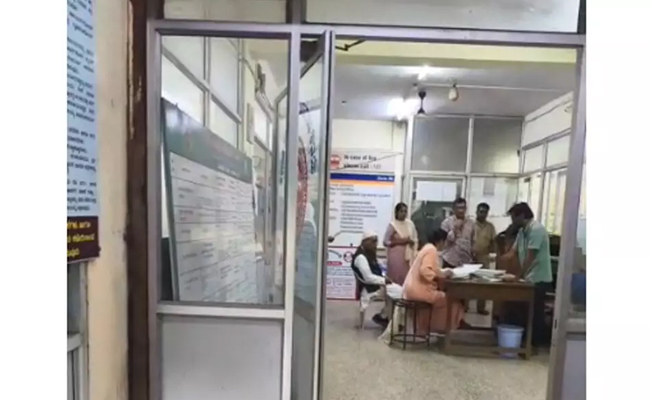
Hubballi: Karnataka Lokayukta officials on Friday conducted raids at multiple zonal offices of the Hubballi-Dharwad City Corporation following complaints alleging bribery and delay in issuing land-related documents, including e-Swathu records.
The raids were carried out in the morning under the leadership of Siddalingappa S.T.. Separate teams inspected 12 zonal offices of the Corporation and examined records linked to land ownership and document processing.
According to sources, the Lokayukta received complaints from members of the public alleging that Corporation officials were demanding bribes for issuing e-Swathu and other land documents.
Residents reportedly alleged that applications were being deliberately delayed if bribes were not paid.
Based on these complaints, officials carried out inspections of files and records connected to land ownership and issuance of documents.
Further investigation is underway.