MEIF launches ‘Mission M Power’ as part of Silver Jubilee celebration
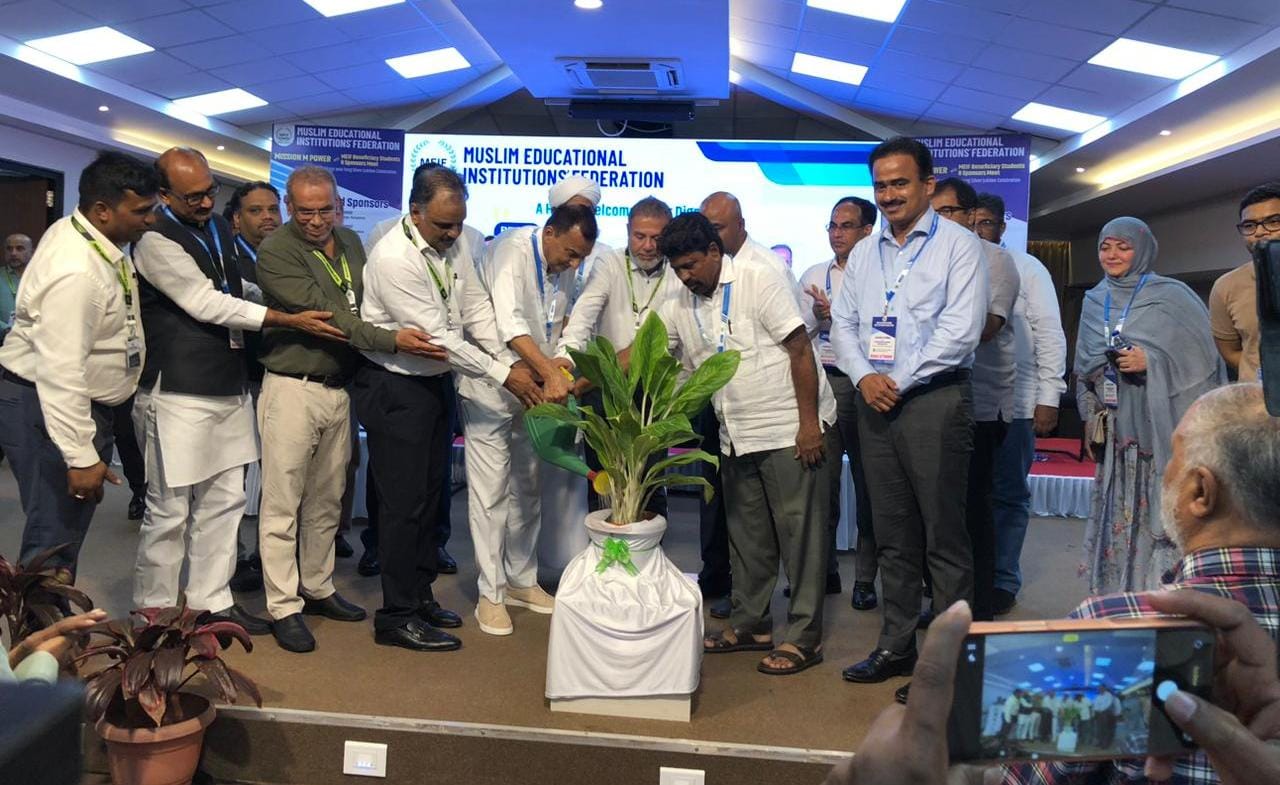
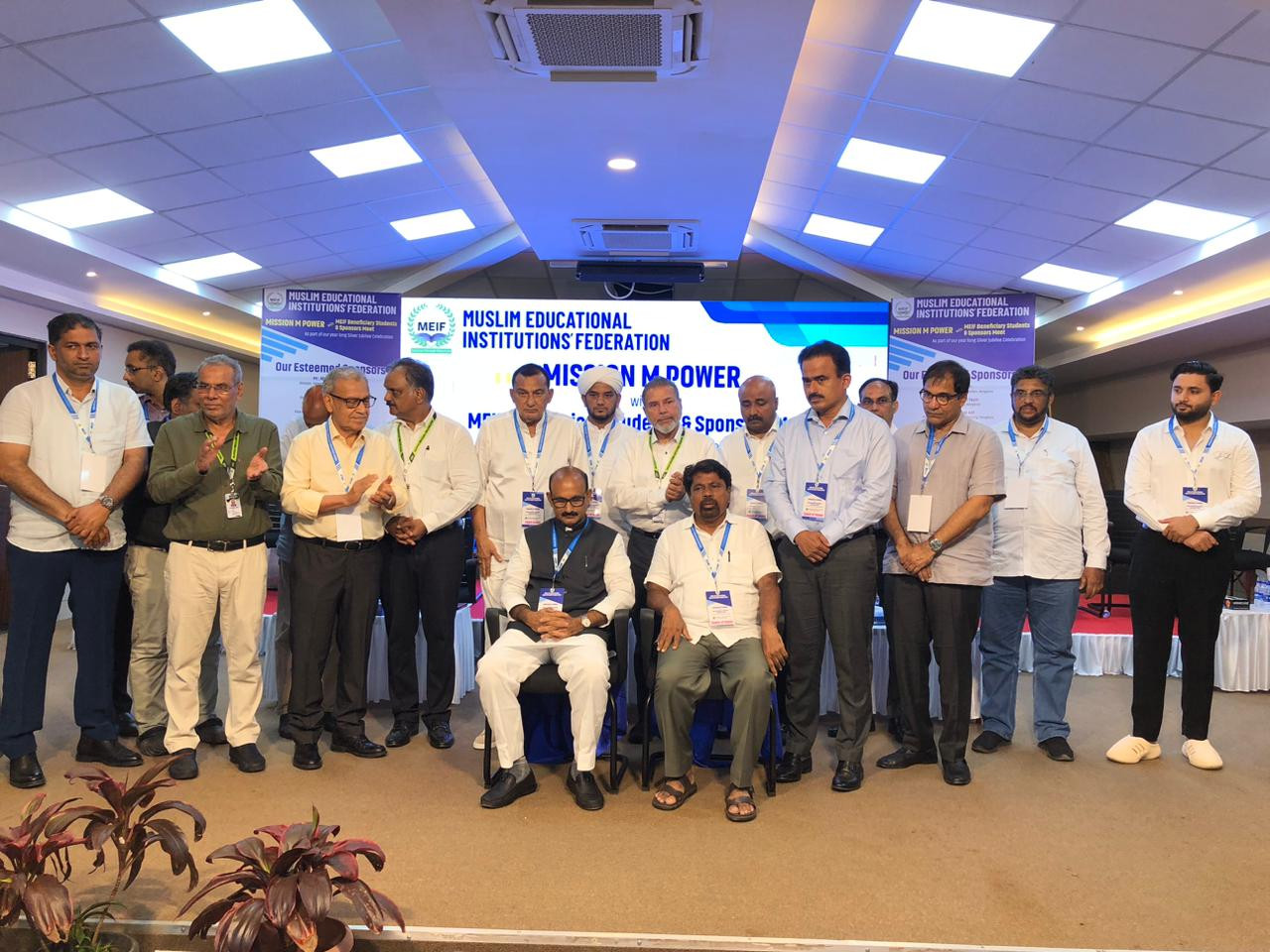
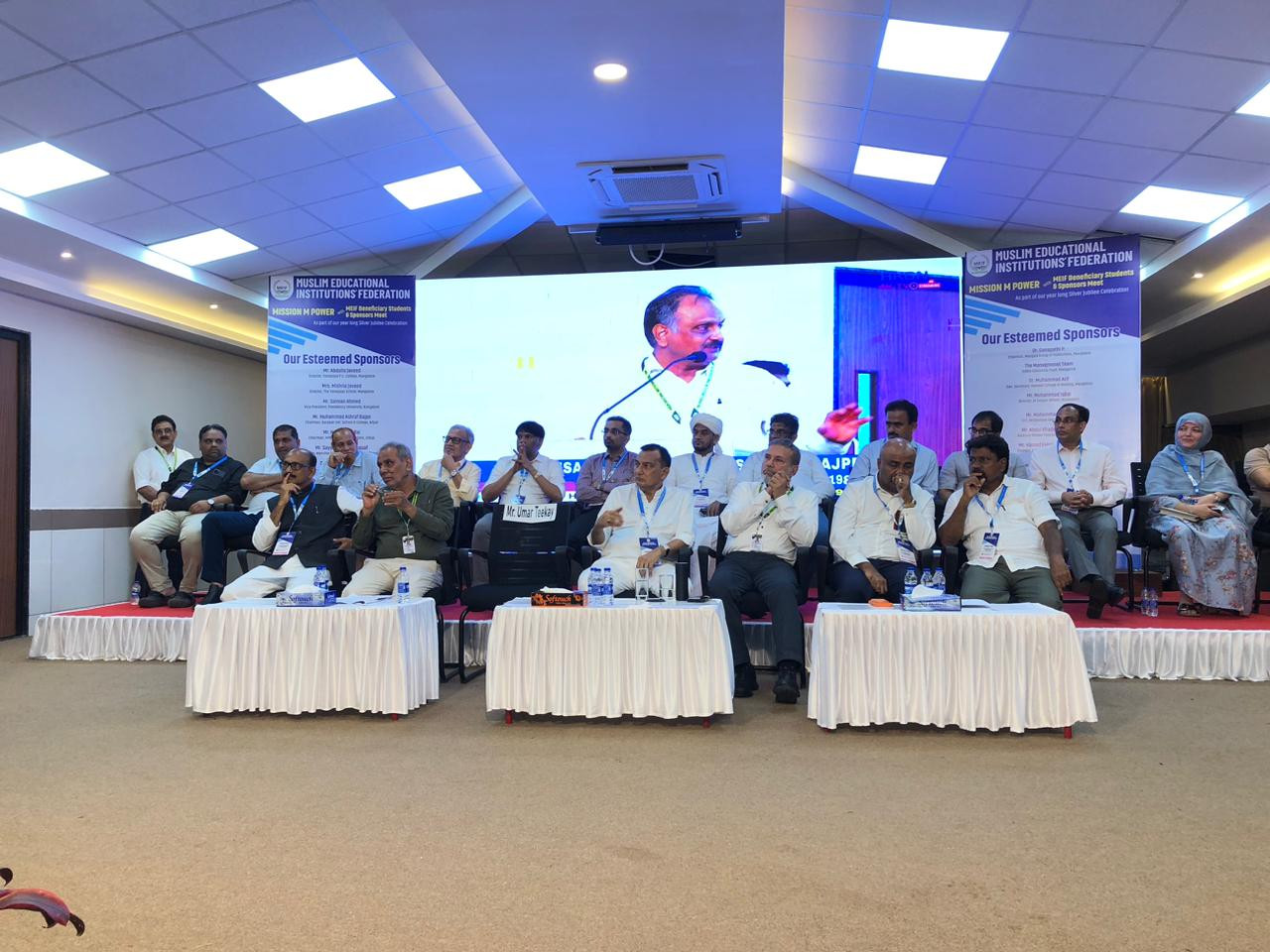
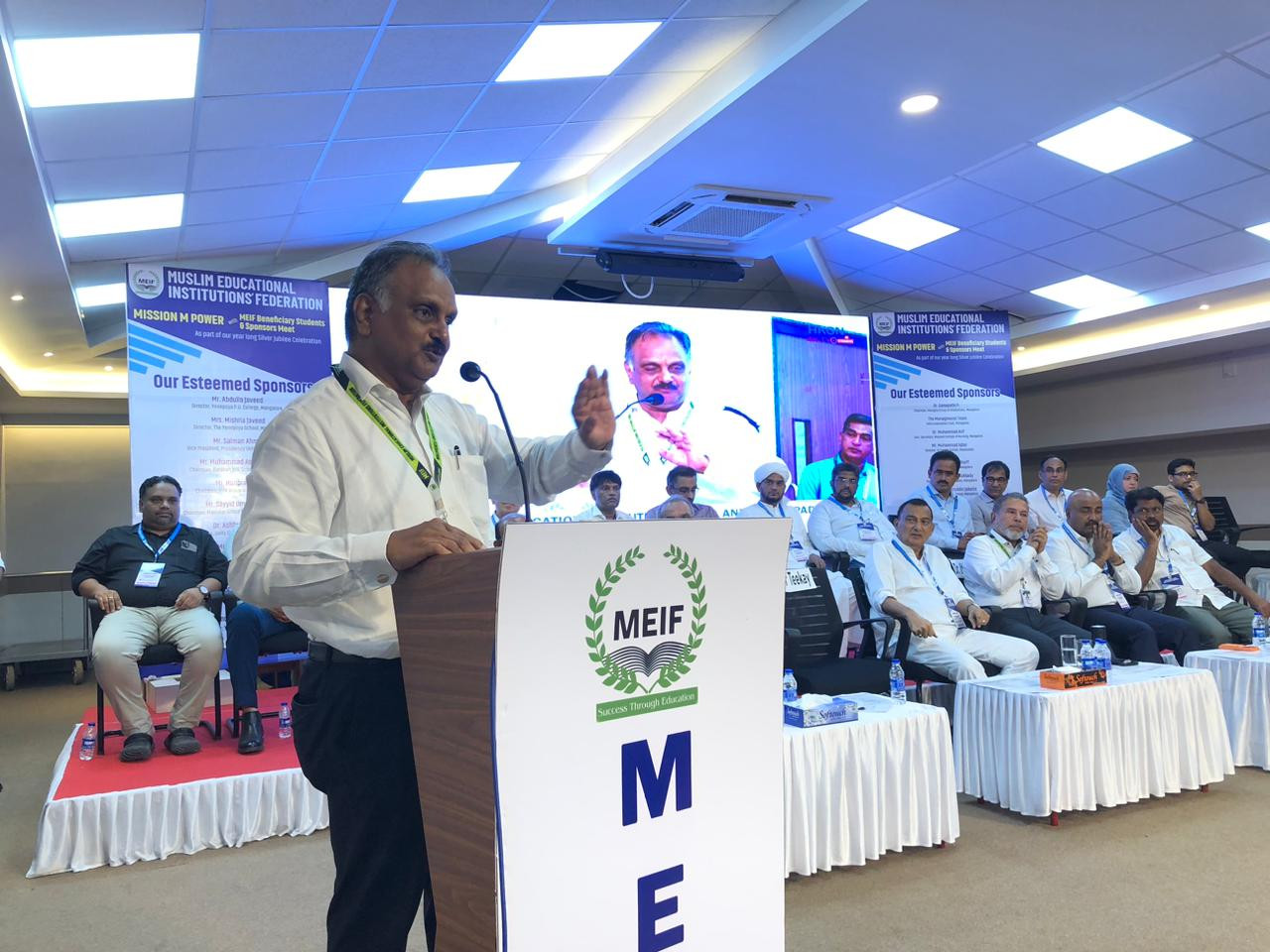
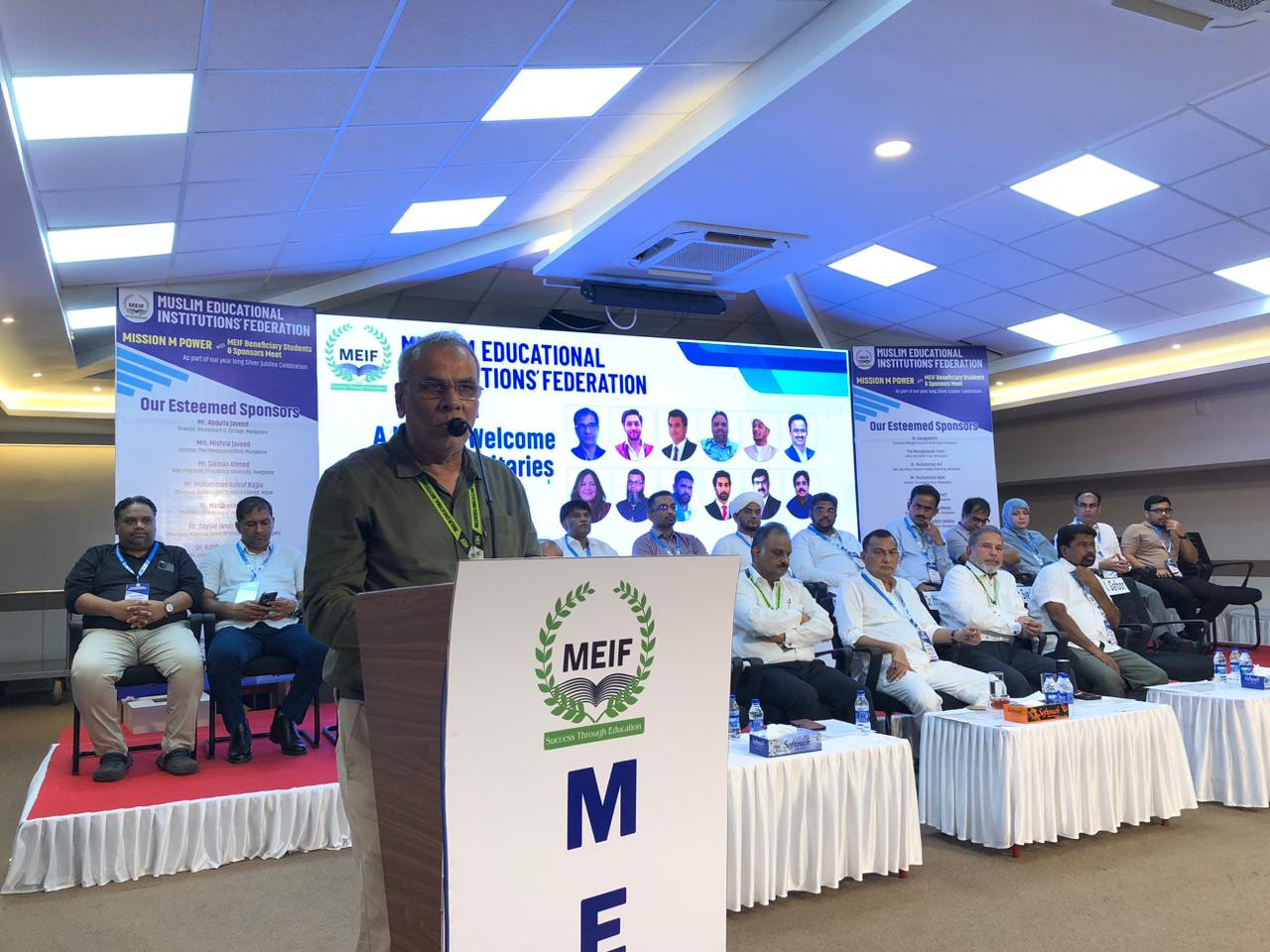
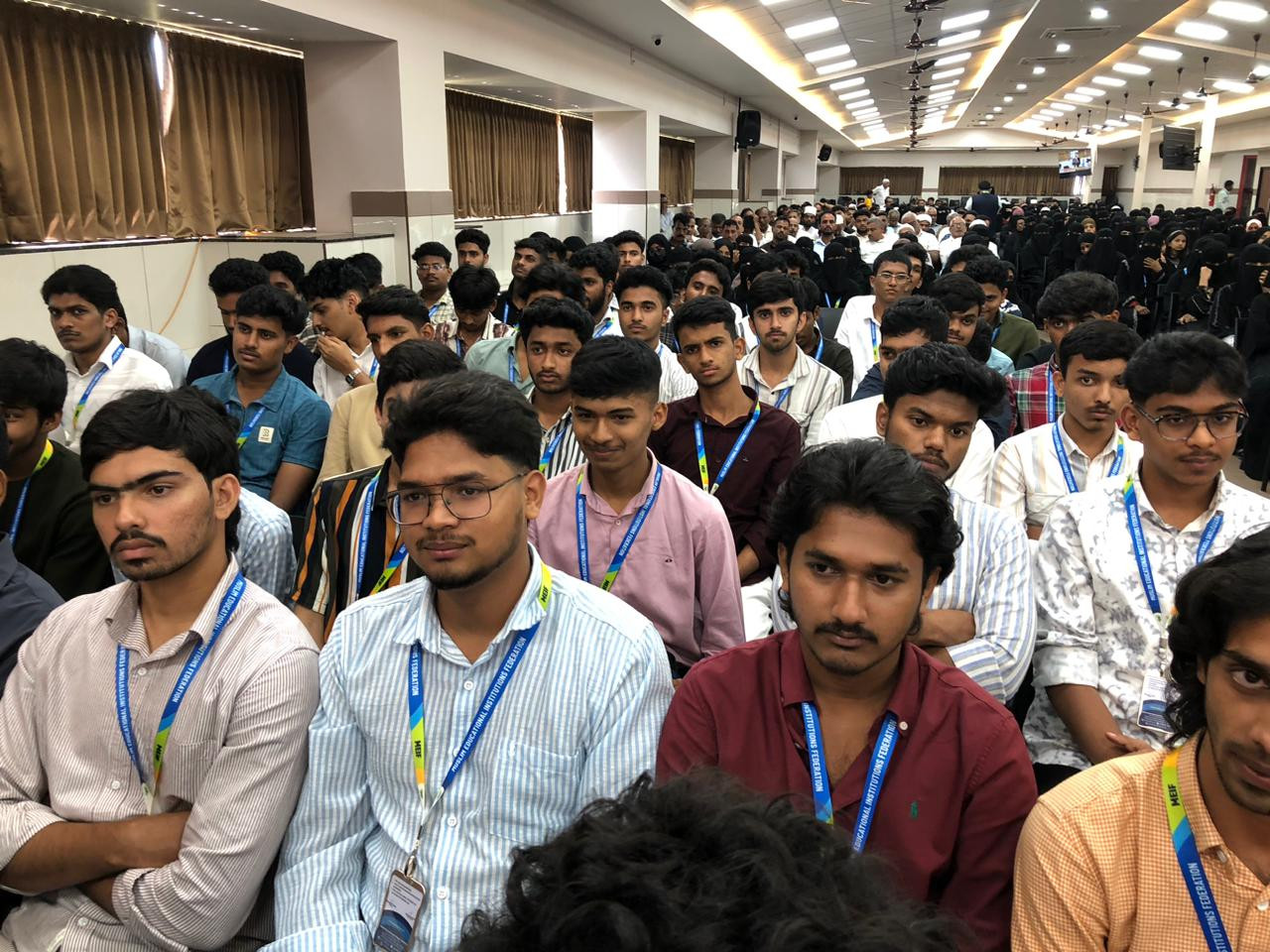
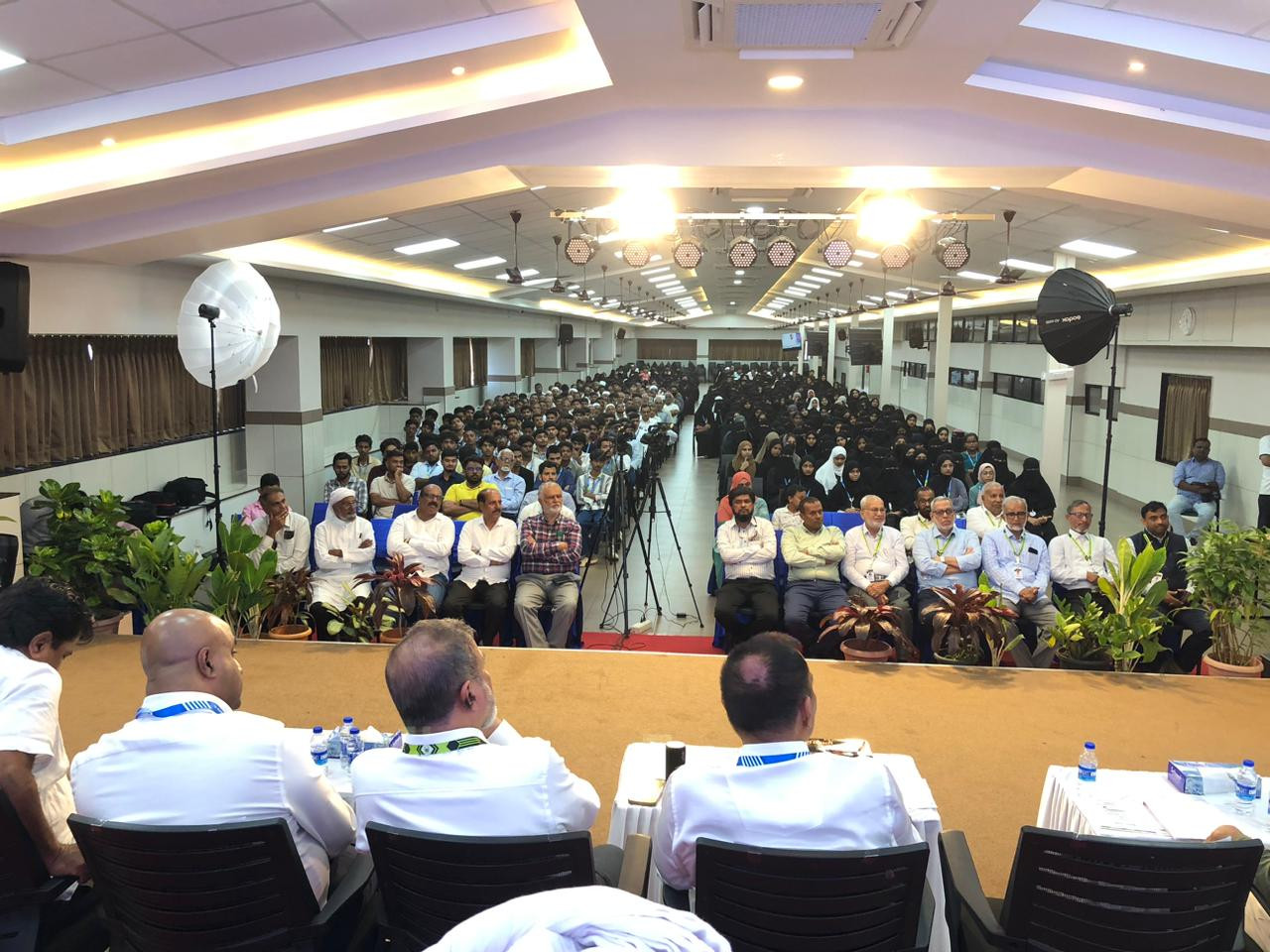
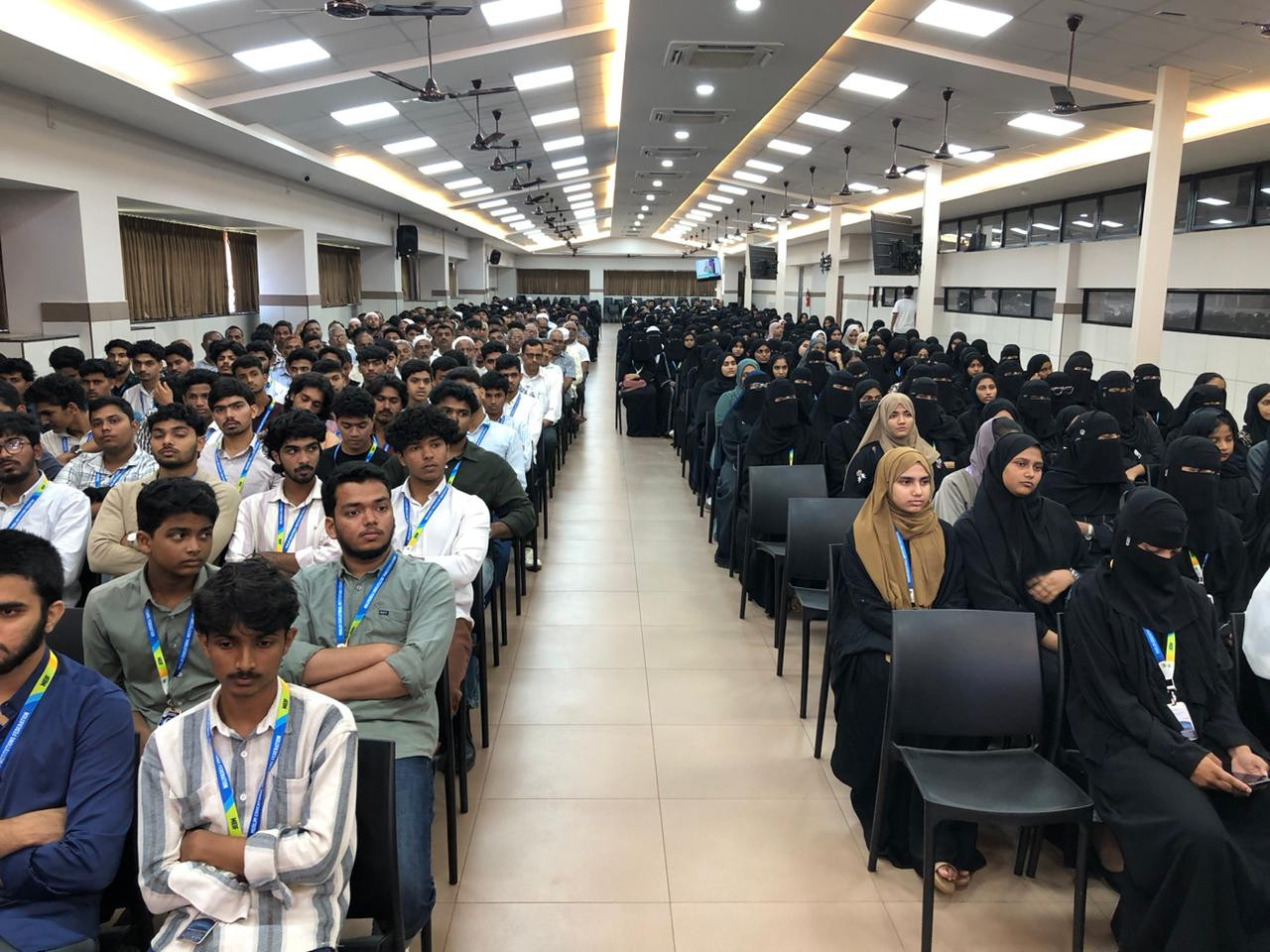
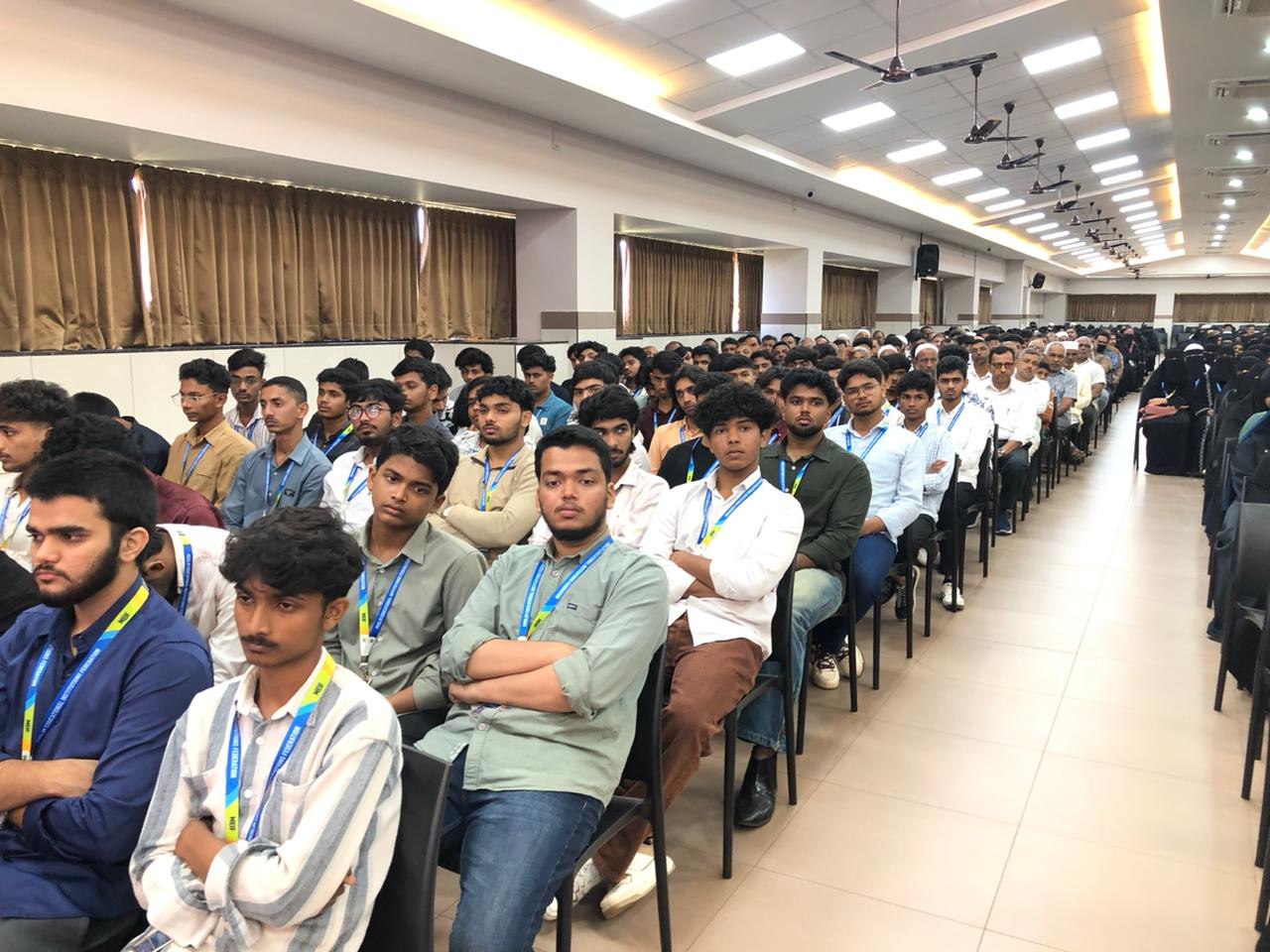
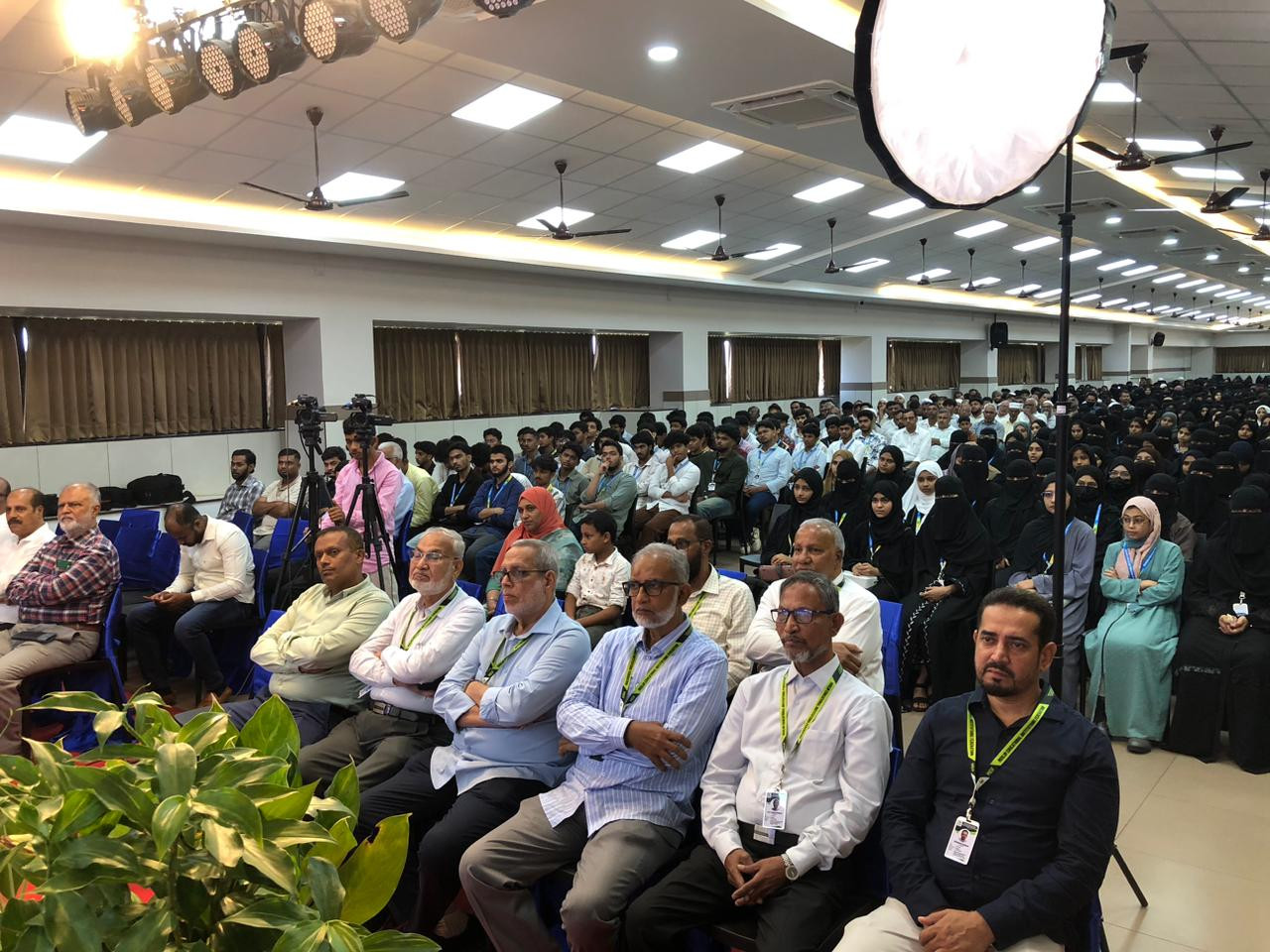
Mangaluru: The Muslim Educational Institutions’ Federation (MEIF) launched its new initiative, Mission M Power, along with a meet of beneficiary students and sponsors as part of its year-long Silver Jubilee celebration held at Yenepoya College, Kulur, on October 19.
The event began with a welcome note by MEIF President Moosabba P Beary, who introduced the organisation and highlighted its journey of promoting education and empowering the community over the past 25 years.
Inaugurating the programme, Dr. Y. Abdulla Kunhi, Chancellor of Yenepoya (Deemed to be University), congratulated MEIF for completing 25 years of dedicated service to the community and society at large. He said there are two kinds of people talkers and doers and that most fall into the first category. “MEIF belongs to the doers’ category,” he remarked, praising the Federation’s consistent efforts in transforming lives through education.
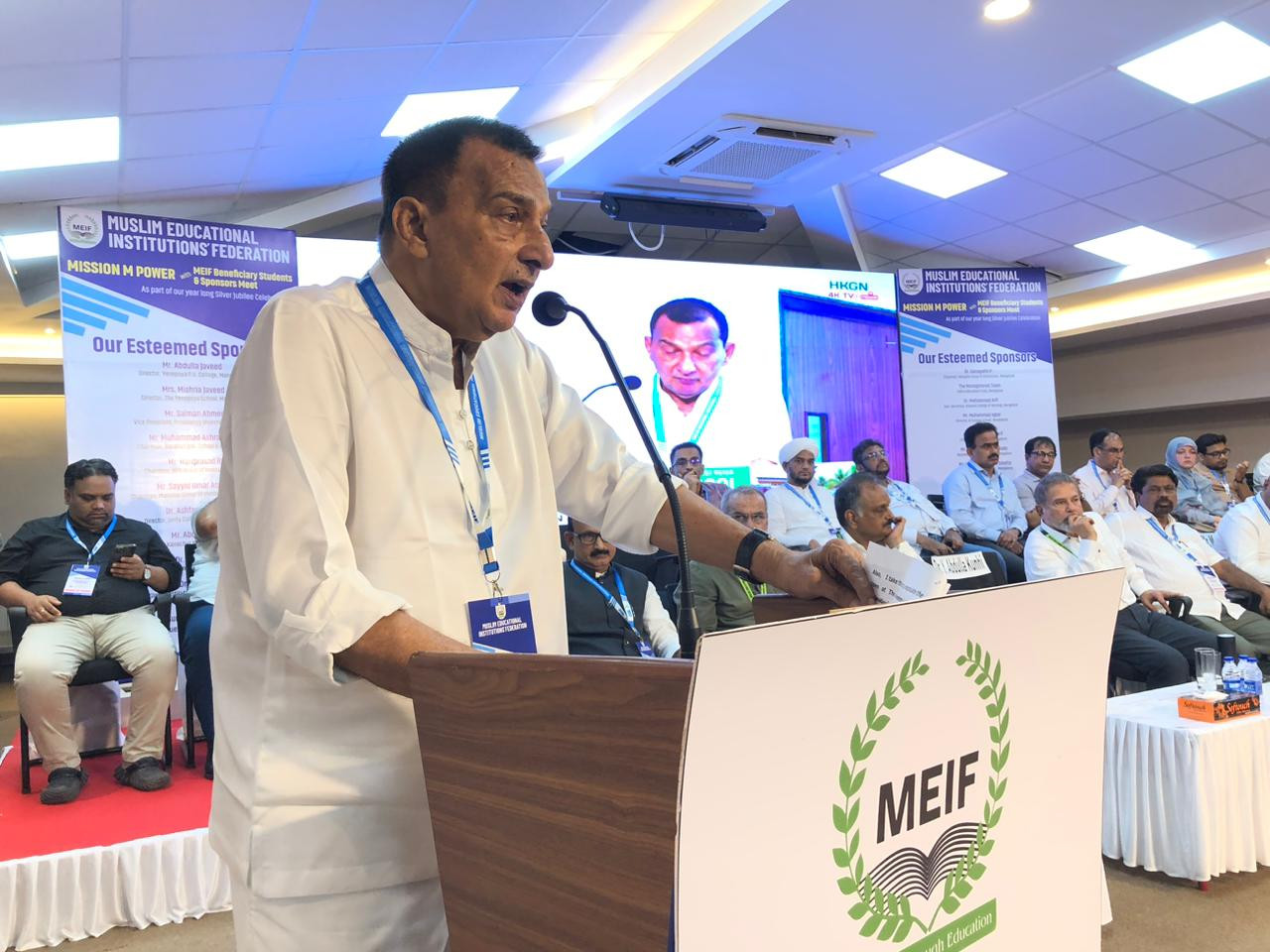
Umar Teekay, Hon. President of MEIF Central Unit, delivered the keynote address and spoke about the importance of empowering the community through education. He elaborated on MEIF’s vision and mission, emphasising the need for continued support to students from underprivileged backgrounds.
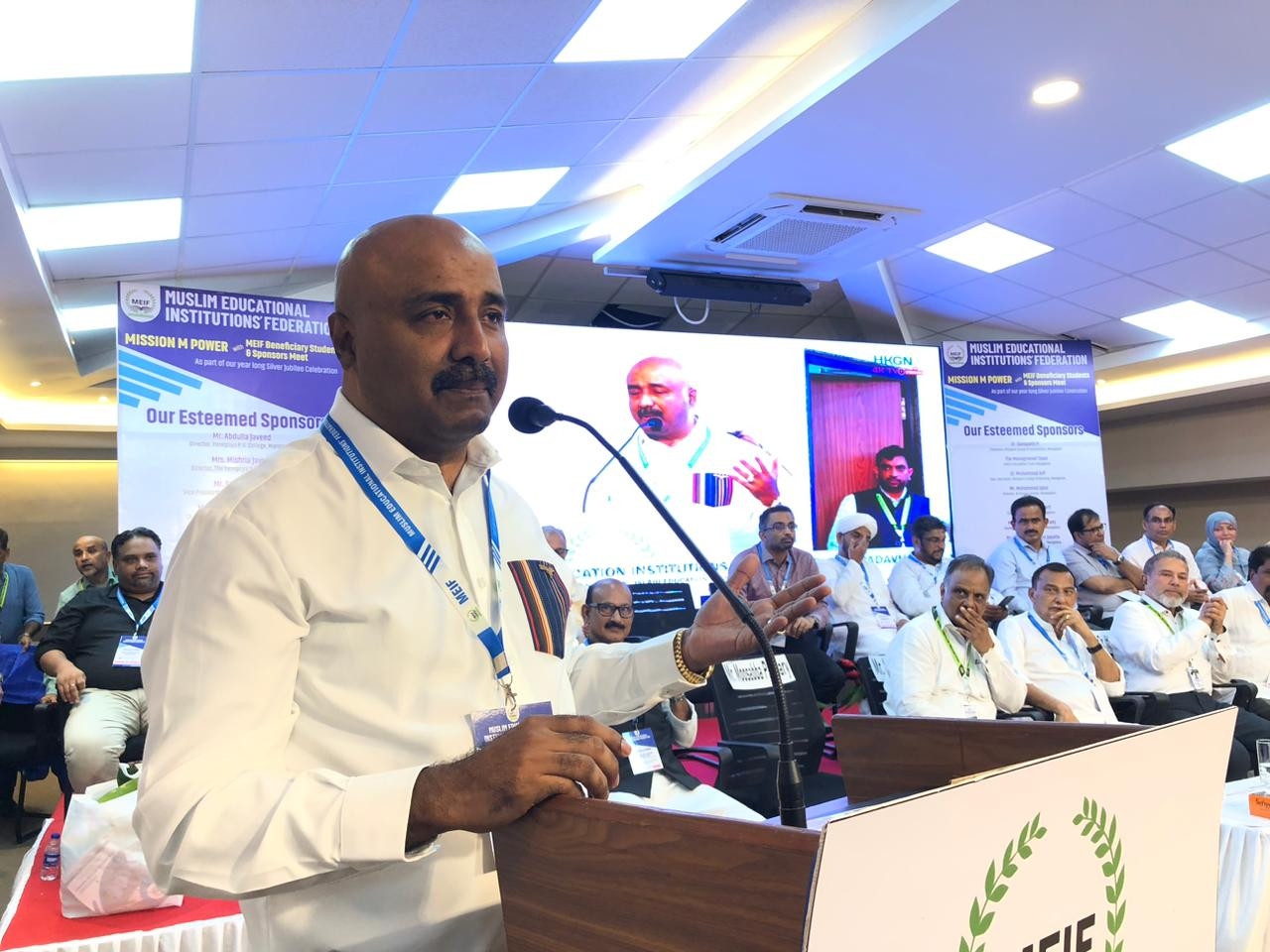
Syed Beary, Hon. Advisor of MEIF Central Unit, launched the Silver Jubilee logo and shared an inspiring message. He said endurance, steadfastness, perseverance, and fear of Allah are the true keys to success. “What matters is how you contribute to society after you achieve success,” he said. He urged youngsters to think beyond personal gains and take up social responsibilities. Expressing concern over the rise of drug abuse, he noted that the menace has now spread from colleges to schools and called upon MEIF-sponsored students to take the lead in fighting such issues. He also reminded them to always respect their parents and never hurt them.
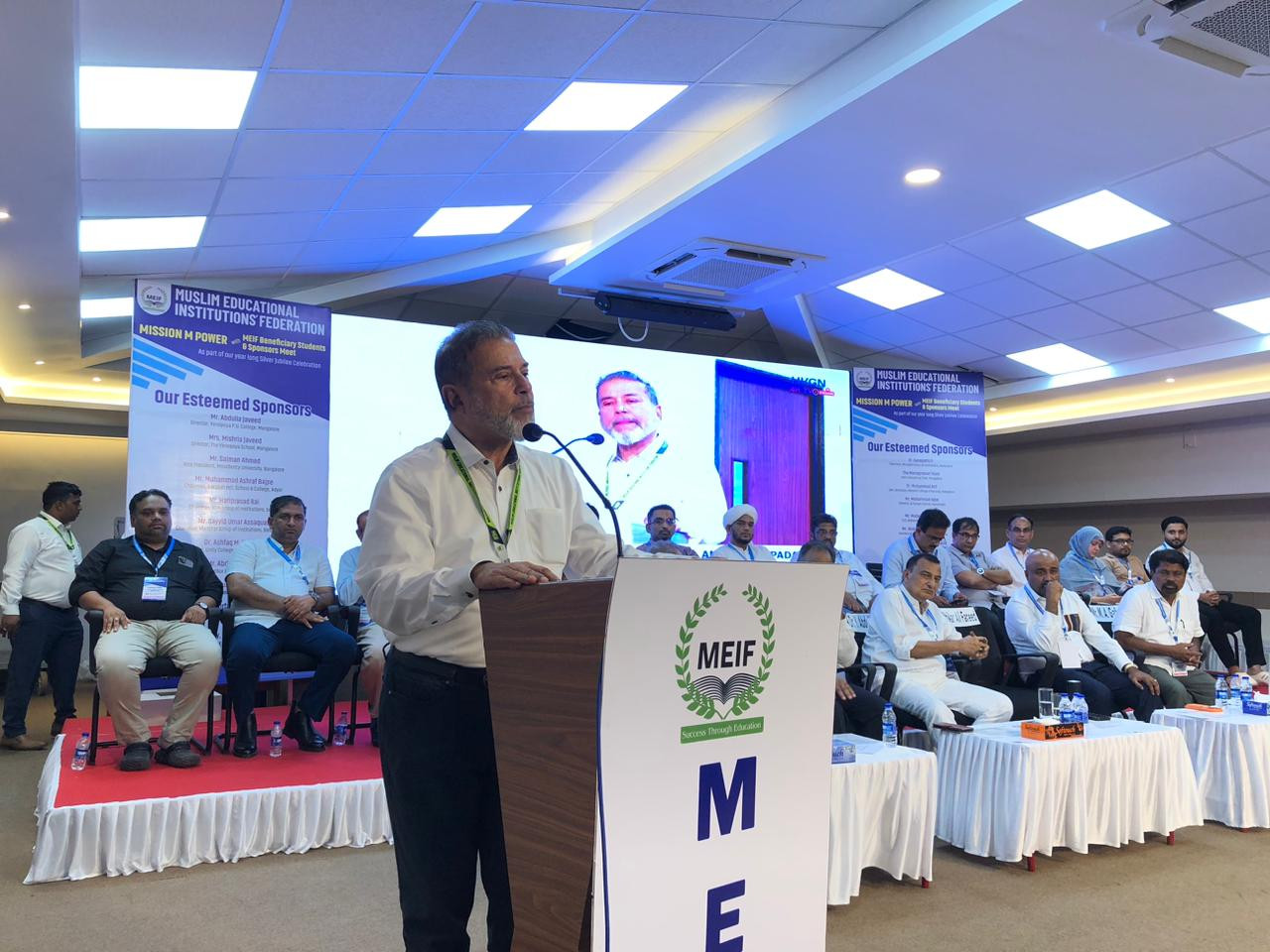
Chief guest Dr. Ifthikar Ali Fareed, Chairman of the Allied and Healthcare Council of Karnataka, advised students to value the seats they receive through MEIF. He pointed out that the organisation works tirelessly behind the scenes with colleges to secure these opportunities. “Be role models for the colleges that supported you,” he said, urging students to stay away from drugs and to proudly speak about their institutions when they succeed in life.
The event also included the felicitation of M.A. Gafoor, Chairman of the Coastal Development Board, and T.M. Shahid Thekkil, Chairman of the Karnataka Minimum Wage Board Commission, for their support and contributions.
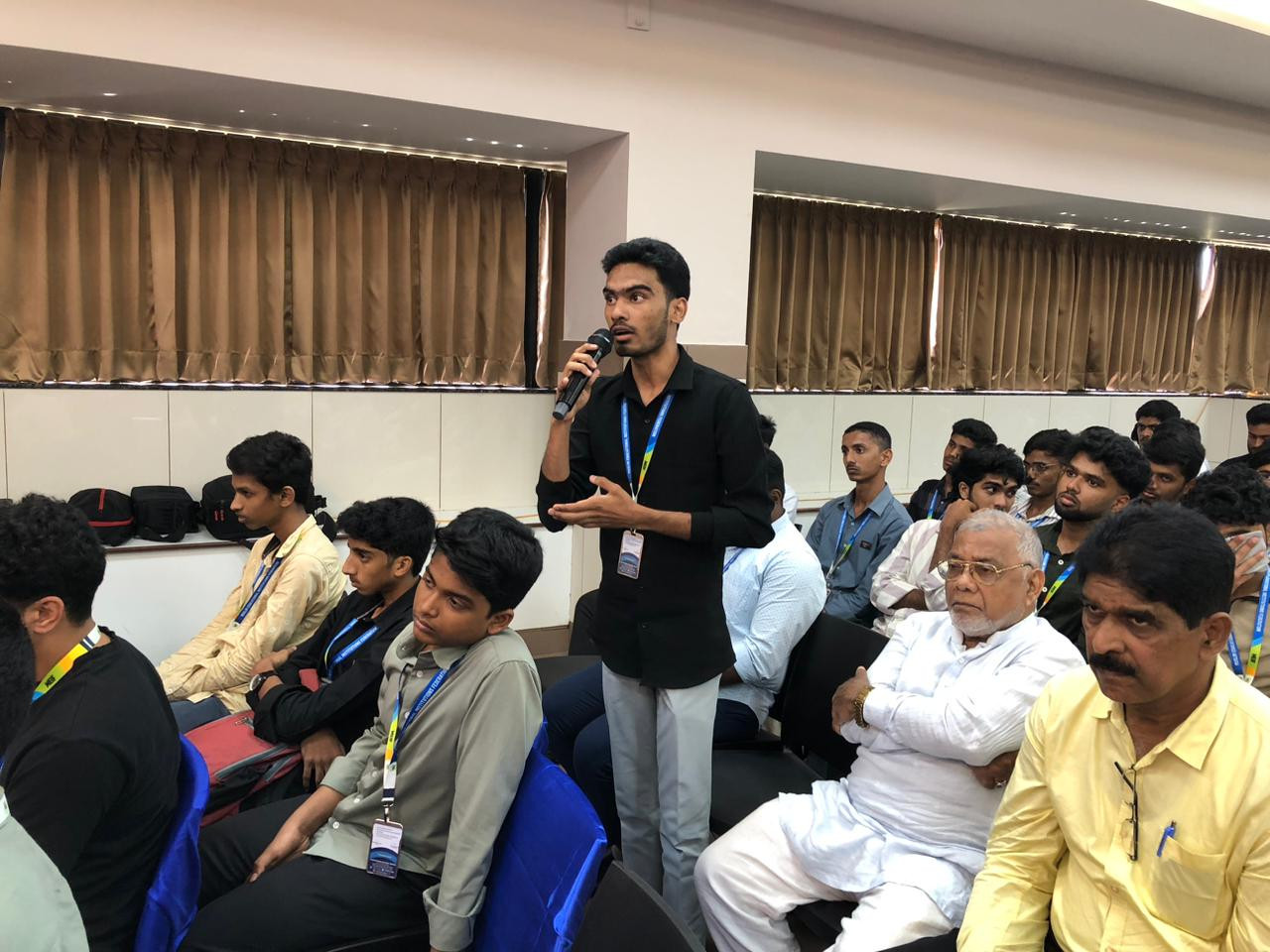
The programme concluded with an interaction session on formalising Mission M Power, where students and sponsors discussed the future roadmap of the initiative.
Riyaz Ahmed K.B., General Secretary of MEIF Central Unit, presented vote of thanks.
B.A. Iqbal, Convener of the Silver Jubilee Committee, coordinated the proceedings.
The event was attended by several esteemed sponsors and benefactors who have been closely associated with the mission of MEIF. Among those present were Abdulla Javeed, Director of Yenepoya P.U. College, Mangalore, and Mishria Javeed, Director of The Yenepoya School, Mangalore. Also in attendance were Salman Ahmed, Vice President of Presidency University, Bangalore and several heads of nursing and educational institutions, including and Dr. Irfan Ahmed of the Global Institute of Para-Medical Sciences, Shivamogga, were also present.
The gathering also included Dr. Ganapathi P. of Mangala Group of Institutions, Sayyid Umar Assaquaf of Manshar Group of Institutions among others.
Let the Truth be known. If you read VB and like VB, please be a VB Supporter and Help us deliver the Truth to one and all.
Trump says EU has until July 4 to approve last year's trade deal or it will face higher tariffs
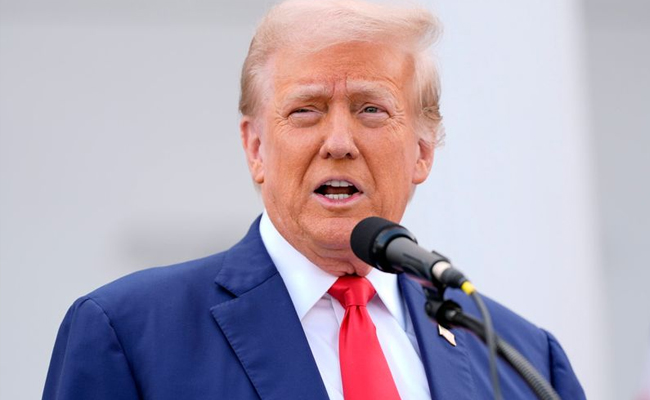
Washington (AP): President Donald Trump has said in a social media post that goods from the European Union would face higher tariff rates if the 27-member bloc fails to approve last year's trade framework by July 4.
The announcement on Thursday appeared to be a deadline extension after the president said last Friday that EU autos would face a higher 25 per cent tariff starting this week. Trump made the updated announcement after what he described as a "great call" with European Commission President Ursula von der Leyen.
Still, the US president was displeased that the European Parliament had yet to finalize the trade arrangement reached last year, which was further complicated in February by the US Supreme Court ruling that Trump lacked the legal authority to declare an economic emergency to impose the initial tariffs used to pressure the EU into talks.
"A promise was made that the EU would deliver their side of the Deal and, as per Agreement, cut their Tariffs to ZERO!" Trump posted. "I agreed to give her until our Country's 250th Birthday or, unfortunately, their Tariffs would immediately jump to much higher levels."
It was unclear from the post whether Trump was implying that the tariff rates would jump on all EU goods or the increase would only apply to autos.
His latest statement indicates he might be backing away from his earlier threat on EU autos by giving the European Parliament several more weeks to approve the agreement.
Under the original terms of the framework, the US would charge a 15 per cent tax on most goods imported from the EU.
But since the Supreme Court ruling, the administration has levied a 10 per cent tariff while investigating trade imbalances and national security issues, aiming to put in new tariffs to make up for lost revenues.