Merely shouting on podiums will not make us Vishwaguru: Kudalasangamadeva Swamiji
Says only implementation of Ambedkar's constitution can make India Vishwaguru
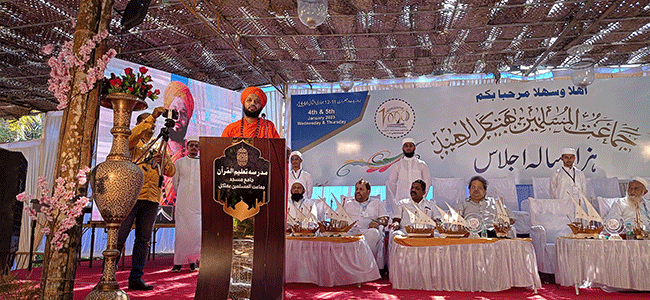
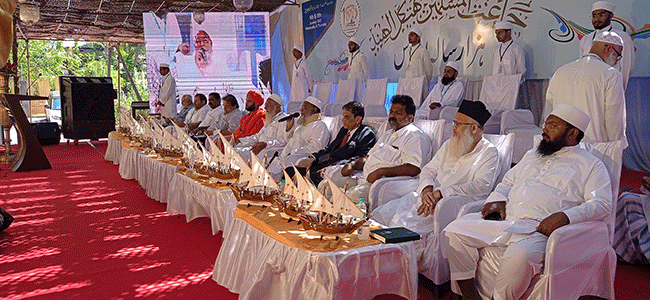
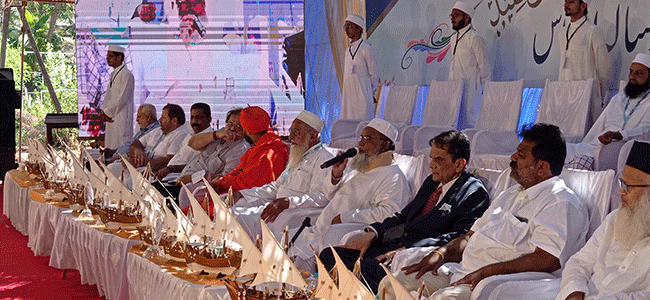
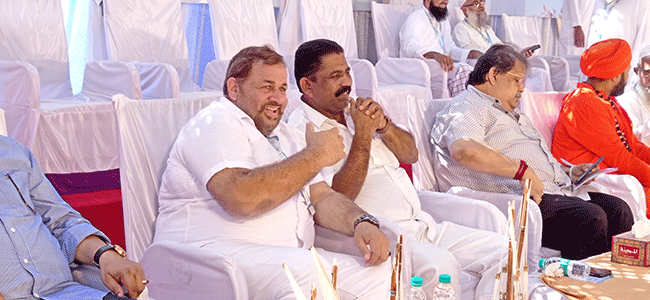
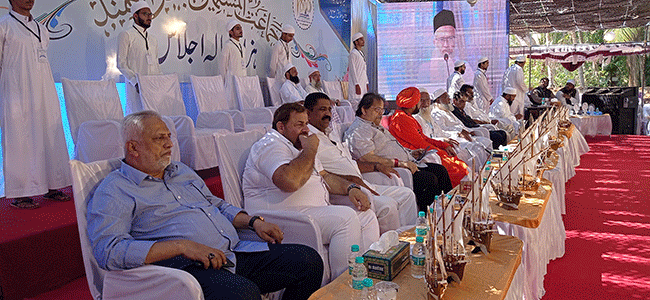
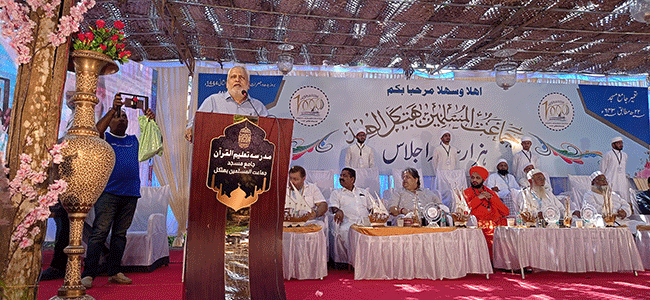
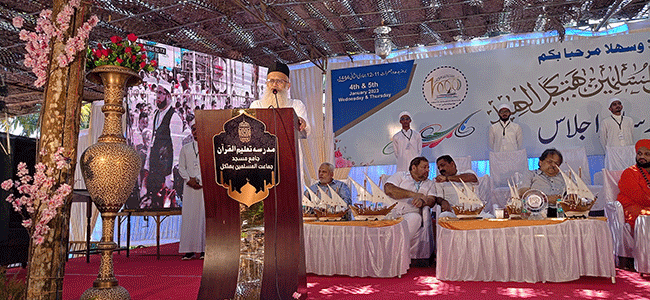
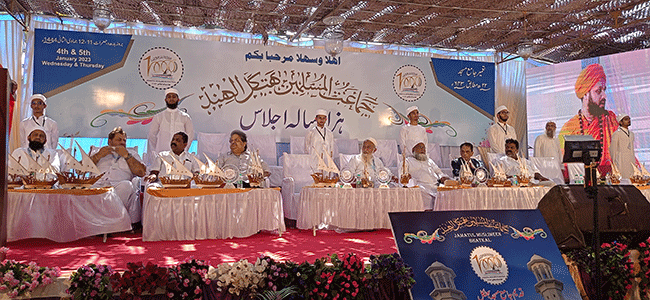
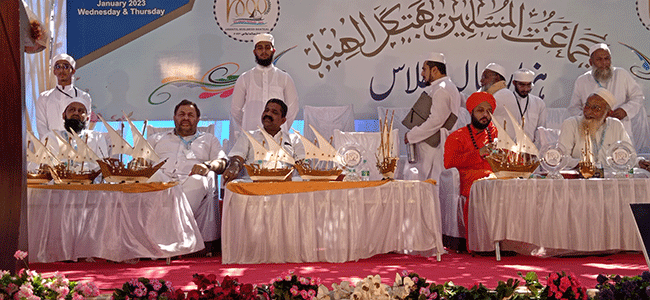
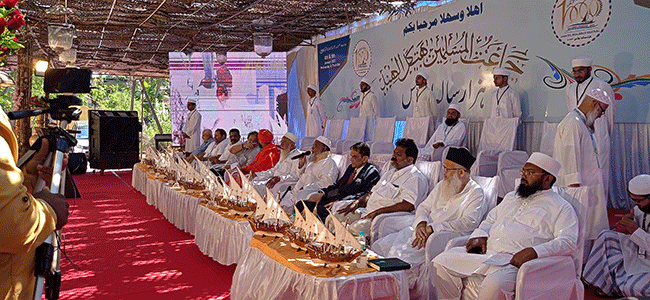
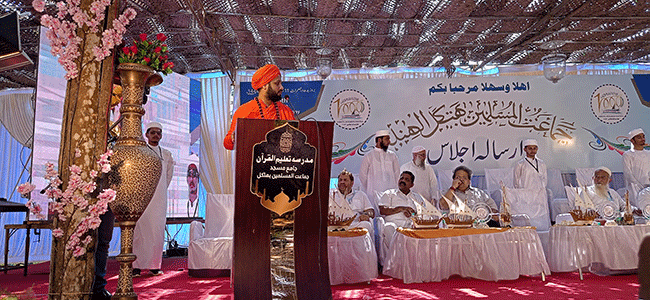
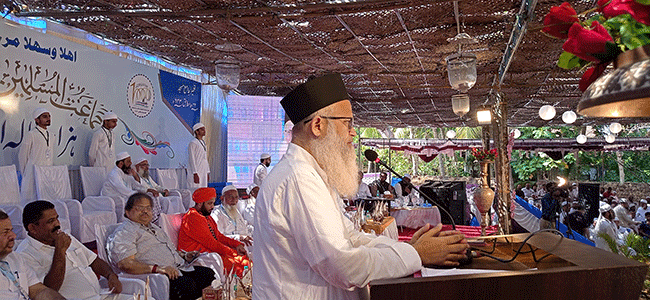
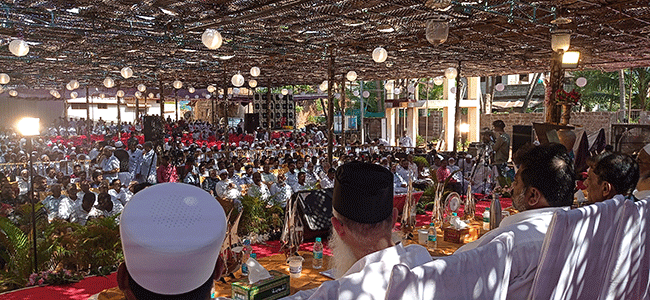
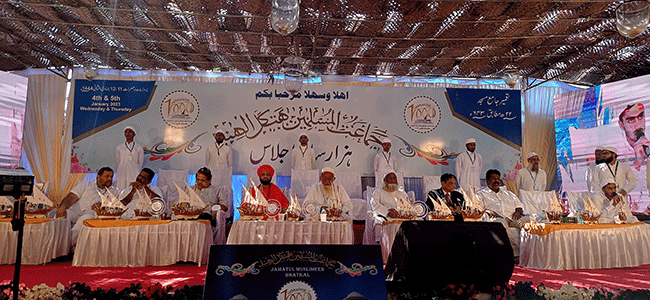
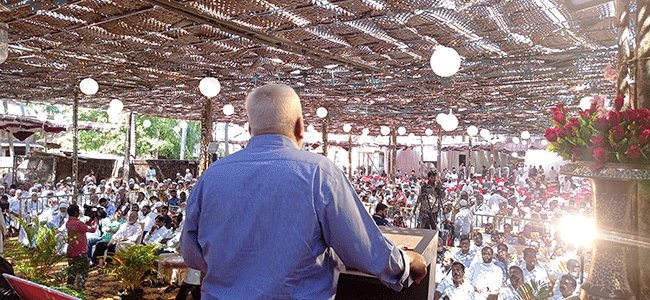
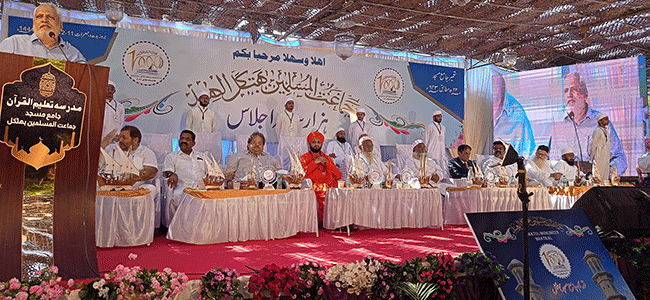
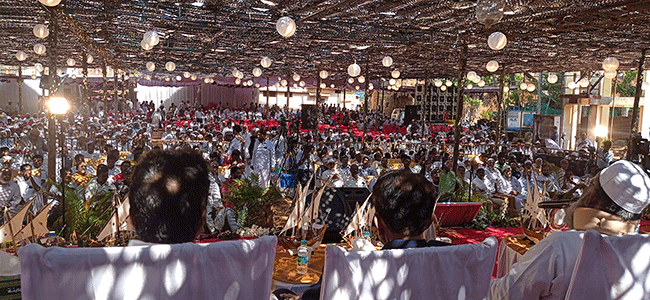
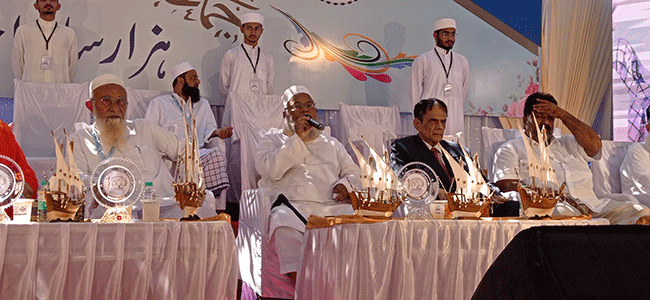
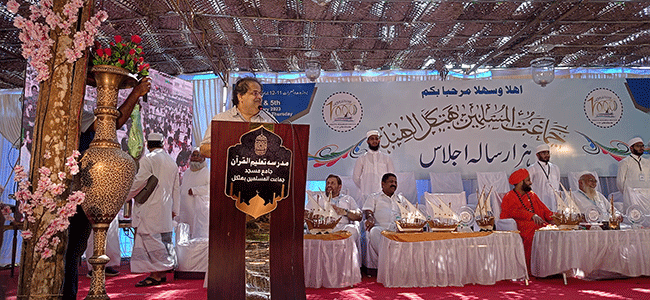
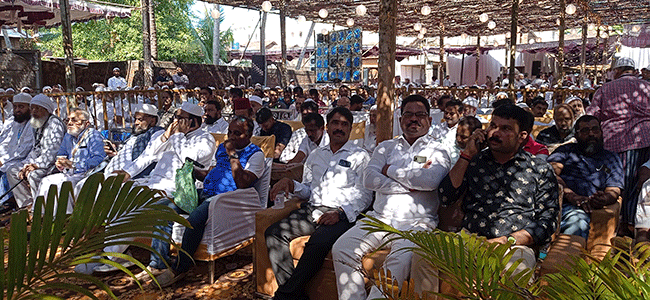
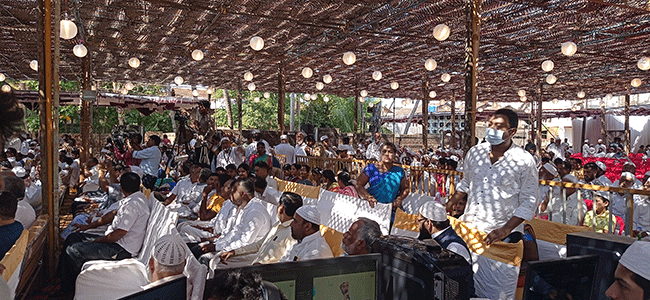
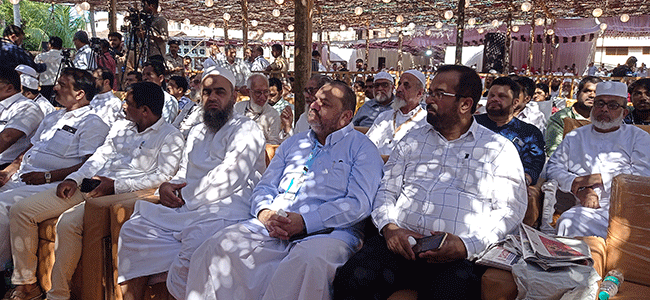
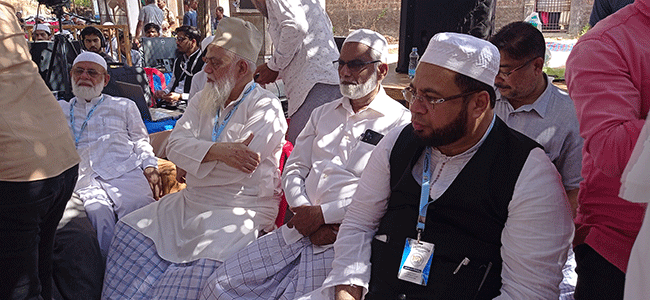
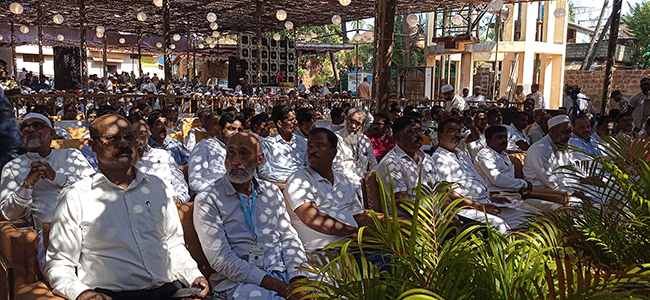
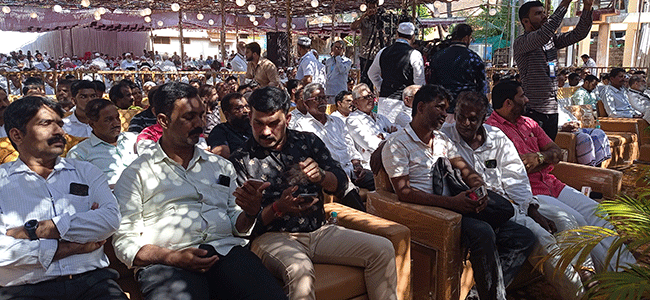
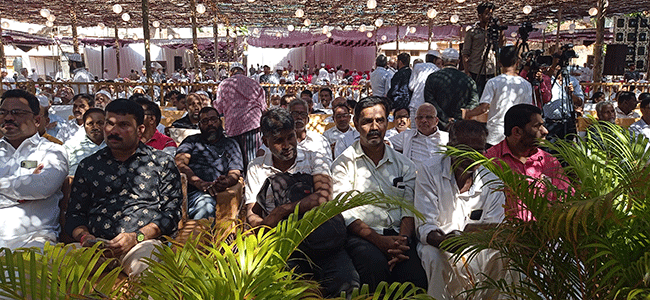
Bhatkal: An inter-faith get-together was organised on Thursday in Bhatkal as a part of millenary celebrations of Jamatul Muslimeen Bhatkal. Several key figures from different religions and beliefs attended the event.
Vartha Bharati editor-in-chief Abdussalam Puthige, All India Muslim Personal Law Board General Secretary, Moulana Khalid Saifullah Rahmani, General Secretary of All India Message for Humanity Forum, Moulana Bilal Hasani Nadvi, Basava Dharma Peetha, Kudalasangama Swamiji were present during the event as Chief Guests.
Speaking at the event, Abdussalam Puthige spoke about the importance of peace and communal harmony among different faiths in current scenario and pointed how it can be restored.
"If we have to become a proud country, it doesn't matter if we win lesser medal at Olympics, but what is important is we should have a crime-free, hate-free society, a society which is above communalism." He said.
AIMPLB General Secretary Moulana Khalid Saifullah Rahmani recalled the last sermon of Prophet Mohammed and spoke about the brotherhood and message of peace that Islam promotes.
He called on people to come out of religious lines to build a stronger society together.
"Humanity is the greatest relationship that we share with one another. Whenever one is in need we should all come together for the sake of humanity and help each other. That's how an ideal society can be built." He said.
Moulana Bilal Hasani Nadvi also spoke about spreading peace and harmony in the country and added that the diversity and exclusiveness of India need to be restored.
"India found glory only because of its unity and diversity. Today, the unity is being destroyed, the diversity has been marred by hate and communalism, we need to restore our lost glory,"
"The hate that is being spread today in this country, is posing greater threat to this country than any other enemy is posing today." He added.
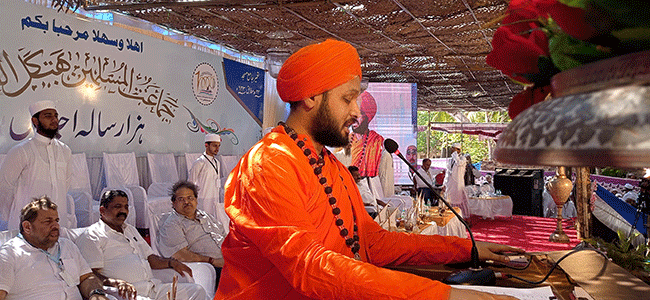
Basava Dharma Peetha, Kudalasangama Swamiji lauded Islam for spreading peace and communal harmony for centuries and added that Islam essentially stands for peace and non-violence.
"Every religion bats for non-violence and peace, but today people are spreading hate and violence using religion as a medium. These are all political gimmicks.
"The politicians are targeting common people by visiting temples like Hindus, Mosques like Muslims and Churches like Christian and then triggering hate among people of these faiths only." Swamiji said.
"We can only become Vishwaguru by implementing principles of Constitution that was given to us by Ambedkar, merely by standing on podiums and calling out that we have become Vishwaguru wouldn't take us anywhere," he added.
"Those who offer Pujas and those who offer Namaz should not fight among themselves, only then this country can attain peace and harmony." He further said.
Managing Director of Hangyo Ice Creams also lauded the contributions of Nawayath Community in upliftment of the town and local businesses and Congratulated Jamatul Muslimeen Bhatkal on completing one thousand years.
Former Bhatkal MLAs Mankal Vaidya, JD Naik and otgers were also present during the event.
Let the Truth be known. If you read VB and like VB, please be a VB Supporter and Help us deliver the Truth to one and all.
Flagrant injustice to underprivileged: Mehbooba on govt action against Shopian school

Srinagar (PTI): PDP president Mehbooba Mufti on Monday said declaring Dar Ul Uloom Jamia Siraj Ul Uloom in Jammu and Kashmir's Shopian an unlawful entity under the UAPA was a "flagrant injustice" to the underprivileged sections of society.
She also alleged that banning such "altruistic institutions" without any solid evidence of anti-national activity "shows a deep seated prejudice and ill intention".
The institution allegedly run by individuals affiliated with a banned organisation has been declared an "unlawful entity" under the Unlawful Activities (Prevention) Act (UAPA).
In a post on X, Mehbooba said, "Every single day the j&k government acts as a mute bystander & a timid enabler of vicious assaults on J&Ks identity & dignity. Declaring Dar Ul Uloom Jamia Siraj Ul Uloom as an unlawful entity under UAPA is a flagrant injustice to the poor underprivileged sections of society".
The former chief minister said the institution served as a "beacon of quality education" for students unable to afford expensive schooling.
"It has produced reputed doctors and professionals who served this nation with dedication. Banning these altruistic institutions without any solid evidence of anti national activity shows a deep seated prejudice & ill intention," she added.
Divisional Commissioner Kashmir Anshul Garg issued a two-page order based on the dossier presented by Senior Superintendent of Police Shopian pointing towards the alleged illegal activities at Darul Uloom Jamia Sirajul Uloom at Imam Sahib in Shopian district in south Kashmir.
According to the order issued by Garg on April 24, there were "credible inputs and evidence on record, to indicate sustained and covert linkages of the institution with Jamaat-e-Islami, which the Government of India banned in 2019.