Minister Khader visits family, pays compensation
Death in wall collapse at Hebbarabail
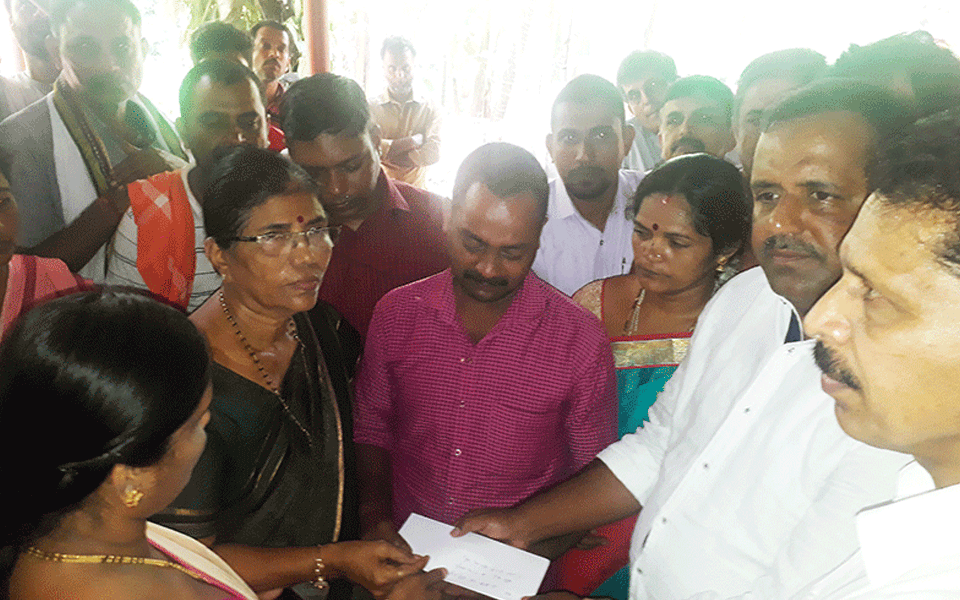
Puttur, July 08: Urban Development and Housing Minister UT Khader on Sunday visited the house at Salmara Hebbarabail where a grandmother and grandson died in wall collapse on Saturday and consoled the bereaved family members.
During his visit, the Minister handed over a cheque for compensation of Rs 11 lakh including Rs 5 lakh each for Parvathi and Dhanush and Rs 1 lakh for the damage of the house, from the Disaster Management Fund, to the family. He handed over the cheque to the mother of Dhanush. Condoling the death of the two, the Minister directed the officials to take precautionary measures to avoid such incidents during rains.
The Minister directed City Municipal Council Commissioner Roopa Shetty to serve the notice the family, above the house of Dhanush, which is responsible for the collapse of the wall and asked her to submit the action taken report.
MLA Sanjeeva Marandur, former MLA Shakuntala T Shetty, ZP president Meenakshi Shantigodu, CMC president Jayanti Balnadu, deputy commissioner Sasikanth Senthil, assistant commissioner HK Krishnamurthy, CMC vice president Vishwanath Gowda, PUDA president Prasad Kaushal Shetty and others were present.
Let the Truth be known. If you read VB and like VB, please be a VB Supporter and Help us deliver the Truth to one and all.
Chhattisgarh coal levy scam: Rs 4 crore assets of suspended IAS officer attached
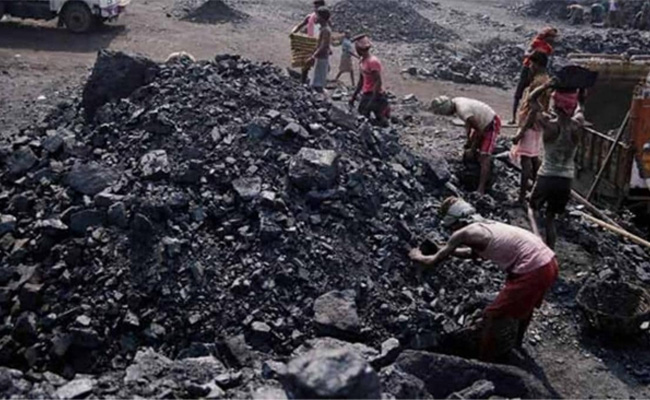
Raipur (PTI): The Economic Offences Wing (EOW) has attached properties of Rs 4 crore belonging to suspended IAS officer Sameer Vishnoi, an accused in a coal levy scam, for allegedly amassing assets beyond his known sources of income, officials said.
The EOW had registered a disproportionate assets case against Vishnoi in July 2024, an official release said on Saturday.
During the investigation, the agency identified nine immovable properties, valued at around Rs 4 crore, allegedly acquired through illicit means in the names of Vishnoi’s family members and associated firms, it said.
“An application seeking attachment of these properties was filed before the Special Court under the Prevention of Corruption Act in Raipur. Following a hearing on April 17, the court ordered attachment of all such properties,” the statement said.
Accordingly, the Anti-Corruption Bureau/Economic Offences Wing attached the properties. The attached properties cannot be sold or transferred, it said.
The Enforcement Directorate (ED) had earlier provisionally attached five immovable properties linked to Vishnoi in connection with the coal levy scam, it added.
Proceedings are also underway in cases involving other public servants, including action taken in September last year against properties linked to Saumya Chaurasia, who was deputy secretary in the chief minister’s office during the Congress government, the statement said.
Vishnoi, a 2009-batch Indian Administrative Service officer, was first arrested in 2022 by the ED in connection with the alleged coal levy scam. He was among several accused who were granted bail last year by the Supreme Court.
The case refers to an alleged Rs 540 crore racket between July 2020 and June 2022, when an illegal levy of Rs 25 per tonne was being extorted by a cartel involving senior bureaucrats, businessmen, politicians and middlemen for every tonne of coal transported in the state.