Nelyadi: Police arrests one for illegally transporting cattle; seizes truck, 22 cattle
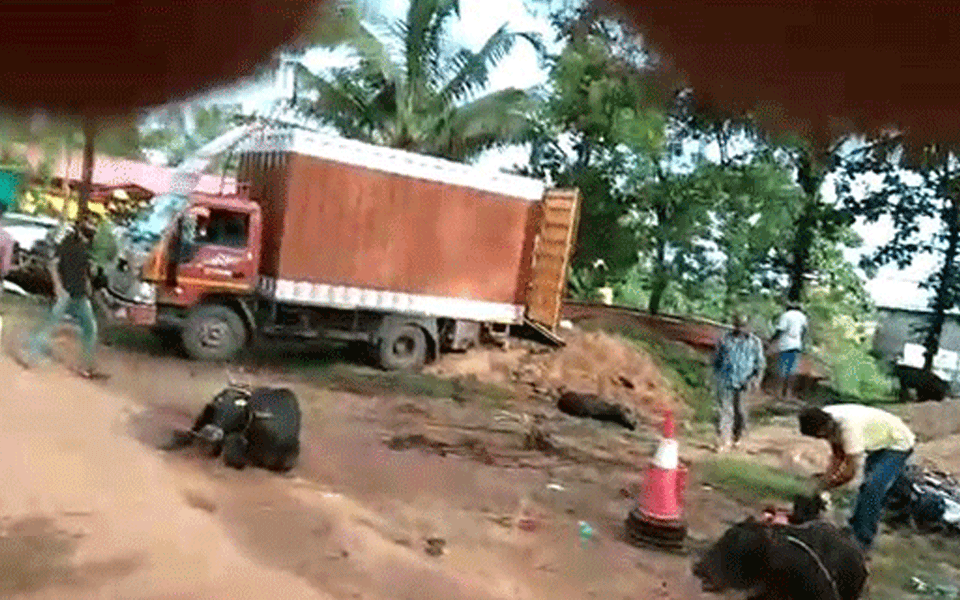
Nelyadi Police on Saturday morning arrested one person for allegedly transporting cattle illegally on a truck and seized 22 cattle from him near Kolve of Nelyadi. The cattle were reportedly being carried from Hassan to Mangaluru when the police intercepted the truck and seized them.
The arrested accused has been identified as Nawaz, a resident of Tumkuru.
The police on Saturday morning intercepted the truck and upon inspection found 22 cattle inside it which were being illegally transported. The police then arrested Nawaz and seized truck along with the cattle.
A case has been registered in this regard and further investigations are underway.
Let the Truth be known. If you read VB and like VB, please be a VB Supporter and Help us deliver the Truth to one and all.
4 workers die after being buried under coal slurry in Jharkhand's Dhanbad
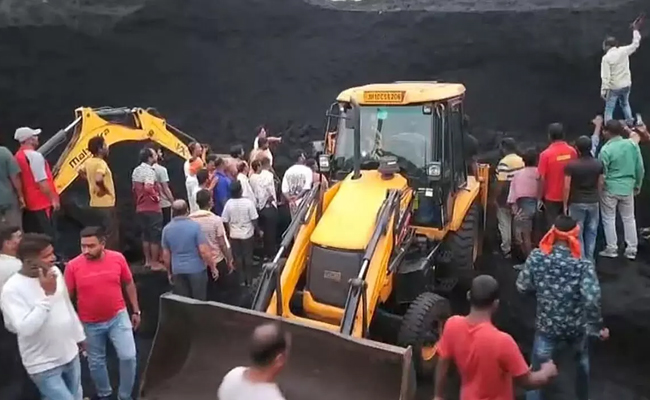
Dhanbad (Jharkhand) (PTI): At least four workers died after being buried under coal slurry in Jharkhand's Dhanbad district on Saturday, a police official said.
The incident took place at Moonidih coal washery in the command area of Bharat Coking Coal Limited (BCCL).
"Bodies of all four workers were dug out of debris during a rescue operation," Putki police station in-charge Waqar Hussain told PTI.
The incident took place when coal slurry was being loaded into trucks by workers, during which a large chunk of slurry fell and trapped several workers underneath, officials said.
The deceased have been identified as Manik Bauri, Dinesh Bauri, Deepak Bauri, and Hemlal Gope.
Meanwhile, the family members of the deceased and local villagers placed the bodies in front of the washery gate and began a protest.
They demanded compensation, jobs for dependents and action against those responsible for the incident.
Police and administration officials are trying to pacify the protesters, an official said.