No decision yet on lockdown in Dakshina Kannada District, Mangaluru city; DK Minister confirms
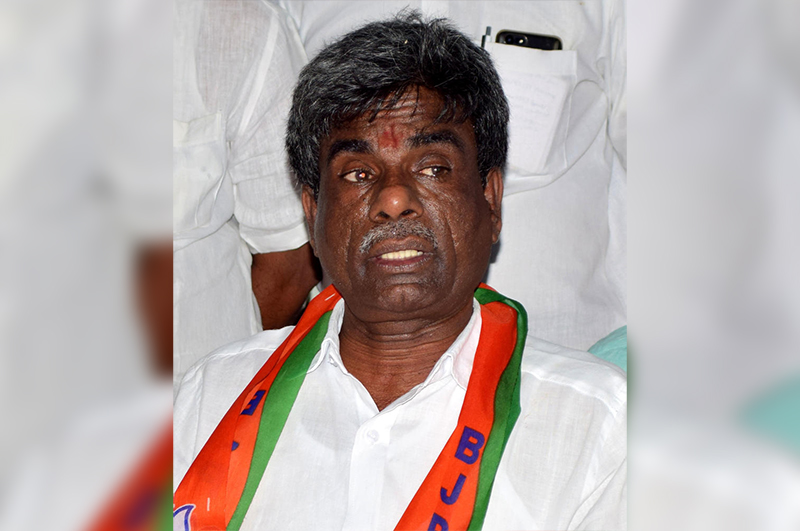
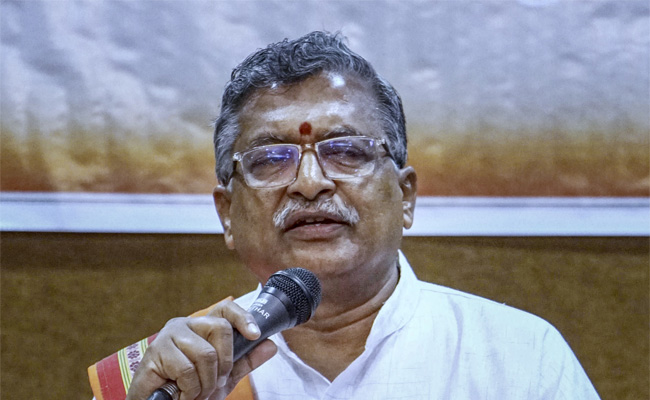
Mangaluru: Taking note of the viral forward messages on social media platforms, District In-Charge Minister, Kota Srinivas Poojary on Sunday confirmed that no decision was taken so far about imposing of lockdown in Dakshina Kannada District or Mangaluru city.
On Sunday, messages across social media platforms claimed that the District Administration had decided to follow suit of state capital Bengaluru and was set to impose lockdown in the city to cap the number of COVID-19 cases in the district.
Speaking to reporters on Sunday afternoon, Poojary confirmed that a high-level meeting of MP, DC, and himself was held on Sunday to review the COVID-19 situation in the district but no decision was taken on imposing the lockdown. He added that local MP and himself will be discussing the situation of the district with the Chief Minister on Monday morning following which a decision will be taken on the further course of action.
Asserting that the administration will not enforce any decision that will cause inconvenience to the people of the district, Poojary called on people to not get confused and panicked by the rumors.
He further added that the administration will come to a decision only after consultation with the Chief Minister on Monday.
Let the Truth be known. If you read VB and like VB, please be a VB Supporter and Help us deliver the Truth to one and all.
Two people killed as poultry vehicle rams into parked truck in Belagavi
Belagavi (Karnataka) (PTI): Two people were killed, and another was severely injured after a goods vehicle transporting poultry birds allegedly rammed into a stationary truck on a national highway in Belagavi in the early hours of Tuesday, police said.
The deceased have been identified as Wasim (28) and Mubarak (22), both natives of Shivamogga district, they said.
The driver of the vehicle, Basavaraj Eerappa Hanchinamani (37), suffered critical injuries and has been admitted to a hospital, police said.
According to police, the accident occurred when the driver reportedly lost control of the vehicle, allegedly due to drowsiness, and crashed into a truck parked along the highway.
The goods vehicle was en route from Kolhapur to Sorab in Shivamogga district, carrying poultry. Several chickens were also killed in the impact, a senior police officer said.
Police personnel from the Hirebagewadi Police Station visited the spot and conducted an inspection.
Injured people and the bodies of the deceased were shifted to a hospital, police added.