Nomination papers of 10 candidates in DK declared valid; DEO rejects papers of 1 candidate
Mangaluru: Deputy Commissioner and District Election Officer of Dakshina Kannada Mullai Muhilan declared on Friday that, while 11 candidates have submitted their nomination papers for the Lok Sabha elections, the papers filed by 10 candidates are valid.
The candidates were given Thursday, April 4 as the deadline to file their nomination papers for the elections. The Dakshina Kannada DEO, who scrutinized the 21 nomination papers he received from the 11 candidates, has also declared the papers filed by one of the candidates as invalid and rejected them.
ALSO READ: Panel demanding justice for Sowjanya launches 'NOTA' campaign in DK, Udupi for LS polls
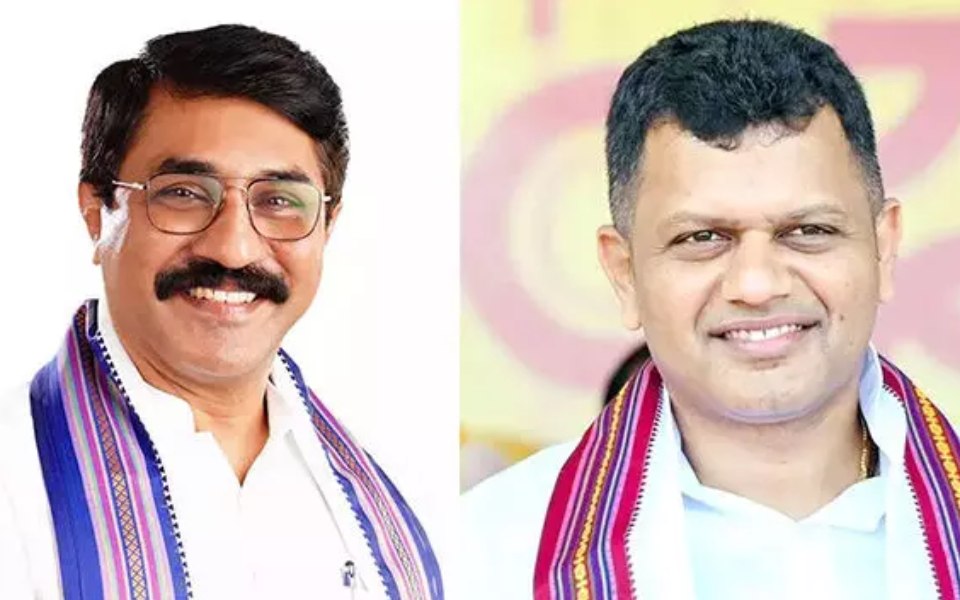
The nomination papers submitted by Padmaraj R of the Congress, Brijesh Chowta of the BJP, Kanthappa Alangar of the Bahujan Samaj Party, Durgaprasad of the Karunada Sevaka Paksha, Prajakeeya Manohar of the Uttama Prajakeeya Party, Ranjini M of Karnataka Rashtra Samiti and Independent candidates Deepak Rajesh Coelho, Maxim Pinto, Satish Boodumakki and Supreeth Kumar Poojary have been declared valid by Dakshina Kannada DEO Muhilan.
The last date to withdraw the nomination papers is Monday, April 8.
Let the Truth be known. If you read VB and like VB, please be a VB Supporter and Help us deliver the Truth to one and all.
Lebanon appoints new representative for talks with Israel, rejects linkage to Iran
Beirut: Lebanon’s has moved to underline its independent position in ongoing regional developments, amid attempts to link the country to the broader conflict involving Iran, the United States and Israel.
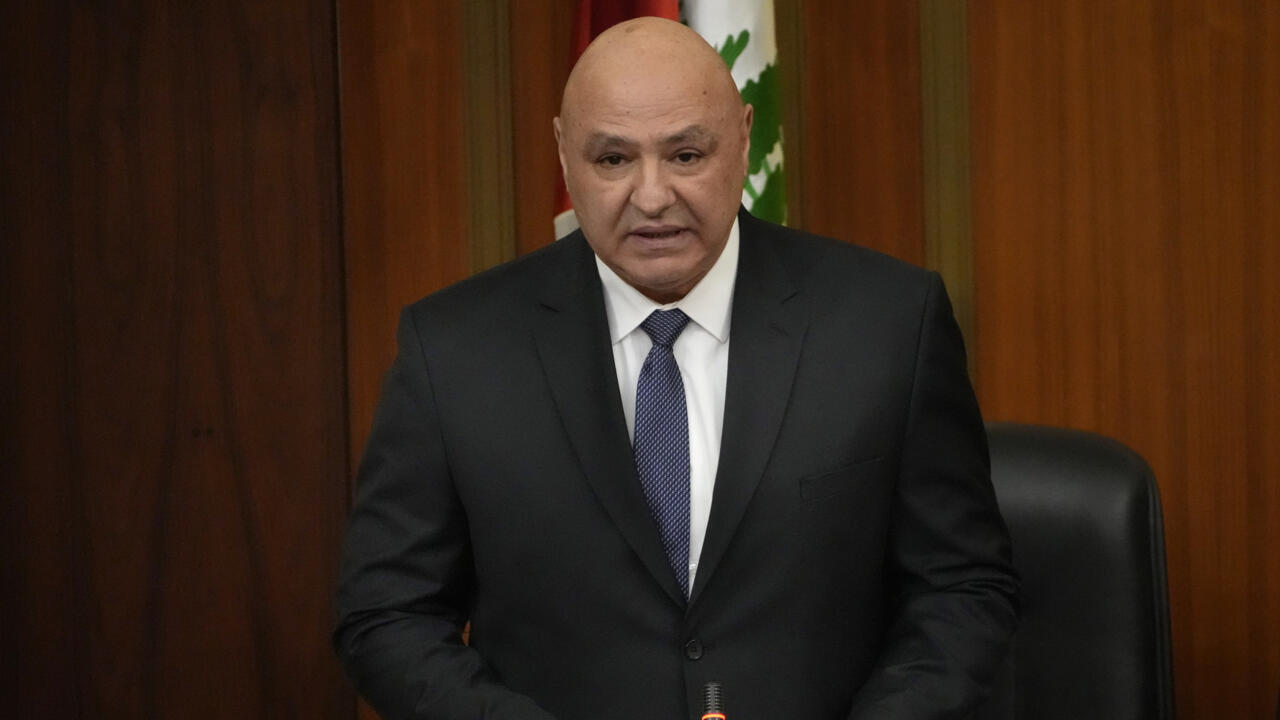
President Joseph Aoun, while announcing the appointment of former US ambassador Simon Karam as Lebanon’s representative in talks with Israel, made it clear that Karam would be the sole representative for Lebanon and that there would be no substitute.
The move comes in response to what the Lebanese officials see as efforts by Iran to tie Lebanon’s situation to the wider regional conflict. Iran had indicated that there would be no ceasefire involving the US, Israel and Iran unless it also included a ceasefire in Lebanon.
Some groups, including Hezbollah and its supporters, had expressed support for linking the situations, citing concerns that the Lebanese government has limited leverage in negotiations with Israel. Lebanon is not formally a party to the conflict, and its army is considered weak.
However, others, including Prime Minister Nawaf Salam, have opposed this approach. They view Iran’s stance as an attempt to influence Lebanon’s internal affairs and see it as undermining the country’s sovereignty.
Officials backing the government’s position say the move is aimed at reaffirming Lebanon’s sovereignty and ensuring that decisions about peace and ceasefire within the country are not dictated externally.
They also see it as a safeguard, so that any breakdown in talks between the US, Israel and Iran does not automatically lead to renewed conflict in Lebanon.