One week lockdown imposed in Dakshina Kannada District to cap spread of COVID-19; details here
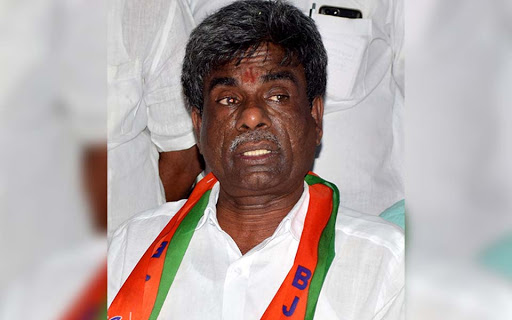
Mangaluru: Dakshina Kannada District In-Charge Minister, Kota Srinivas Poojary, on Monday confirmed that the District Administration will impose lockdown in the district for one week starting Thursday, July 16.
The decision was taken after the minister along with local MP and Deputy Commissioner discussed the COVID-19 situation in the district with Chief Minister over video conference on Monday morning. In the meeting, the CM reportedly said that imposing the lockdown will be the district administration’s call.

Speaking to reporters, Poojary added that all the commercial activities in the district will continue as usual till Wednesday evening and lockdown will be imposed on Thursday. He added that the detailed guidelines about the lockdown will be issued by the deputy commissioner.
He further urged people to co-operate with the administration adding that the decision was taken to safeguard the interest and health of the people and to cap the spread of COVID-19 in the district.
Let the Truth be known. If you read VB and like VB, please be a VB Supporter and Help us deliver the Truth to one and all.
Body of man in Kalaburagi found hanging in his field; cause of death unknown
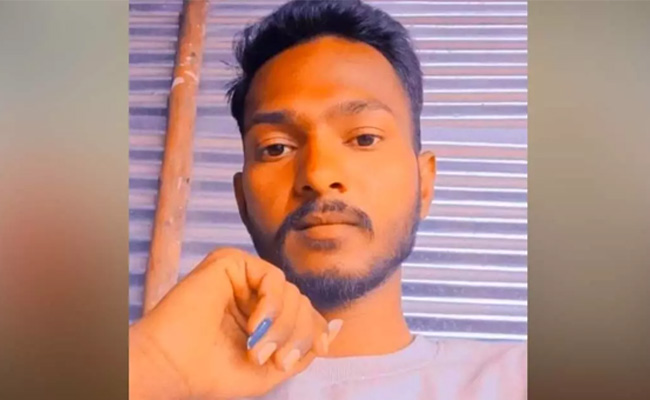
Kalaburagi: A man was found dead, with his body seen hanging, in his own field in Hulasaguda village of Kalagi taluk on Saturday morning. The cause for death is unknown as yet.
The deceased, identified as Revanasiddhappa Shettappa (26), is learned to have been a resident of Hulasaguda village.
Ratkal Police Sub-inspector Sheela Devi reportedly visited the spot where the man’s body was found and inspected it.
Police have registered a case in this regard and are probing the death of the Shettappa.