Pamphlet reading ‘Can Buntas tolerate it if Shudras begin to rule us’ sparks controversy in DK
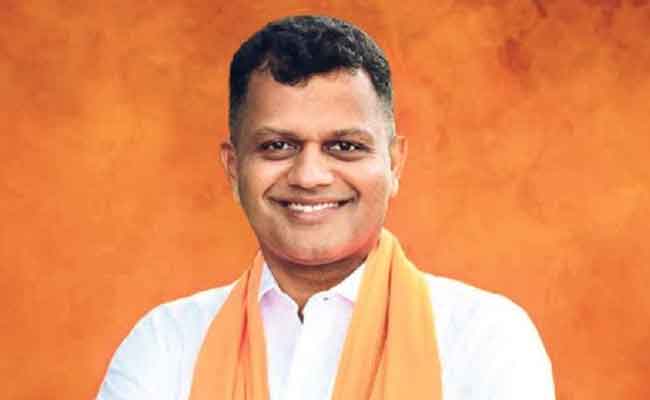
Mangaluru: In the final hours leading up to the Lok Sabha elections in Dakshina Kannada district of Karnataka, a contentious pamphlet circulated by the 'Bunta Brigade' has stirred controversy.
Titled 'Appeal to Bunta voters to ensure victory of Brijesh Chowta of our community', the pamphlet urges members of the Bunta community to rally behind BJP candidate Captain Brijesh Chowta, raising concerns about potential domination by the "Shudra class".
The pamphlet highlights the historical rivalry between the Bunta and Billava communities, with Captain Brijesh Chowta representing the former and Padmaraj Pujari of the Congress representing the latter. The pamphlet speaks about the critical challenge BJP faces in securing votes from the Billava community, traditionally a stronghold of the Congress.
Drawing attention to the perceived threat of Shudra caste rule, the pamphlet questions whether the self-respecting Buntas can tolerate the rule of Shudras. It accuses Janardana Pujari, a former parliamentarian from the Billava community, of diminishing the influence of the Bunta society through his political and business endeavours.
The pamphlet calls for concerted efforts within the Bunta community to ensure the victory of their candidate, emphasising the importance of countering potential vote-buying tactics employed by rival parties.
It urges the Bunta community to mobilise its resources and influence to sway voters towards the BJP, warning against the repercussions of allowing a Shudra candidate to assume power.
The controversial content of the pamphlet has sparked condemnation, with many denouncing its divisive rhetoric and caste-based appeals.
Let the Truth be known. If you read VB and like VB, please be a VB Supporter and Help us deliver the Truth to one and all.
Lebanon appoints new representative for talks with Israel, rejects linkage to Iran
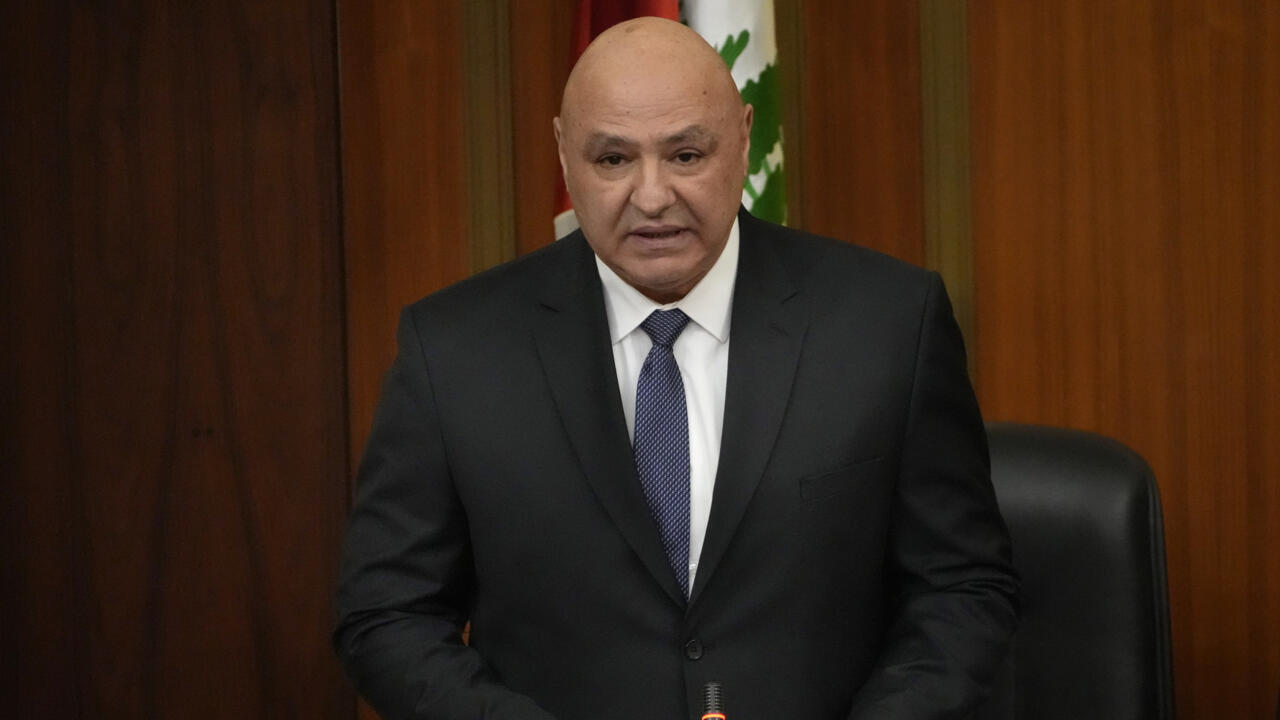
Beirut: Lebanon’s has moved to underline its independent position in ongoing regional developments, amid attempts to link the country to the broader conflict involving Iran, the United States and Israel.
President Joseph Aoun, while announcing the appointment of former US ambassador Simon Karam as Lebanon’s representative in talks with Israel, made it clear that Karam would be the sole representative for Lebanon and that there would be no substitute.
The move comes in response to what the Lebanese officials see as efforts by Iran to tie Lebanon’s situation to the wider regional conflict. Iran had indicated that there would be no ceasefire involving the US, Israel and Iran unless it also included a ceasefire in Lebanon.
Some groups, including Hezbollah and its supporters, had expressed support for linking the situations, citing concerns that the Lebanese government has limited leverage in negotiations with Israel. Lebanon is not formally a party to the conflict, and its army is considered weak.
However, others, including Prime Minister Nawaf Salam, have opposed this approach. They view Iran’s stance as an attempt to influence Lebanon’s internal affairs and see it as undermining the country’s sovereignty.
Officials backing the government’s position say the move is aimed at reaffirming Lebanon’s sovereignty and ensuring that decisions about peace and ceasefire within the country are not dictated externally.
They also see it as a safeguard, so that any breakdown in talks between the US, Israel and Iran does not automatically lead to renewed conflict in Lebanon.