Panambur police arrest accused, rescue abducted minor girl, POCSO Act invoked
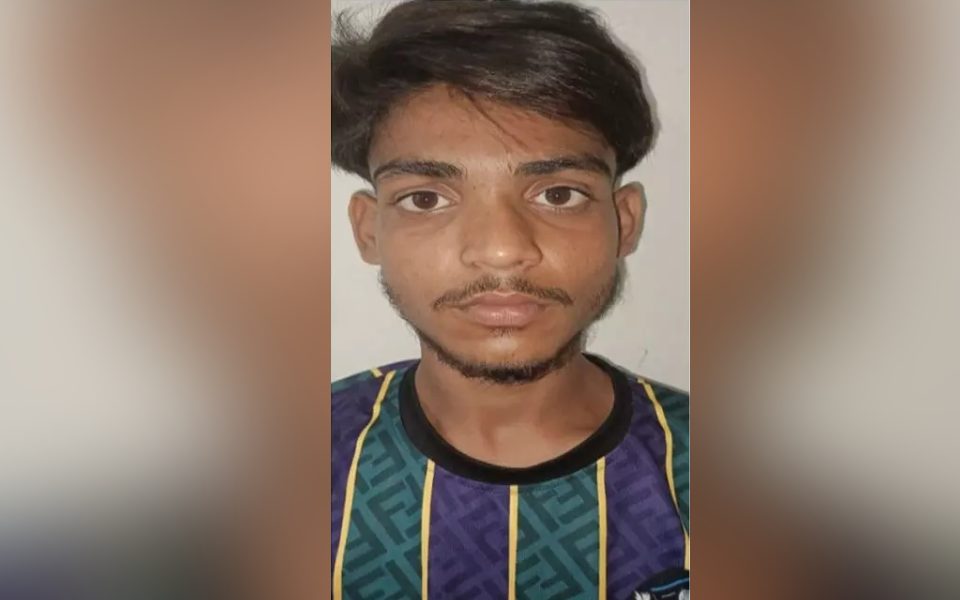
Mangaluru: The case of the abduction of a minor girl, initially reported at the local police station, has taken a new turn as the Panambur police successfully apprehended the accused and rescued the girl.
The police promptly registered a case under the Protection of Children from Sexual Offences (POCSO) Act in response to the alleged incident.
The arrested individual has been identified as Muhammad Sarfaraz, known as Chappu (22), hailing from Kasba Bengre. Acting on a complaint filed by the parents of the girl, the Panambur Police Station took action against the accused, who was accused of both molesting the minor girl and kidnapping her on August 10. This led to a swift operation led by Police Inspector Somashekhar J.P., with his team managing to apprehend both Muhammad Sarfaraz and the abducted girl after hours of determined efforts.
ALSO READ: Two arrested for creating nuisance after consuming Ganja in Bantwal
Authorities have confirmed that a case has been registered against the accused under multiple sections, including IPC Section 303 37 and Section 4 of the POCSO Act, under Police Station No. 03/20. The accused is also facing allegations in a total of eight cases under various sections across police stations in Dakshina Kannada and Udupi districts, including Panambur, Kankanadi, Mangalore North, and Byndoor. Particularly, the accused was reportedly evading the law in a case registered at the Kankanadi Nagar police station AC No. 63/2023 (Section: 457,360 IPC) and the Byndoor police station AC No. 06/2013 (Section: 457,368 IPC).
Let the Truth be known. If you read VB and like VB, please be a VB Supporter and Help us deliver the Truth to one and all.
Trump says he ‘hasn’t even thought about’ continuing Iran ceasefire
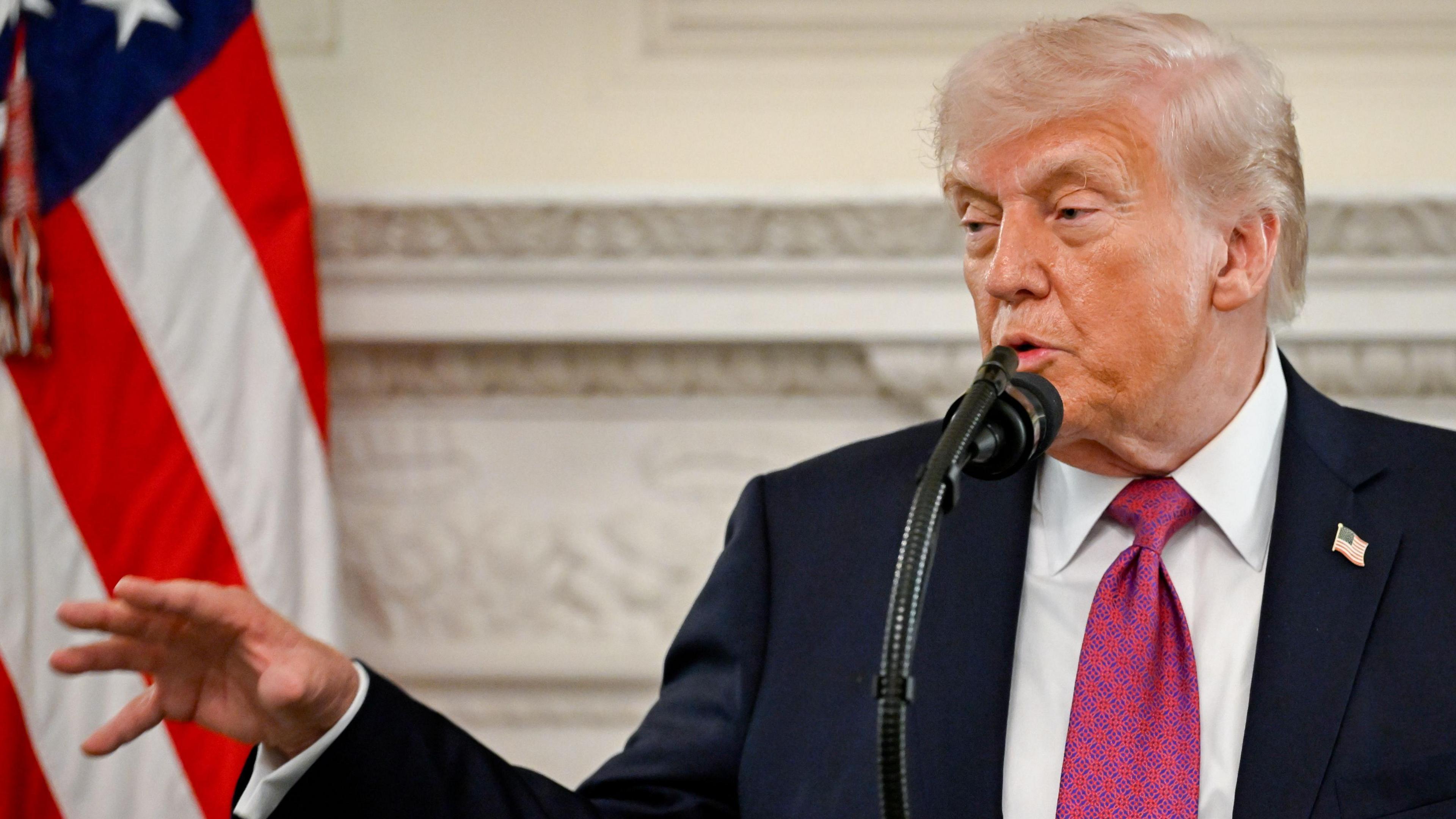
Washington: US President Donald Trump has said he has not yet considered whether he would continue the ceasefire involving Iran, while also claiming the United States holds the advantage in negotiations.
Speaking to reporters, Trump said he was prepared to make a deal with “whoever is running the show” in Iran.
“They are fighting with each other, there’s tremendous infighting. They’re probably fighting for leadership in many cases. I think they’re fighting not to be leader because we knocked out two levels of leaders,” he said.
Trump added, “When they want they can call me. We have all the cards, we’ve won everything.”
Referring to ongoing negotiations, he said, “They gave us a paper that should’ve been better. And, interestingly, immediately when I cancelled it [envoy trip to Pakistan], within 10 minutes we got a new paper that was much better.”
“We talked about they will not have a nuclear weapon, very simple … They offered a lot, but not enough,” he added.
When asked whether he would continue the ceasefire, Trump replied, “I haven’t even thought about it.”
The remarks come as uncertainty remains over the future of the temporary truce and broader negotiations between Washington and Tehran.