Santosh Guruji appeals Bunts community to stop lavishness and glitter of Nagaradhane
World Bunts Convention-2018
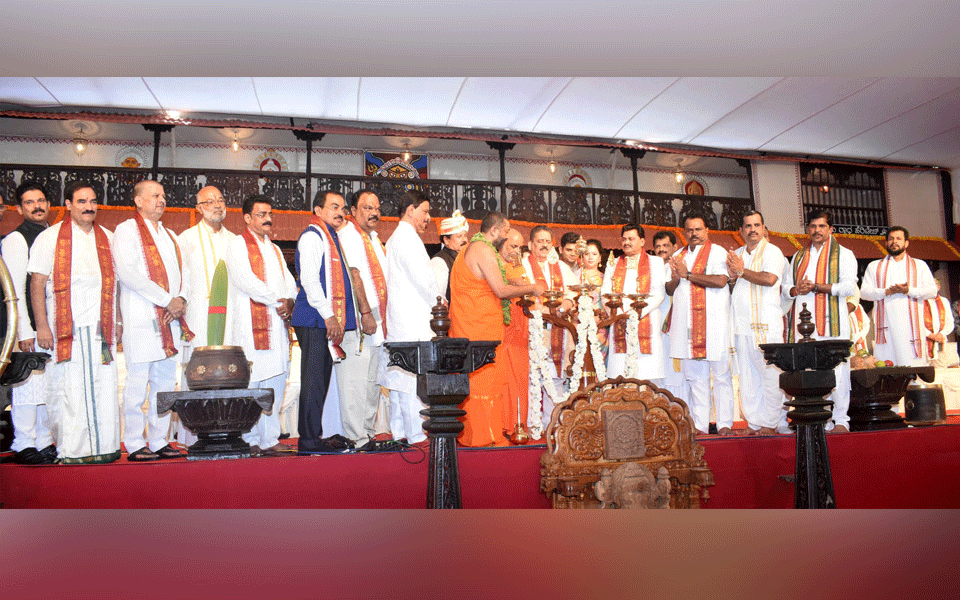
Udupi, September 9: Vishwasantosh Bharati Guruji of Barakur Mahasansthan appealed the bunts community to stop lavishness and squandering of money in the name of Nagaradhane and spend that amount to help the poor in the community.
Speaking at the World Bunts Convention-2018, organized by the Federation of World Bunts Associations and Udupi Bunts Associations, at Ammanni Ramanna Shetty auditorium here on Sunday, the Guruji said that the Bhootaradhane and Nagaradhane of the bunts community were missing the track due to lavishness and squandering of money. The spiritual and religious rituals of the bunts and Tuluvas should be passed on to the next generation. Every community would have the poor and the rich. Each community may have only 10 per cent rich people. The bunts community also has majority of poor and it was the duty of the community to help them, he said.
In the name of Bhootaradhane and Nagaradhane, around Rs 30 crore is being spent in the district. Bunts would spend crores for Nagamandala rituals. The community people should think of minimizing the expenses. They could conduct the rituals in just Rs 9-10 lakh and remaining amount could be contributed to the poor and their health. It would surely give some solace. So, stop lavishness in the Nagamandala, Bhootaradhane and other religious rituals. Conduct marriages in a simple way and live happily without hating anybody in the society, he said.
Gurudevananda Swamiji of Odiyoor Mutt said that “Bunt means organizer or protector. It is another name for self confidence. Bunt is one who lives and let others to live. If we have security for the society, we need to have commitment in the religion. Bunts community is matriarchal dominated society due to which, the community has grown strongly”, he said.
Bunt community was not lagging behind in any sectors. The community should be in the front in social service. Only those who have love could create a healthy society. If the mother tongue is survived, the culture would survive, he said.
Businessman couple Shashirekha Anand Shetty inaugurated the stage. Federation president Aikala Harish Shetty presided over the programme in which, Bunts alias Nadavara Sangha president Ajith Kumar Rai Maladi were the chief guests.
Kaup Leeladhar Shetty of the Reception Committee. Vijay Prasad Shetty, Kolladi Balakrishna Rai, Kadri Navaneeth Shetty, Ashok Pakkala, Dr Roshan Kumar Shetty and others were present.
Felicitation
Seniors and achievers of the bunts community and the two swamijis were felicitated on the occasion. Byndoor Bunts Association president B Jagannath Shetty, Belagavi businessman Vittal Hegde, Basrur former MLA B Appanna Hegde, Mangaluru businessman Sadananda Shetty, writer Erya Lakshminarayan Alva, Yakshagana scholar Shimantur Narayana Shetty, Puna businessman Myna Subbanna Shetty, Dr Vishwanath Shetty, Dr Prabhakar Shetty, Sarvottama Shetty of UAE Bunts Association were felicitated on the occasion.


Let the Truth be known. If you read VB and like VB, please be a VB Supporter and Help us deliver the Truth to one and all.
Patna-bound IndiGo flight makes emergency landing at Lucknow due to bad weather
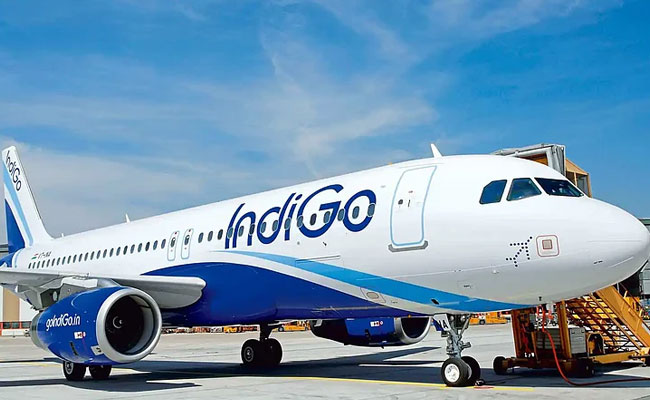
Lucknow (PTI): Adverse weather forced an IndiGo Kolkata-Patna flight to make an emergency landing at Lucknow airport on Friday, airport sources said.
According to airport officials, weather conditions in Patna deteriorated suddenly on Friday afternoon, affecting flight operations.
IndiGo flight 6E 6917 from Kolkata, which was scheduled to land in Patna at 3.50 pm, could not land due to bad weather and kept circling in the air after failing to get clearance from air traffic control, they said.
The flight was later diverted to Lucknow and landed safely at the Chaudhary Charan Singh International Airport at around 5.15 pm. There were 180 passengers and six crew members on board, officials said.
The aircraft was later allowed to depart for Patna after weather conditions improved.