Section of seers in DK oppose state govt decision to repeal anti-conversion, cow slaughter laws
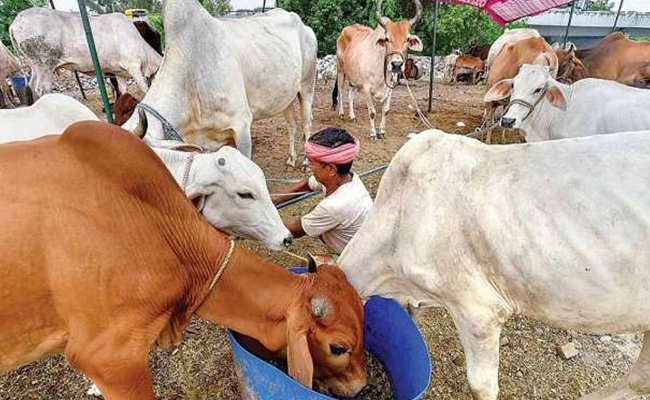
Mangaluru (PTI): Heads of various mutts in Dakshina Kannada district have strongly opposed the decision of the Karnataka government to repeal anti-conversion law and the cow slaughter prevention Act.
The meeting of the seers condemned the recent statements by some ministers on the move to withdraw Karnataka Protection of Right to Freedom of Religion Act and amend Karnataka Prevention of Slaughter and Preservation of Cattle Act, Gurudevananda Swami of Odiyuru Mutt told reporters here on Friday
The seers called upon Chief Minister Siddaramaiah and Deputy Chief Minister D K Shivakumar not to go ahead with any move to change the Acts as it will lead to social unrest in Dakshina Kannada and other districts of Karnataka.
Terming the move as ‘anti-Hindu,’ Gurudevananda Swami said the government should not hurt the sentiments of Hindus. He also threatened that the seers will go on a hunger strike if the government proceeds with the move.
The seers will submit a memorandum to the Governor, Chief Minister, and Deputy Chief Minister urging them not to repeal the laws.
Vajradehi mutt chief Rajashekarananda Swami said they will also take a legal path if the anti-conversion law is repealed or changes are made to the cow slaughter Act. He also asked the police not to victimise Hindu activists by raking up old cases of ‘moral policing’ using the new anti-communal wing of the force.
The heads of 10 mutts in Dakshina Kannada district took part in the meeting. The state government had in June said that it will introduce a bill to repeal the anti-conversion law in the legislature session, which starts on July 3.
Let the Truth be known. If you read VB and like VB, please be a VB Supporter and Help us deliver the Truth to one and all.
Trump says suspect was armed with multiple weapons at WH correspondents' dinner
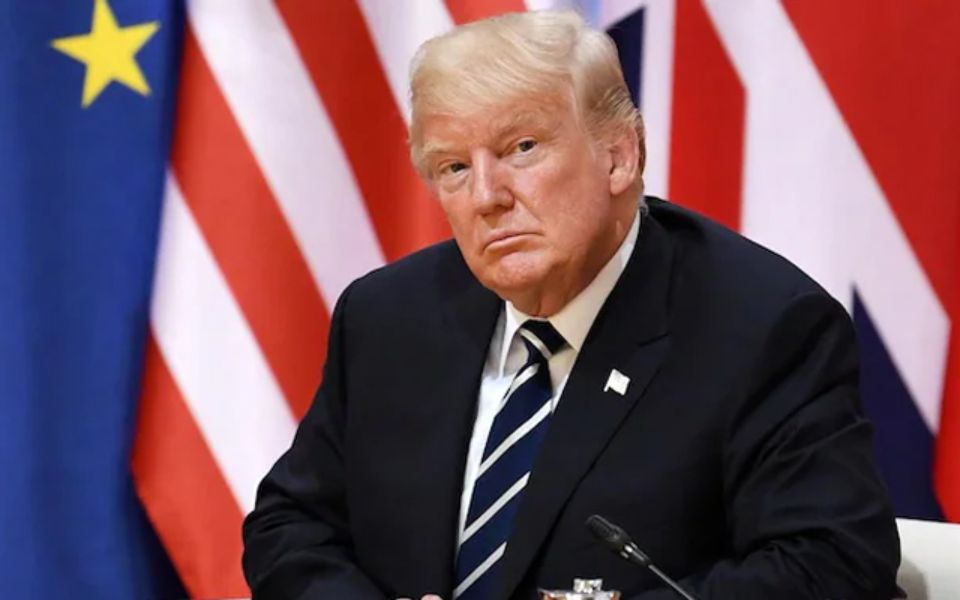
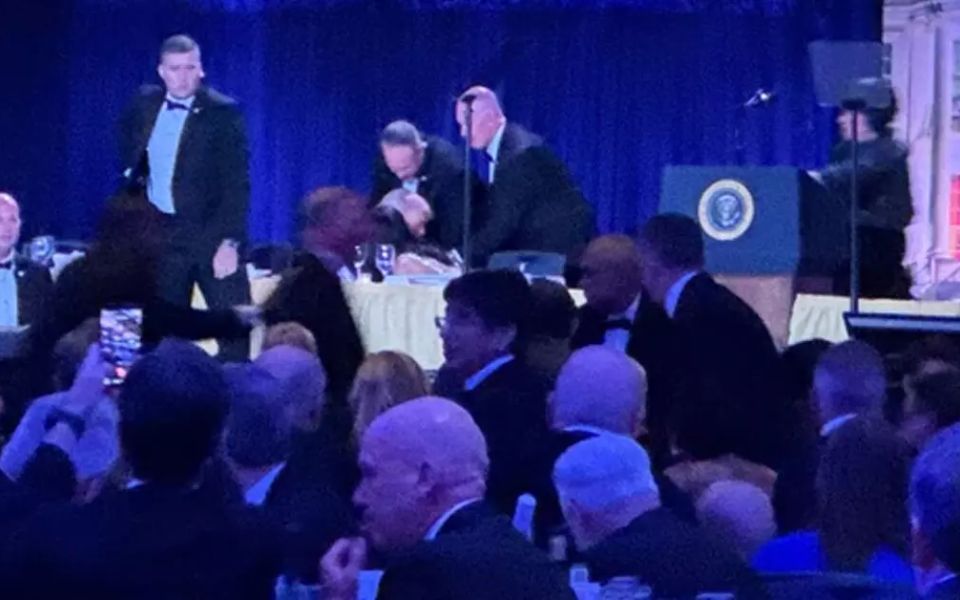
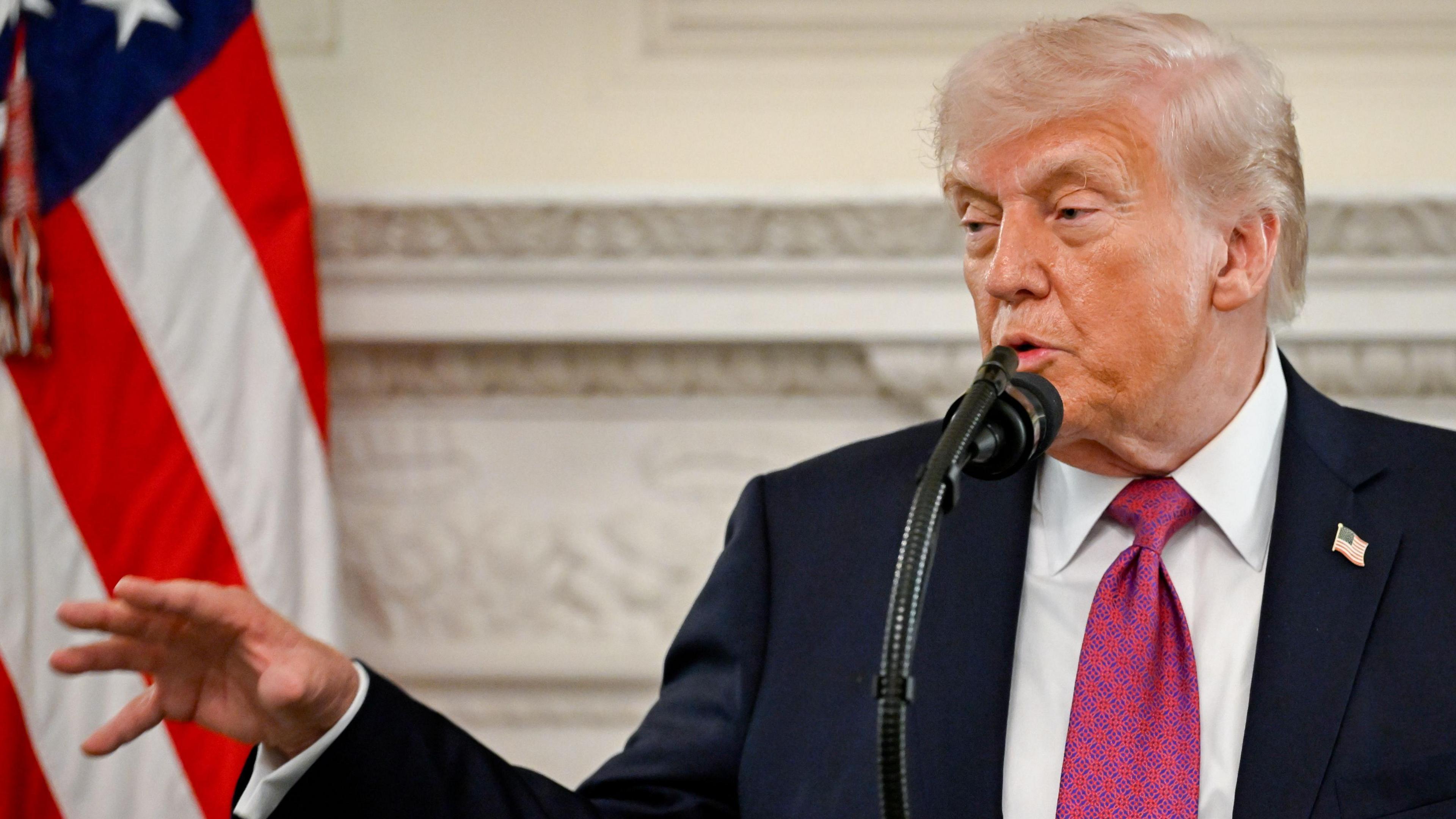
Washington (PTI): President Donald Trump is addressing reporters at the White House after he and other top leaders of the United States were evacuated from an annual dinner of White House correspondents on Saturday night after a shooting incident outside the ballroom.
Trump said the suspect was armed with multiple weapons before stopped by Secret Service. One officer was shot, but he was protected by a bulletproof vest.
“He was shot from very close distance with a very powerful gun, and the vest did the job,” Trump said.