Serial killer 'cyanide' Mohan convicted in 16th murder case
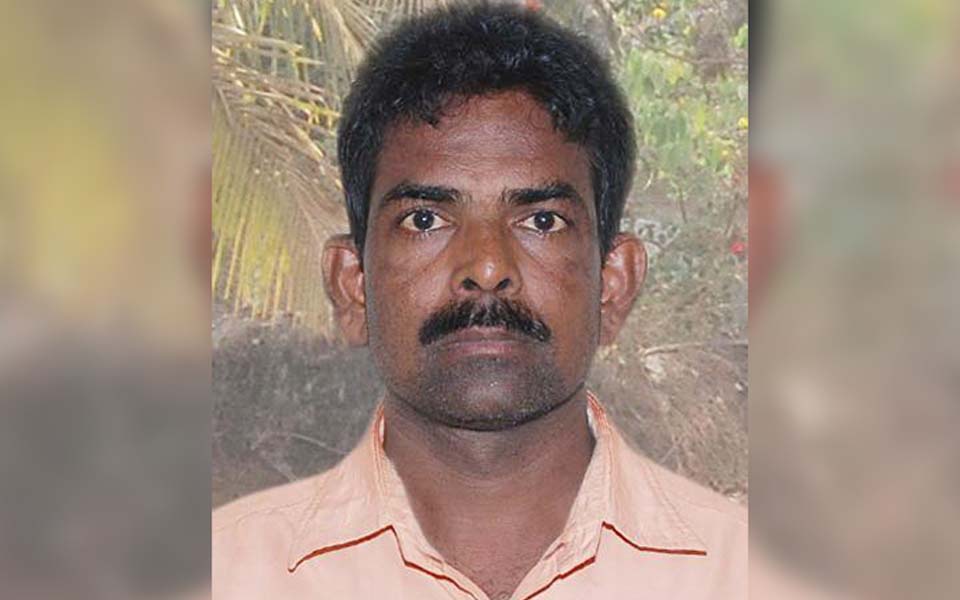
Mangaluru, Sep 22: "Cyanide" Mohan, a serial killer who has murdered several women using the deadly chemical after befriending and raping them, has been convicted of killing another woman a music teacher in Karnataka, taking the total number of his convictions to 16.
Mohan, who has previously been convicted of killing women in public toilets by giving them cyanide capsules, murdered the 33-year-old woman after raping her at a lodge in Bengaluru in May 2007, the prosecution told the Mangaluru district and sessions court.
The woman hailed from Uppala in Kasaragod district of Kerala.
The serial killer had introduced himself to her as Sudhakar Acharya, an employee of the forest department. He gave her a poisonous capsule, telling her it was a contraceptive.
He has used the same modus operandi in all the 20 cases against him, the prosecution submitted to the court.
Judge Sayeedunnisa pronounced Mohan guilty on Friday under various sections of the Indian Penal Code relating to murder, robbery and punishment for cheating and others, after examining 38 witnesses and 49 exhibits.
The quantum of punishment would be pronounced on September 25.
This was the 16th case in which Mohan has been convicted.
He had been accused of killing a number of women between 2003 and 2009 and had been sentenced to death in three cases and to life imprisonment in others.
In 2017, the Karnataka High Court commuted the capital punishment awarded in one of the cases to life imprisonment till death.
Let the Truth be known. If you read VB and like VB, please be a VB Supporter and Help us deliver the Truth to one and all.
AIITA welcomes Karnataka’s ban on obscene songs in school events

Bhatkal: The Karnataka unit of the All India Ideal Teachers Association (AIITA) has welcomed the Karnataka government’s decision to strictly ban school children from dancing to obscene songs during educational and cultural programmes in government, aided, and private schools across the state.
AIITA Karnataka State President M. R. Manvi congratulated the government for taking what he termed an important step to preserve the sanctity of education.
“Such decisions to safeguard the dignity of school children and uphold the values of education are the need of the hour. This rule should not be limited to government schools alone but must be strictly implemented in all private educational institutions as well,” he said.
He further urged the government to address other concerns within school programmes.
“The government should not only prohibit obscene dances in the name of school anniversaries, but also ensure that plays and dialogues that incite religious hatred are avoided. Schools should be centres of harmony, not platforms for spreading hatred,” he added.
According to a recent circular issued by the Department of School Education and Literacy, obscene dances are adversely affecting the mental health and moral values of students.
In this regard, schools have been advised to use songs that promote nationalism, positive thinking, the greatness of Kannada culture, and value-based traditions instead of inappropriate content during programmes.
The circular also emphasises that students should be dressed in decent attire.
AIITA also backed the department’s warning that disciplinary action would be taken against head teachers if such guidelines are violated. The association has further demanded that district Deputy Directors of Public Instruction strictly monitor the implementation of these rules.