Shakti scheme of Karnataka government affecting state-run transport corporations: Ex-CM Bommai
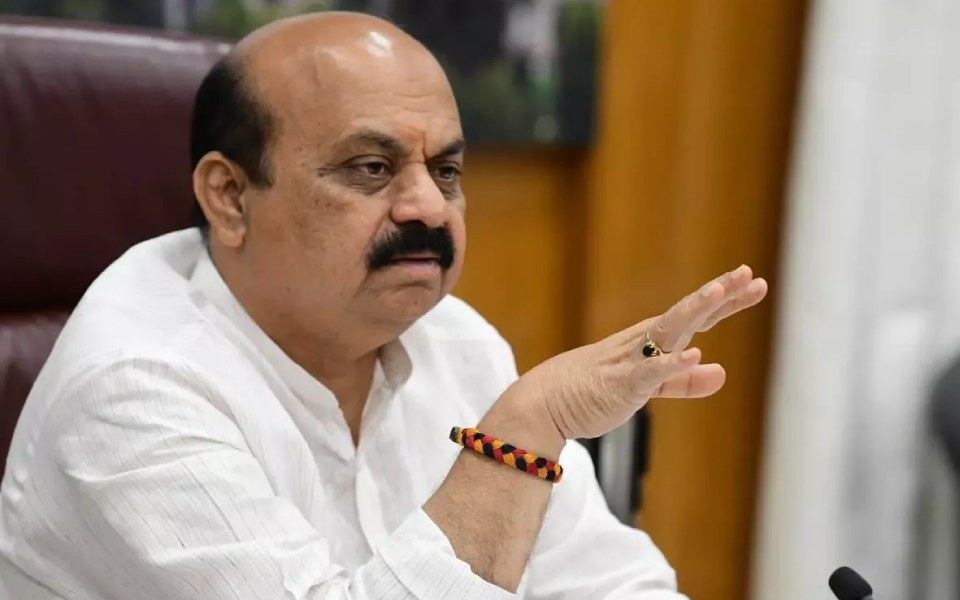
Mangaluru: Former Karnataka Chief Minister Basavaraj Bommai expressed concern over the insufficient grant released by the state government for the implementation of the Shakti scheme, which aims to benefit women through state-run transport corporations.
In a tweet directed at Transport Minister Ramalinga Reddy on Thursday, Bommai highlighted the financial challenges faced by the transport corporations due to the inadequate funding.
According to Bommai, the Transport Department had allocated Rs. 250 crore to four transport corporations to support the Shakti Yojana, which allowed women in the state to travel free on buses operated by the transport corporations for 20 days in June. However, on August 1, Reddy released only Rs. 125 crore to reimburse the travel expenses incurred during the scheme.
Bommai emphasized that the grant provided by the government falls far short of the actual demand of the state-run transport corporations, which were already struggling with financial losses. The inadequate funding would further hamper their ability to pay salaries to staff members, maintain the buses, and cover the expenses of purchasing diesel for the operations.
In a personal message to Reddy, Bommai stated that he was not resorting to politics by misleading the people of the state. He claimed to have fulfilled his responsibility by conveying the truth to the people after thoroughly assessing the orders of the Transport Department.
ಸಾರಿಗೆ ಸಚಿವರಾದ ಶ್ರೀ ರಾಮಲಿಂಗಾರೆಡ್ಡಿಯವರೇ ಶಕ್ತಿ ಯೋಜನೆ ಅಡಿ ರಾಜ್ಯದಲ್ಲಿ ಮಹಿಳೆಯರು ಸಾರಿಗೆ ನಿಗಮದ ಬಸ್ ಗಳಲ್ಲಿ ಜೂನ್ ತಿಂಗಳಲ್ಲಿ 20 ದಿನ ಉಚಿತ ಪ್ರಯಾಣ ಮಾಡಿರುವುದರಿಂದ ನಾಲ್ಕು ಸಾರಿಗೆ ನಿಗಮಗಳಿಗೆ 250 ಕೋಟಿ ರೂ. ವೆಚ್ಚವಾಗಿದ್ದು, ಪ್ರಯಾಣ ವೆಚ್ಚದ ಮರು ಪಾವತಿ ಮಾಡಲು ನಾಲ್ಕೂ ನಿಗಮಗಳಿಗೆ ಆಗಸ್ಟ್ 1 ರಂದು 125 ಕೋಟಿ ಬಿಡುಗಡೆ…
— Basavaraj S Bommai (@BSBommai) August 3, 2023
Let the Truth be known. If you read VB and like VB, please be a VB Supporter and Help us deliver the Truth to one and all.
Trump says he ‘hasn’t even thought about’ continuing Iran ceasefire
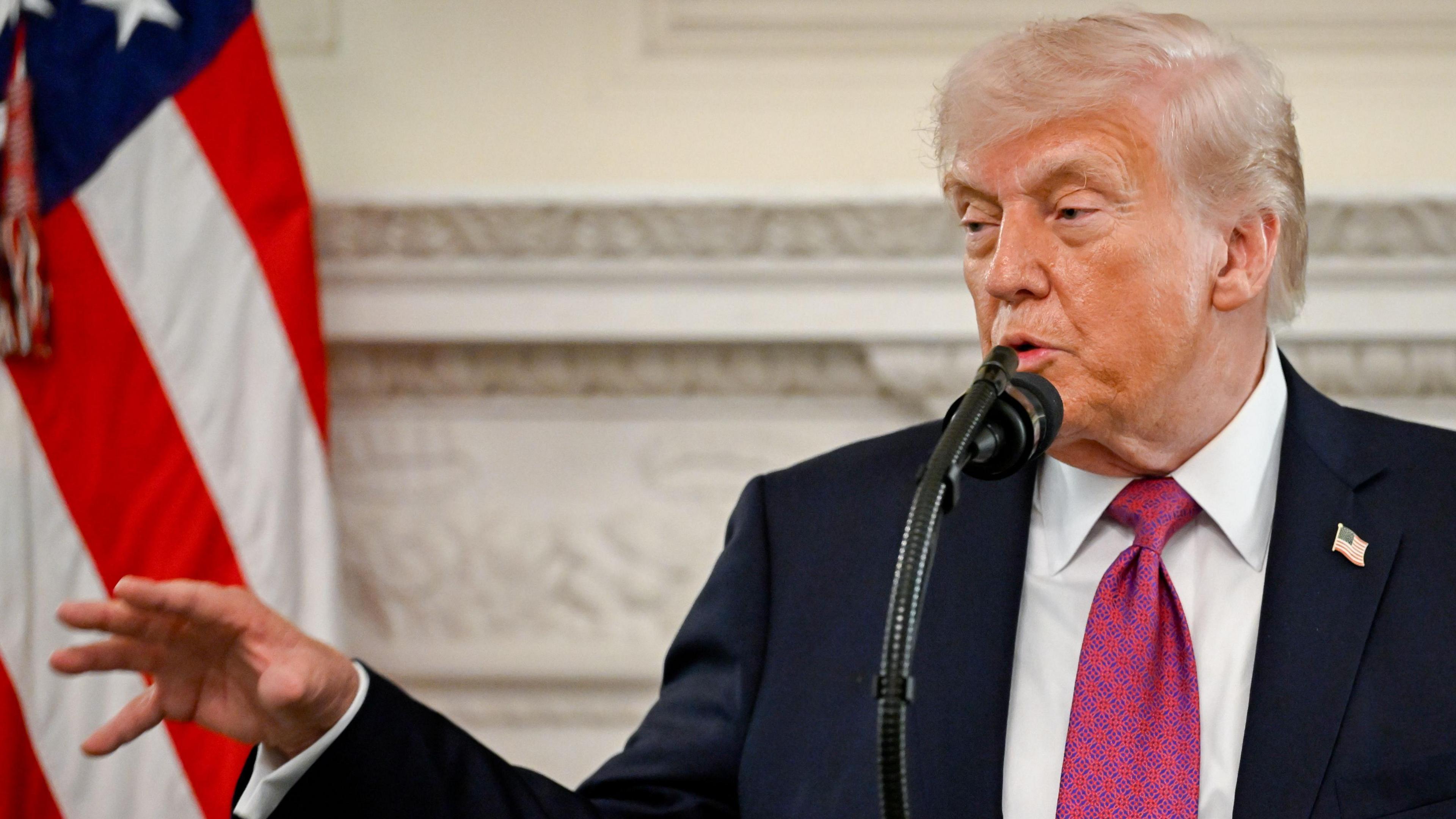
Washington: US President Donald Trump has said he has not yet considered whether he would continue the ceasefire involving Iran, while also claiming the United States holds the advantage in negotiations.
Speaking to reporters, Trump said he was prepared to make a deal with “whoever is running the show” in Iran.
“They are fighting with each other, there’s tremendous infighting. They’re probably fighting for leadership in many cases. I think they’re fighting not to be leader because we knocked out two levels of leaders,” he said.
Trump added, “When they want they can call me. We have all the cards, we’ve won everything.”
Referring to ongoing negotiations, he said, “They gave us a paper that should’ve been better. And, interestingly, immediately when I cancelled it [envoy trip to Pakistan], within 10 minutes we got a new paper that was much better.”
“We talked about they will not have a nuclear weapon, very simple … They offered a lot, but not enough,” he added.
When asked whether he would continue the ceasefire, Trump replied, “I haven’t even thought about it.”
The remarks come as uncertainty remains over the future of the temporary truce and broader negotiations between Washington and Tehran.