Social media platforms in India have seen stark political shift post 2014: Mohammed Zubair in M'luru
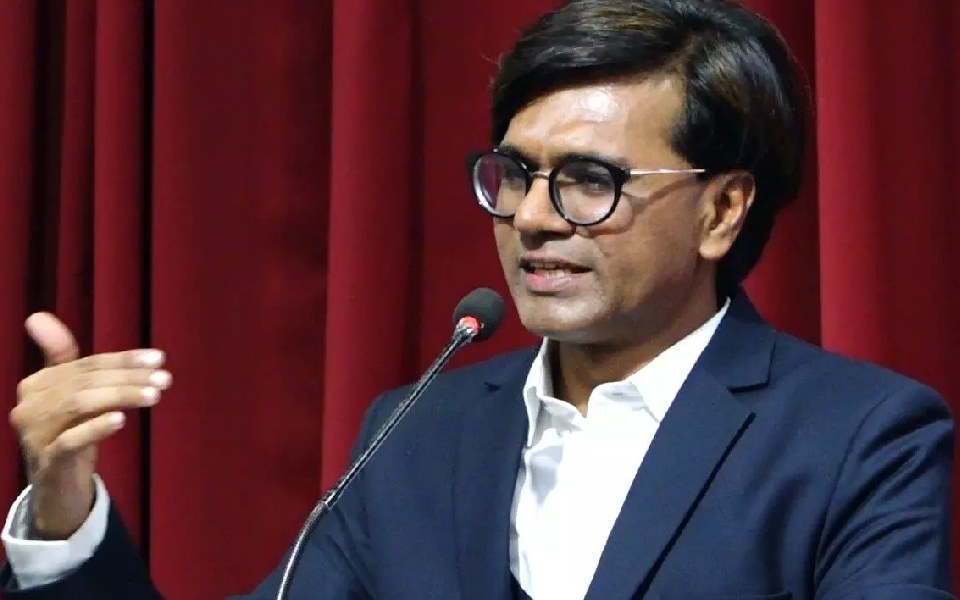
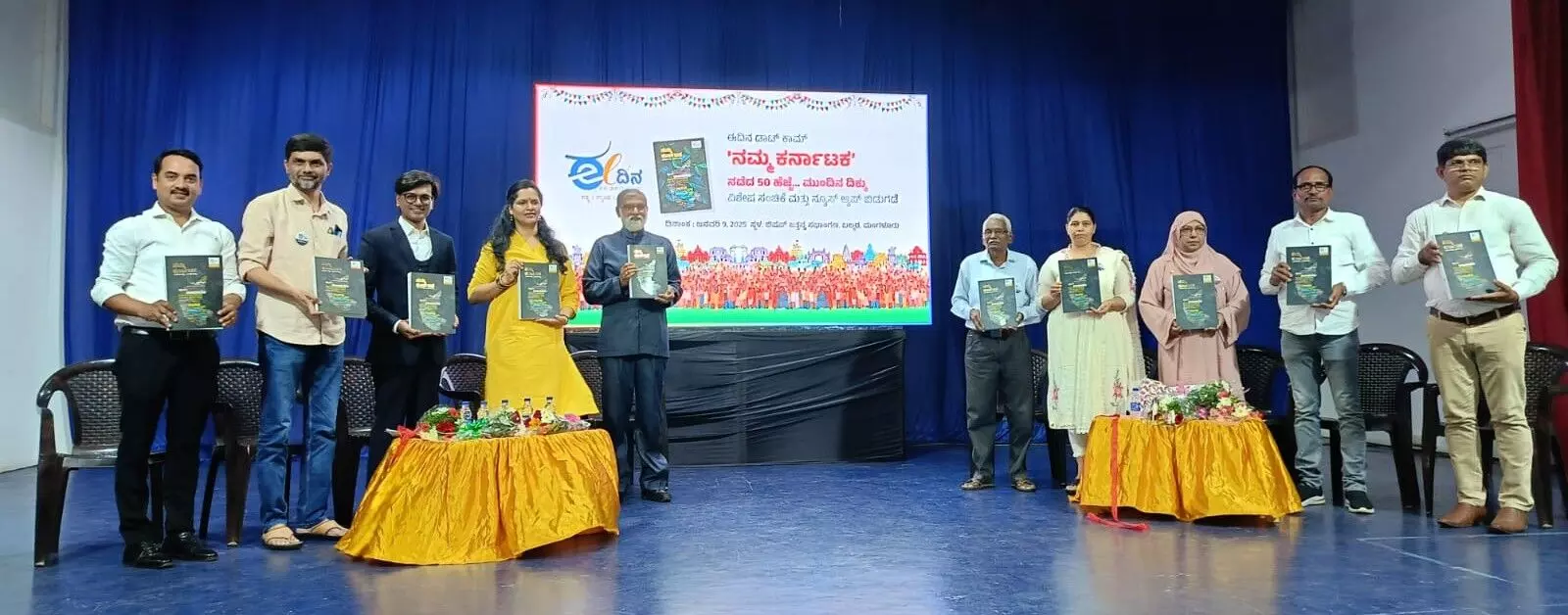
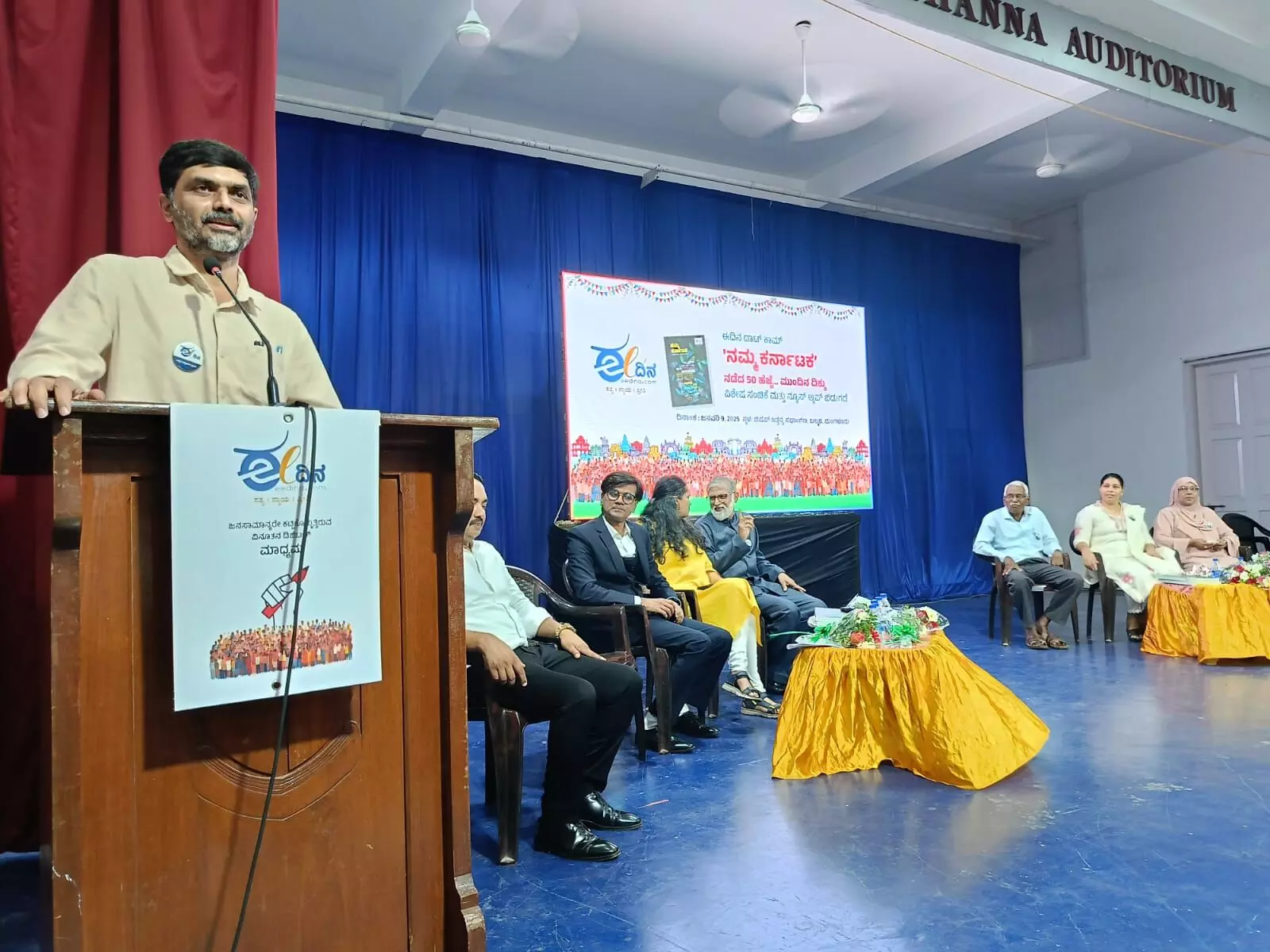
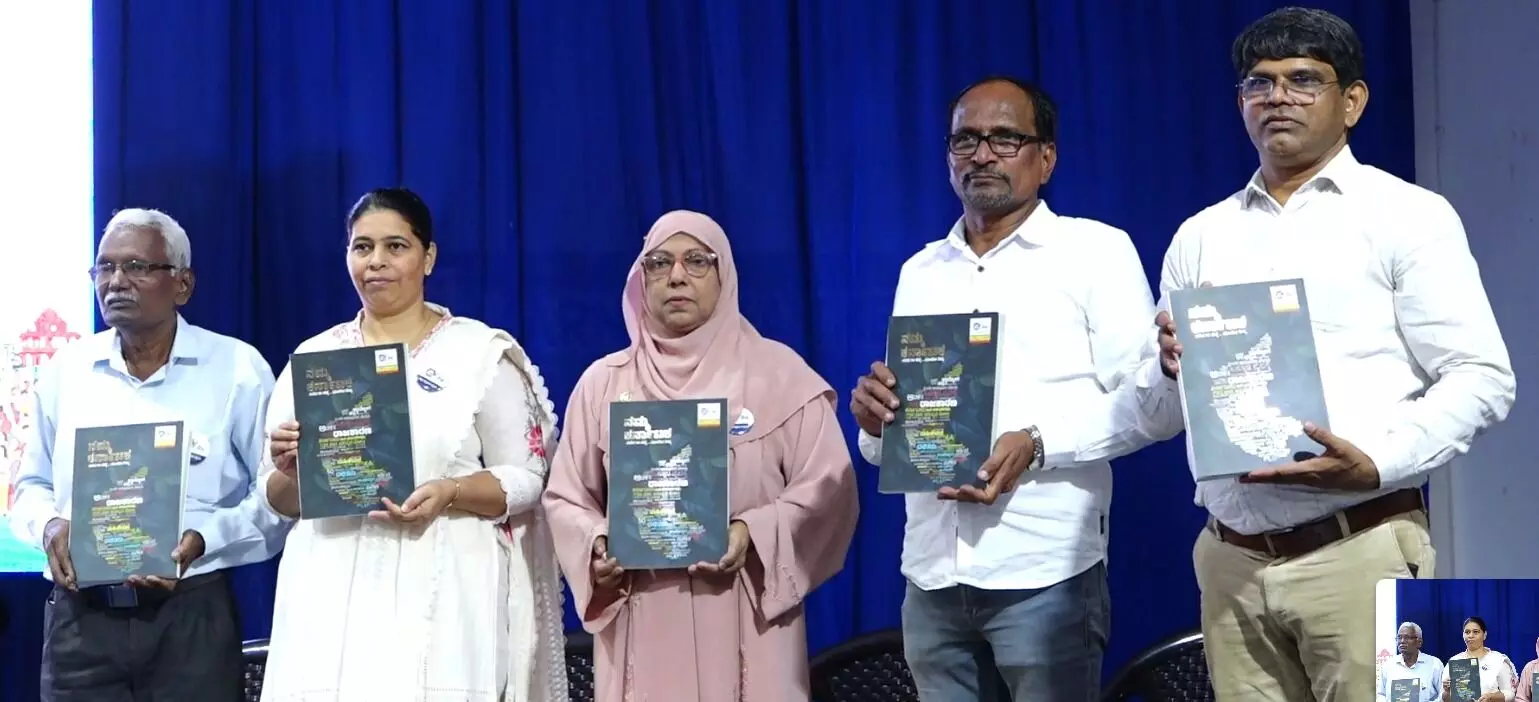
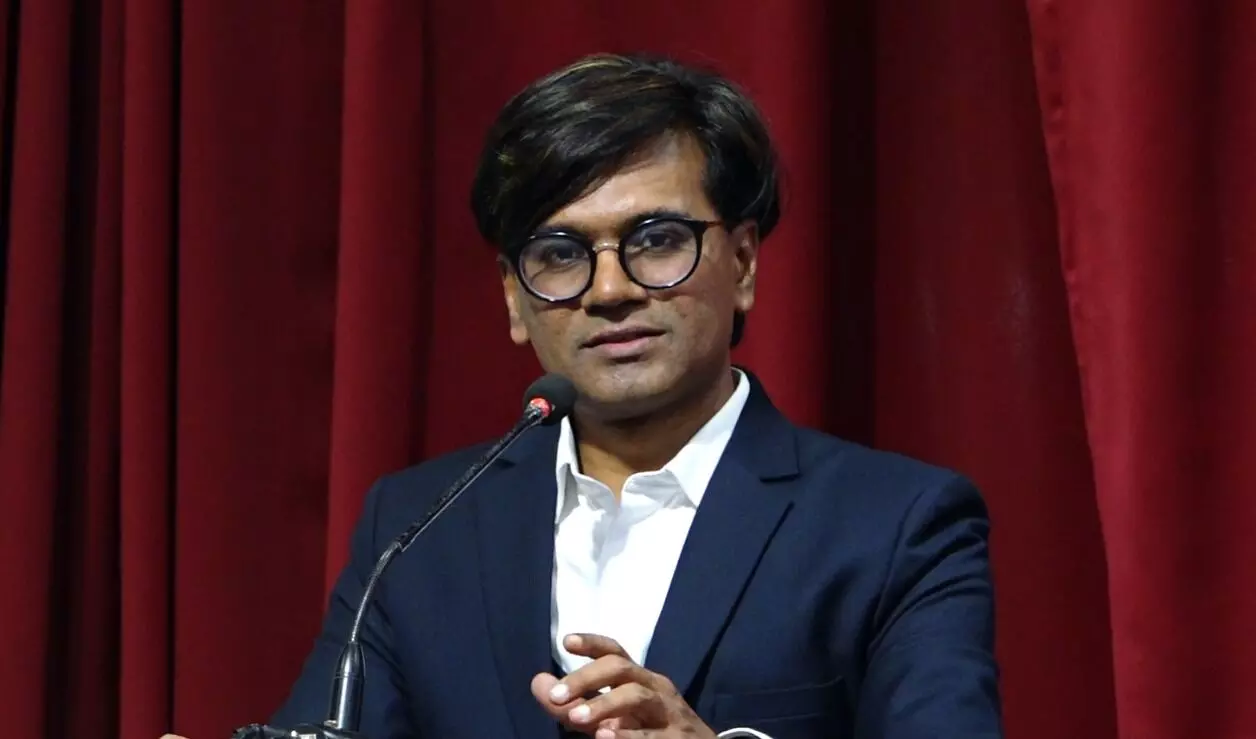
Mangaluru: Mohammed Zubair, the prominent fact-checker and co-founder of Alt News, highlighted the changing dynamics of media and social media narratives during a special event held at the Bishop Jathanna Auditorium here on Thursday. Zubair was the chief guest at the release of the special edition magazine of Eedina.com, where he shared his insights into the evolving political landscape and media discourse in India.
Zubair pointed out a stark shift in the behavior of social media platforms since 2014, when the BJP came to power. He observed that many pages and handles, which were once critical of the government, started praising it after the political change. He remarked that this transformation in tone and approach was a significant indicator of the influence of political power on digital platforms.
Sharing his personal journey, Zubair recounted how his frustration with the system and the visible shifts in political narratives on social media led him to transition from being a full-time software engineer to becoming a fact-checker.
He was critical of the mainstream media, accusing it of selectively reporting news to favor the ruling party. According to Zubair, media houses often pick positive stories from BJP-ruled states to portray the government in a good light, while any criticism is directed at states governed by opposition parties. He also highlighted how certain news stories are framed to target minorities or marginalized communities such as Dalits and SC/STs, creating divisive narratives.
Zubair went on to accuse many mainstream media outlets and anchors of being agenda-driven. He claimed that their coverage often serves to divert public attention from pressing issues and works to safeguard the interests of the BJP government.
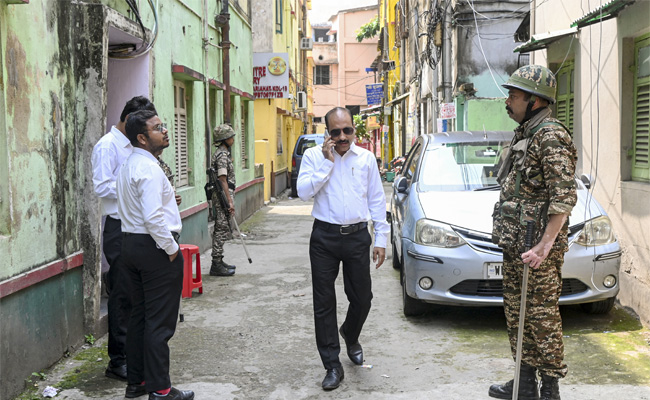
He cited the recent incident at RG Kar Medical College and Hospital in West Bengal as an example. Zubair explained how misinformation and communal narratives were widely circulated across media platforms to politicize the tragedy, targeting the Trinamool Congress (TMC) and Chief Minister Mamata Banerjee.
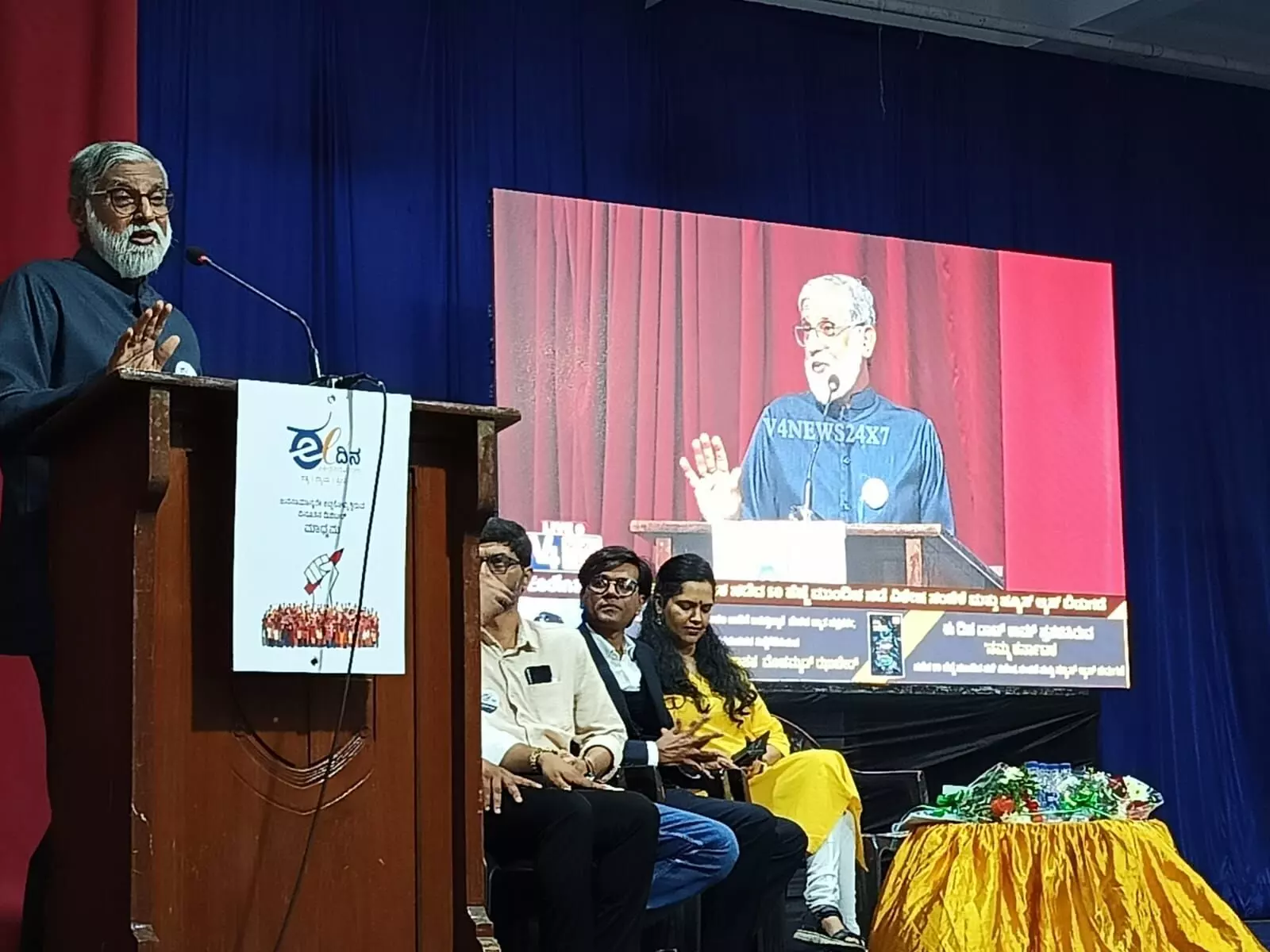
During his speech, Zubair stressed the urgent need for more independent media houses to counter biased reporting and provide a platform for balanced and accurate news.
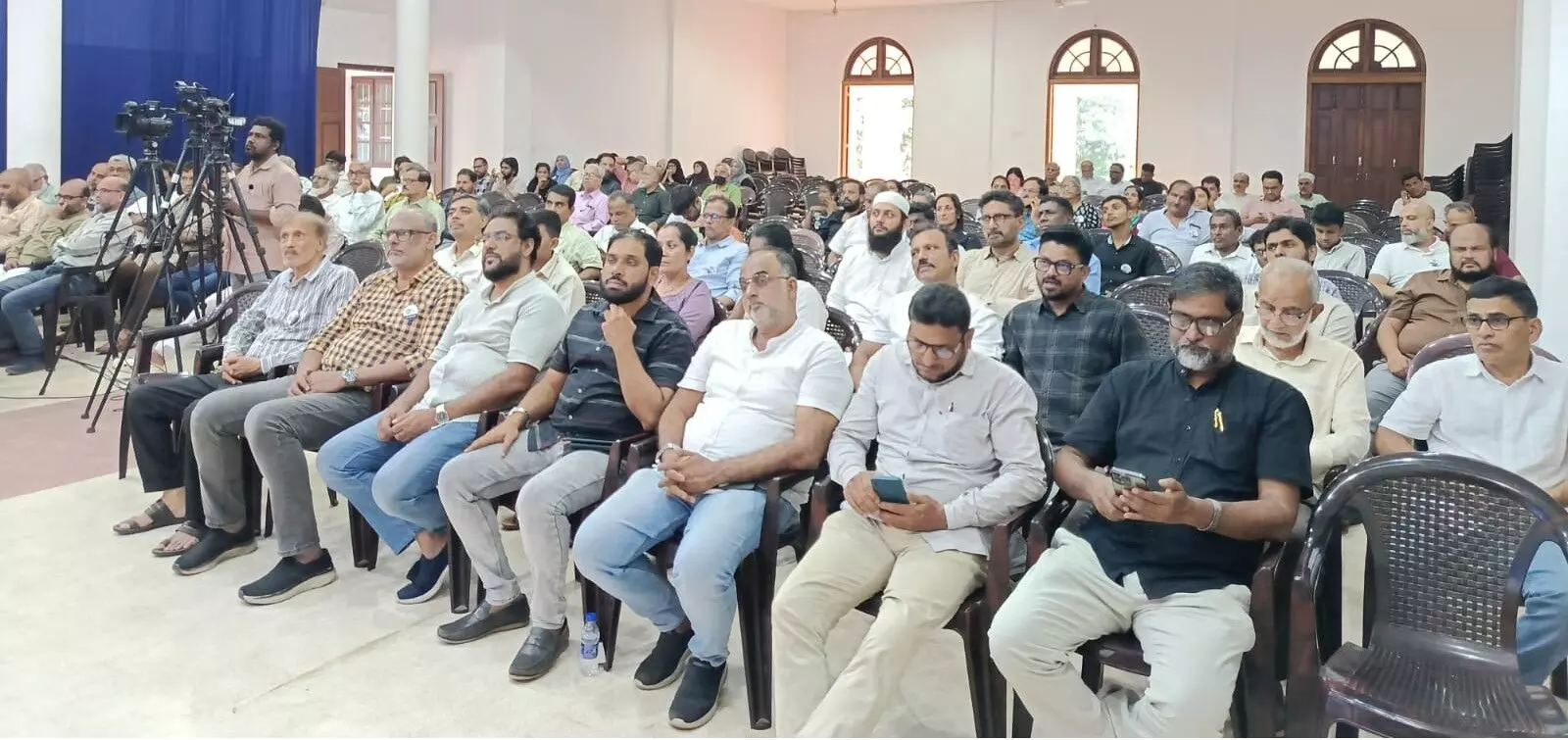
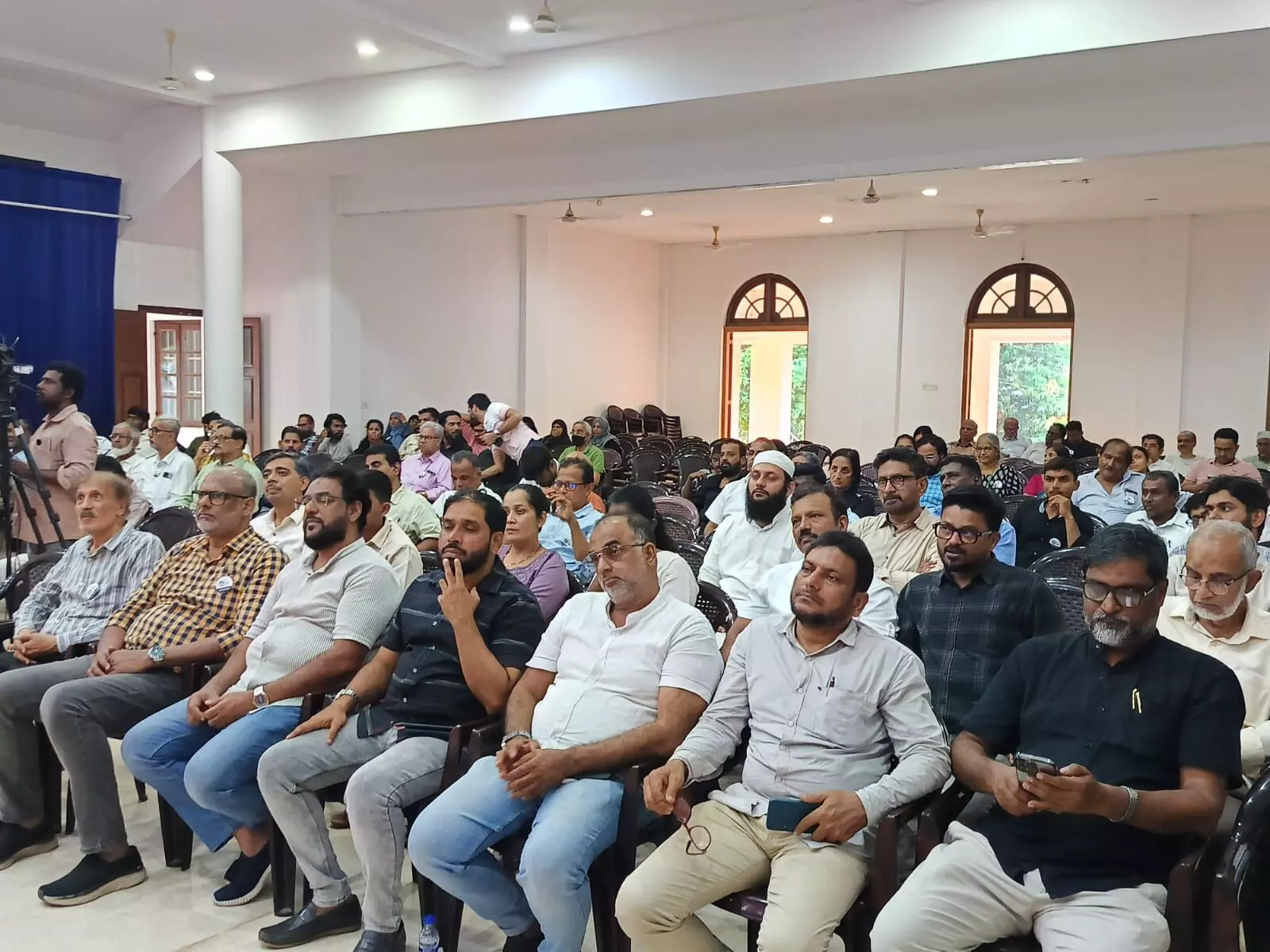
The event concluded with an interactive session, where Zubair engaged with the audience, answering questions on the state of both mainstream and independent media.
Dr. HM Watson, Principal of Karnataka Theological College launched the mobile app of Eedina.com during the event.
Dr. Vasu HV presided over the program and delivered the presidential address. The event was attended by several prominent individuals, including M. Devdas of the Karnataka Dalit Sangarsh Samiti, social activist Vidya Dinkar, Shahnaz M of Anupama magazine, Jacinta Pereira of the Deeds organization, Laxman Kundar, and Dr. HM Watson.
Let the Truth be known. If you read VB and like VB, please be a VB Supporter and Help us deliver the Truth to one and all.
SC issues pan-India directions for road safety, says expressways should not become corridor of peril
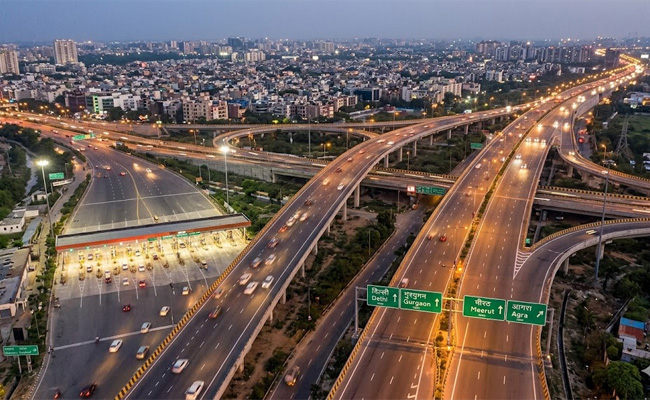
New Delhi (PTI): Observing that expressways must not become corridors of peril due to administrative lethargy or infrastructural gaps, the Supreme Court has issued a slew of pan-India guidelines for enhancing road safety, including a ban on parking of heavy vehicles on such roads.
A bench of Justices JK Maheshwari and AS Chandurkar pointed out that national highways constitute two percent of India’s total road length but account for nearly 30 percent of all road fatalities.
A bench of Justices JK Maheshwari and AS Chandurkar issued directions to the Ministry of Road and Transport, National Highways Authority of India (NHAI) and States and Union Territories to make roads safer, observing that the loss of even a single life to avoidable hazards like illegal parking or blackspots etc., represents a failure of the State’s protective umbrella.
"The loss of even a single life to avoidable hazards like illegal parking or blackspots etc., represents a failure of the State's protective umbrella. The 'Right to Life' enshrined under Article 21 of the Constitution of India is not merely a guarantee against the unlawful taking of life, but a positive mandate upon the State to ensure a safe environment where human life is preserved and valued," the top court said in its order of April 13.
It passed the order in a suo motu case registered in the aftermath of the loss of 34 lives in successive road accidents on November 2 and 3, 2025, in Phalodi in Rajasthan, and Rangareddy in Telangana on the systemic negligence and catastrophic infrastructure failures that led to these inevitable casualties.
The bench, which issued pan-India directions said, “Recognising the safety of the commuter as an integral facet of the right to live with dignity as a constitutional obligation under Article 21 of Constitution of India, it is necessary in the interest to address the systematic root causes that these interim directions are issued in exercise of powers under Article 142 of the Constitution of India.”
ALSO READ: Fire breaks out in Faridabad's Mujesar Industrial Area, no causalities
The bench said the court reiterates that no pecuniary or administrative constraint can outweigh the sanctity of human life, and the strict timelines provided herein reflect the urgency of this constitutional obligation.
It directed no heavy or commercial vehicle shall park/stop on any national highway carriageway or paved shoulder except at a designated bay, lay-bye, or wayside amenity.
It said enforcement of the direction shall be effected through the Advanced Traffic Management System – ATMS real-time alerts to State Police, GPS – timestamped photographic evidence, and integrated eChallan generation.
"These directions must be complied with by the officials and personnel of National Highway Authority of India, state police, state transport department. The district magistrates of the concerned districts shall set-up a standard operating procedure for this purpose as regards periodical inspections and patrolling by all these authorities. These directions must be complied within 60 days from the date of this order," it said.
One of the important directions included prohibition with immediate effect on construction/operation of any new dhaba, eatery, or commercial structure within the Right of Way (ROW) of any national highway.
"District magistrates shall enforce demolition/removal of all new or existing unauthorised structures within 60 days, in terms of the CNH Act procedure and SOP dated August 7, 2025," the bench directed.
It said no department, authority, or local body shall grant or renew any licence, NOC, or trade approval for any site within highway safety zones without prior NHAI/PWD clearance and all such existing licences for such sites shall be reviewed within 30 days.
The bench further directed, "In every district wherever the national highway passes through, the concerned district magistrate within 15 days of this order constitute a district highway safety task force in every district across India within seven days of this order, comprising officers of the district administration, police, NHAI (or concerned land-owning agency), PWD, and local bodies."
Similarly, it further directed surveillance, patrolling and illegal parking surveillance of national highways, operationalisation of Advanced Traffic Management System – ATMS comprising cameras, speed detectors, emergency response and wayside amenities, construction of truck lay-bye facilities, accident blackspots and lighting and institutional co-ordination, reporting and road safety committee.
It directed MoRTH to file a compliance report after seeking data from different states and agencies before this court within 75 days from the date of uploading of this order.
"The respective authorities may take appropriate steps to coordinate with and facilitate all stakeholders for the purpose of carrying out the directions passed by this court. It is further made clear that, in case there are issues regarding compliance, the parties are at liberty to approach this Court," the bench said, as it has posted the matter for compliance after two months.
On December 15, last year, the top court mulled formulating pan-India guidelines to prevent road accidents on expressways and national highways.