Starting educational institution is true patriotism: UT Khader lauds Masood Group of Institutions
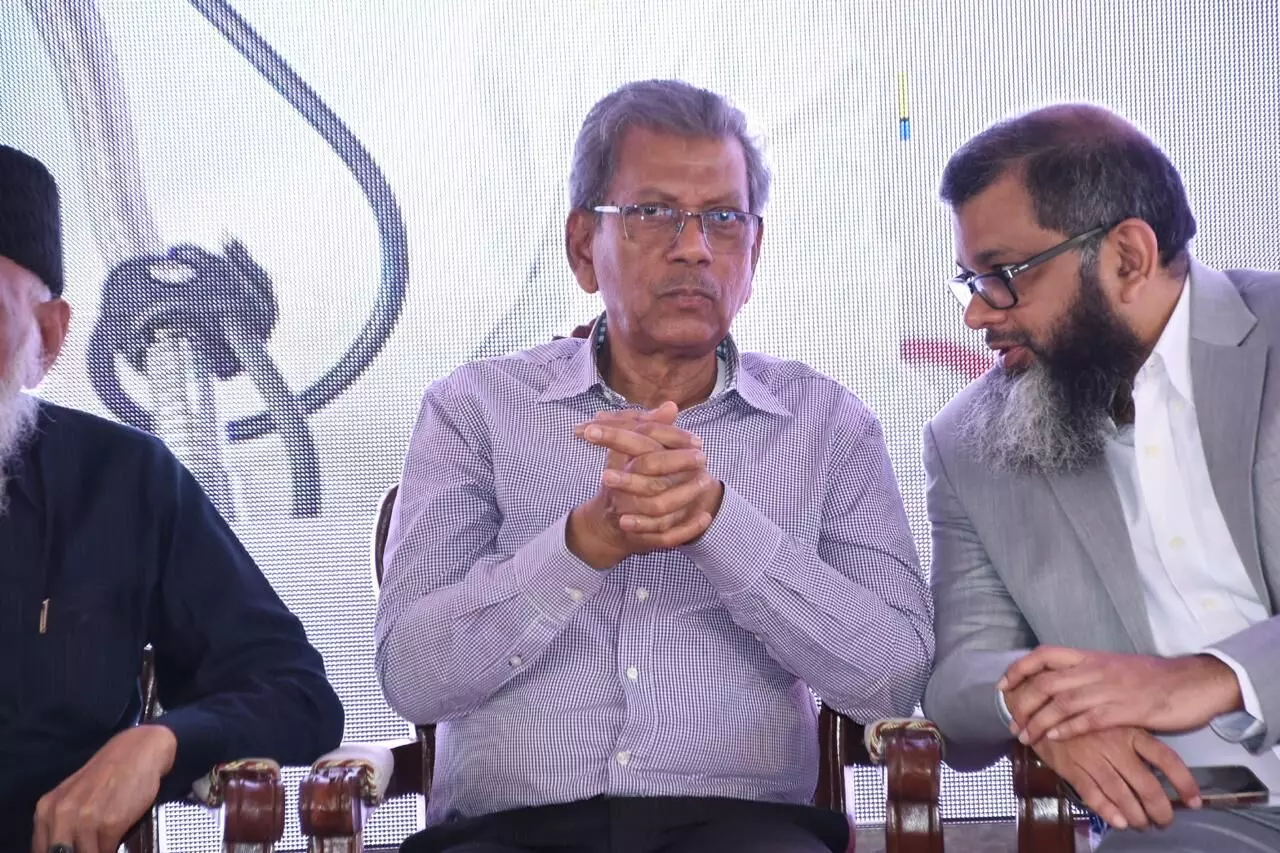
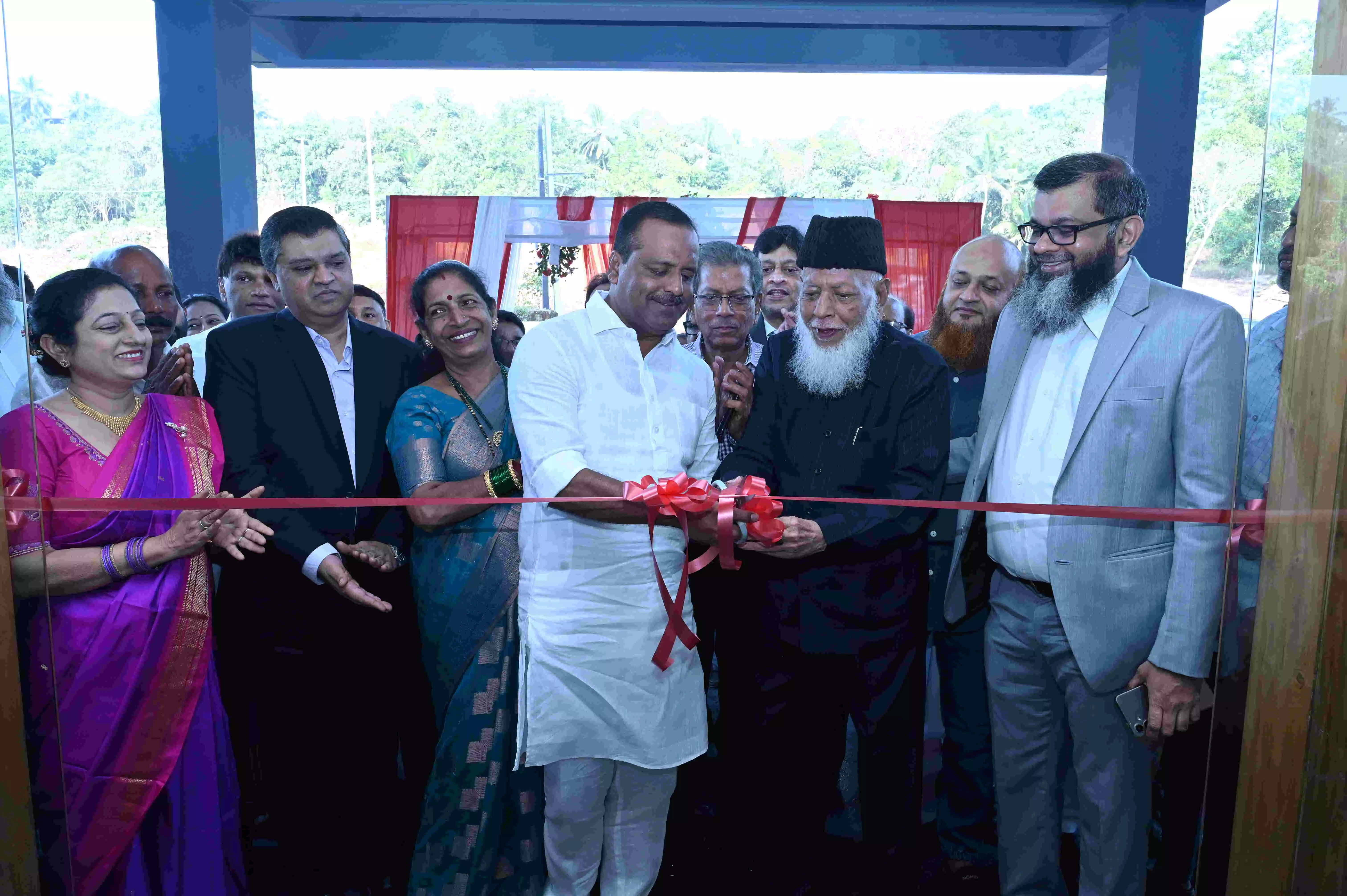
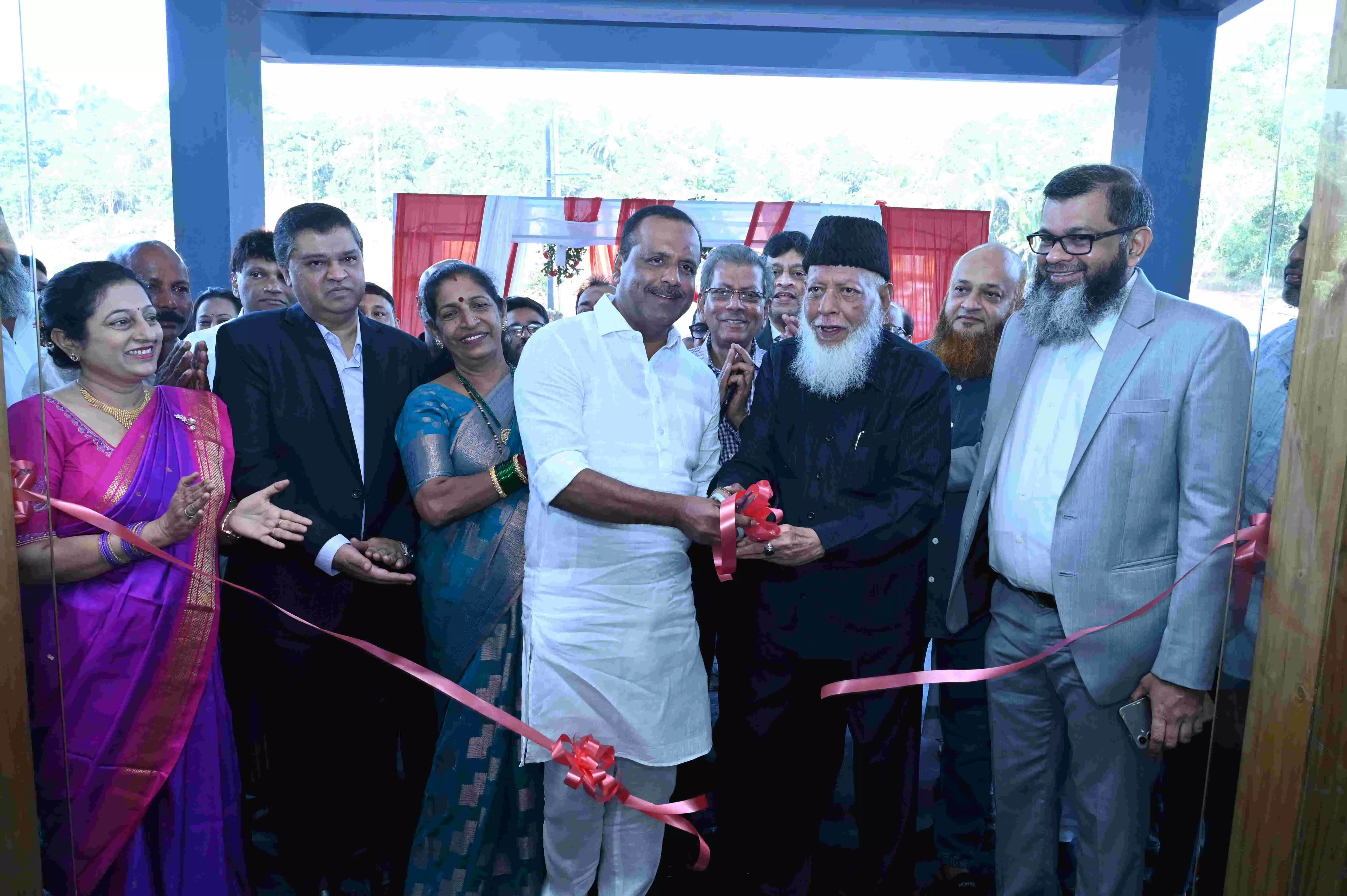
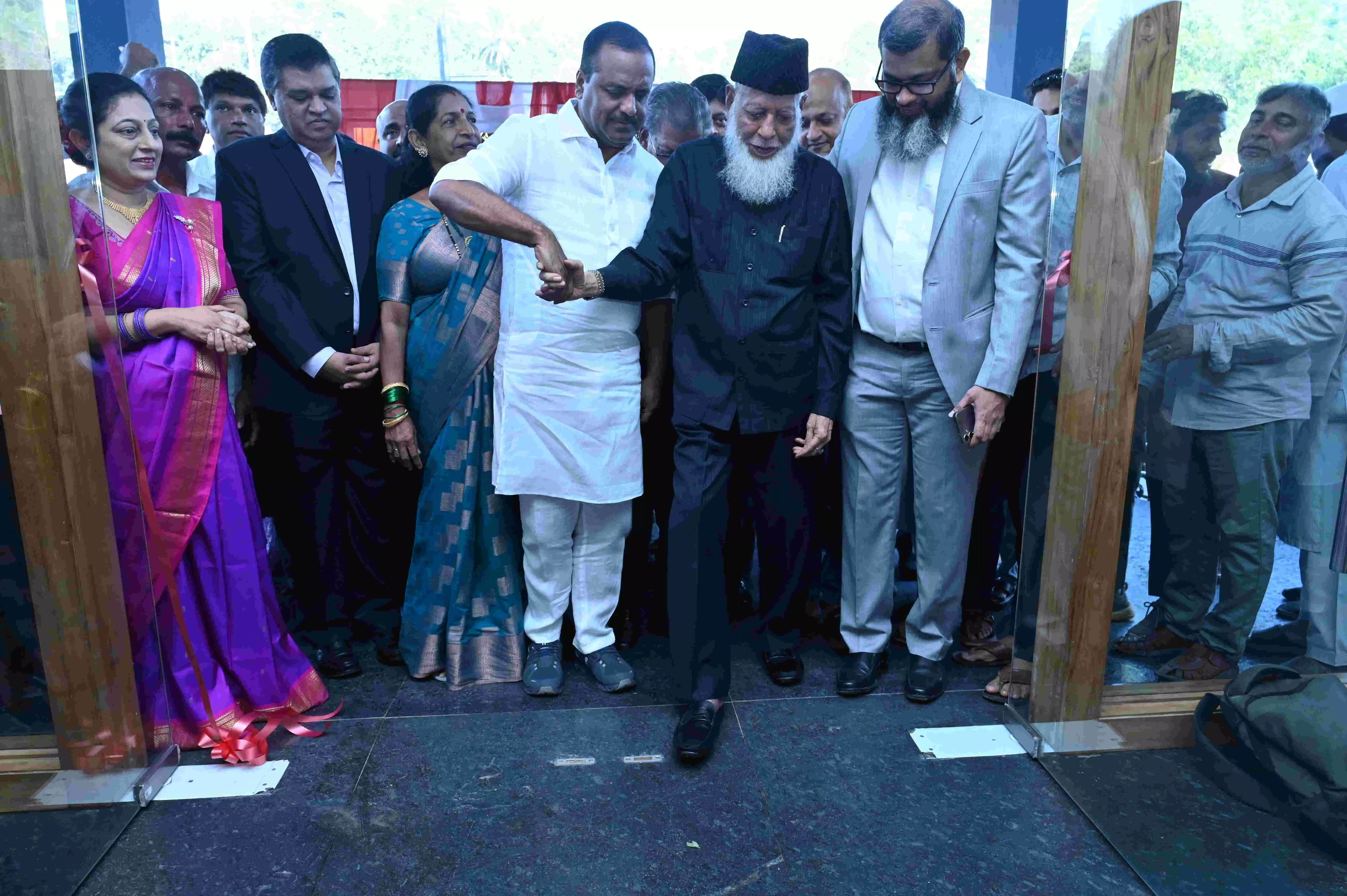
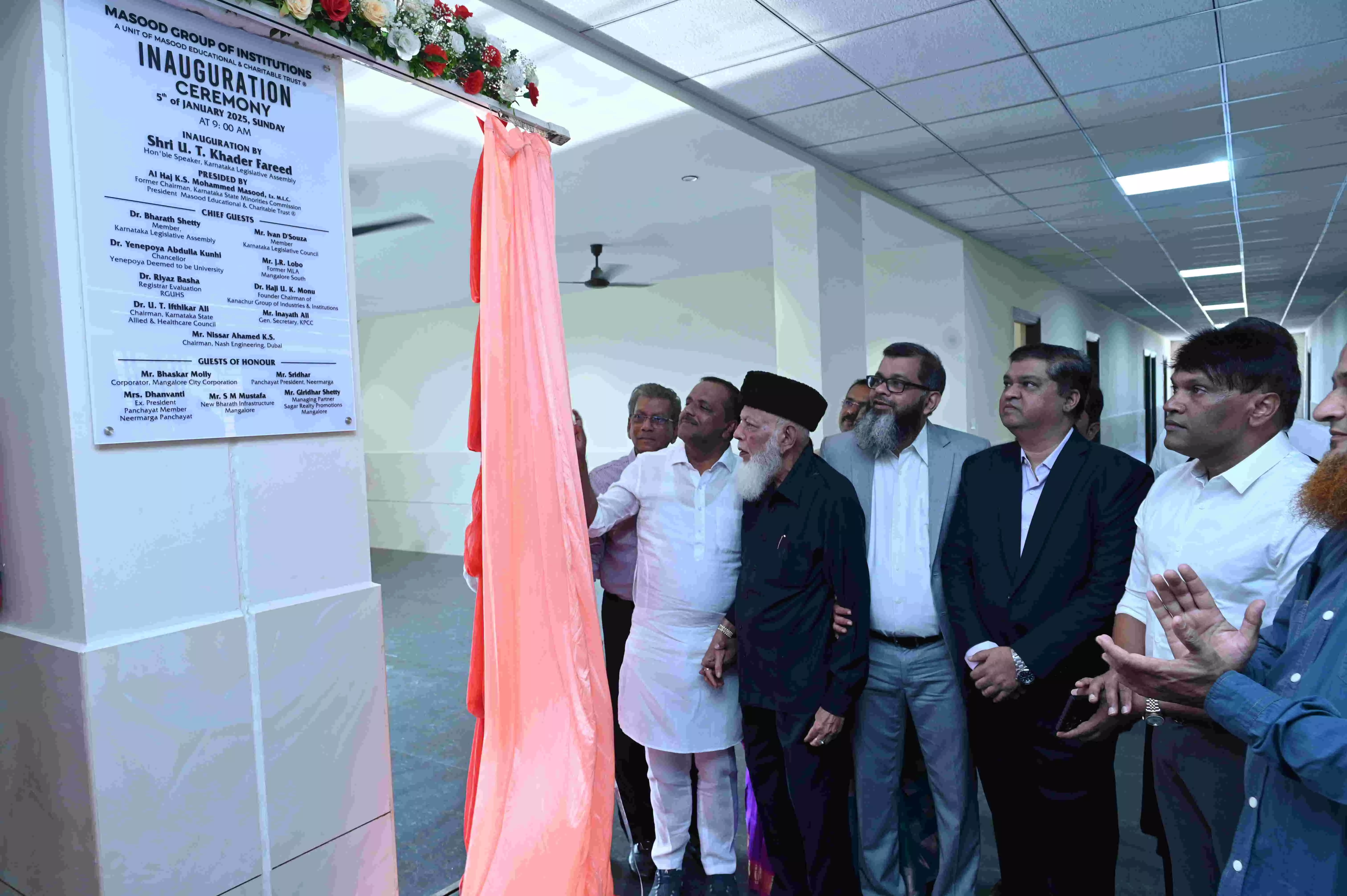
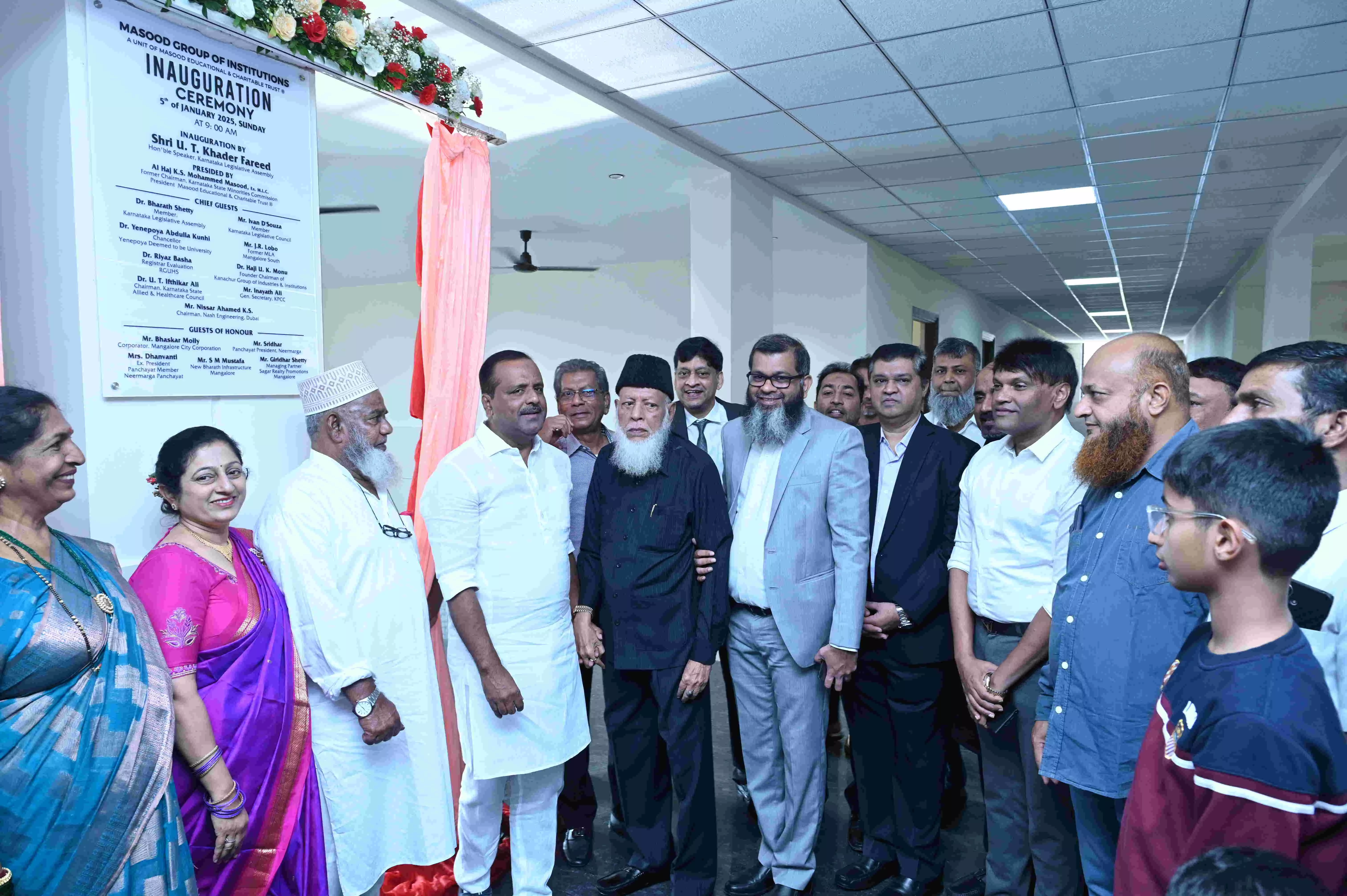
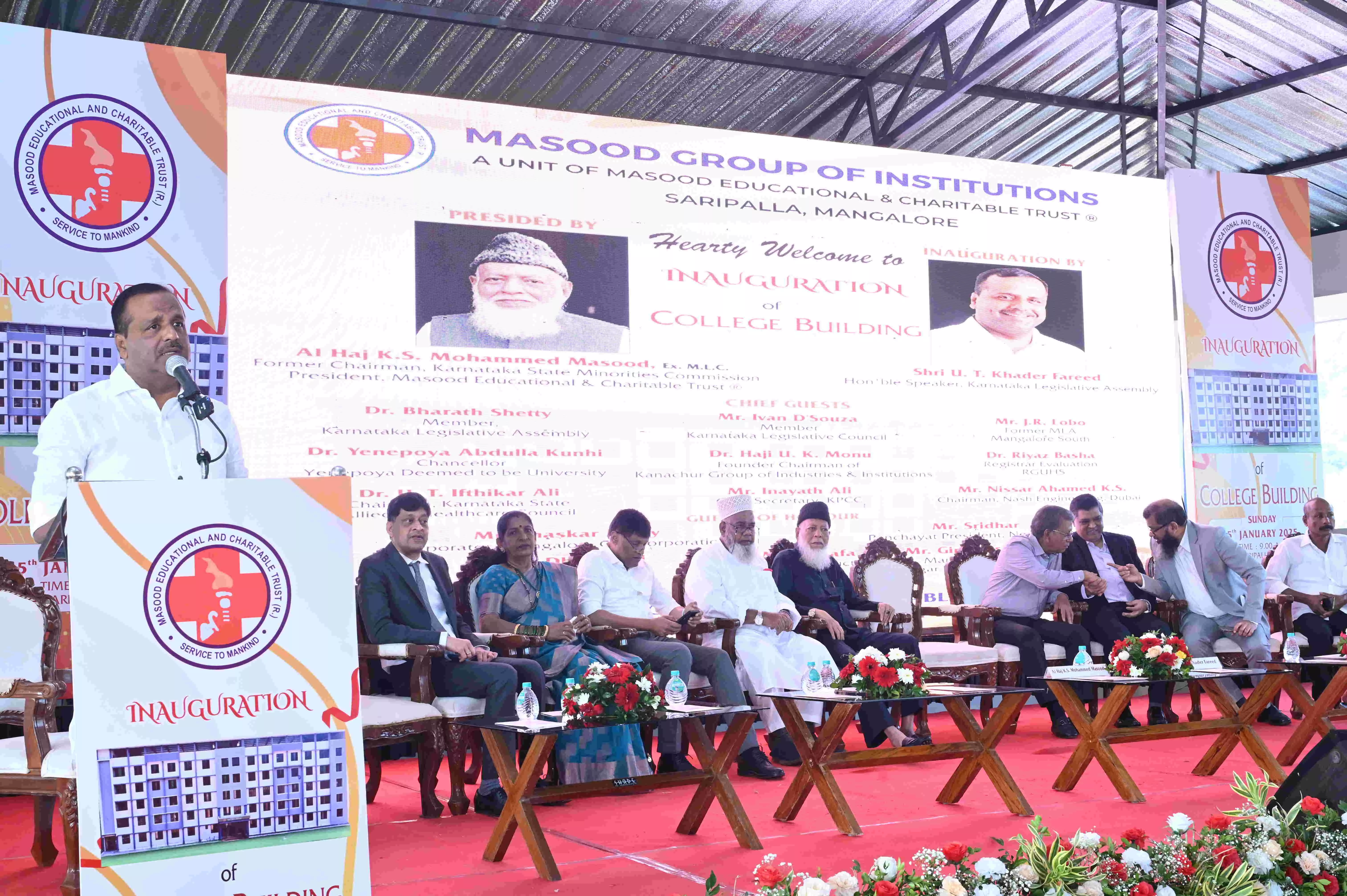
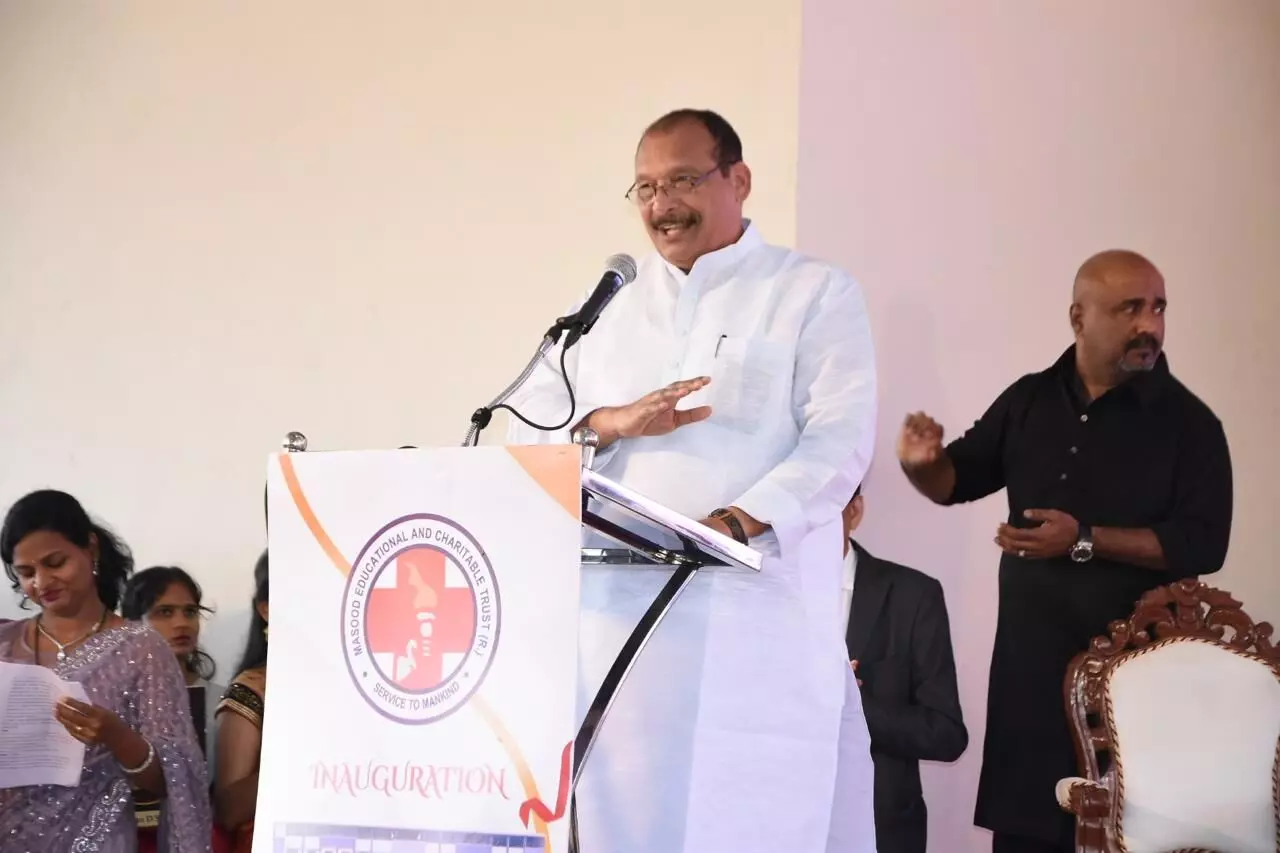
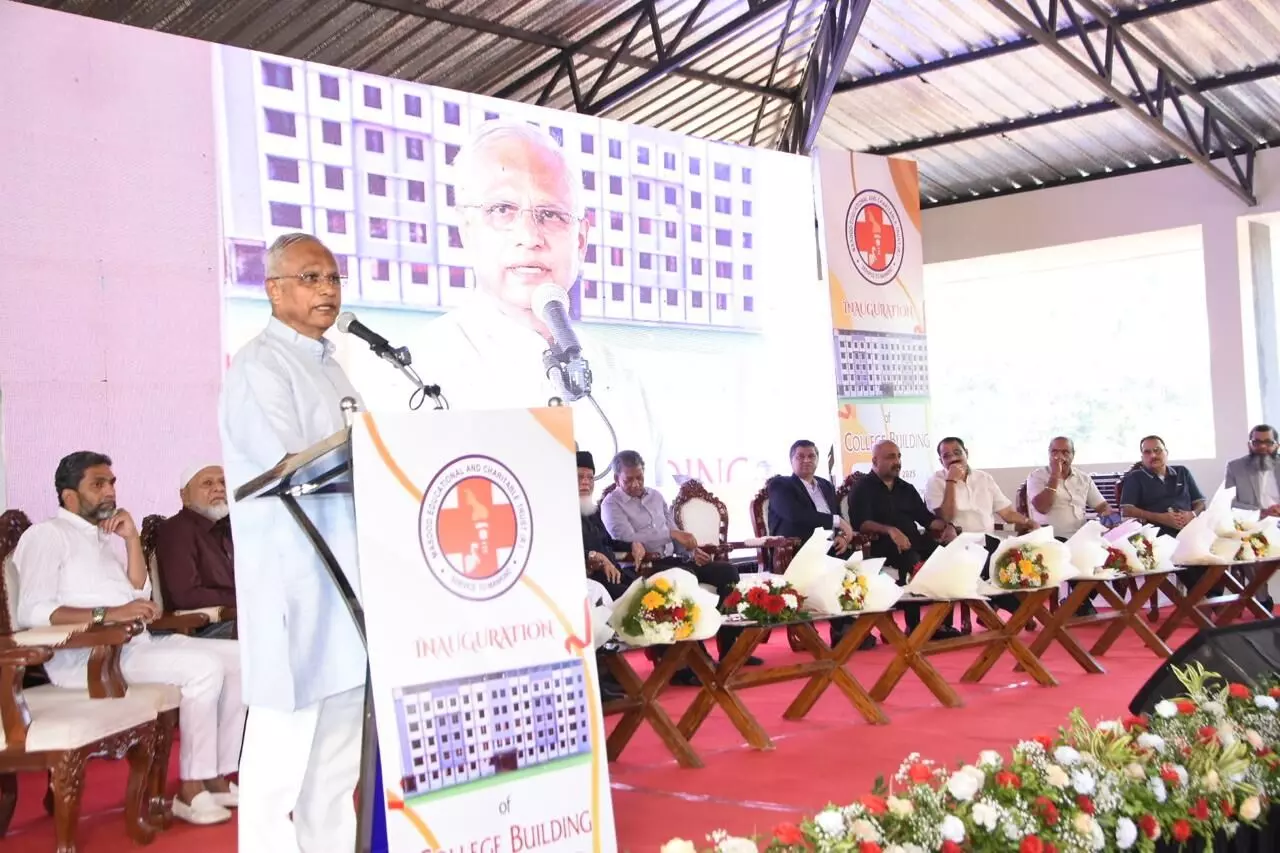
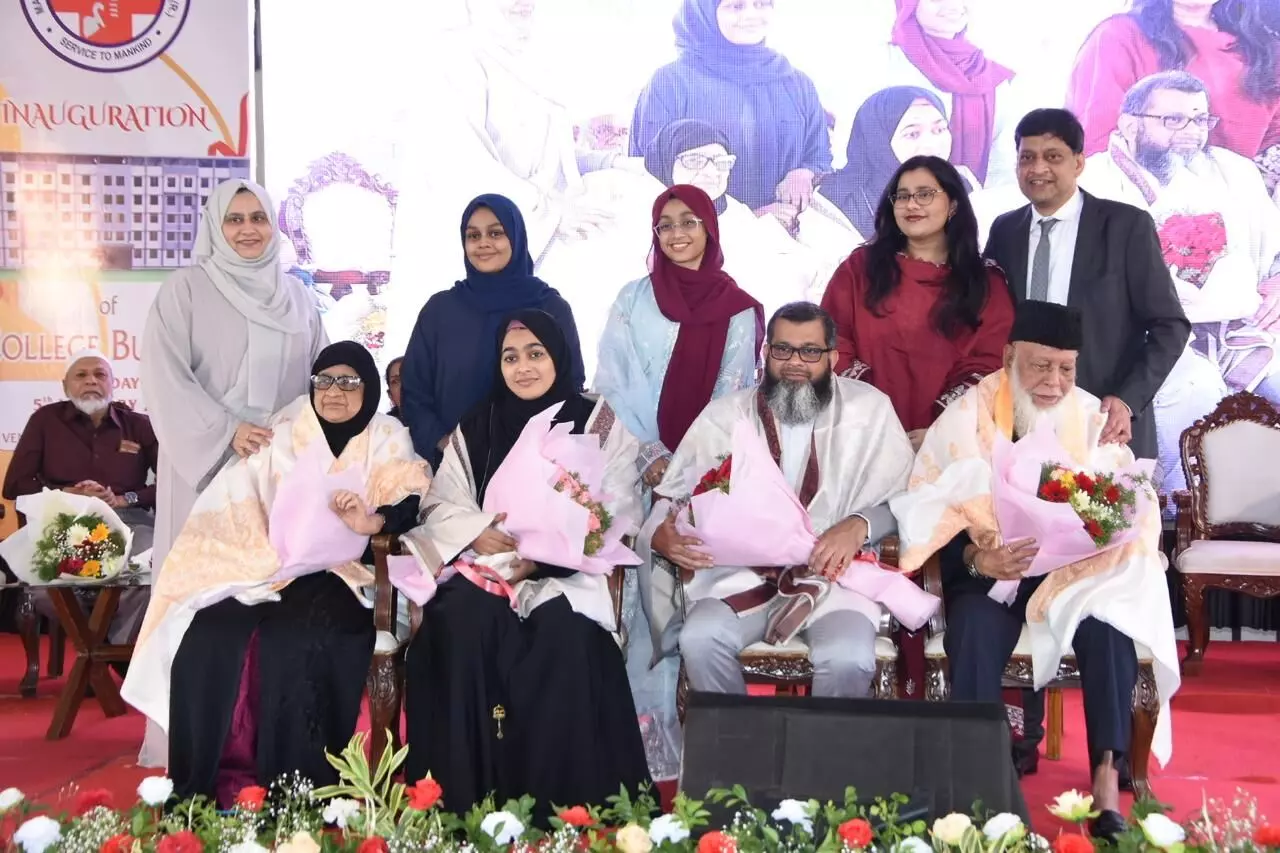
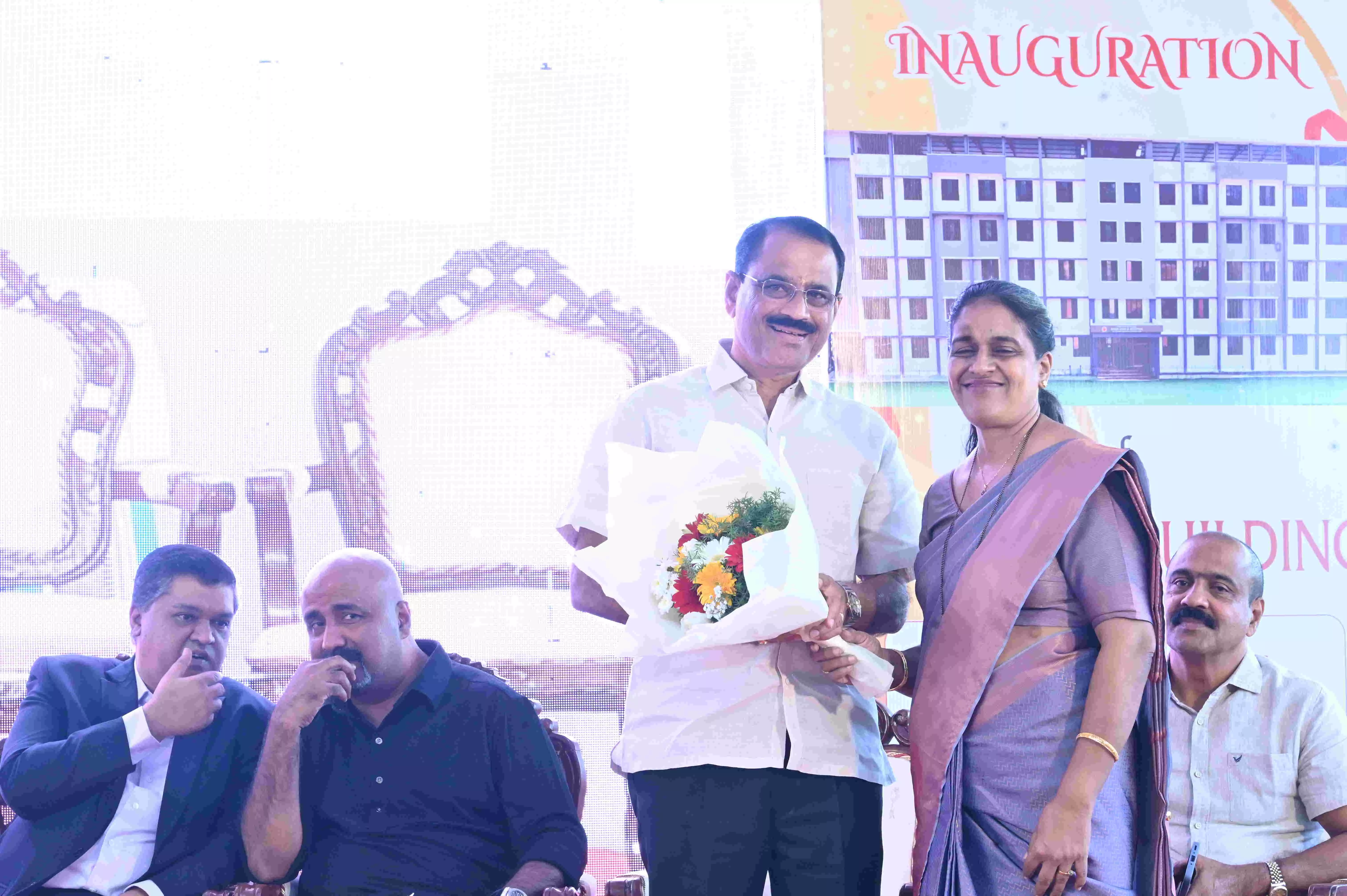
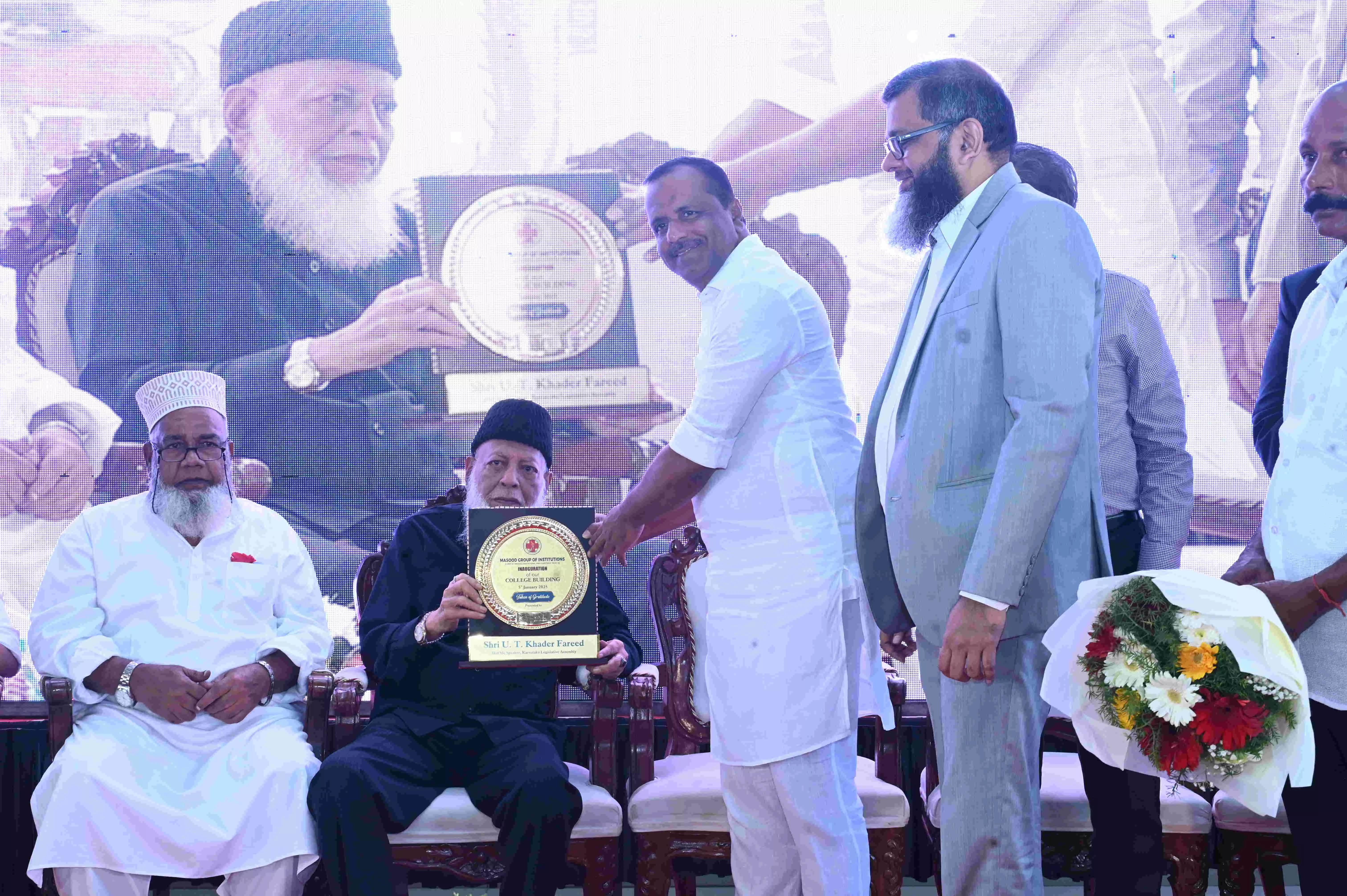
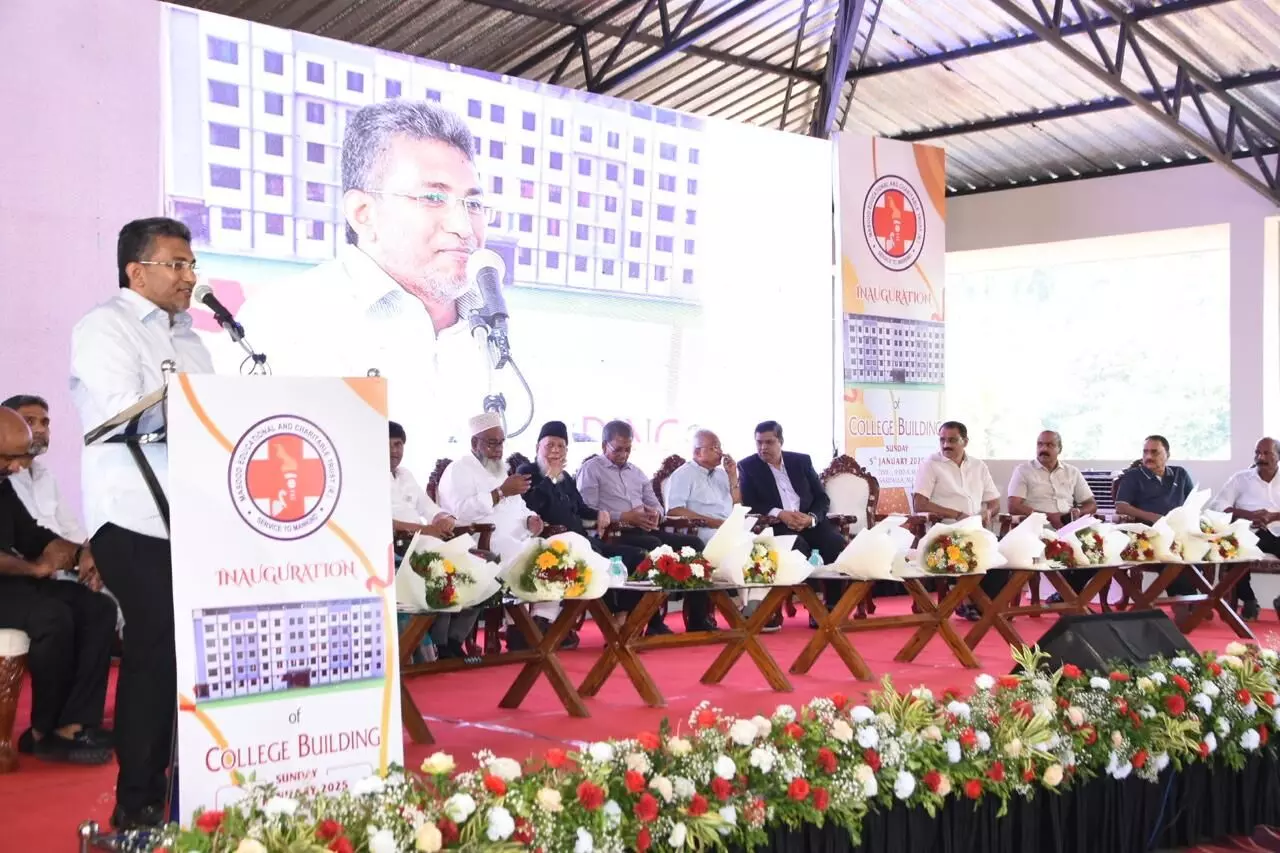
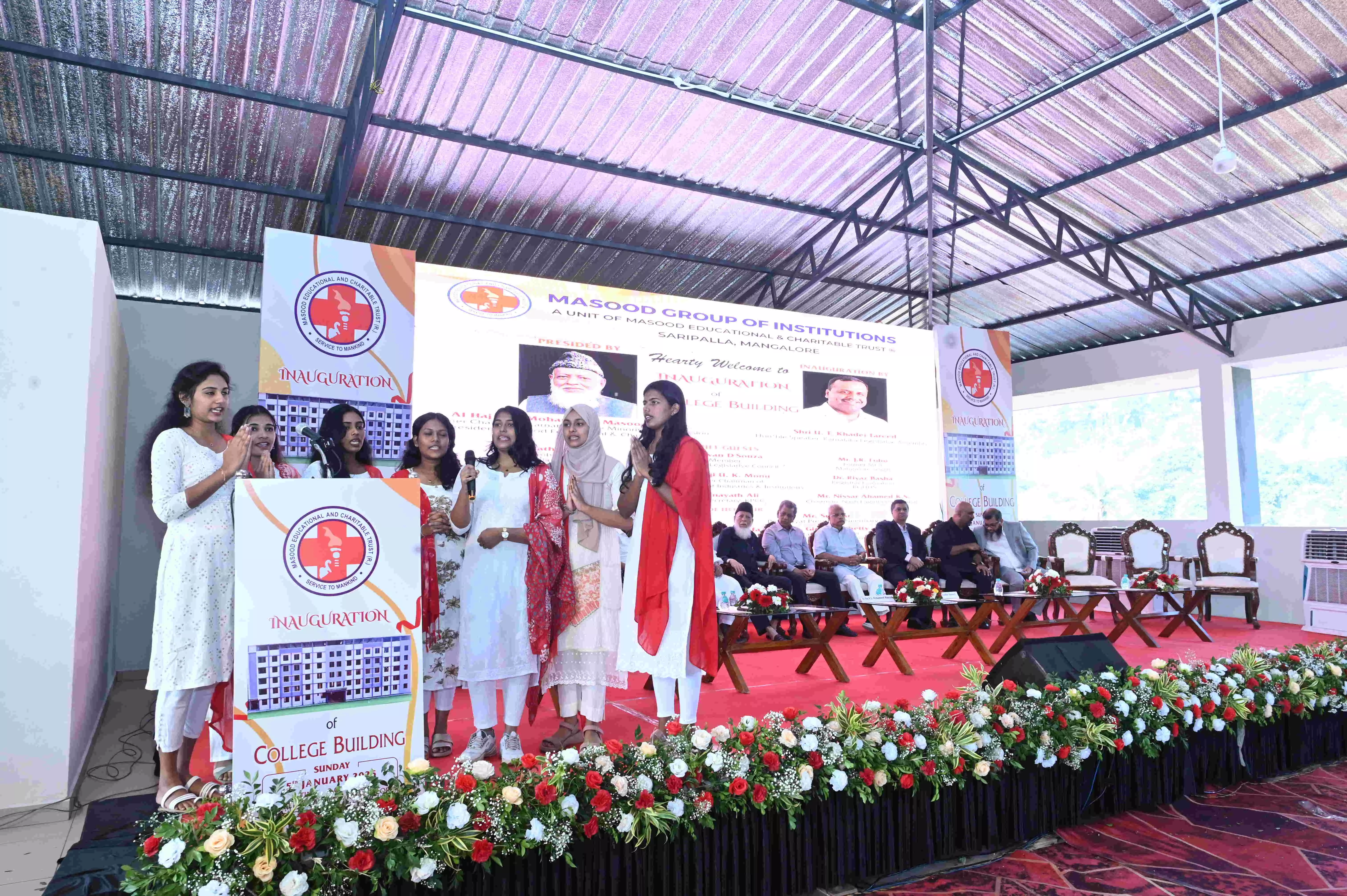
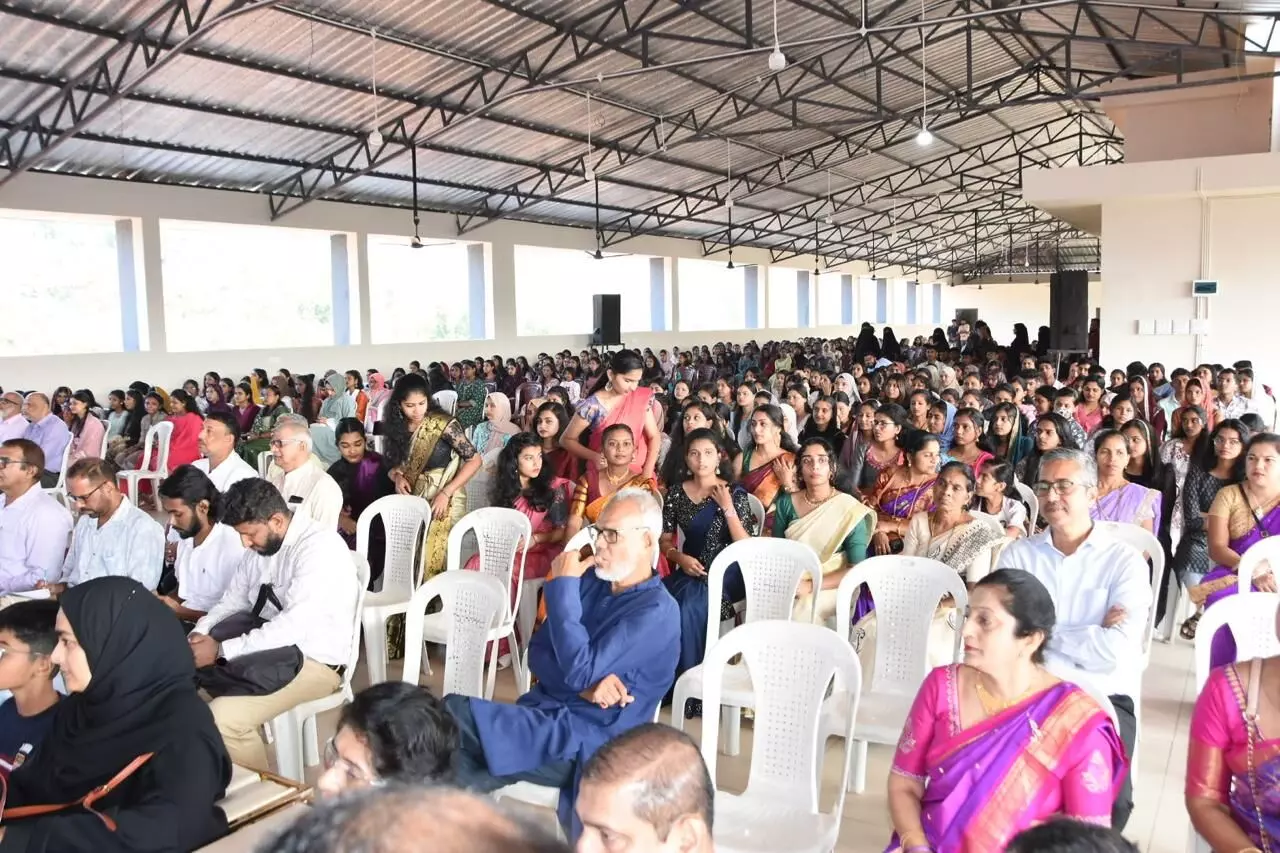
Masood Group of Institutions inaugurated its new campus building on Sunday at Saripalla village, located on the outskirts of Mangaluru city. The event was marked by the presence of several eminent dignitaries, with the Hon’ble Speaker of the Karnataka Legislative Assembly, UT Khader Fareed, formally inaugurating the facility.
Joining the occasion was Dr. Riyaz Basha, Registrar Evaluation, Rajiv Gandhi University of Health Sciences (RGUHS) along with other distinguished guests.
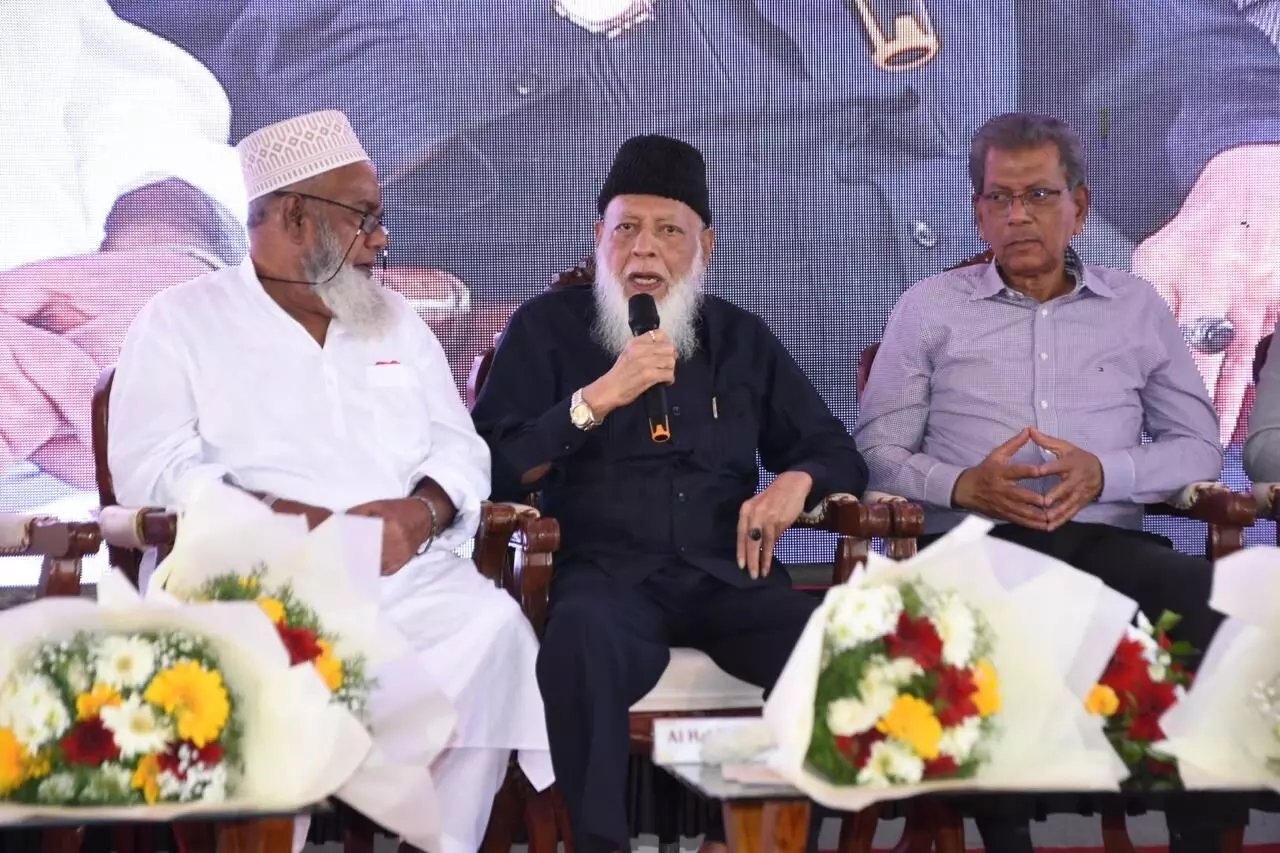
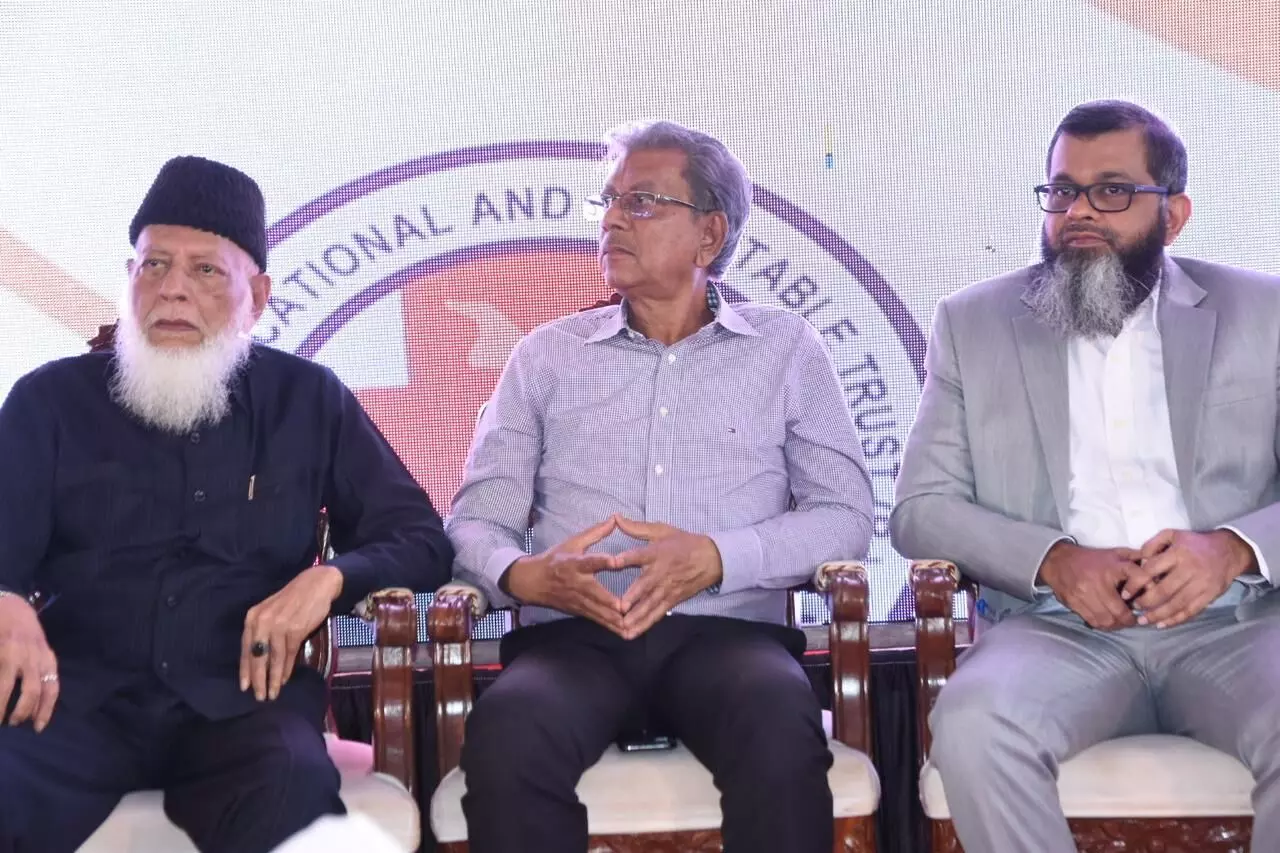
Al Haj KS Mohammed Masood, former MLC, ex-chairman of the Karnataka State Minorities Commission, and the President of Masood Educational and Charitable Trust, presided over the event.
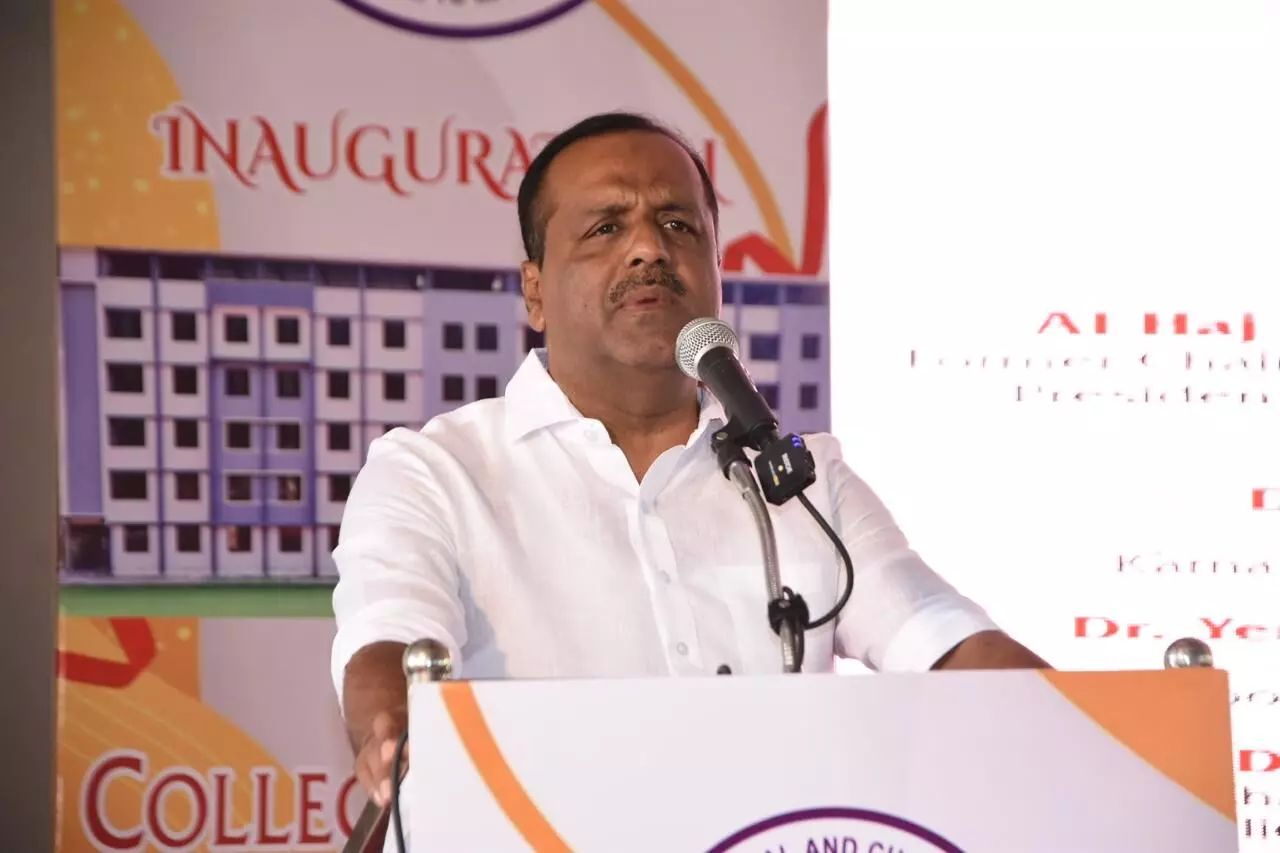
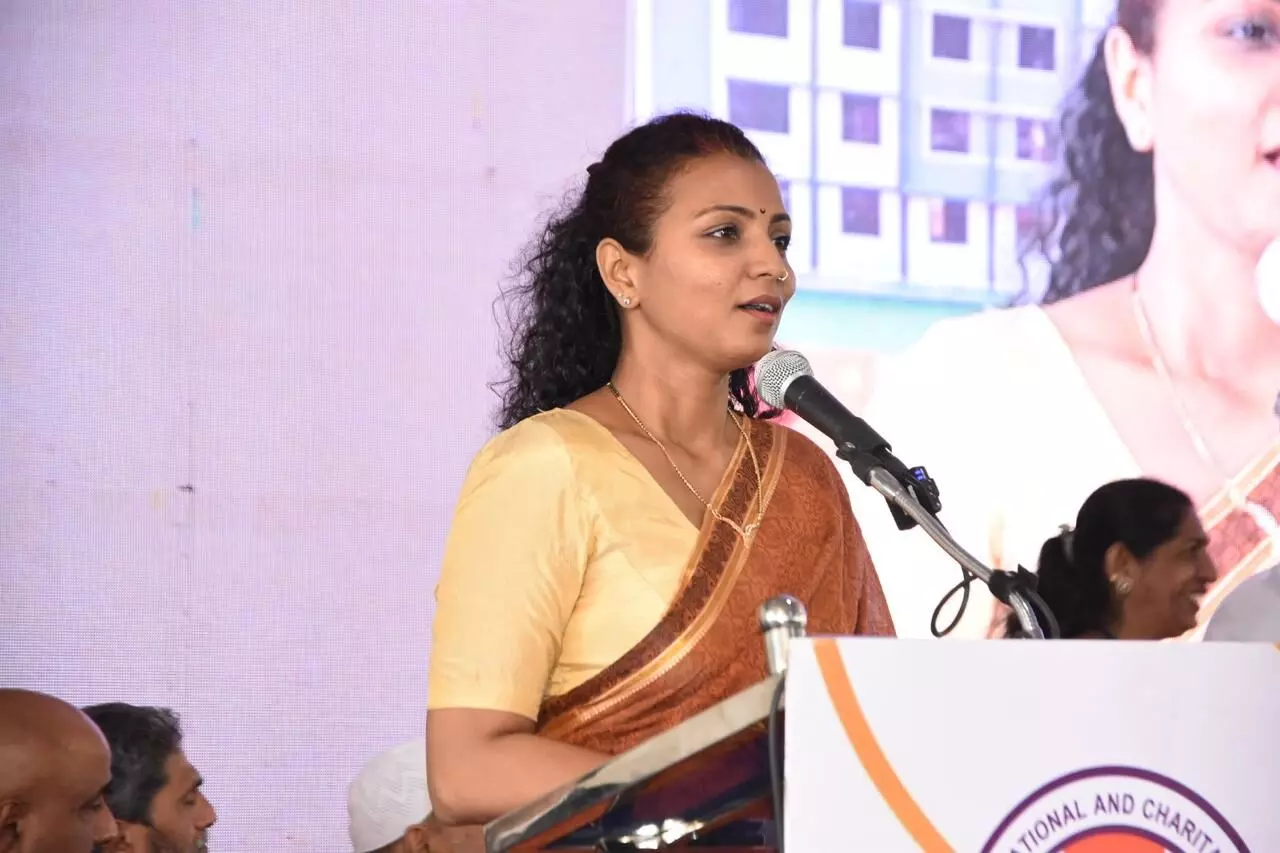
During his address, UT Khader Fareed congratulated Al Haj KS Mohammed Masood and his family for their visionary efforts in prioritizing education at a time when it is crucial for the progress of society. He lauded their commitment to creating opportunities for learning and empowering the younger generation.
Khader expressed his confidence that the Masood Group of Institutions would emerge as one of the premier educational establishments in the country, setting benchmarks for excellence in academics and overall development. He urged the students to take their studies seriously, emphasizing that education is the foundation for personal growth and societal advancement.
Highlighting the significance of such initiatives, Khader remarked that starting educational institutions is a form of true patriotism. He stated that by investing in education, the trust is not only nurturing young minds but also contributing to the upliftment and progress of the nation as a whole.
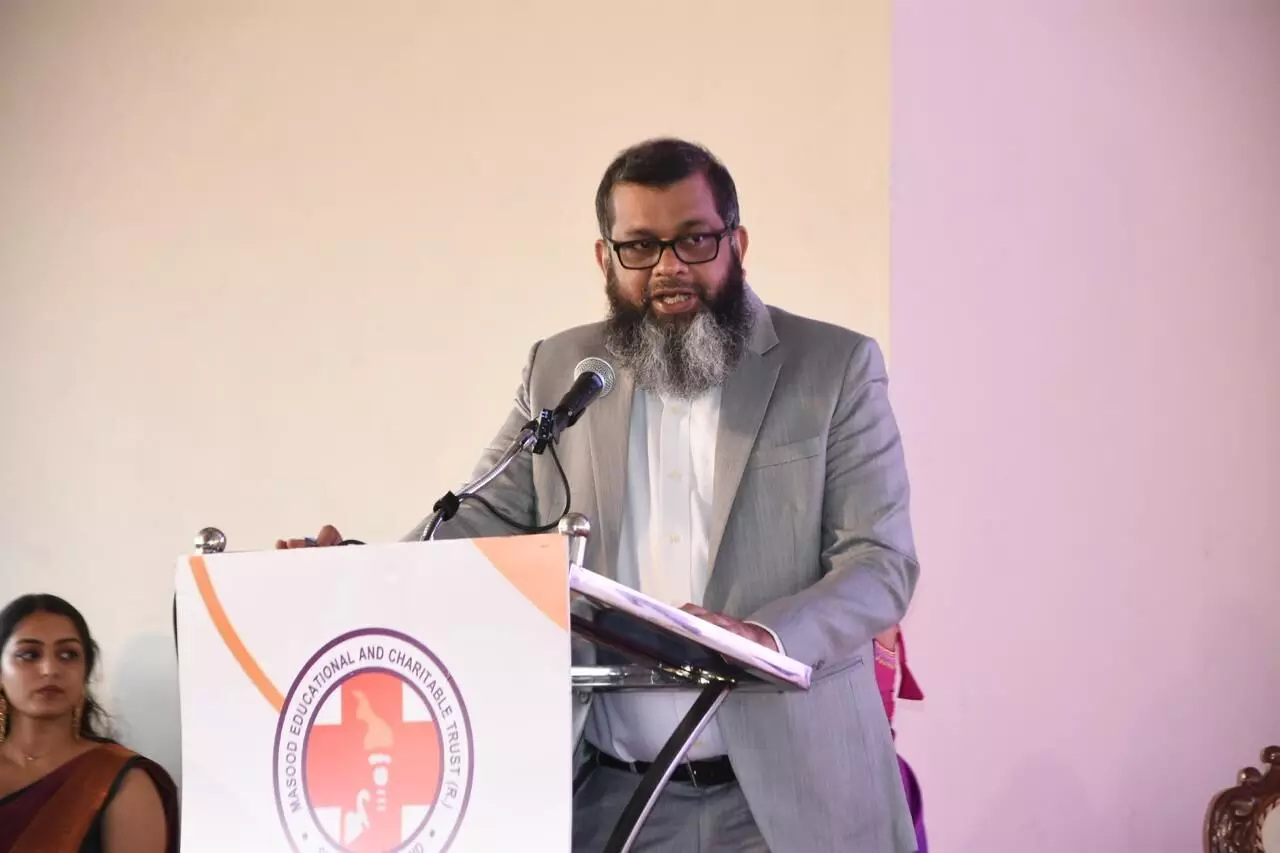
In his address, Riyaz Basha highlighted the growing demand for health sciences education in Karnataka, particularly in the post-COVID era. He noted that the pandemic underscored the critical importance of a robust healthcare system, leading to significant transformations in the state’s health sciences infrastructure. According to Basha, this evolution has positioned Karnataka as a hub for advanced medical education and healthcare services, attracting students and professionals alike.
He observed that India’s healthcare system is gradually transitioning towards a Western model, where the concept of teamwork in medicine is gaining prominence. Basha explained that unlike the traditional approach where the doctor was viewed as the sole authority, the emerging system emphasizes the collaborative efforts of an entire team of health sciences professionals. This shift, he pointed out, places greater responsibility and opportunities on allied health professionals, nurses, technicians, and administrators, making their roles indispensable in delivering holistic patient care.
Basha urged students to view education not merely as a means to attain degrees but as a tool for building strong character and moral values. He emphasized the importance of humility, stating that true education goes beyond academic achievements and is reflected in one’s behavior and attitude. He encouraged students to remain grounded, focus on continuous learning, and contribute positively to society, embodying the essence of education through their actions and interactions.
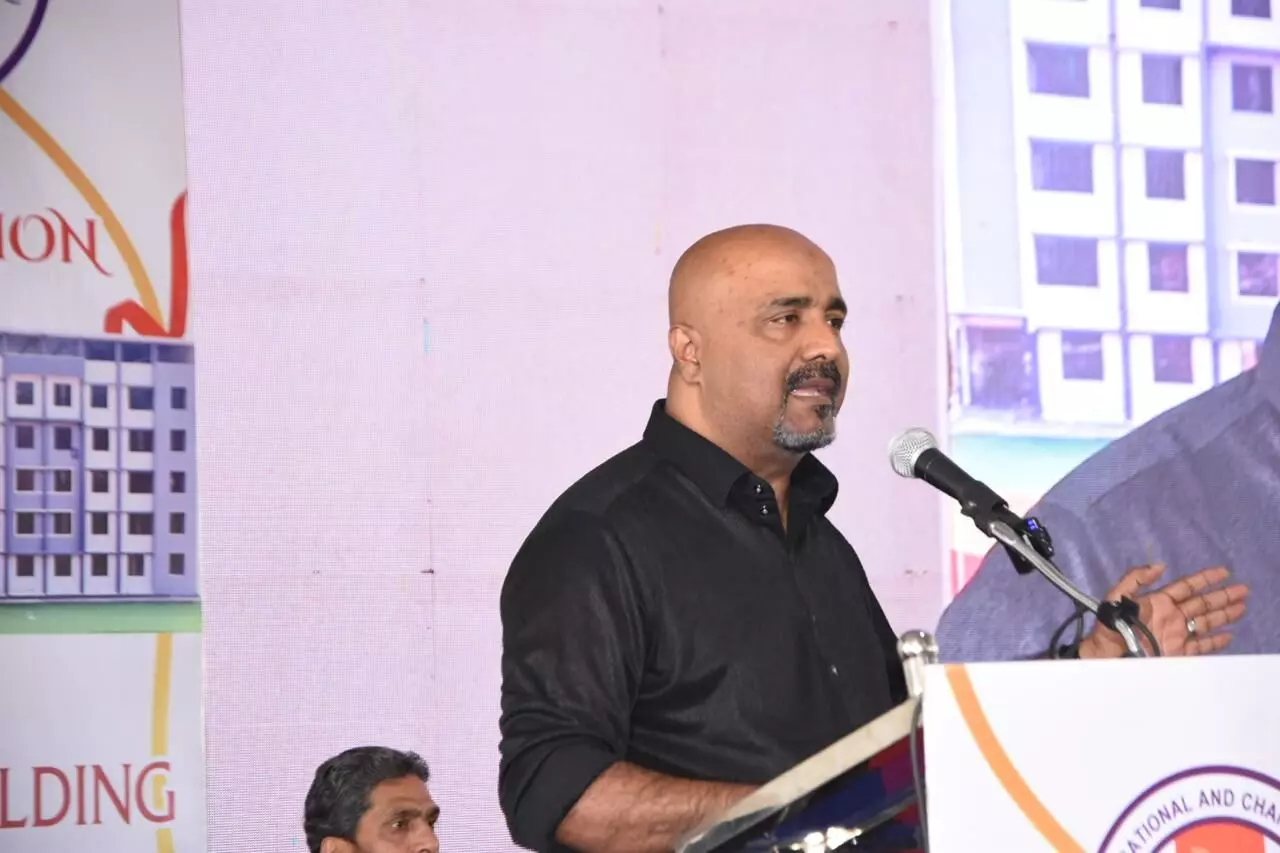
UT Iftikhar Ali, Chairman of the Karnataka State Allied and Healthcare Council, addressed the gathering with a special request to Riyaz Basha, urging him to consider designating Masood College as an examination center for Rajiv Gandhi University of Health Sciences (RGUHS). He emphasized that such a move would be a significant step forward for the institution, providing convenience to students and enhancing its standing within the academic community.
In addition, Ali took the opportunity to invite everyone present to participate in the inauguration of the Regional Centre of RGUHS in Mangalore, scheduled for January 17. He highlighted the importance of this event in strengthening the presence of RGUHS in the region and its commitment to advancing health sciences education. Ali also reaffirmed his support for Masood Group of Institutions, pledging to assist in every possible way to help the institution achieve its goals and contribute meaningfully to the healthcare sector.
MLC Ivan D'Souza, addressing the gathering, spoke about the highly competitive nature of the world today, emphasizing the importance of providing students with the right environment to excel. He remarked that the facilities and infrastructure at Masood Group of Institutions are designed to create an atmosphere conducive to learning, growth, and overall development.
D'Souza commended the institution for its commitment to nurturing young minds by offering a supportive and stimulating environment that prepares them to meet the challenges of a competitive world. He expressed confidence that the campus would serve as a platform for students to not only excel academically but also to develop the skills and resilience needed to succeed in their chosen fields.
In his presidential address, Al Haj KS Mohammed Masood, President of the Masood Educational and Charitable Trust, extended heartfelt gratitude to everyone who had gathered to celebrate the inauguration of the new campus building. He expressed his appreciation to all dignitaries, guests, faculty, students, and well-wishers for their support and encouragement, which he said has been instrumental in the institution’s journey of growth and excellence.
Masood made a special mention of UT Iftikhar Ali, Chairman of the Karnataka State Allied and Healthcare Council, acknowledging his support and guidance. He thanked Ali for his encouragement and for advocating the inclusion of Masood College as an examination center for Rajiv Gandhi University of Health Sciences (RGUHS).
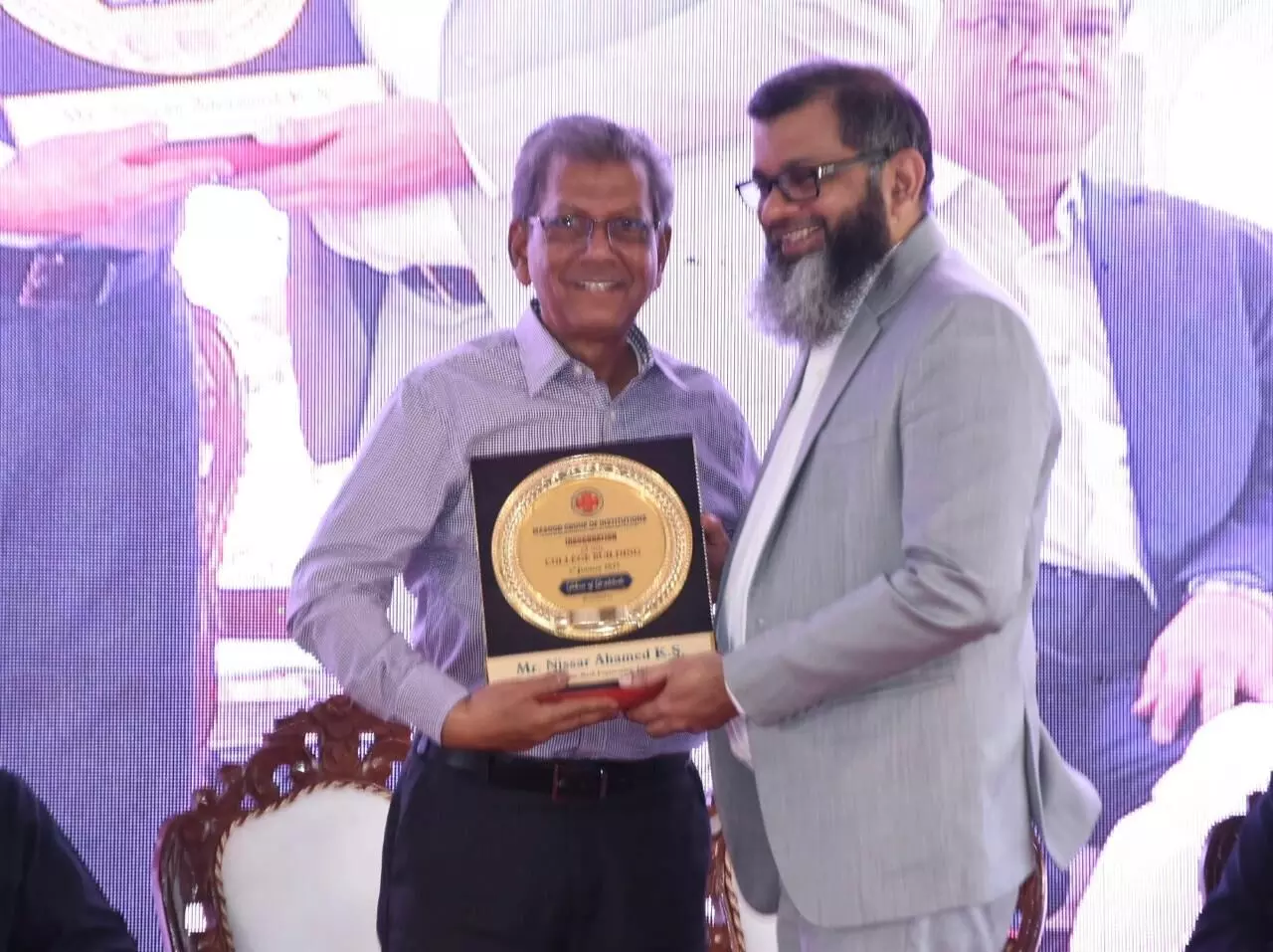
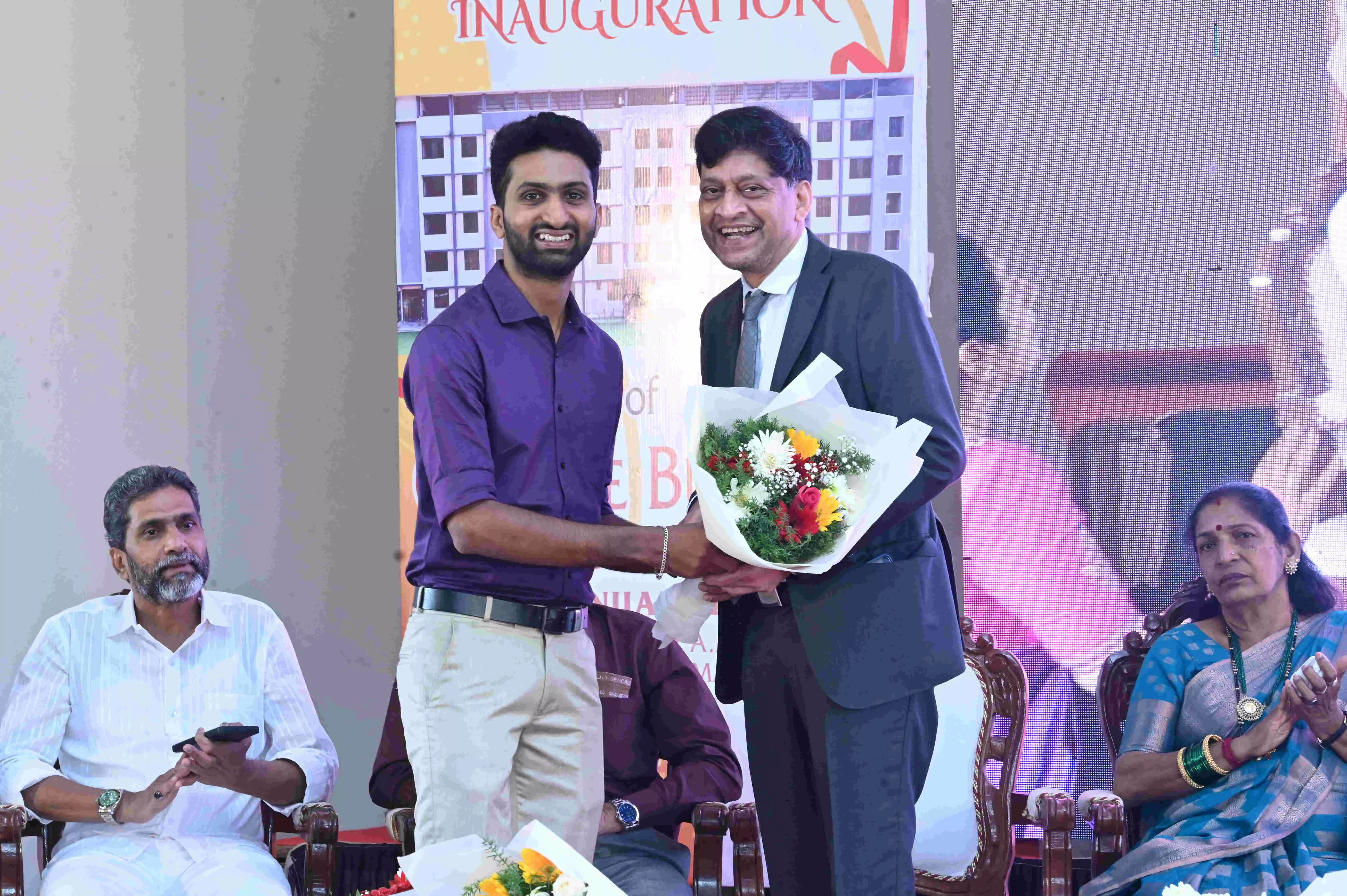
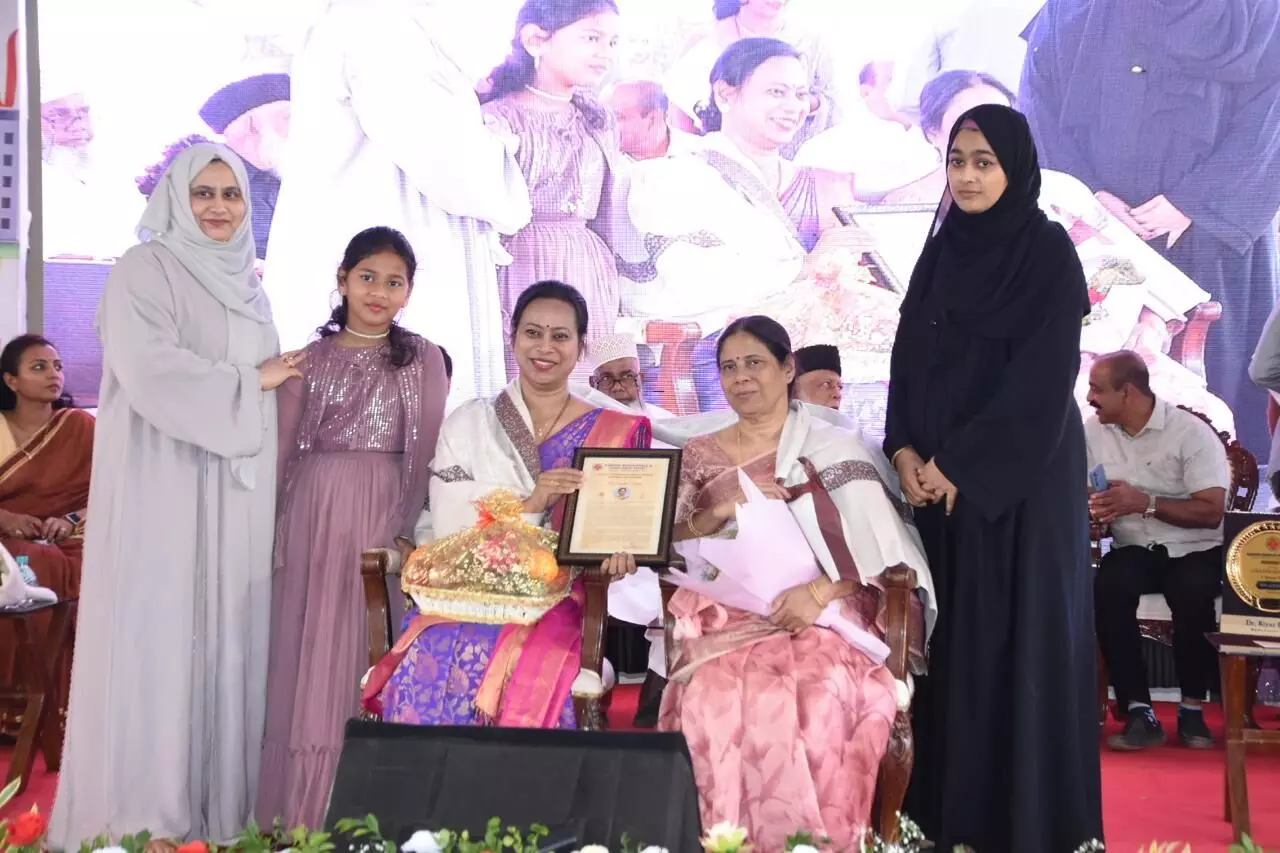
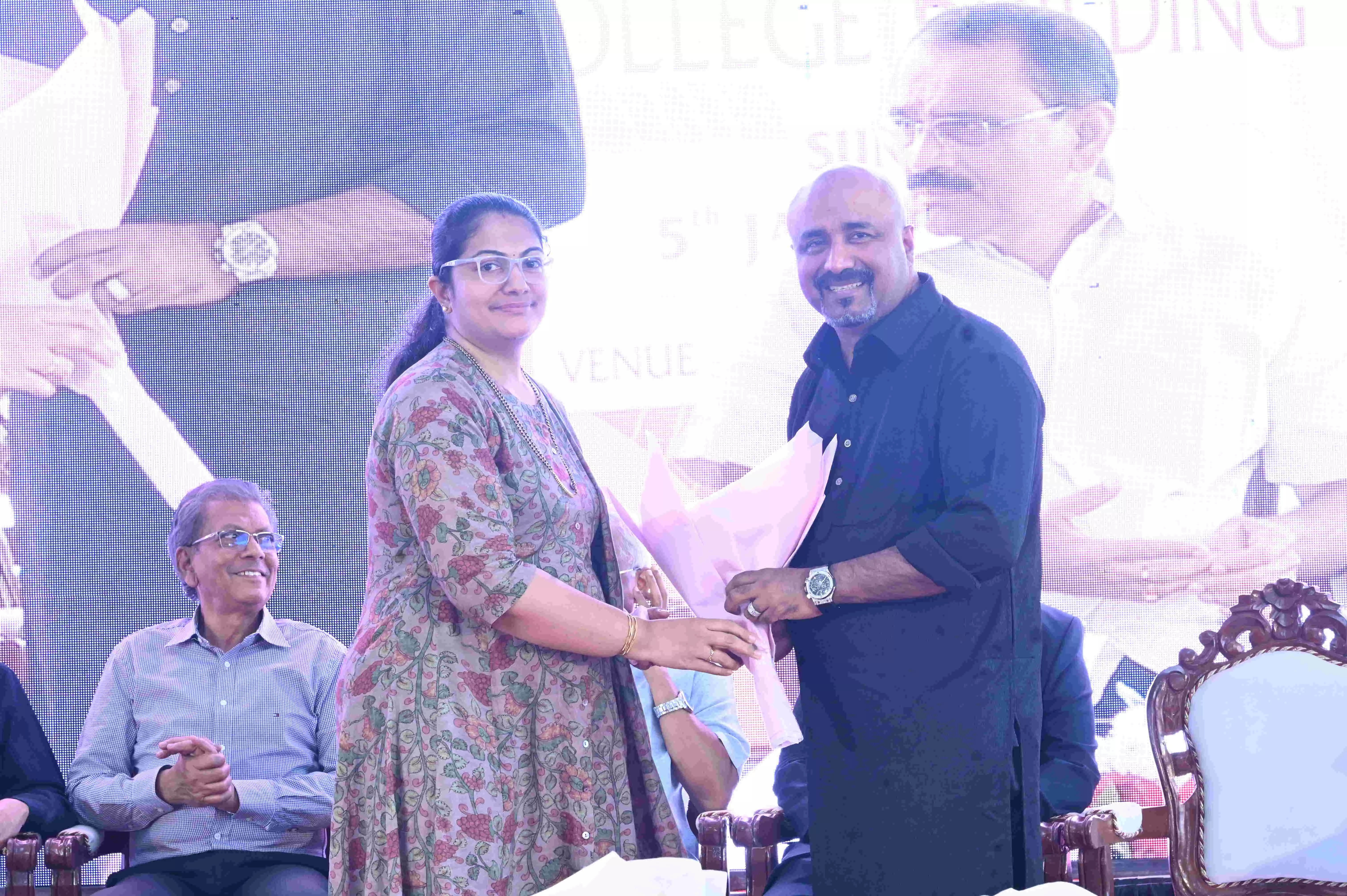
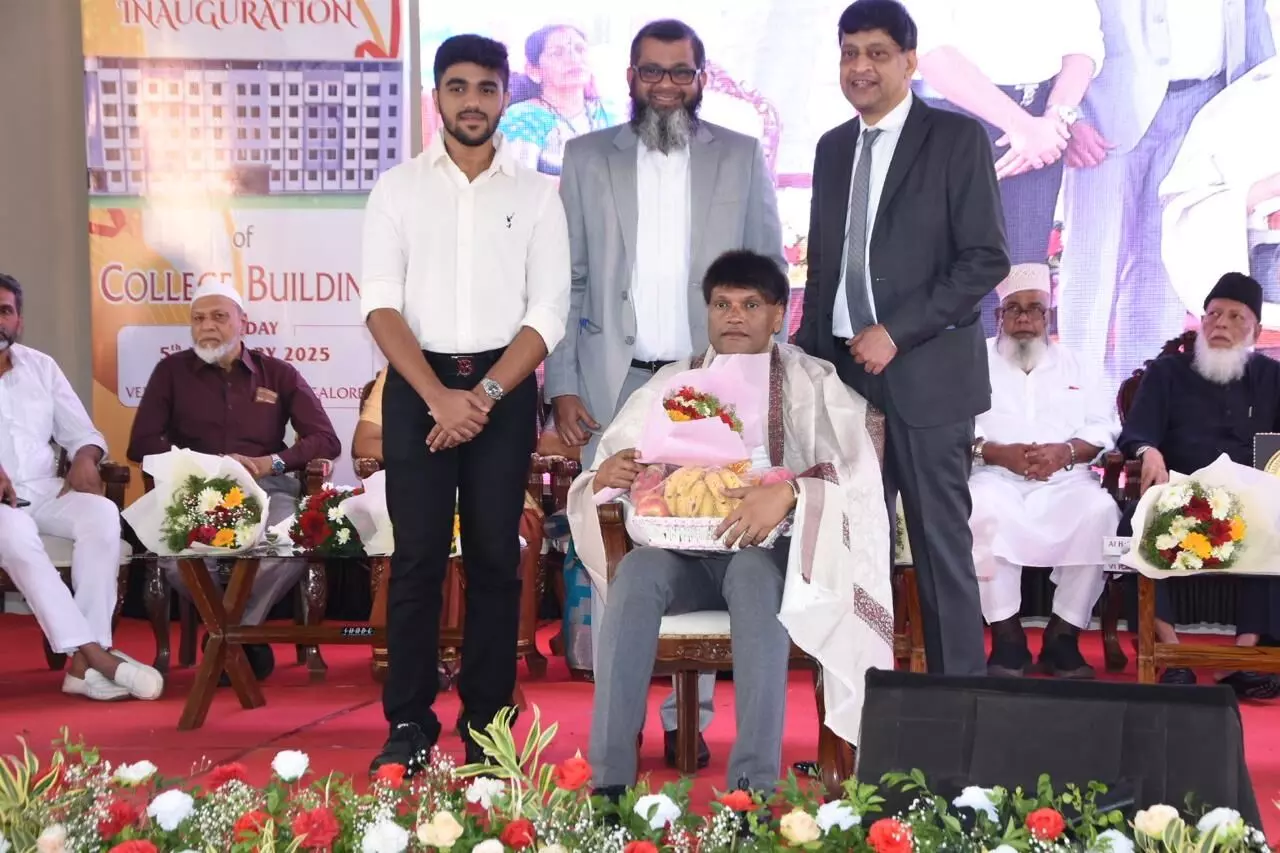
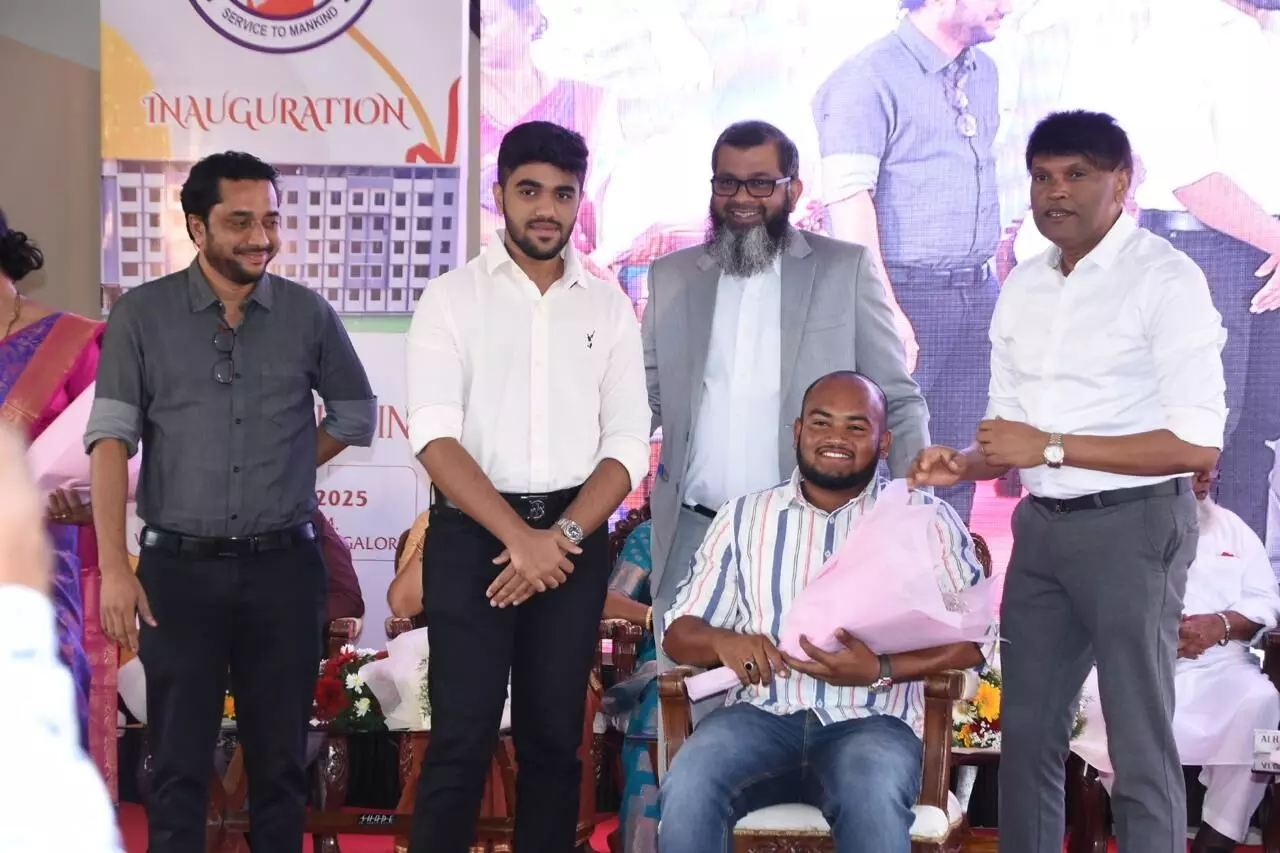
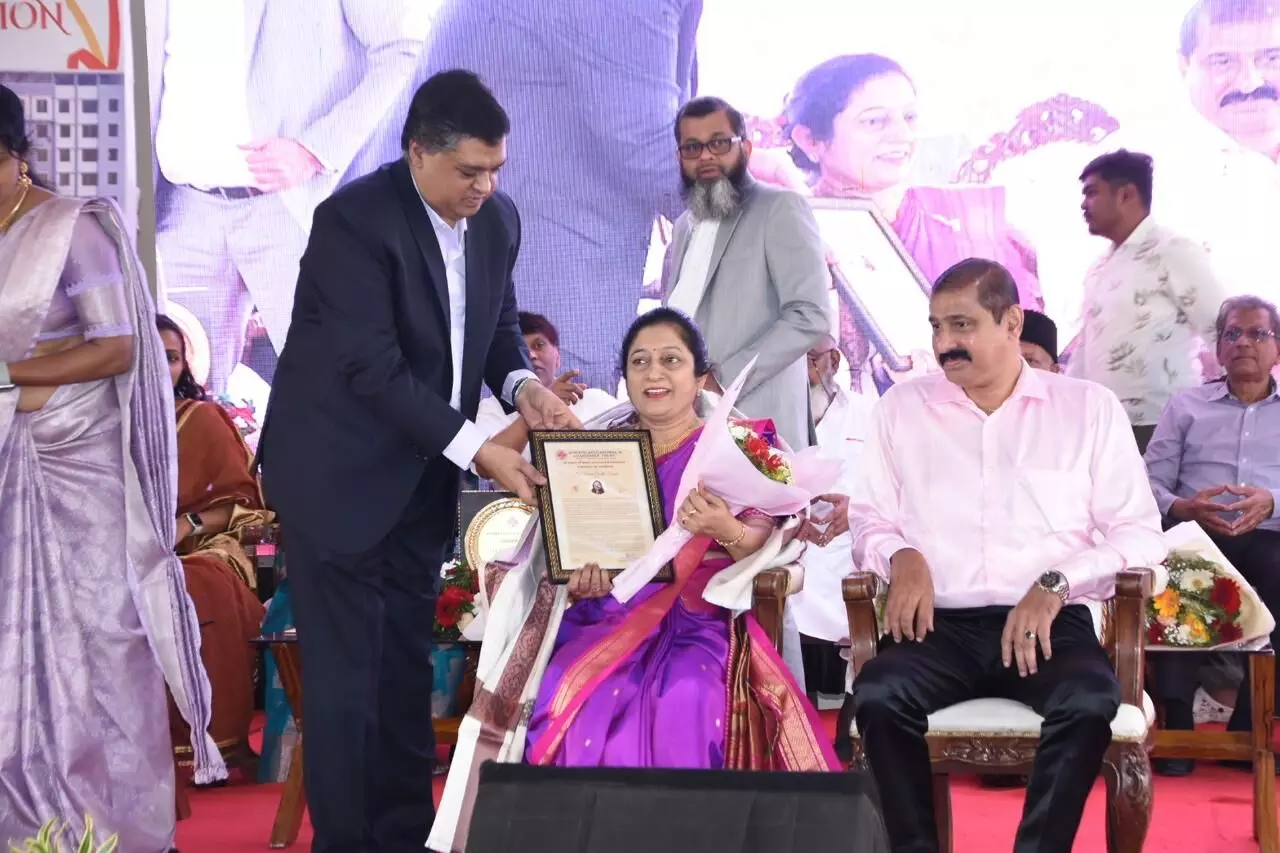
Several members of the staff and those contributing in the construction and development of new campus were felicitated during the event.
Arif Masood, Secretary, of Masood Educational and Charitable Trust welcomed the guests and gathering while his Asif Masood, Trustee of the group presented vote of thanks.
Former MLA of Mangalore South JR Lobo, KPCC General Secretary Inayath Ali, and SM Mustafa of New Bharath Infrastructure addressed the gathering.
Nissar Ahamed KS, Chairman, Nash Engineering Dubai, Bhaskar Moily, Corporator Mangalore City Corporation, Sridhar, Panchayath President Neermarga, Dhanvathi, Ex President Neermarga Panchayath, Dr. Vaishali, Senate Member of RGUHS, Dr. Haji UK Monu, Founder Chairman of Kanachur Group of Industries and Institutions, and others were present during the event.

Let the Truth be known. If you read VB and like VB, please be a VB Supporter and Help us deliver the Truth to one and all.
Two people killed as poultry vehicle rams into parked truck in Belagavi

Belagavi (Karnataka) (PTI): Two people were killed, and another was severely injured after a goods vehicle transporting poultry birds allegedly rammed into a stationary truck on a national highway in Belagavi in the early hours of Tuesday, police said.
The deceased have been identified as Wasim (28) and Mubarak (22), both natives of Shivamogga district, they said.
The driver of the vehicle, Basavaraj Eerappa Hanchinamani (37), suffered critical injuries and has been admitted to a hospital, police said.
According to police, the accident occurred when the driver reportedly lost control of the vehicle, allegedly due to drowsiness, and crashed into a truck parked along the highway.
The goods vehicle was en route from Kolhapur to Sorab in Shivamogga district, carrying poultry. Several chickens were also killed in the impact, a senior police officer said.
Police personnel from the Hirebagewadi Police Station visited the spot and conducted an inspection.
Injured people and the bodies of the deceased were shifted to a hospital, police added.