SWAG ERT, Sonu Sood Foundation set up Oxygen centre at Mangaluru railway station

Mangaluru, Jun 4: SWAG ERT and Sonu Sood Foundation along with the railway police have launched a rapid oxygen centre at Mangaluru central railway station here.
The centre was opened Thursday under the mentorship of ADGP of Karnataka railway police Bhaskar Rao.
This is the fourth project of SWAG ERT and Sonu Sood charity foundation in Karnataka.
Other stations have started functioning in Bengaluru, Hubballi and Ballari and the service will be extended to Mysuru, Hassan and Davanagere soon, Rao said.
Training has been given to policemen on how to operate the cylinders that carry 7,000-litre and 1,400 litre medical oxygen.
Oxygen supply will be purely on the basis of advice from doctors, he said.
Those requiring oxygen can approach Sonu Sood Karnataka helpline 7069999961 and the GRP (government railway police) station will take a decision on the basis of the availability of oxygen and criticality of the case, a release from Amit Purohith of SWAG ERT and Sonu Sood foundation here said.
The user can take oxygen from the centre and return the cylinder after sanitising it.
This will be maintained by the GRP station.
As many as 20 cylinders are available at the station here which can cover up to 70-80 km radius, the release said.


Let the Truth be known. If you read VB and like VB, please be a VB Supporter and Help us deliver the Truth to one and all.
Lebanon appoints new representative for talks with Israel, rejects linkage to Iran
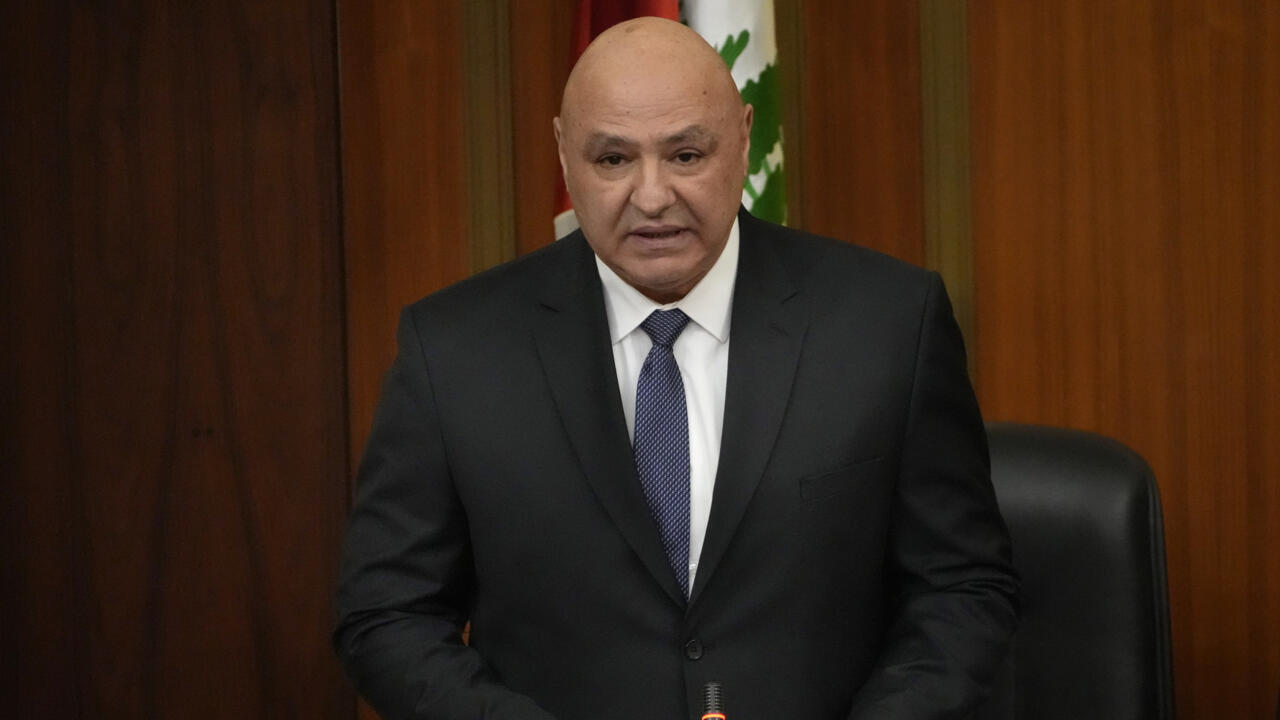
Beirut: Lebanon’s has moved to underline its independent position in ongoing regional developments, amid attempts to link the country to the broader conflict involving Iran, the United States and Israel.
President Joseph Aoun, while announcing the appointment of former US ambassador Simon Karam as Lebanon’s representative in talks with Israel, made it clear that Karam would be the sole representative for Lebanon and that there would be no substitute.
The move comes in response to what the Lebanese officials see as efforts by Iran to tie Lebanon’s situation to the wider regional conflict. Iran had indicated that there would be no ceasefire involving the US, Israel and Iran unless it also included a ceasefire in Lebanon.
Some groups, including Hezbollah and its supporters, had expressed support for linking the situations, citing concerns that the Lebanese government has limited leverage in negotiations with Israel. Lebanon is not formally a party to the conflict, and its army is considered weak.
However, others, including Prime Minister Nawaf Salam, have opposed this approach. They view Iran’s stance as an attempt to influence Lebanon’s internal affairs and see it as undermining the country’s sovereignty.
Officials backing the government’s position say the move is aimed at reaffirming Lebanon’s sovereignty and ensuring that decisions about peace and ceasefire within the country are not dictated externally.
They also see it as a safeguard, so that any breakdown in talks between the US, Israel and Iran does not automatically lead to renewed conflict in Lebanon.