Talent Hunt 2024: Bearys Institute of Technology rewards PUC students
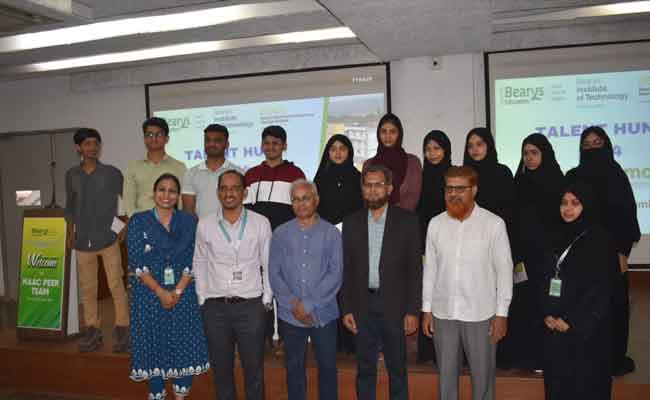
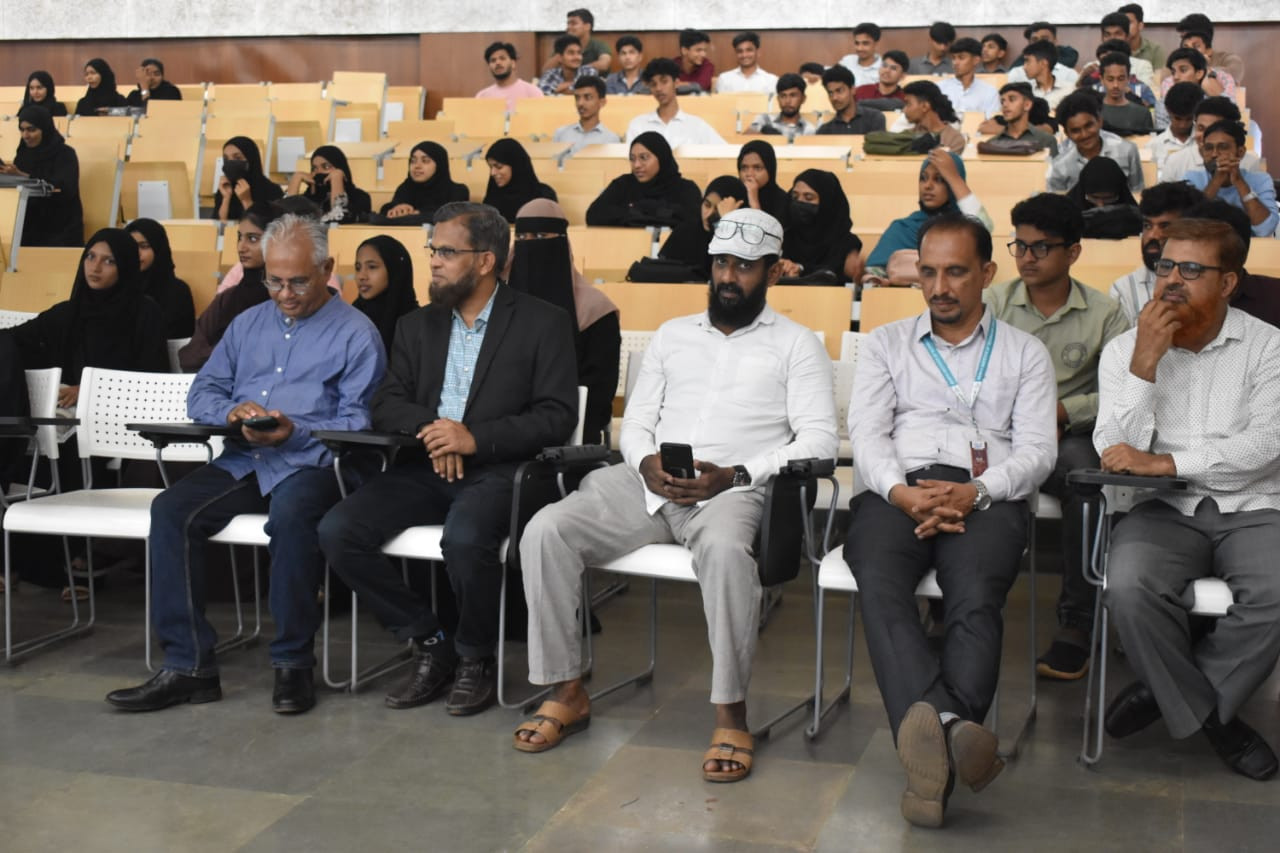
Mangaluru: The Bearys Institute of Technology (BIT) and Bearys Enviro Architectural Design School (BEADS) organized the Talent Hunt 2024 program for Pre-University Course (PUC) students on Tuesday, May 14. The event, held at the campus in the city, attracted participants from various regions of Karnataka and Kerala.
The test covered subjects including Physics, Mathematics, and Chemistry.
Commencing at 9:30 am, the program commenced with a warm welcome by Dr. Manjur Basha S I, Principal of BIT, followed by an enlightening session by Dr. Aziz Musthafa, Principal of BIES, who spoke on "How to prepare for the rapidly changing world." Attendees were also treated to a guided tour of the campus, showcasing its diverse facilities.
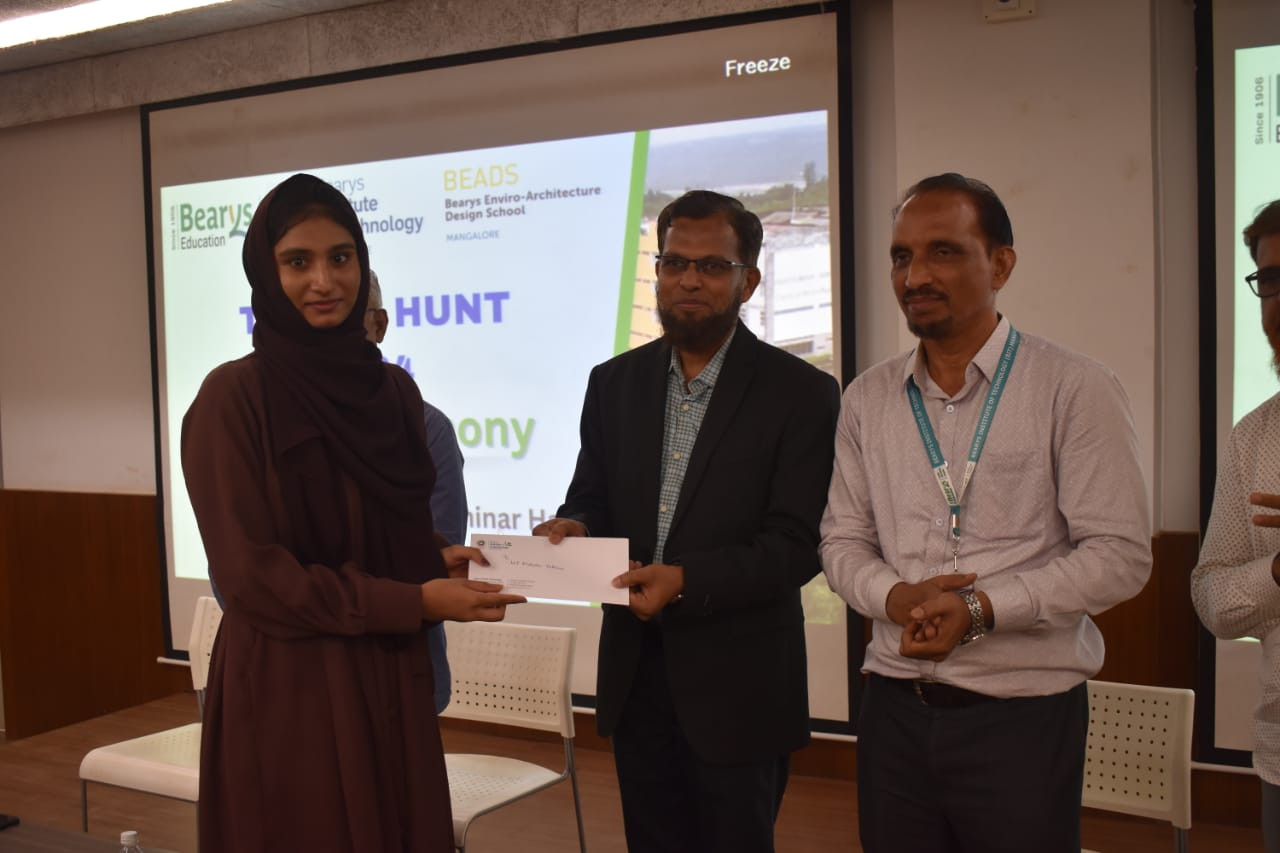
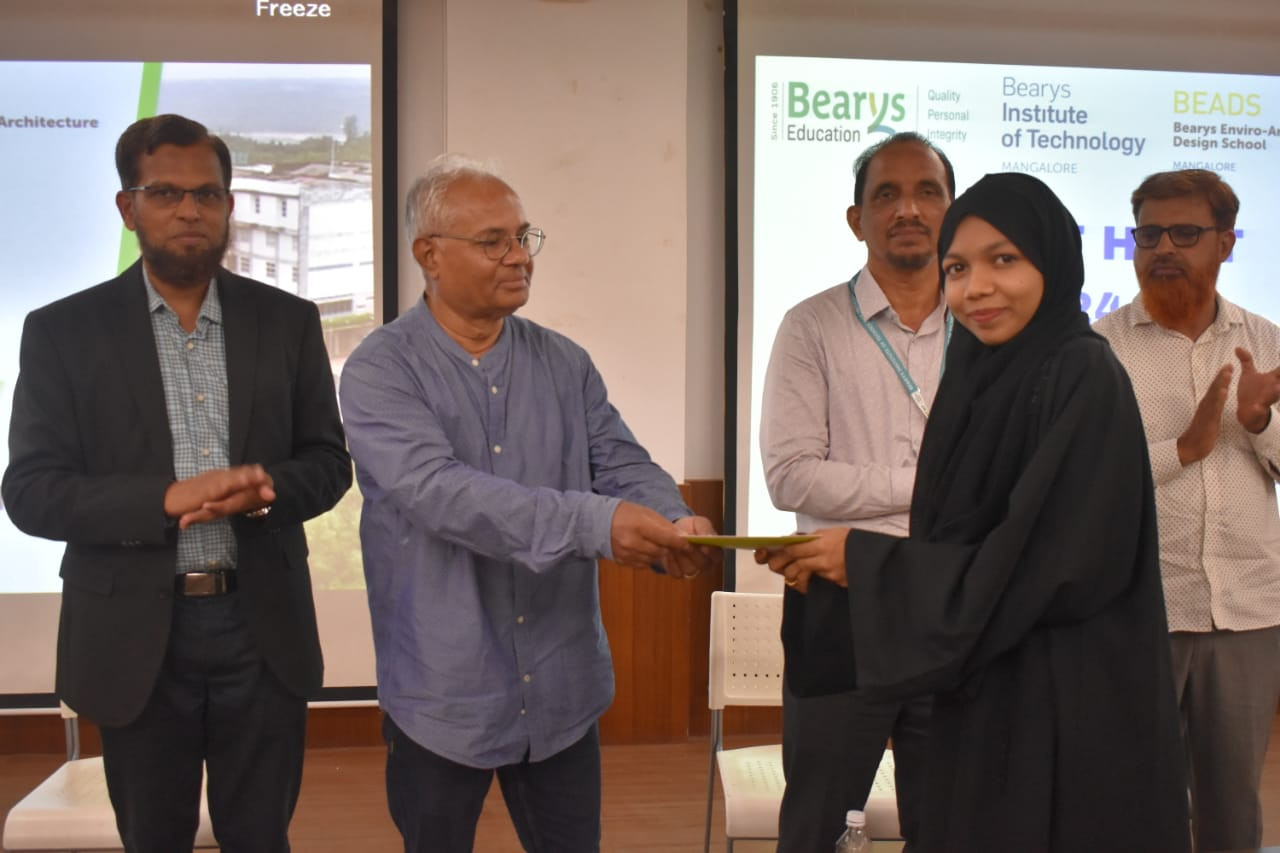
MP Maleeha Fathima secured a 100 percent scholarship, while Haneefa Riham and Shahida Banu were awarded 50 percent scholarships. Additionally, seven students received a 25 percent scholarship, with all other participants being granted a 10 percent scholarship.
Over 150 students with parents toured the campus and appreciated the student-centric facilities. Dr. Anjum Khan, HOD Basic Science delivered the vote of thanks, Ar. Khaleel, Principal, BEADS, Mrs. Prafwere, Admission Officer, and Heads of various Departments were also present.

Let the Truth be known. If you read VB and like VB, please be a VB Supporter and Help us deliver the Truth to one and all.
V.D. Satheesan elected as new Chief Minister of Kerala
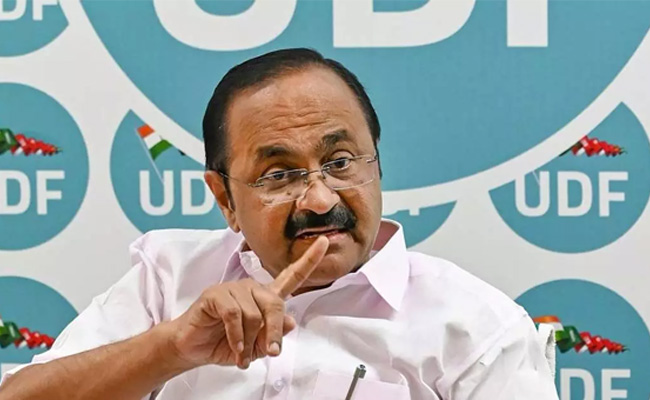
Thiruvananthapuram (PTI): Celebrations erupted across Kerala on Thursday after V D Satheesan was selected by the Congress High Command as the next Chief Minister of the state.
Satheesan was at the Contonment House in Thiruvananthapuram, the official residence of the Leader of the Opposition, when AICC leaders announced it in New Delhi.
Soon after the announcement, jubilant Satheesan supporters burst firecrackers and distributed sweets in several parts of the state.
Paravur in Ernakulam district, the Assembly constituency he has represented since 2001, witnessed large-scale celebrations.
Satheesan was widely seen as the frontrunner for the post, with UDF allies also backing his candidature during the selection process.
As the Leader of the Opposition in the outgoing Assembly, he led the UDF both inside and outside the House.
Apart from Satheesan, senior Congress leader Ramesh Chennithala and Congress MP K C Venugopal were also considered for the post.