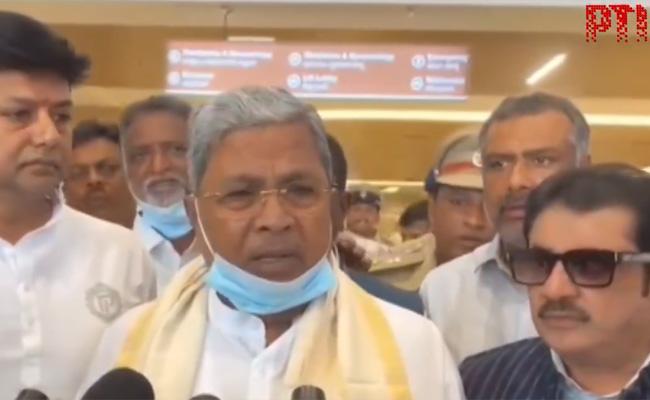
This restaurant in Mangaluru has been offering 'Free Iftaar' for everyone for four years now
"I envision a Mangaluru where nobody sleeps hungry round the year" says owner Muhammad Sarfraz
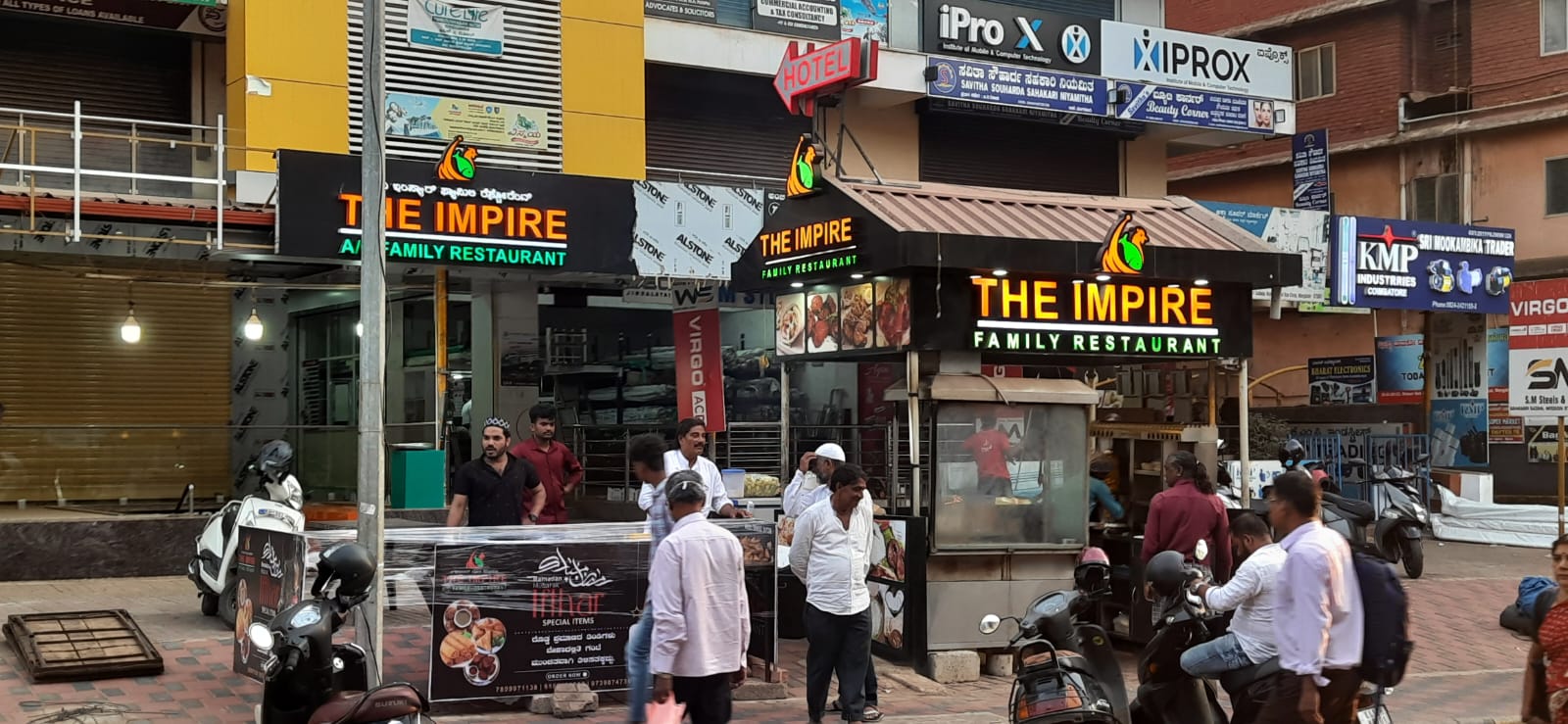
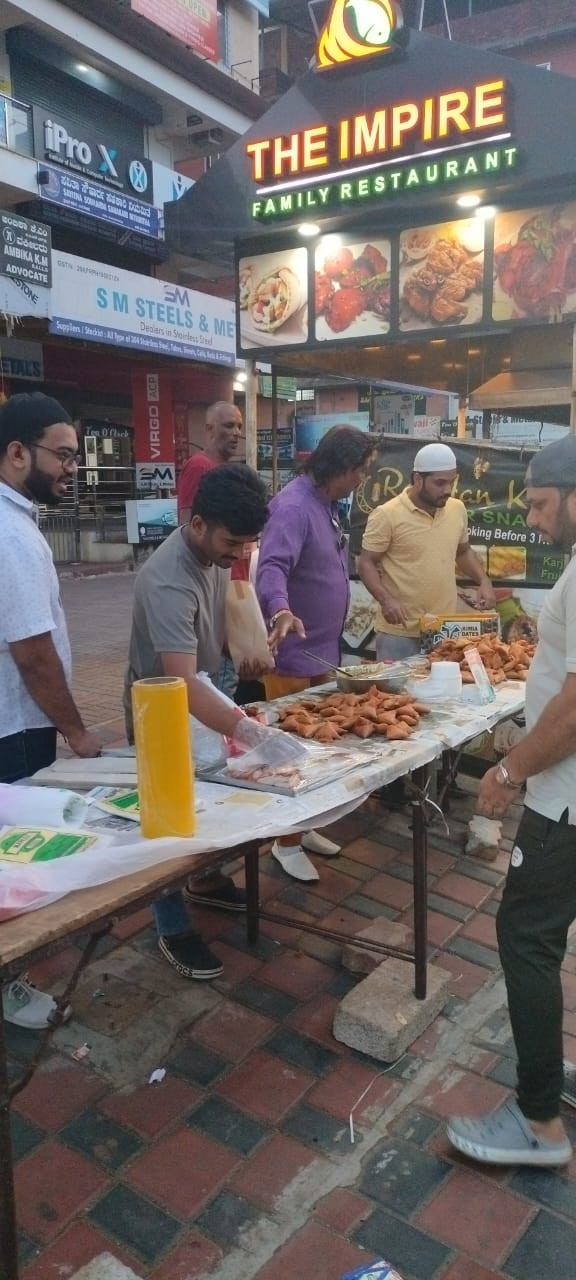
Mangaluru: As the Islamic holy month of Ramadan began on Thursday, March 23, 2023, the Impire Hotel in the city once again started its 'Free Iftaar’ scheme that it has been running for the last four years.
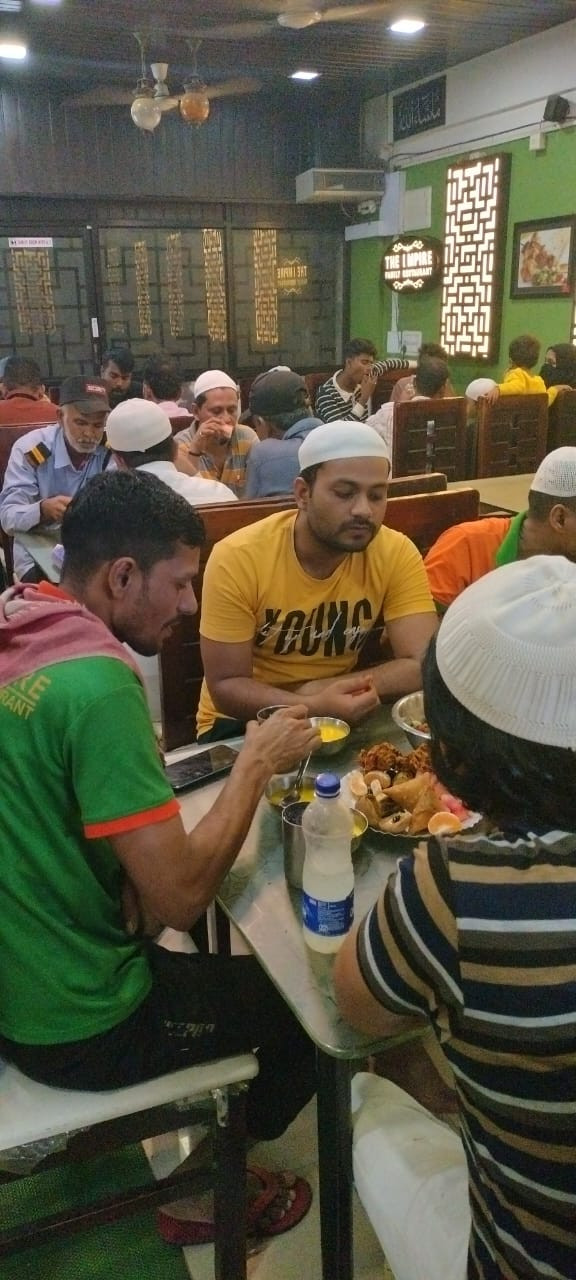
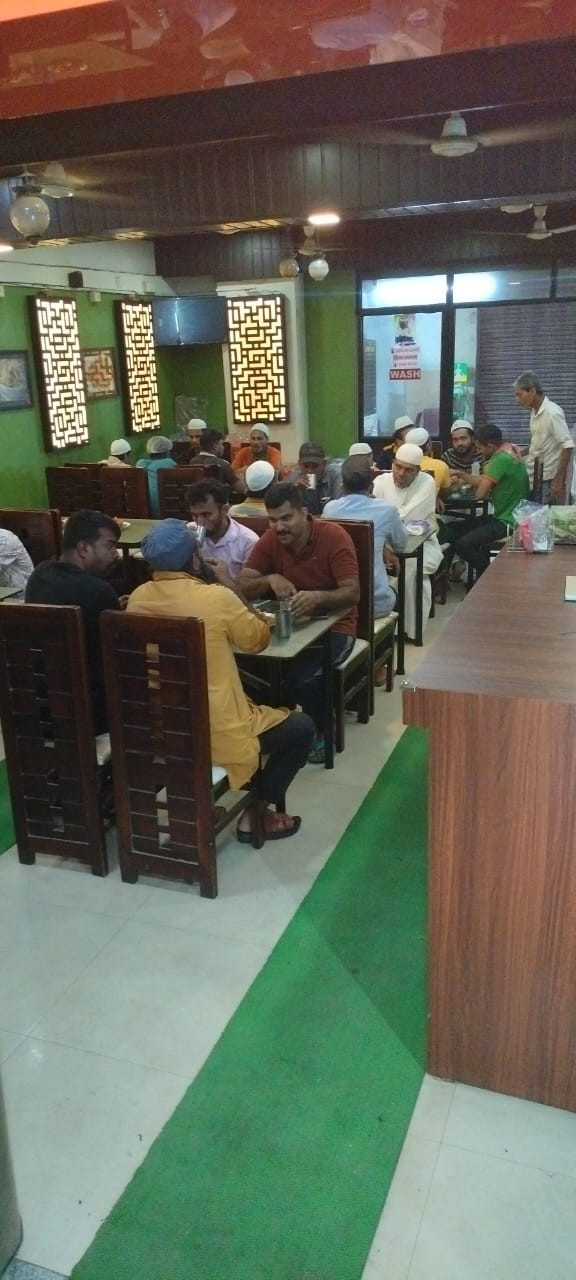
Located near the State Bank Bus Stand in the city, the restaurant offers free food for people fasting during the month of Ramadan. Those fasting can turn up at the restaurant during the Iftaar hour and can benefit from the free Iftaar facility.
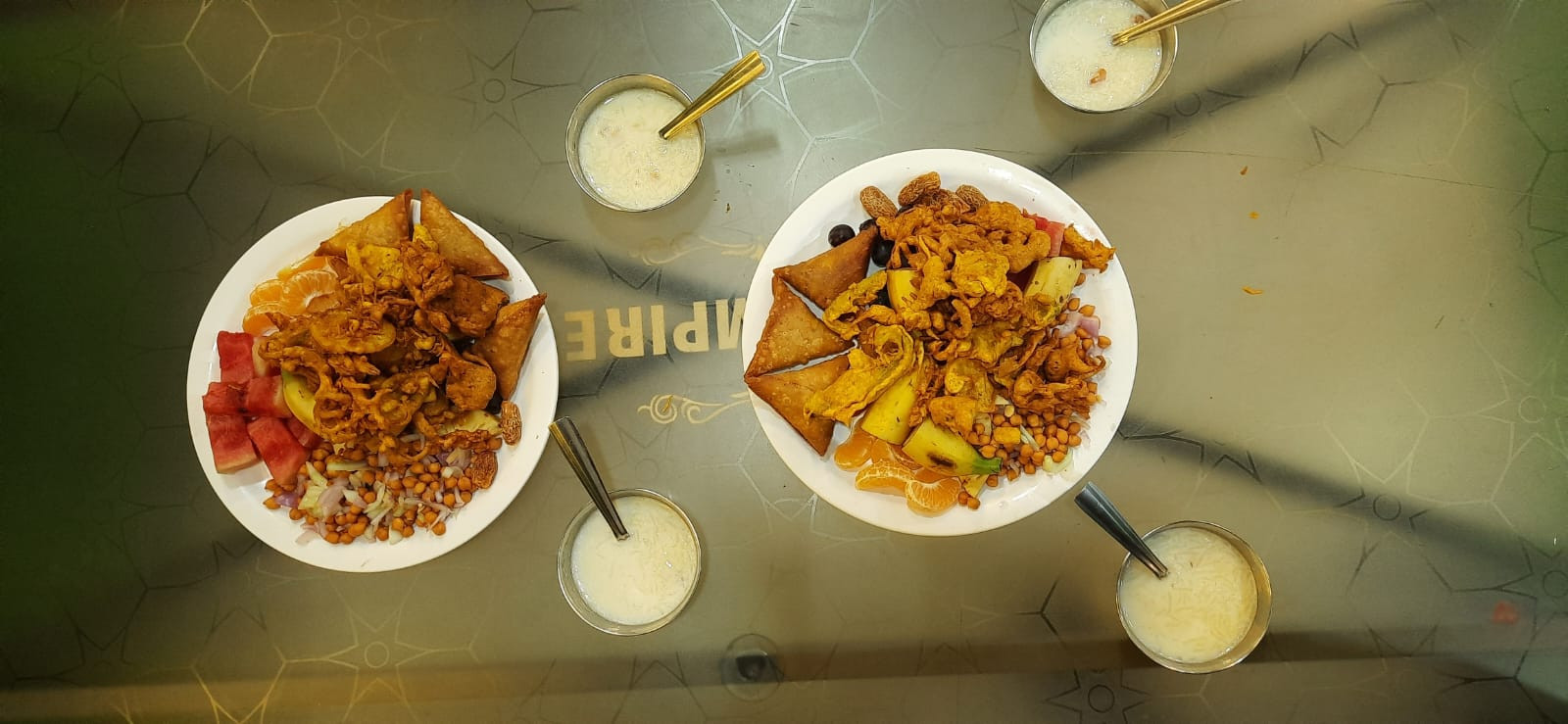
One of the owner-partner of the restaurant K Muhammad Sarfraz, claims he serves the same food at the free Iftaar meal that he himself eats without compromising on the quality of the food items or ingredients.
“Not just during Ramadan, even during the non-Ramadan days, people who cannot afford food can come and eat at our restaurant. We run the business with the motive that people need not have money to eat at our restaurant,” Sarfaraz who is on an Umrah pilgrimage in Makkah along with his other owner-partner of restaurant Muhammad Thanveez told Vartha Bharati.
“I envision a Mangaluru where nobody sleeps hungry. So whenever someone cannot afford food, and comes to us, we serve them and do not ask any questions. They do not even have to inform us before eating that they cannot afford the food, it has happened before,” Sarfaraz added.
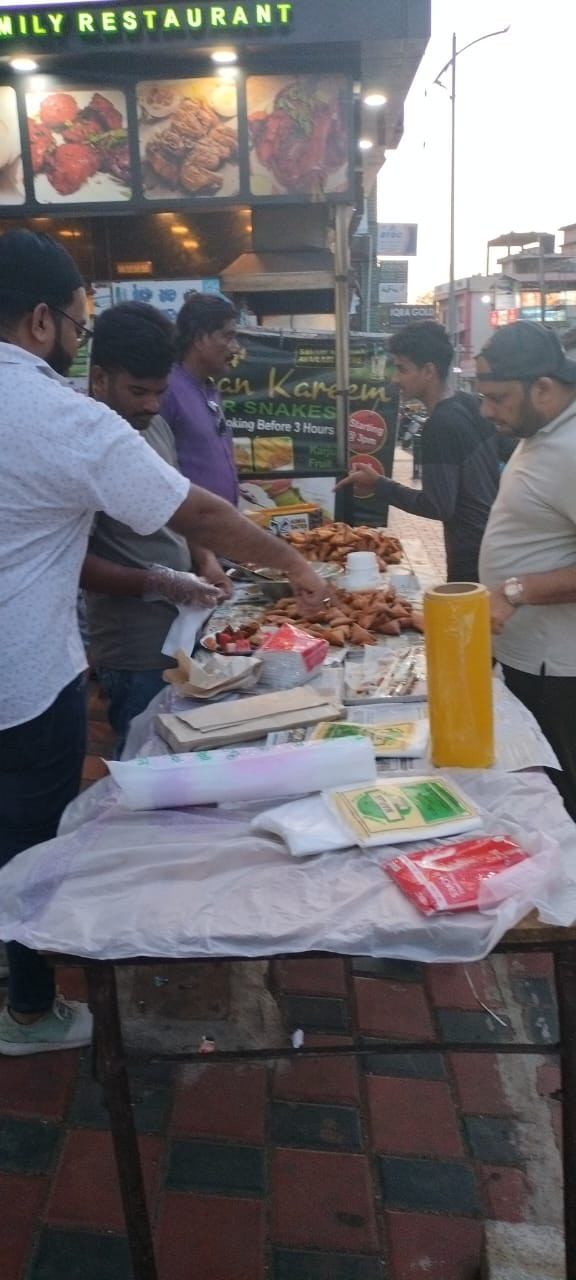
During the Iftaar hours, all the tables at the restaurant are arranged with snacks and Iftaar food items including date and juice. People who wish to break their fast at the restaurant come and take seats and wait for Azaan's call to break their fasts.
The restaurant also offers meals for supper (Sehri) but it is only free for those who cannot financially afford the meal and those who can pay, shall pay, Sarfaraz added.
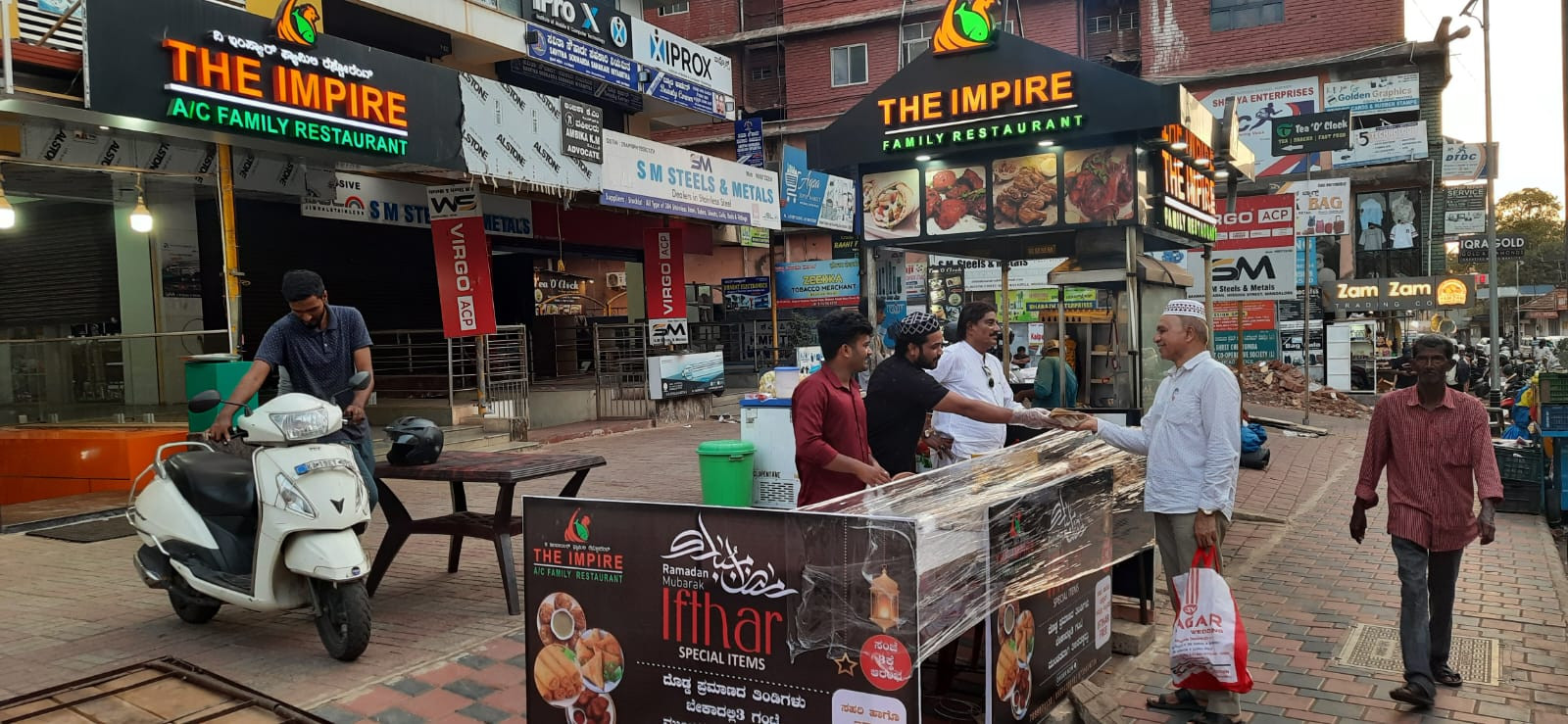
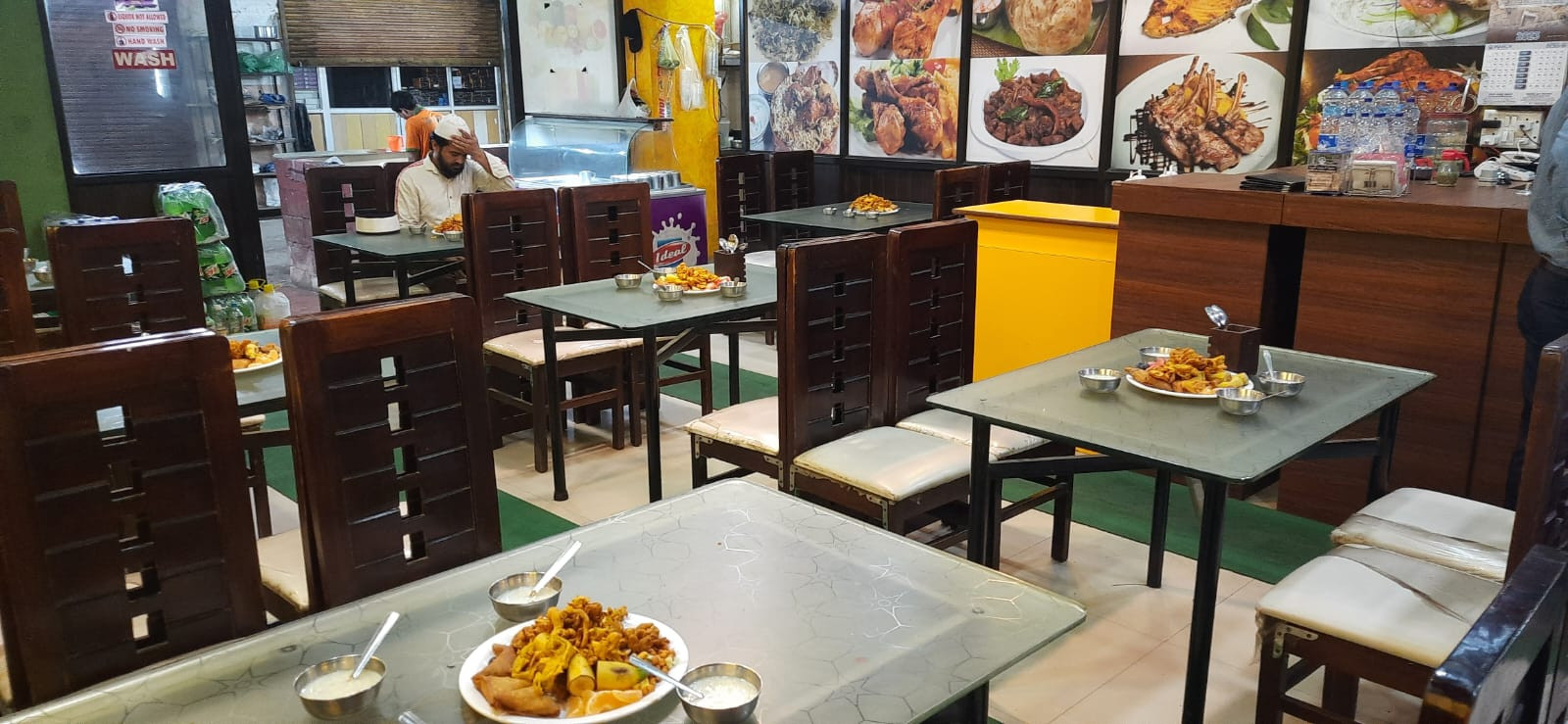
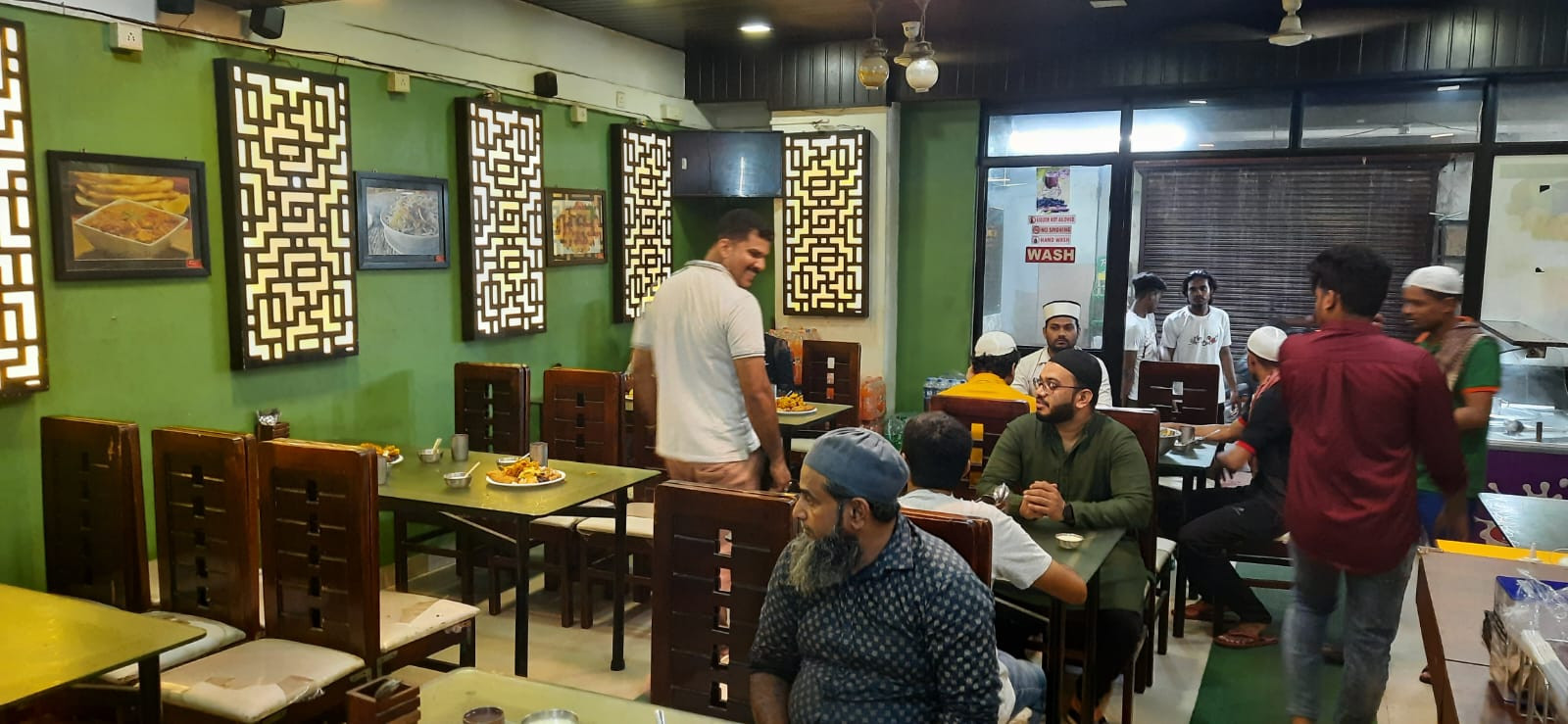
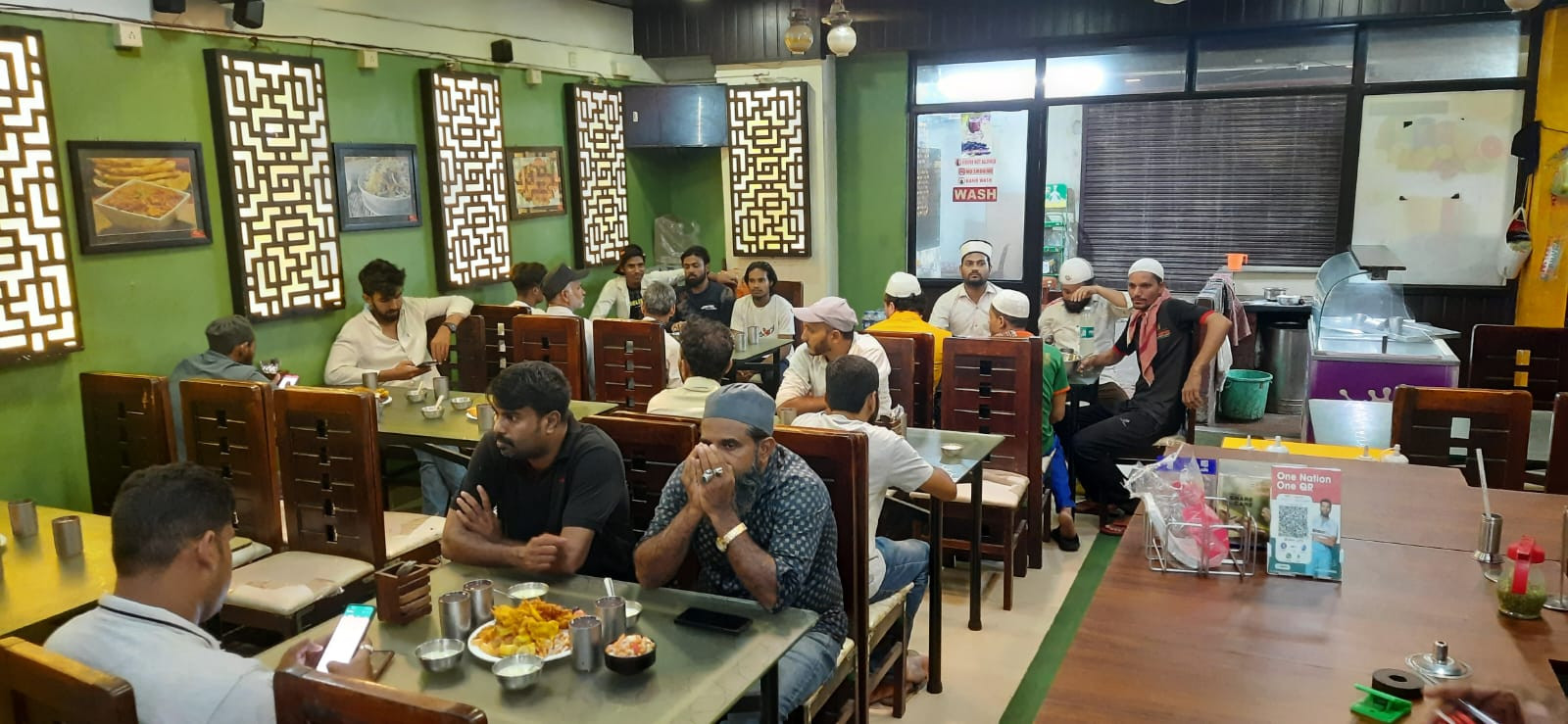
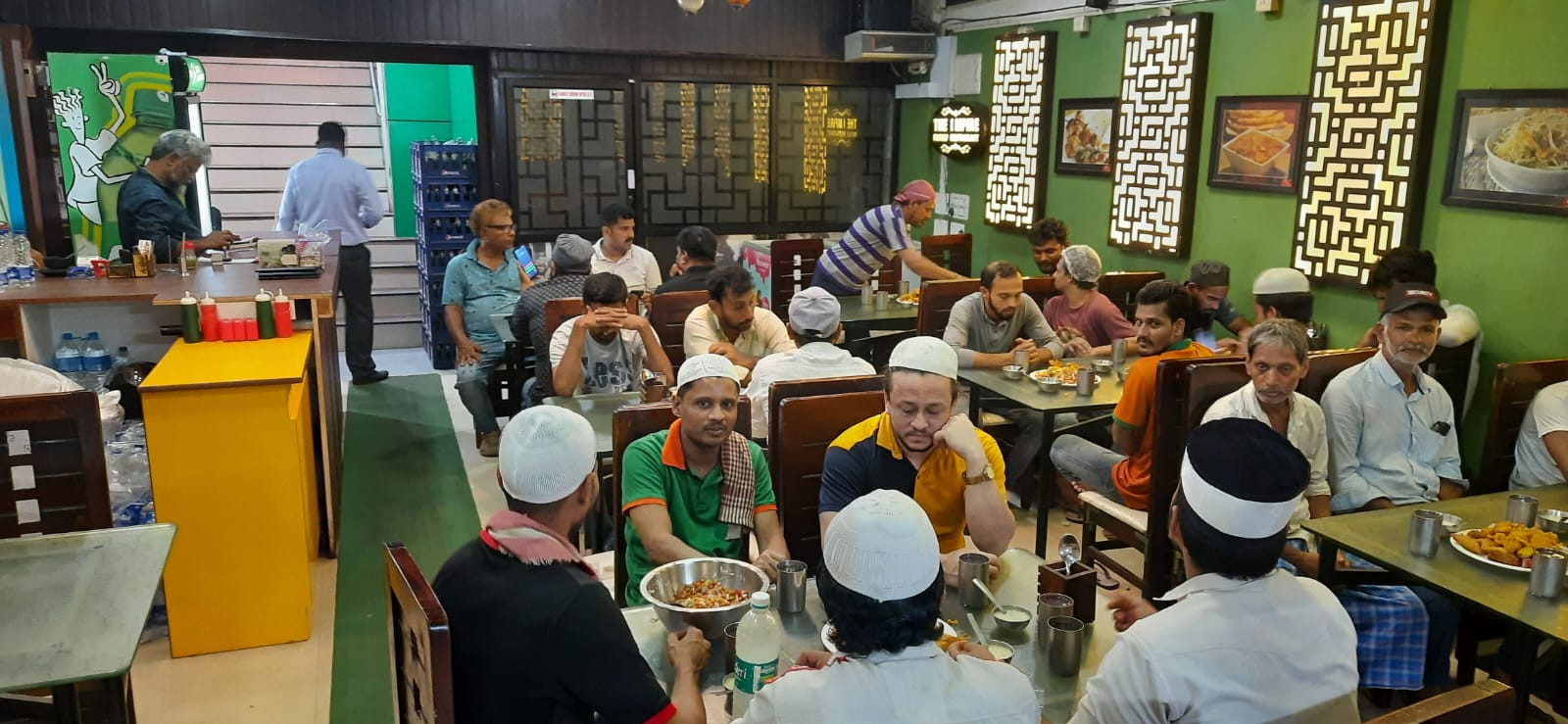
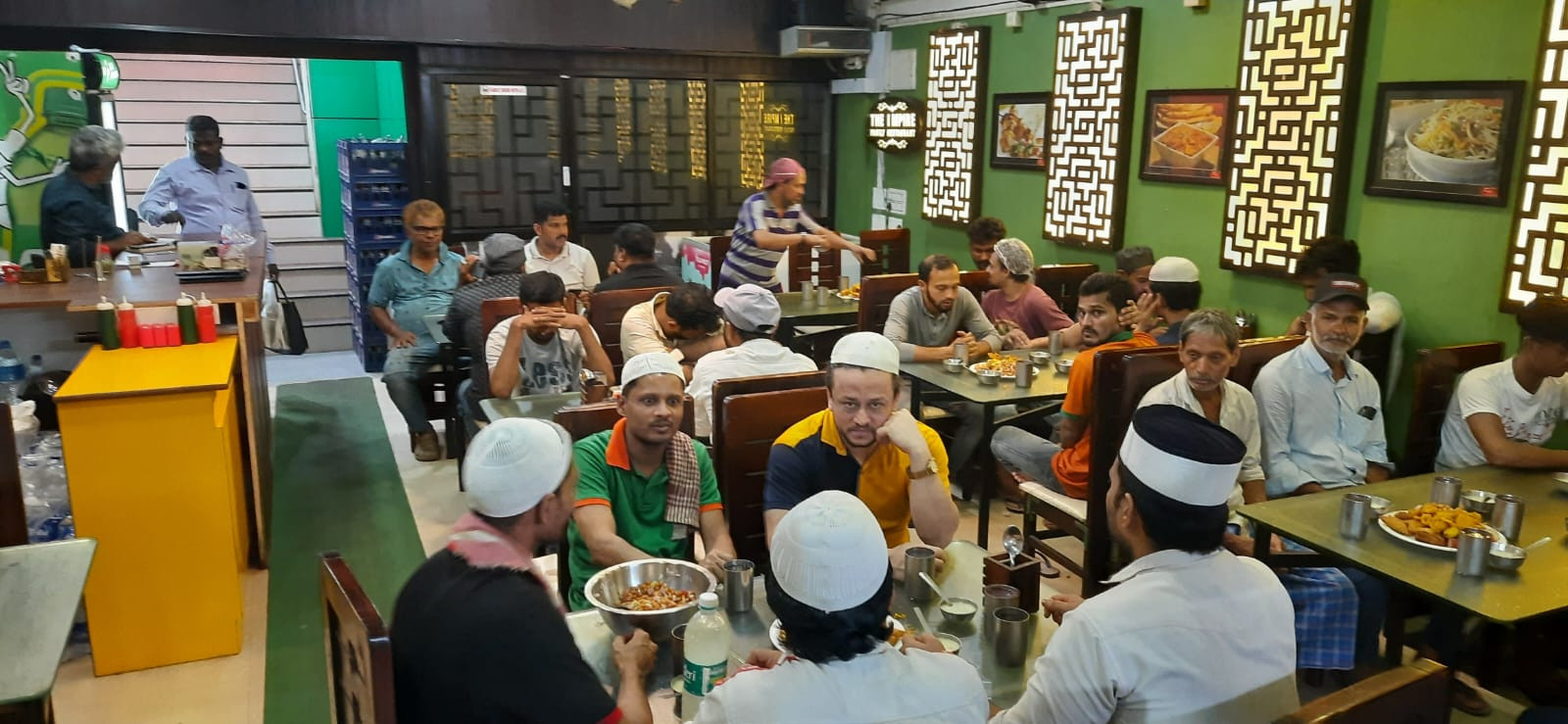
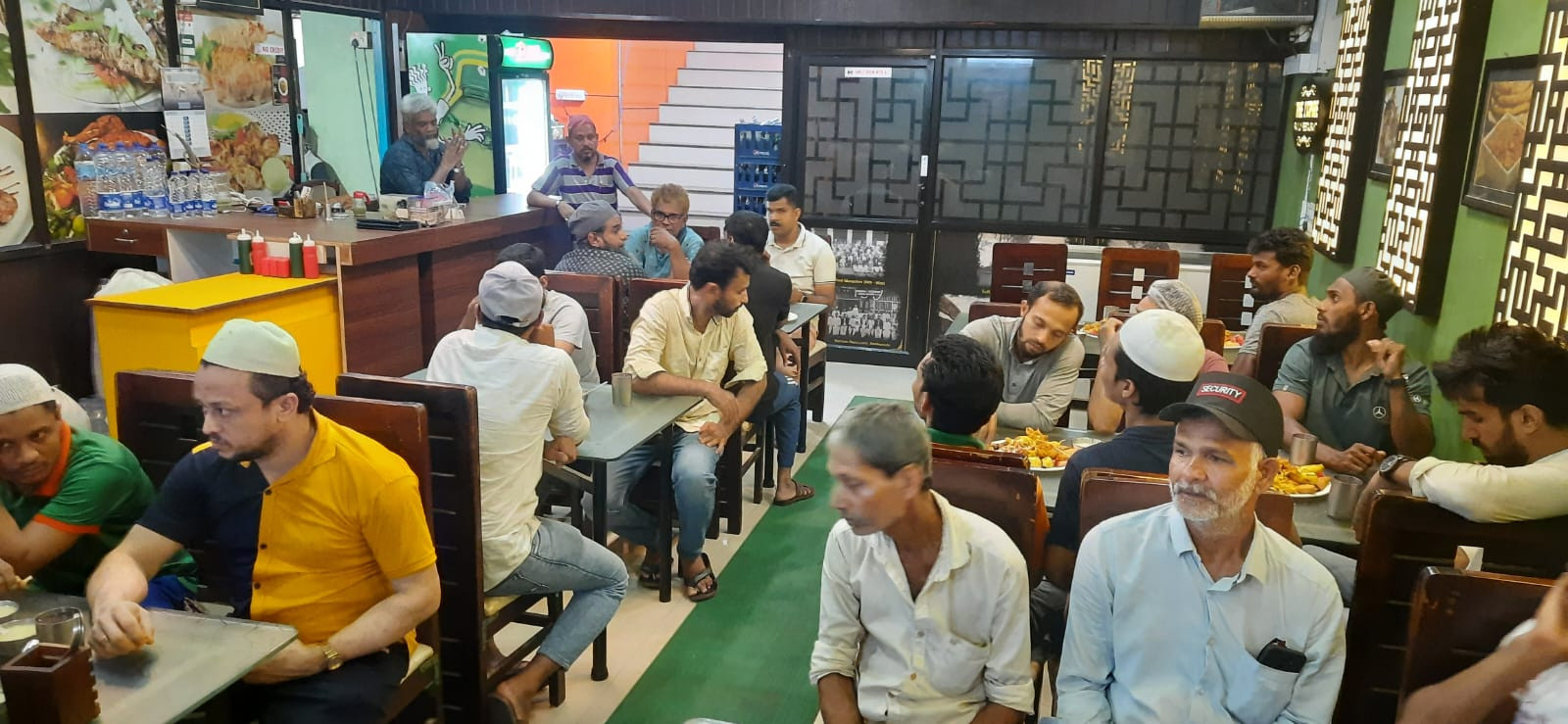
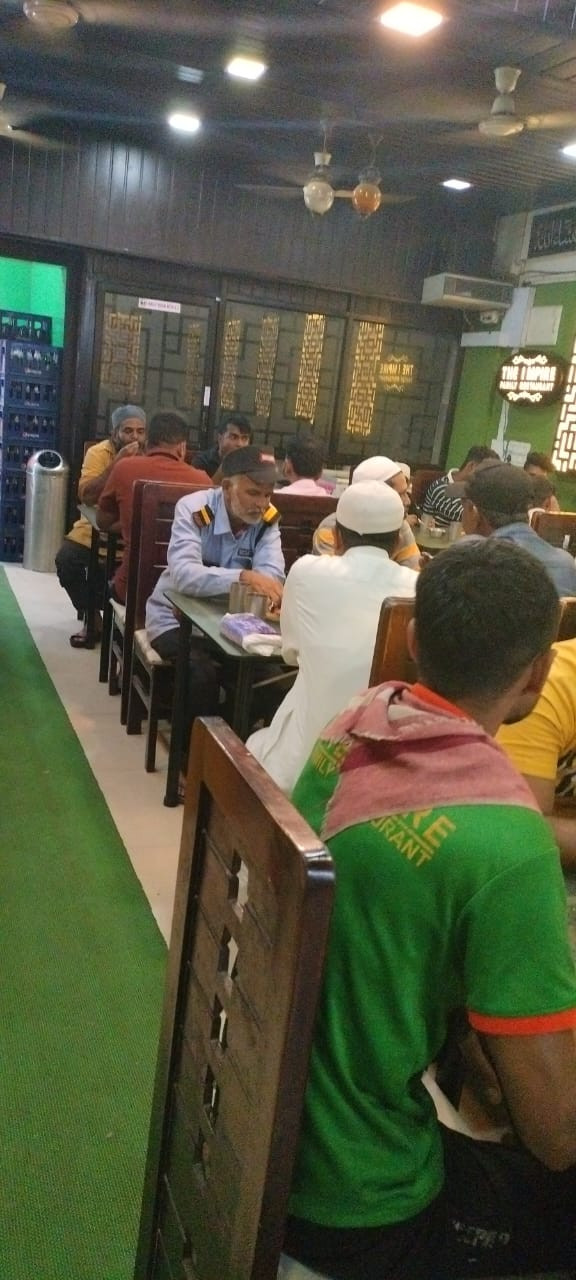
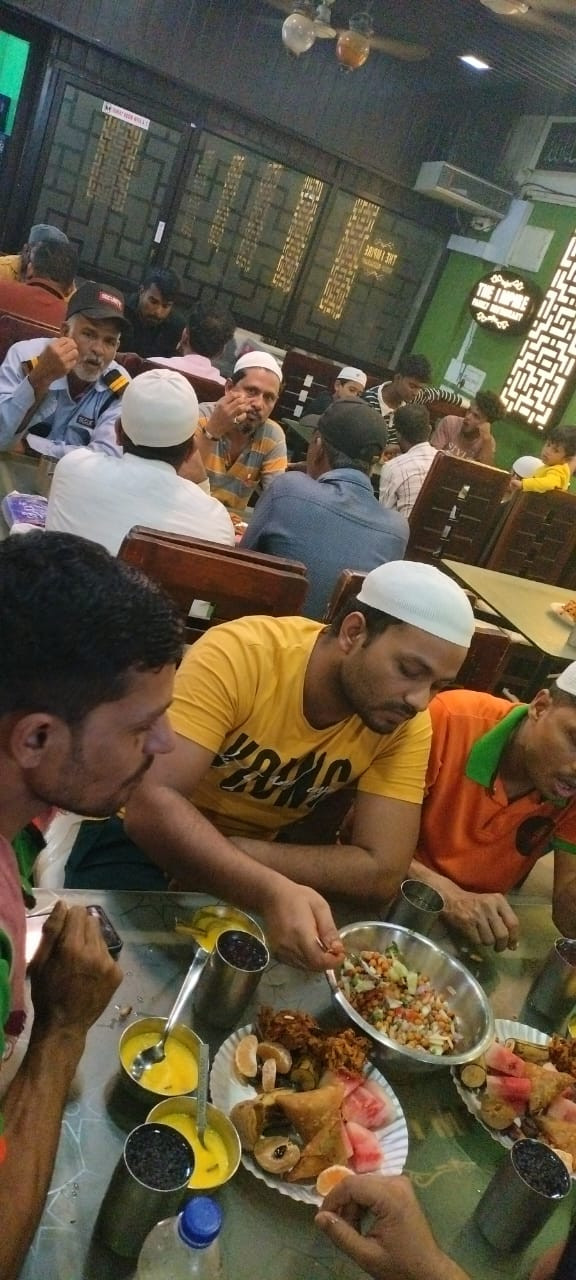
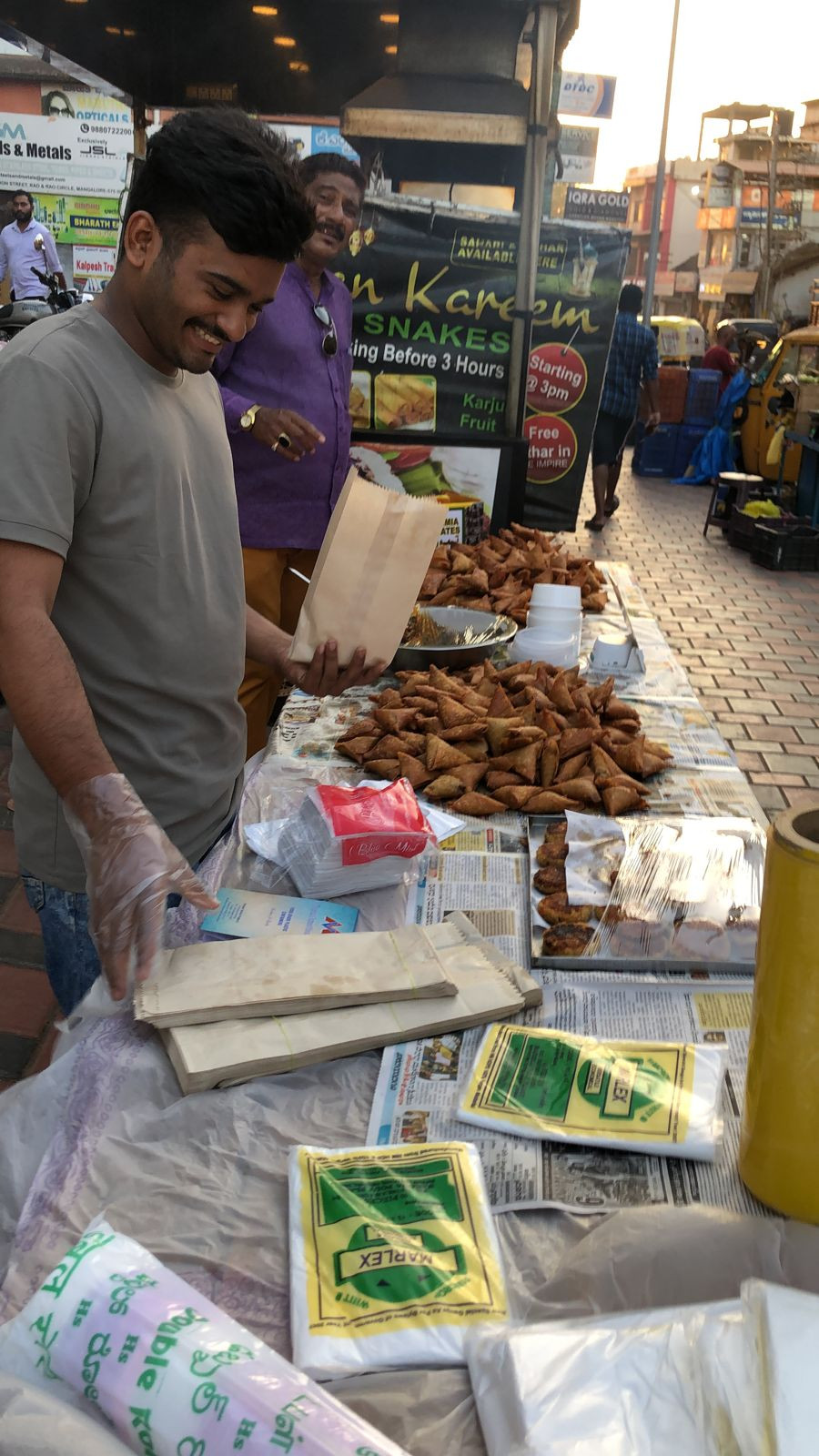

Owner-Partners Mohammed Sarfaraz (Left), and Mohammed Thanveez
Let the Truth be known. If you read VB and like VB, please be a VB Supporter and Help us deliver the Truth to one and all.
Man allegedly arrives with deadly weapon to attack another, caught by public in Jokatte
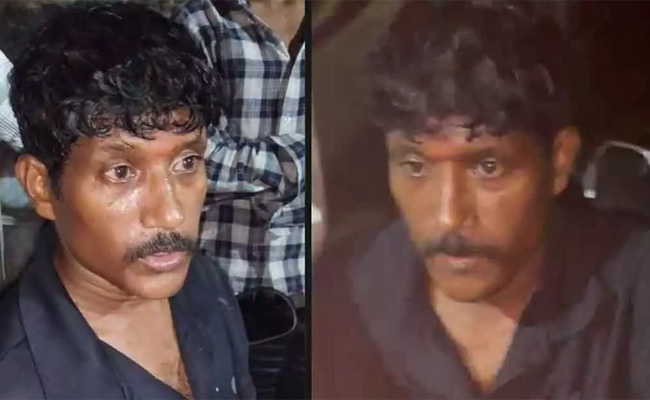
Panambur: A man who allegedly came armed to attack another person was caught by members of the public and later handed over to police in Jokatte late on Friday night.
The accused has been identified as Naveen Poojari, originally from Vamanjoor and presently residing in Jokatte.
According to police sources, Naveen was married and has an eight-year-old son. The couple are now divorced.
Police said Naveen suspected that his former wife, who is employed at a showroom in Padil, was moving closely with Devi Prasad Acharya, a mechanic working there.
Based on this suspicion, Naveen allegedly went to the house of Devi Prasad Acharya on Friday night carrying a deadly weapon, created a scene and issued threats.
During the incident, Devi Prasad Acharya reportedly contacted the 112 emergency helpline, following which Naveen fled from the spot.
While escaping, Naveen is said to have fallen from his two-wheeler near the Jokatte Panchayat area. Local residents who rushed to help noticed a deadly weapon on the vehicle and immediately alerted police.
Officials from Panambur Police Station rushed to the spot, took Naveen into custody and brought him to the station.
A case has been registered based on the complaint filed by Devi Prasad Acharya, and further action is under way.