Thorough investigation by IT Dept will reveal more details in Medical seats blocking scam: Dy.CM
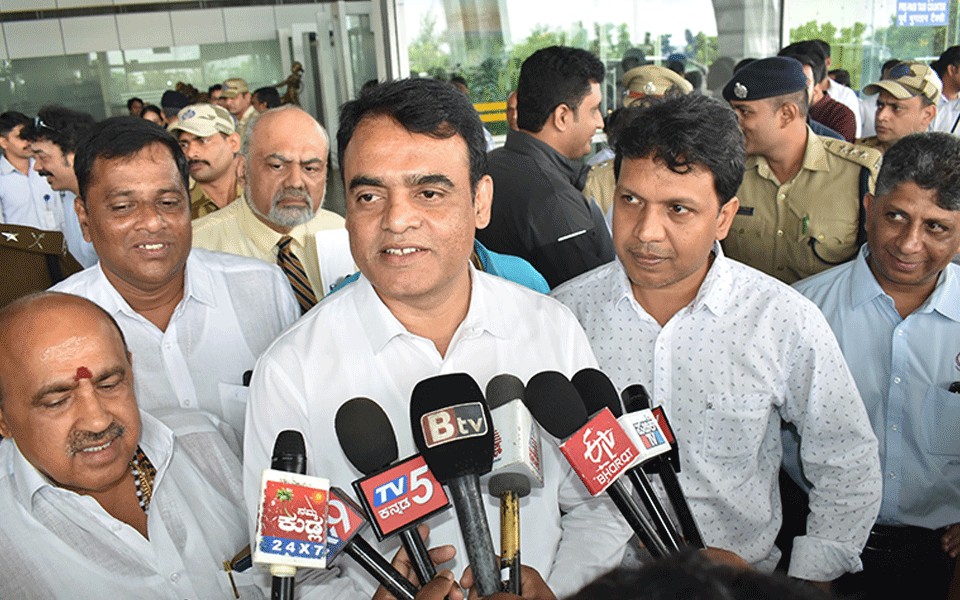
Mangaluru: Karnataka Deputy Chief Minister Dr. C N Ashwatnarayan on Friday added that a thorough investigation by Income Tax Department will reveal information about the possible Medical seats blocking scandal in the state.
He was replying to a query of reporters in Mangaluru after arriving in the city on Friday, Ashwatnarayan was asked if IT raids at former Dy.CM Dr. G Parameshwara run educational institution was connected to the medical seats blocking scandal.
The BJP leader replied “There are possibilities that the government and medical colleges were both running the scandal. But based on the complaints and allegations we cannot come to a conclusion. Only after thorough investigation by IT Department things will be cleared”.
“There are government quota seats in all private medical colleges. When these seats are not filled it is allotted to the respective colleges. Some educational institutions misuses this, allegations have also been labeled against few institutions in this regard. But it is not clear if Dr. Parameshwara’s institutions are involved in such practices. The raid was in connection with black money, undisclosed assets” he added.
Let the Truth be known. If you read VB and like VB, please be a VB Supporter and Help us deliver the Truth to one and all.
4 workers die after being buried under coal slurry in Jharkhand's Dhanbad
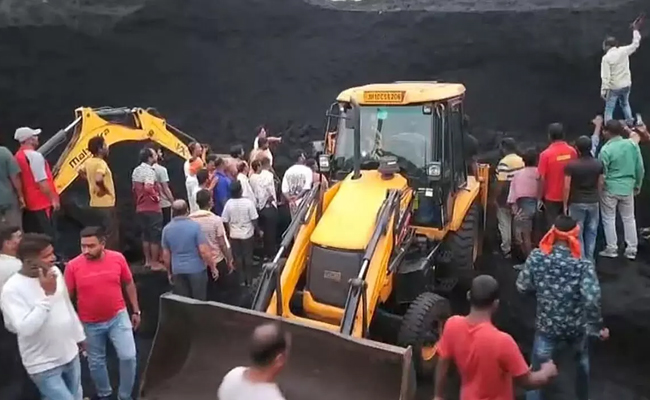
Dhanbad (Jharkhand) (PTI): At least four workers died after being buried under coal slurry in Jharkhand's Dhanbad district on Saturday, a police official said.
The incident took place at Moonidih coal washery in the command area of Bharat Coking Coal Limited (BCCL).
"Bodies of all four workers were dug out of debris during a rescue operation," Putki police station in-charge Waqar Hussain told PTI.
The incident took place when coal slurry was being loaded into trucks by workers, during which a large chunk of slurry fell and trapped several workers underneath, officials said.
The deceased have been identified as Manik Bauri, Dinesh Bauri, Deepak Bauri, and Hemlal Gope.
Meanwhile, the family members of the deceased and local villagers placed the bodies in front of the washery gate and began a protest.
They demanded compensation, jobs for dependents and action against those responsible for the incident.
Police and administration officials are trying to pacify the protesters, an official said.