Truck, bus owners should install speed governors with limit of 60 kmph on vehicles, says Udupi SP
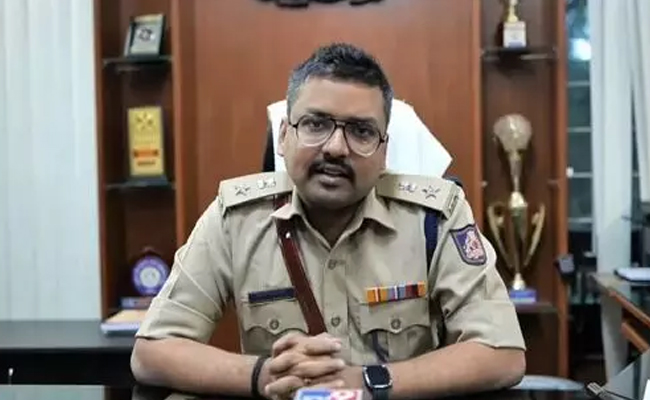
Udupi: The Udupi District Road Safety Authority has made it mandatory for heavy vehicles including buses and trucks transporting stones and sand to get speed governors to prevent accidents, Superintendent of Police Hariram Shankar has said.
With several accidents due to overspeeding of transport vehicles and negligence of drivers being reported from the district, the Authority has restricted the speed limit of the heavy vehicles to 60 kmph. The rule will be applicable to all six-wheelers and larger vehicles carrying sand, stone and soil in the district, the senior officer said.
The decision was taken at a recent meeting of the Authority. Truck drivers and owners are given 10 days’ time to install the speed governors in their vehicles. Pamphlets will be distributed to spread awareness among the owners regarding the rules, Shankar added.
In addition, bus owners are instructed to install doors on their vehicles by January 20. Buses found without doors will be confiscated and the owners will have to pay fine, the SP warned.
Let the Truth be known. If you read VB and like VB, please be a VB Supporter and Help us deliver the Truth to one and all.
4 workers die after being buried under coal slurry in Jharkhand's Dhanbad
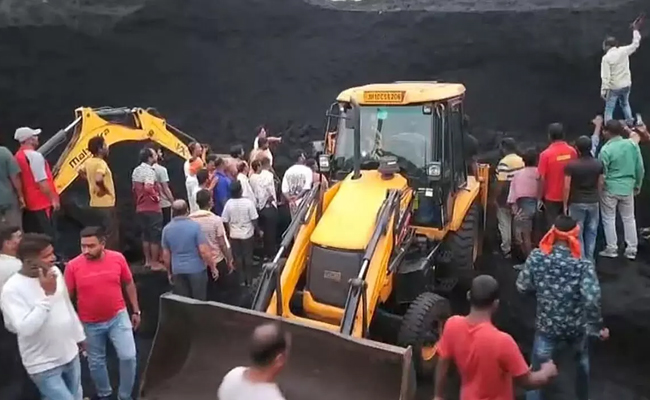
Dhanbad (Jharkhand) (PTI): At least four workers died after being buried under coal slurry in Jharkhand's Dhanbad district on Saturday, a police official said.
The incident took place at Moonidih coal washery in the command area of Bharat Coking Coal Limited (BCCL).
"Bodies of all four workers were dug out of debris during a rescue operation," Putki police station in-charge Waqar Hussain told PTI.
The incident took place when coal slurry was being loaded into trucks by workers, during which a large chunk of slurry fell and trapped several workers underneath, officials said.
The deceased have been identified as Manik Bauri, Dinesh Bauri, Deepak Bauri, and Hemlal Gope.
Meanwhile, the family members of the deceased and local villagers placed the bodies in front of the washery gate and began a protest.
They demanded compensation, jobs for dependents and action against those responsible for the incident.
Police and administration officials are trying to pacify the protesters, an official said.