Udupi gears up for 'Paryaya Mahotsava' as Shiroor Matha takes over Sri Krishna Temple
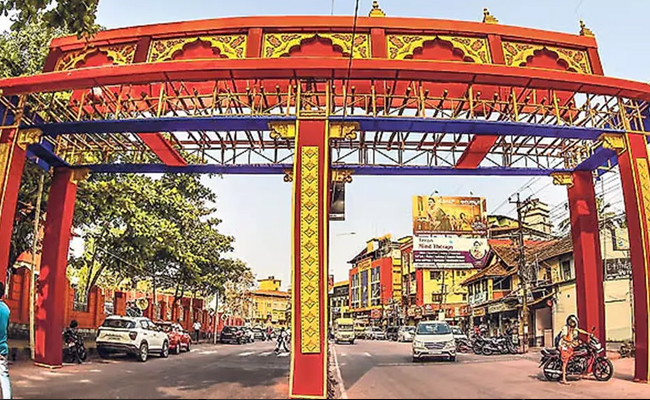
Udupi (Karnataka) (PTI): The coastal temple town of Udupi will witness the biennial 'Paryaya Mahotsava' in the early hours of January 18, marking the ceremonial transfer of ritual and administrative control of the Sri Krishna Temple to Shiroor Matha.
Sri Vedavardhana Tirtha Swamiji of Shiroor Matha will assume charge as the pontiff-administrator of the temple for the 2026-28 term, authorities said.
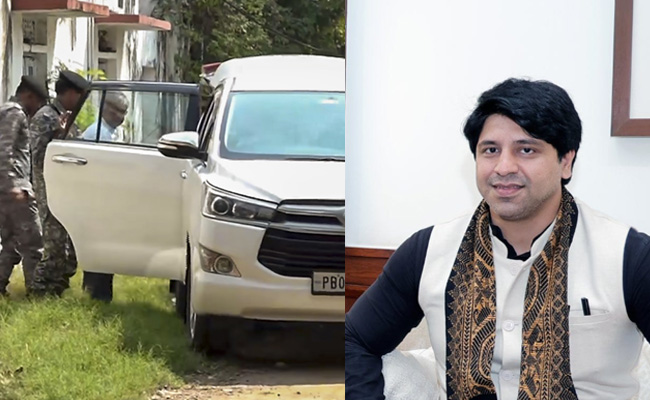
Several religious heads and prominent leaders, including Union Minister H D Kumaraswamy and Deputy Chief Minister D K Shivakumar, are expected to attend.
Over two lakh devotees are expected, with annadana arranged for about 40,000 people on the night of January 17 and 50,000 the following day.
ALSO READ: ₹70,000 car, ₹1.11 lakh fine: Bengaluru student penalised for illegal modifications
The 'Paryaya' system is a rotational arrangement under which the temple is managed by the eight Ashta Mathas—Pejavara, Puttige, Adamaru, Krishnapura, Shiroor, Sodhe, Kaniyoor and Palimaru—each taking charge for two years.
The system was instituted by 13th-century philosopher-saint Sri Madhwacharya, founder of the Dvaita school of philosophy.
The 'mahotsava' will begin with the incoming pontiff taking a ritual holy dip at Dandatirtha near Kapu at 1.15 am, followed by a grand procession from Jodukatte at 2 am.
The procession, marked by chanting, traditional music and folk performances, will pass through Car Street before dawn.
Udupi MLA Yashpal Suvarna said elaborate arrangements have been made for the smooth conduct of the event.
The 'Paryaya Mahotsava' symbolises the continuity of Madhwacharya’s model of collective religious governance, which has shaped Udupi as a major centre of Vaishnavite worship, learning and community life for over centuries.
Let the Truth be known. If you read VB and like VB, please be a VB Supporter and Help us deliver the Truth to one and all.
Health Minister Dinesh Gundu Rao criticizes Centre for steep hike in commercial LPG price
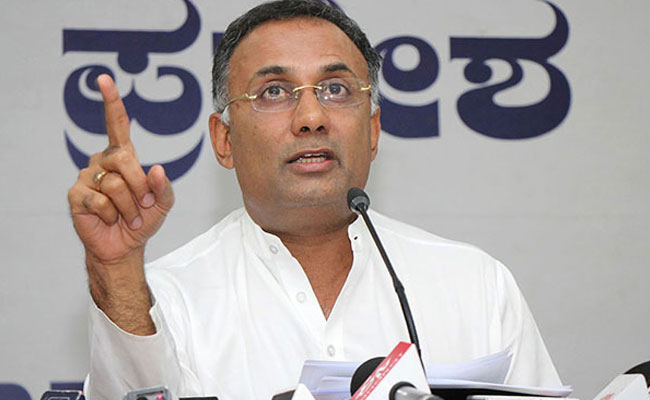
Bengaluru: Karnataka Health Minister Dinesh Gundu Rao has slammed the BJP government in the Centre for the hike in the price of commercial LPG, saying the sudden rise of the fuel rate by Rs 993 a cylinder has hit the common man hard.
Critically commenting that this was expected of the Centre after elections to five states, Rao posted in Kannada on his ‘X’ account on Saturday that the people have been shown only the trailer and, the real struggle is yet to begin.
“Since there is no election in any state, there will certainly be major hikes in the rates of petrol, diesel and domestic LPG in barely a few days,” he has predicted.
The minister has further tweeted, “The rate of commercial LPG has gone up to Rs 3,152 per cylinder, which will hit the hotel industry greatly. Ironically, the direct impact of the hike will be on customers of hotel.”
He pointed out that, earlier, the price used to be hiked by approximately Rs 50 and Rs 100 a cylinder. “This time, the rate has been shot up by Rs 993. What do we call this except daylight robbery? Can this be the ‘Acche Din’ that the BJP has been promising?” Rao asked mockingly.
He also questioned the cause for BJP members’ silence for the rate hike, reminding that the party always ‘threw a tantrum’ when a non-BJP government does so even at a minor level. “Does this reflect their fear of ‘Vishwaguru’ Modi? Is it the party’s sheer disregard for the welfare of the people?” he has questioned.
ಊಹಿಸಿದಂತೆಯೇ ಪಂಚರಾಜ್ಯ ಚುನಾವಣೆ ಬಳಿಕ ಕೇಂದ್ರ ಸರ್ಕಾರ ಬೆಲೆಯೇರಿಕೆಯ ಛಾಟಿ ಬೀಸಲು ಪ್ರಾರಂಭಿಸಿದೆ. ಕಮರ್ಷಿಯಲ್ ಸಿಲಿಂಡರ್ ಬೆಲೆಯನ್ನು ಏಕಾಏಕಿ ₹993 ಏರಿಸುವ ಮೂಲಕ ಮರ್ಮಘಾತ ನೀಡಿದೆ. ಚುನಾವಣೆ ಮುಗಿದ ಕೂಡಲೇ ಬೆಲೆಯೇರಿಕೆ ನಿರೀಕ್ಷಿತವಾಗಿತ್ತು. ಆದರೆ ಒಂದೇ ಭಾರಿ ₹993 ಹೆಚ್ಚಳ ಮಾಡಿರುವುದು ಅನಿರೀಕ್ಷಿತದ ಜೊತೆಗೆ ಆಘಾತ ತಂದಿದೆ.…
— Dinesh Gundu Rao/ದಿನೇಶ್ ಗುಂಡೂರಾವ್ (@dineshgrao) May 2, 2026