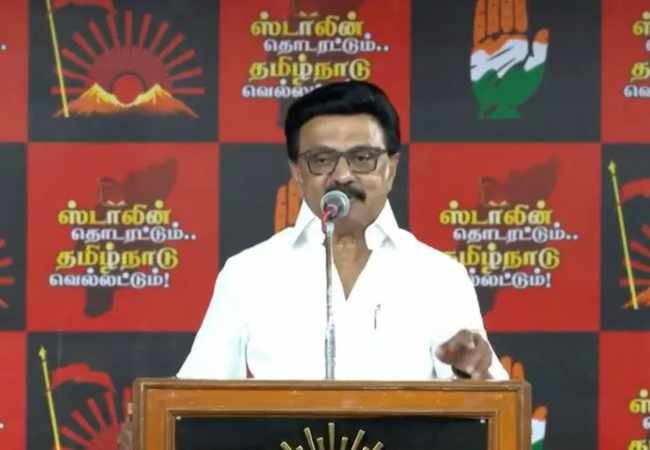
Udupi: Mahesh Shetty Timarodi arrested for derogatory remarks against B.L. Santhosh

Udupi: The Brahmavar police on Thursday arrested Mahesh Shetty Timarodi, founder of the Rashtriya Hindu Jagarana Vedike and a known supporter of Soujanya’s cause, for allegedly making derogatory remarks against BJP National General Secretary (Organisation) B.L. Santhosh.
According to the police, Timarodi had used abusive language against B.L. Santhosh on social media, allegedly insulting him and creating enmity among different religions and communities. Following a complaint filed by Rajeev Kulal, President of Udupi Rural BJP Mandal, a case was registered.
Police sources said that notices had been issued twice to Timarodi asking him to appear for questioning, but he failed to comply. On Thursday morning, Brahmavar police, led by Inspector Ashok Malgi, went to his residence in Timarodi, near Ujire, and brought him to the station. He was questioned intensively for nearly two and a half hours, and later, under the supervision of Udupi SP Hariram Shankar, he was interrogated further till evening.
In the evening, police formally arrested him. Before being produced in the Brahmavar court, Timarodi was taken to the Brahmavar Community Health Centre for a medical check-up.
Meanwhile, his arrest triggered a large gathering of people outside the Brahmavar police station and the Community Health Centre. Heavy police deployment has been arranged in the area to prevent any untoward incident.
Let the Truth be known. If you read VB and like VB, please be a VB Supporter and Help us deliver the Truth to one and all.
West Asia: India supplied 22,000 MT of high-speed diesel to Bangladesh in March, says MEA
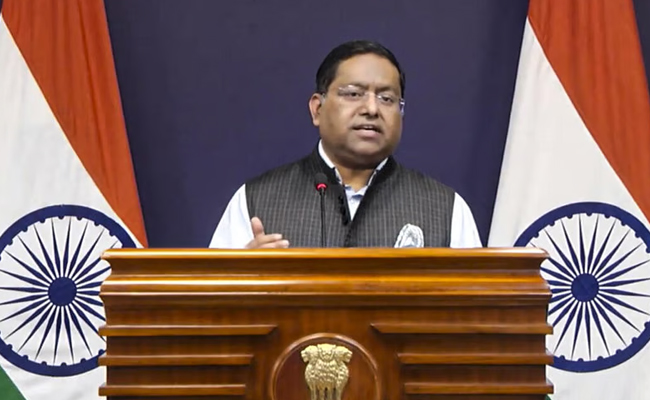
New Delhi (PTI): Amid the ongoing West Asia conflict, India has supplied 22,000 metric tonnes of high-speed diesel to Bangladesh in March and has received a request from Seychelles and the Maldives to meet their energy requirements, the MEA said on Friday.
At his weekly briefing, Ministry of External Affairs (MEA) spokesperson Randhir Jaiswal in his response to a query related to requests received from India's neighbouring countries for fuel amid the West Asia situation, also said that India is "finalising a government-to-government agreement" for the supply of oil and gas, which will play an important role in reinforcing energy security of Mauritius.
The conflict in West Asia has now stretched to nearly 50 days, with global ramifications.
"So, we have received requests from our neighbouring countries for supply of fuel, and these are being looked into, keeping in mind our own requirements, availability and refining capacity," Jaiswal told reporters.
He further said India has "supplied 22,000 metric tonnes of high-speed diesel to Bangladesh in March 2026, and further supplies have continued this month as well".
"You would recall that last month we had supplied 38 metric tonnes of petroleum products to Sri Lanka as well," he added.
External Affairs Minister S Jaishankar visited Mauritius last week, the MEA spokesperson said, adding, "We are finalising a government-to-government agreement for supply of oil and gas, which will play an important role in reinforcing the energy security of Mauritius".
As far as Nepal is concerned, there is an existing arrangement between Indian Oil Corporation and Nepal Oil Corporation to supply petroleum products to Nepal as per its requirements. The supplies are continuing without any interruption, he said.
Energy supplies to Bhutan also continue according to the existing arrangement.
"As I had mentioned earlier, we have received a request from Seychelles and the Maldives to meet their energy requirements. We continue to be in touch with them in this regard, and are considering the request keeping in mind our own domestic requirements and availability of fuel.
"I would also like to add that our neighbouring country governments have expressed appreciation for the uninterrupted supply, fuel supply to them during the West Asian conflict," Jaiswal said.
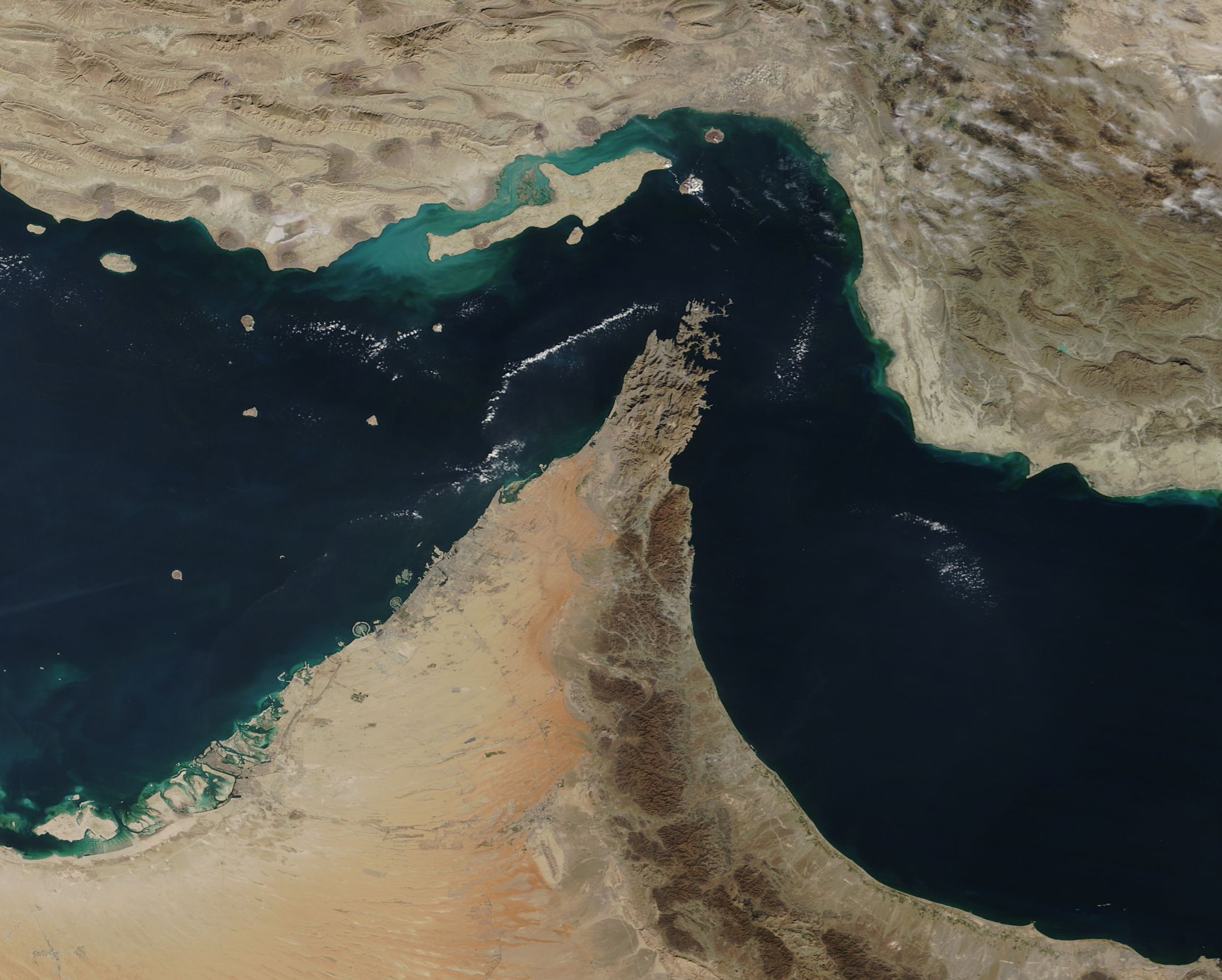
Global oil and gas prices surged after Iran restricted the transit of ships through the Strait of Hormuz, a narrow lane between the Persian Gulf and the Gulf of Oman that handles roughly 20 per cent of global oil and LNG trade.
_vb_59.jpeg)