Udupi to reopen mosques only in rural areas: Udupi District Muslim Federation
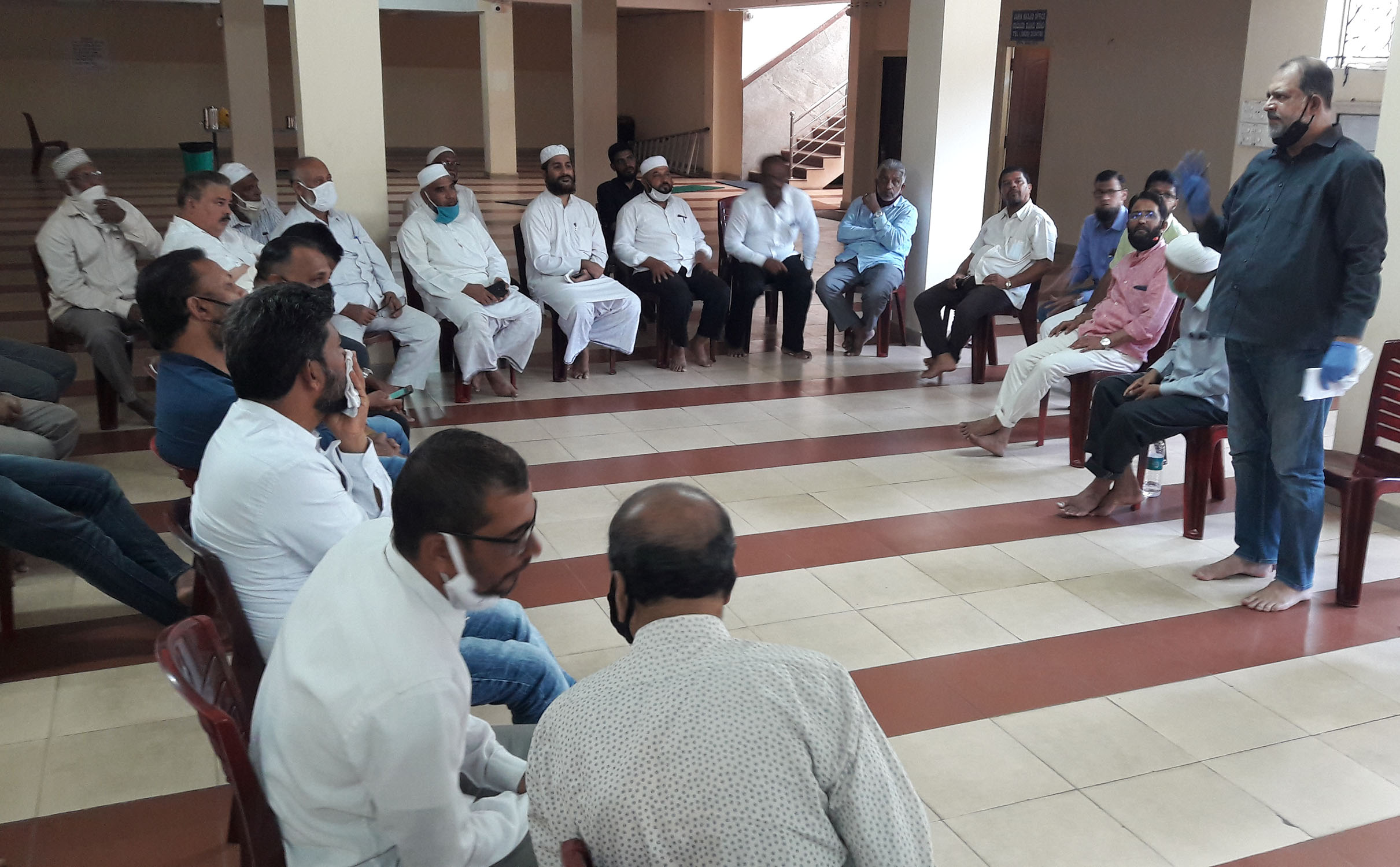
Udupi: Mosques in the rural areas of the district will be opened in a couple of days, but those in urban and highly populated areas will remain closed, the Udupi District Muslim Federation has decided today.
The unanimous decision was taken in an interim meeting held at the Jamia Masjid in the city today.
Federation president Yaseen Malpe said that the government has permitted reopening of the mosques that had been shut on account of the Covid-19 lockdown. The meeting was called in order to instruct the administrative committees of mosques on opening the mosques.
“In the present situation, the mosques in rural areas can be reopened in a couple of days. We should make sure that the mosques are not reopened with Friday weekly prayers. And instead, we should reopen mosques on days other than Friday” he said adding, that the Friday prayers attract a huge gathering of devotees.
The administrative committees have also been directed to organize Friday weekly prayers with more than one Jamaat in all mosques to avoid overcrowding during the weekly prayers.
Malpe added that the mosques near the town, the national highway, the urban areas, the bus stands, and the railway stations should not be opened at present. “We will need to analyze the situation in the coming days before deciding to open the mosques in these areas,” he said.
“The administrative committees have been instructed to take a decision on who can be permitted to attend the Namaz in their respective mosques. The social distancing rule and other precautionary measures should be compulsorily followed on all such occasions. In case of violation of the guidelines, the respective administrative committees will be held responsible for any untoward incident and repercussions that may follow,” the president warned.
Federation general secretary Mohammad Moula, Treasurer Iqbal S Katpady, Vice Presidents Ashfaque Ahmed Karkala and Shabaan Hangluru, Former President M P Modinabba, PFI District President Nazeer Ambagilu, social activist Iqbal Manna, and seniors Aboobakar Nejar, Abdur Rahman Razvi Kalkatta, Ismail Atrady, Khateeb Rashid, Mohammad Sheesh, Hussain Kodibengre, Hasan Mavad Byndoor, Shafi Qazi, Ibrahim Kota, I M Jafarullah Hoode, Munaf Kandluru, Aziz Udyavara, Salauddin Abdulla and Mohammad Ghouse were present at the meeting.
Let the Truth be known. If you read VB and like VB, please be a VB Supporter and Help us deliver the Truth to one and all.
Vice president embarks on two-day visit to Sri Lanka
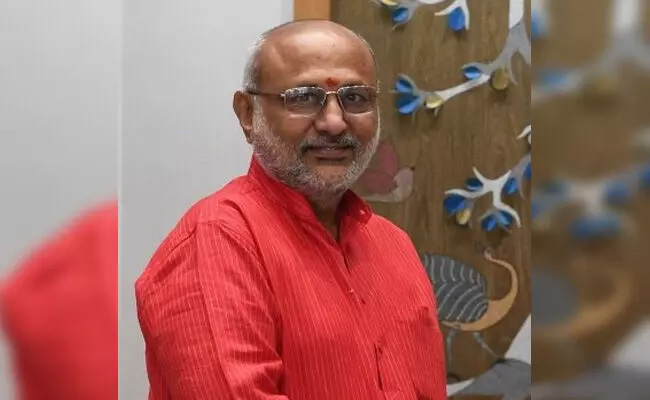
New Delhi (PTI): Vice President of India C P Radhakrishnan on Sunday left for Sri Lanka on a two-day official visit.
This marks the first bilateral visit by an Indian vice president to Sri Lanka, his office said.
During the visit, Radhakrishnan will call on the President of Sri Lanka Anura Kumara Disanayaka.
He will also meet the Prime Minister of Sri Lanka Harini Amarasuriya, along with other dignitaries on April 19, an official statement said.
Radhakrishnan will interact with leaders of the Indian-origin Tamil community and Tamil leaders from the Northern and Eastern regions of Sri Lanka.
Later in the day, the vice president will address the Indian diaspora at a community event in Colombo, where he will virtually hand over houses to beneficiaries from Tamil communities, built with assistance from the Indian government as part of the third phase of the Indian Housing Project.
With this, the total number of houses for Tamil communities will reach 50,000, and 10,000 more houses are being built in the fourth phase of the project, the statement mentioned.
On April 20, the vice president will travel to Nuwara Eliya, visit the Indian Housing Projects, and interact with the local Tamil community.
This visit, which follows recent high-level engagements between the two countries, is expected to further strengthen the millennia-old civilisational and people-to-people ties between India and Sri Lanka, the statement said.