Vivekananda was against casteism and untouchability: Dr. Vasant Kumar
Vivekananda Jayanti Celebration by Vivekananda Vidyavardhaka Sangha
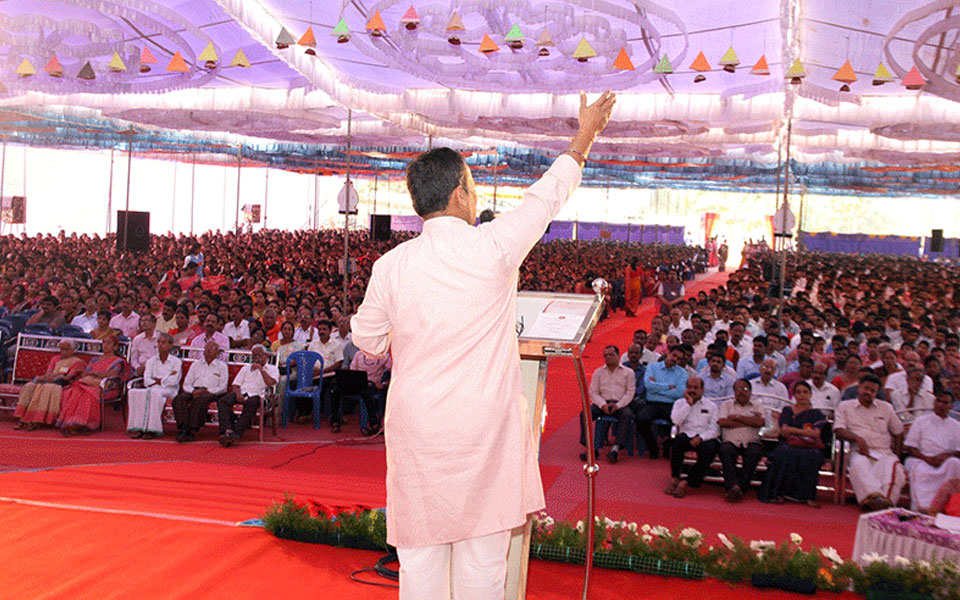
Puttur, Jan 12: Swami Vivekananda was the one, who set the idea of 'Daridra Narayana Devoja' globally. He was against casteism and untouchability. He had realized that India could attain incredible growth with the science and technology of Western nations, noted Kannada professor of Maharani College of Mysore and ABVP national vice-president Dr. BV Vasanth Kumar.
He was speaking at the Vivekananda Jayanthi -2019 program organised by Vivekananda Vidyavardhaka Sangha here.
"While the different religions of the world claim that man was a sinner, financial animal, political animal; Vivekananda said that man was an Amrutaputra (son of immortality). Vivekananda is not limited to Hinduism or India. Instead, he belongs to the religion of the world. For this reason, Vivekananda is worshiped in the world," Vasanth Kumar said.
Vivekananda Vidyavardhaka Sangha Secretary Dr.KM Krishna Bhat presided over the function.
Vivekananda Vidyavrdhaka Sangha Vice President Dr. Sudha Rao welcomed, and treasurer Surendra Kini proposed the vote of thanks.
Let the Truth be known. If you read VB and like VB, please be a VB Supporter and Help us deliver the Truth to one and all.
Power tariffs under BESCOM to rise from May 1
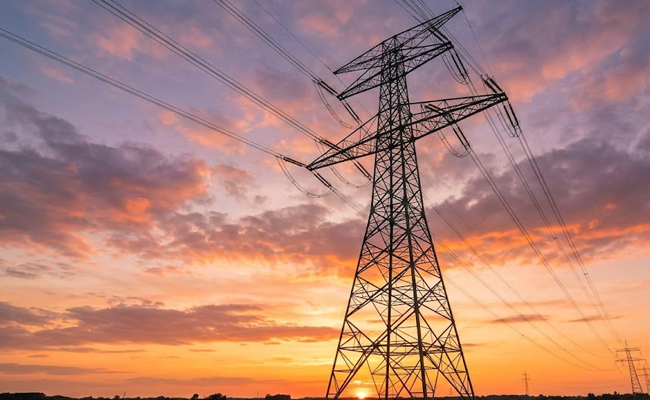
Bengaluru (PTI): Power bills for consumers under the Bangalore Electricity Supply Company Limited (BESCOM) will go up from May 1, following an order issued by the Karnataka Electricity Regulatory Commission (KERC) on Friday.
The hike comes after KERC allowed the BESCOM to recover a revenue deficit of Rs 2,068 crore incurred in 2024-25, from the consumers.
As a result, for every unit of electricity consumed in 2024-25, the customers will be charged an additional 56 paise, it said.
"BESCOM shall calculate, for each of the active consumers of FY2024-25 the amount to be recovered based on their actual energy consumption during FY2024-25. Such amount shall be recovered during FY 2026-27 in equal monthly instalments, to be called as 'FY25 True up Charges', commencing from the first meter reading date falling on or after 1 May 2026 and concluding with the reading date ending on 30 April 2027," the order said.
"It is further ordered that BESCOM shall maintain a separate head of account, allocated for the purpose, to record the adjustment of the said amount to ensure full recovery of the deficit," it added.
Similarly Chamundeshwari Electricity Supply Corporation Limited (CESC) has also recorded a revenue deficit of Rs 121.71 crore and can collect an additional 15 paisa per unit for consumption in 2024-25, official sources said.