Washroom video case: Govt's decision to transfer case suspicious, says Udupi MLA Yashpal Suvarna
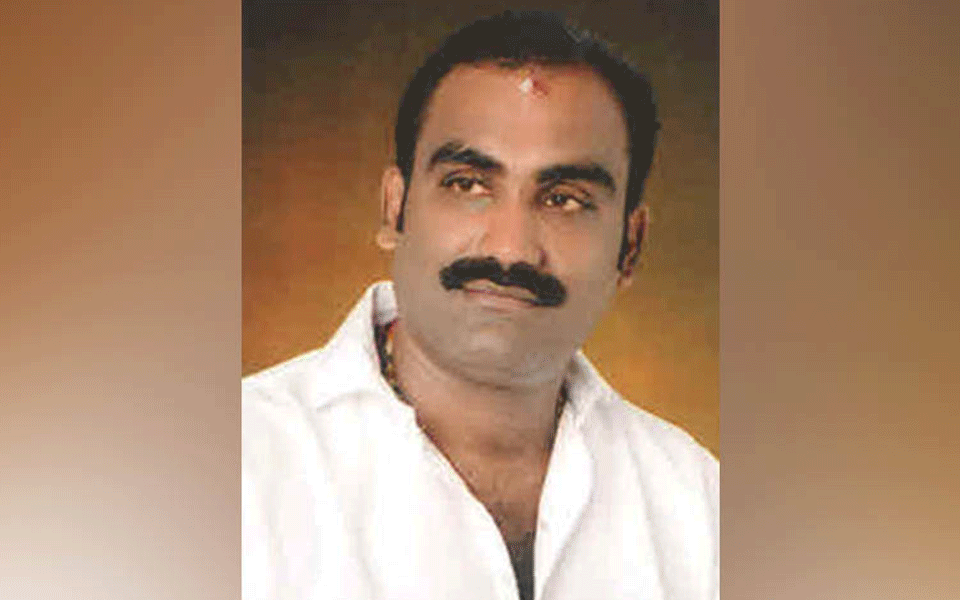
Udupi, Aug 7: Raising doubts about the state government's decision to hand over the Udupi college washroom video case to the CID, BJP leader and Udupi MLA Yashpal Suvarna on Monday said the move has created confusion as an active investigation is already being conducted by the district police.
Addressing reporters in Udupi, he said the government had recently changed the investigating officer and intensified the probe after widespread public outcry against the initial probe.
Statements from the victim and the accused have already been obtained and various pieces of evidence collected. During the course of the probe, it has been revealed that the father of one of the accused belonged to the now-banned PFI, he claimed.
However, the decision to transfer the case to the CID before the completion of the investigation by the district police has now caused confusion, Suvarna said.
He also raised suspicion that by transferring the case to CID, the government is trying to protect the accused and hush up the case. The transfer of the case from the district police to the CID has raised questions and uncertainty about the course of the probe among the public, the MLA said.
Let the Truth be known. If you read VB and like VB, please be a VB Supporter and Help us deliver the Truth to one and all.
Trump says he ‘hasn’t even thought about’ continuing Iran ceasefire
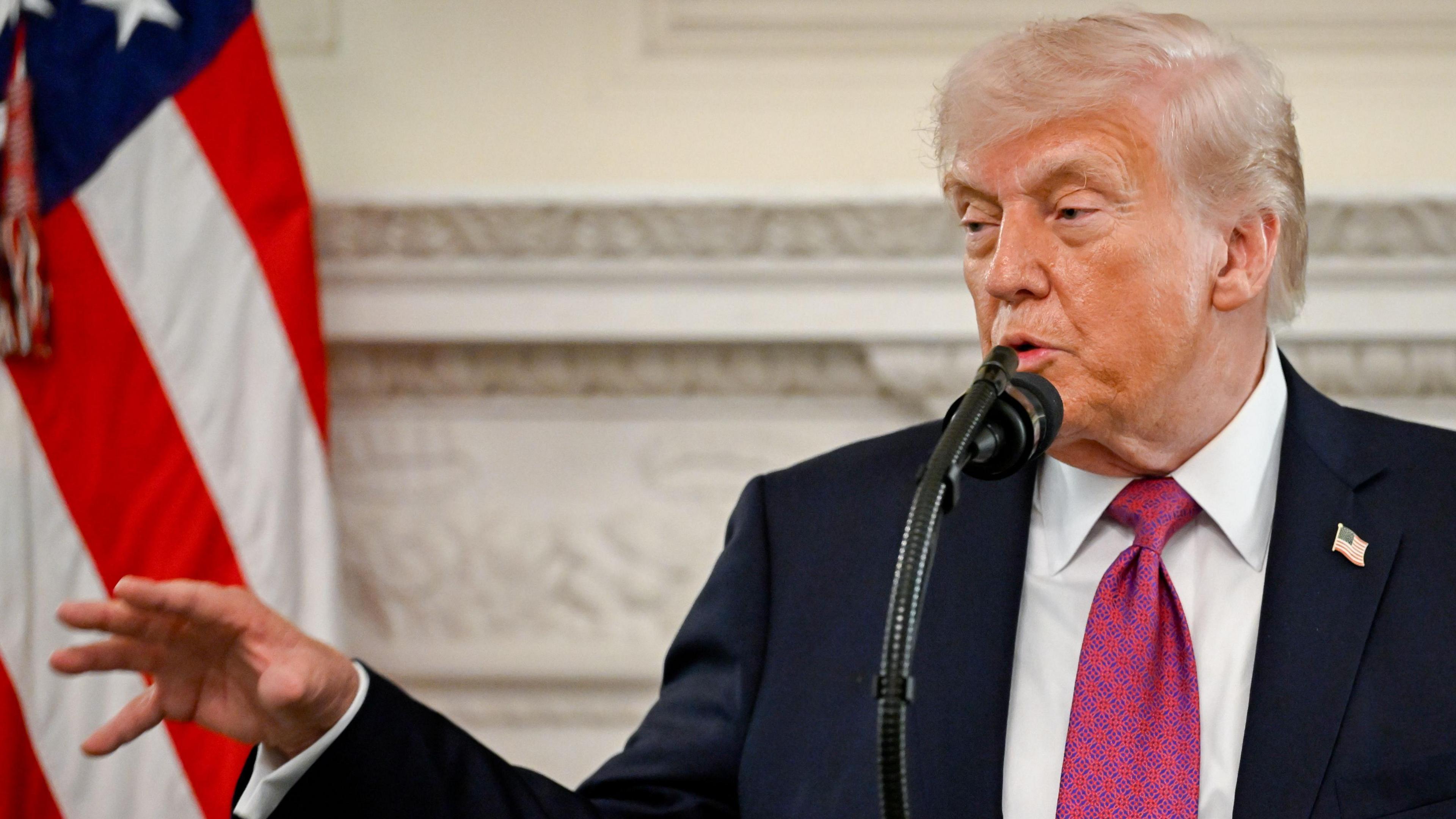
Washington: US President Donald Trump has said he has not yet considered whether he would continue the ceasefire involving Iran, while also claiming the United States holds the advantage in negotiations.
Speaking to reporters, Trump said he was prepared to make a deal with “whoever is running the show” in Iran.
“They are fighting with each other, there’s tremendous infighting. They’re probably fighting for leadership in many cases. I think they’re fighting not to be leader because we knocked out two levels of leaders,” he said.
Trump added, “When they want they can call me. We have all the cards, we’ve won everything.”
Referring to ongoing negotiations, he said, “They gave us a paper that should’ve been better. And, interestingly, immediately when I cancelled it [envoy trip to Pakistan], within 10 minutes we got a new paper that was much better.”
“We talked about they will not have a nuclear weapon, very simple … They offered a lot, but not enough,” he added.
When asked whether he would continue the ceasefire, Trump replied, “I haven’t even thought about it.”
The remarks come as uncertainty remains over the future of the temporary truce and broader negotiations between Washington and Tehran.