WhatsApp status triggered group clash, shootout on Sunday: Mangaluru Police Commissioner
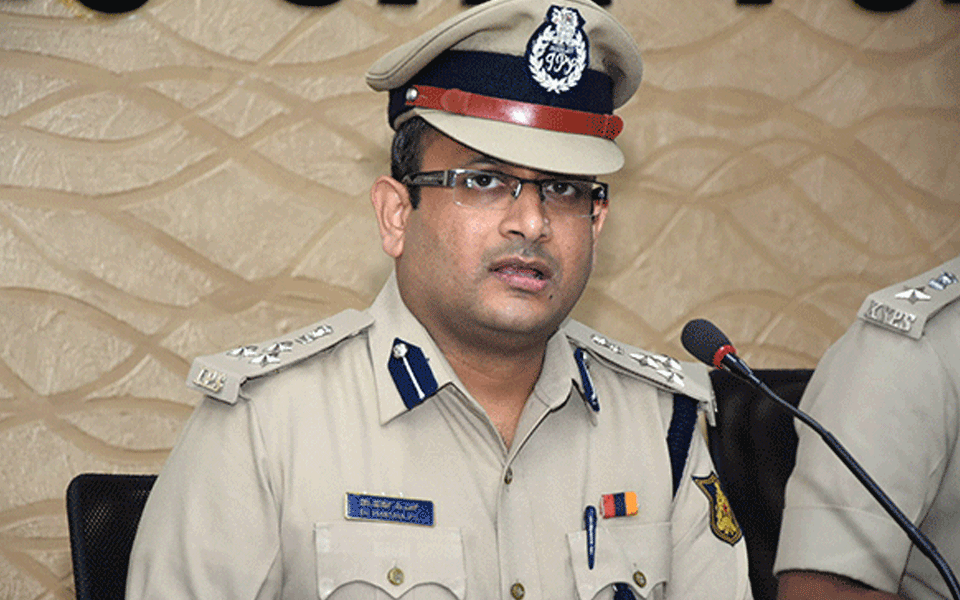
Mangaluru: Mangaluru City Police Commissioner, Dr. PS Harsha on Monday informed that 13 people have been arrested in connection with the group clash and shootout on Sunday late night in Ullal.
Harsha also stated that the clashes were triggered by a WhatsApp status that was uploaded in support of Suhail by one of his party's worker. Irked by the status another party worker Salman called Arshad and reprimanded him blaming him of supporting and endorsing Suhail while there were other party workers like him as well.
This prompted Suhail to call Salman and led to heated exchanges over the phone, after which Suhail reached the crime spot and the clash took place followed by shootout.
Harsha further added that six rounds of bullets were fired and two live bullets were recovered.
DCP Lakshmiganesh and Arunaansh Giri were present during the press conference.


Let the Truth be known. If you read VB and like VB, please be a VB Supporter and Help us deliver the Truth to one and all.
President Murumu appeals to doctors to adopt innovation; says tech can’t replace compassion
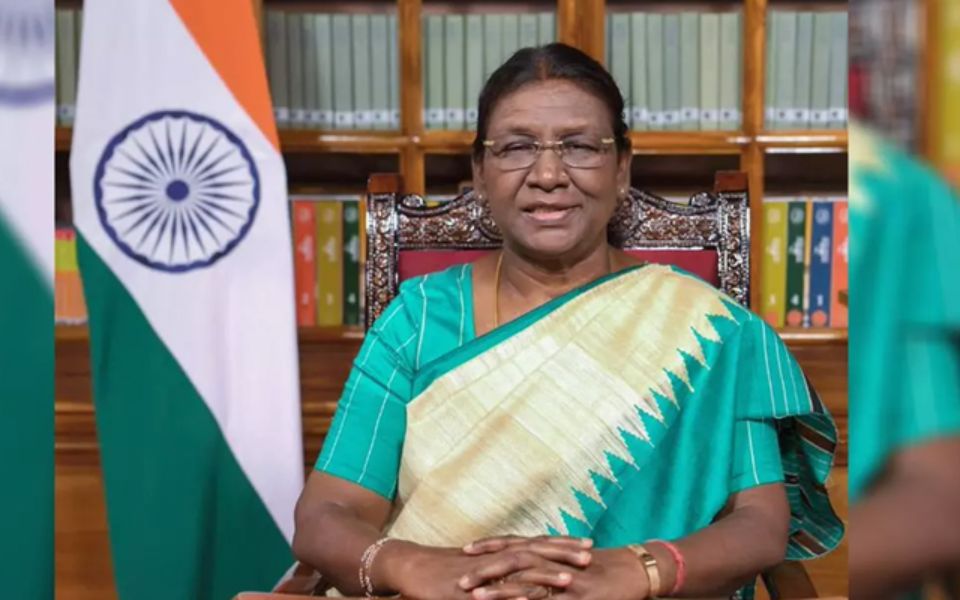
Nagpur (PTI): President Droupadi Murmu on Wednesday urged young doctors to embrace innovation, research and continuous learning, stressing that ethical values remain paramount in medicine and that technology cannot replace compassion.
She was addressing a gathering at the second convocation of the All India Institute of Medical Sciences in Nagpur.
Murmu said the daughters and sons of this country will together contribute to achieving the ‘Viksit Bharat’ (developed India) dream by 2047.
Doctors should possess not only a spirit of service but also a lifelong commitment to learning, she said.
“Curiosity is the foundation of progress. The motivation to discover new solutions in medical science will not only make you an excellent doctor but also provide better opportunities for service,” she said.
She urged young doctors to embrace innovation, research, and continuous learning. At the same time, they should always remember that ethical values hold the highest place in the medical field, she said.
“No matter how advanced technology becomes, it cannot replace compassion, honesty, and a patient-centred approach. Always maintain the spirit of compassion, as it makes you not just a good doctor, but also a good human being,” she said.
The government has taken several initiatives in the past decade to ensure good health for citizens, she said.
The President said the government has issued more than 43 crore health cards under the Ayushman Bharat Pradhan Mantri Jan Kalyan Arogya Yojana, which provides health cover of up to Rs 5 lakh for every beneficiary family.
She said the government has established more than 1.85 lakh ‘Ayushman Arogya Mandir’ facilities to strengthen the primary health services. Murmu also highlighted various other healthcare initiatives launched by the government.
People connected to the medical world are fortunate to have the special opportunity to serve humanity, and they should take pride in this responsibility and fulfil it with sensitivity, she said.
“I am confident that the students receiving their degrees today will not only achieve success in their personal lives but also contribute to keeping their fellow citizens healthy. It is through such efforts that we will succeed in achieving the Viksit Bharat goal by the centenary year of Independence,” she said.