21 hours raid fetch nothing for ED, claims Karnataka Cong MLA’s son
Bengaluru (PTI): Karnataka Congress MLA N A Haris' son Mohammed Haris Nalapad on Tuesday claimed that the 21 hours of search by the ED in his house and other locations did not fetch anything.
The Enforcement Directorate on Monday raided the premises of the two sons of Haris (Mohammed Haris Nalapad and Omar Farook Nalapad), Aqeeb Khan, grandson of ex-Union cabinet minister K Rahman Khan and an alleged crypto hacker named Srikrishna Ramesh alias Sriki in a crypto currency-linked money laundering case.
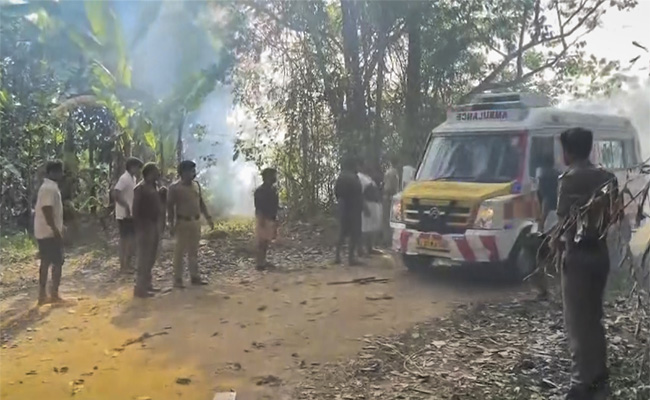
More than a dozen premises in the city have been covered as part of the action executed under the provisions of the Prevention of Money Laundering Act (PMLA).
"My grandfather is 89-year-old. There is not a single bad mark. My father (N A Haris) is a four-time MLA. There is not a single accusation against him. Their only intention was to target myself and my brother. As simple as that," Mohammed Nalapad, who is a former Karnataka Youth Congress president, told reporters.
According to him, the ED officials carried out raids for 21 hours.
"After 21 hours of search, they took away only two mobile phones from our house. They did not get a single paisa. The ED will testify it," the Congress leader said.
Exuding faith in the law, he said he is ready to fight the case in court.
"Me and my father have opted for politics and we are in public life. You can call me whatever you want but I have not done anything wrong," Mohammed Nalapad said.
Regarding his relationship with Sriki, he said he knew him but had no clue what he was doing.
"I have never said that either me or my brother do not know Sriki. But how will I know what he does in his house? Can his crimes be linked to us," he asked.
The money laundering case stems from some Karnataka Police FIRs and chargesheets filed in a 2017 case of hacking of national and international websites, stealing of bitcoins and sale of these 'stolen' virtual digital assets (VDA) through crypto platforms by the alleged hacker Sriki and his associates.
The Nalapad brothers and Aqeeb Khan are alleged to be the beneficiaries of the proceeds of crime generated through this alleged crypto-linked crime, the ED said.
Let the Truth be known. If you read VB and like VB, please be a VB Supporter and Help us deliver the Truth to one and all.
Iqra aims to create leaders for community: Syed Mohamed Beary at Annual Day in Mangaluru
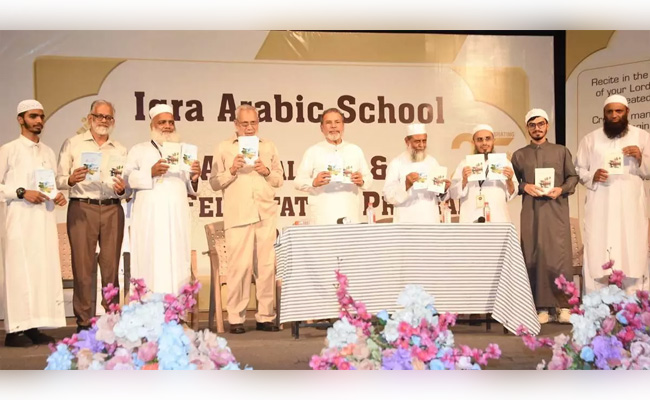
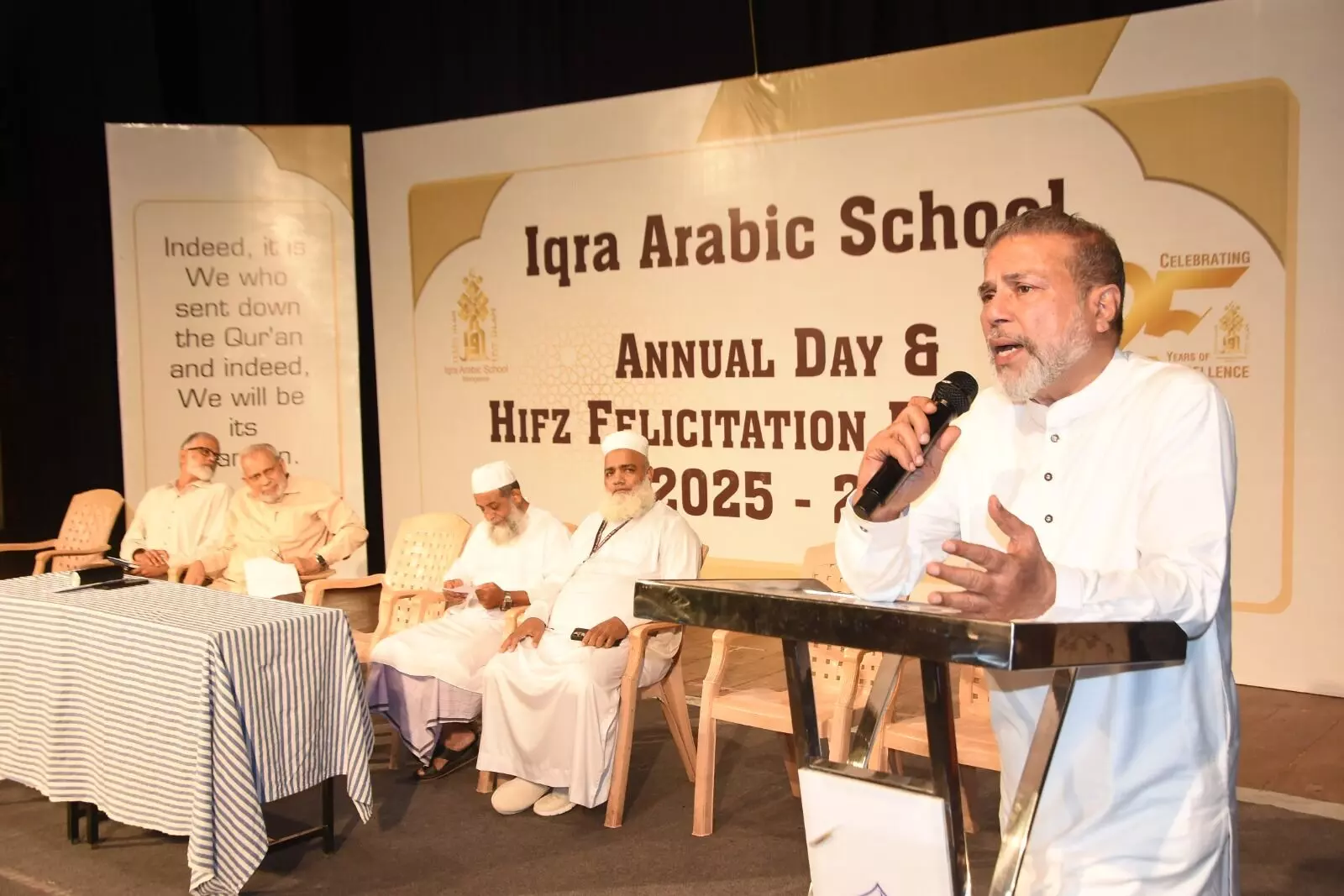
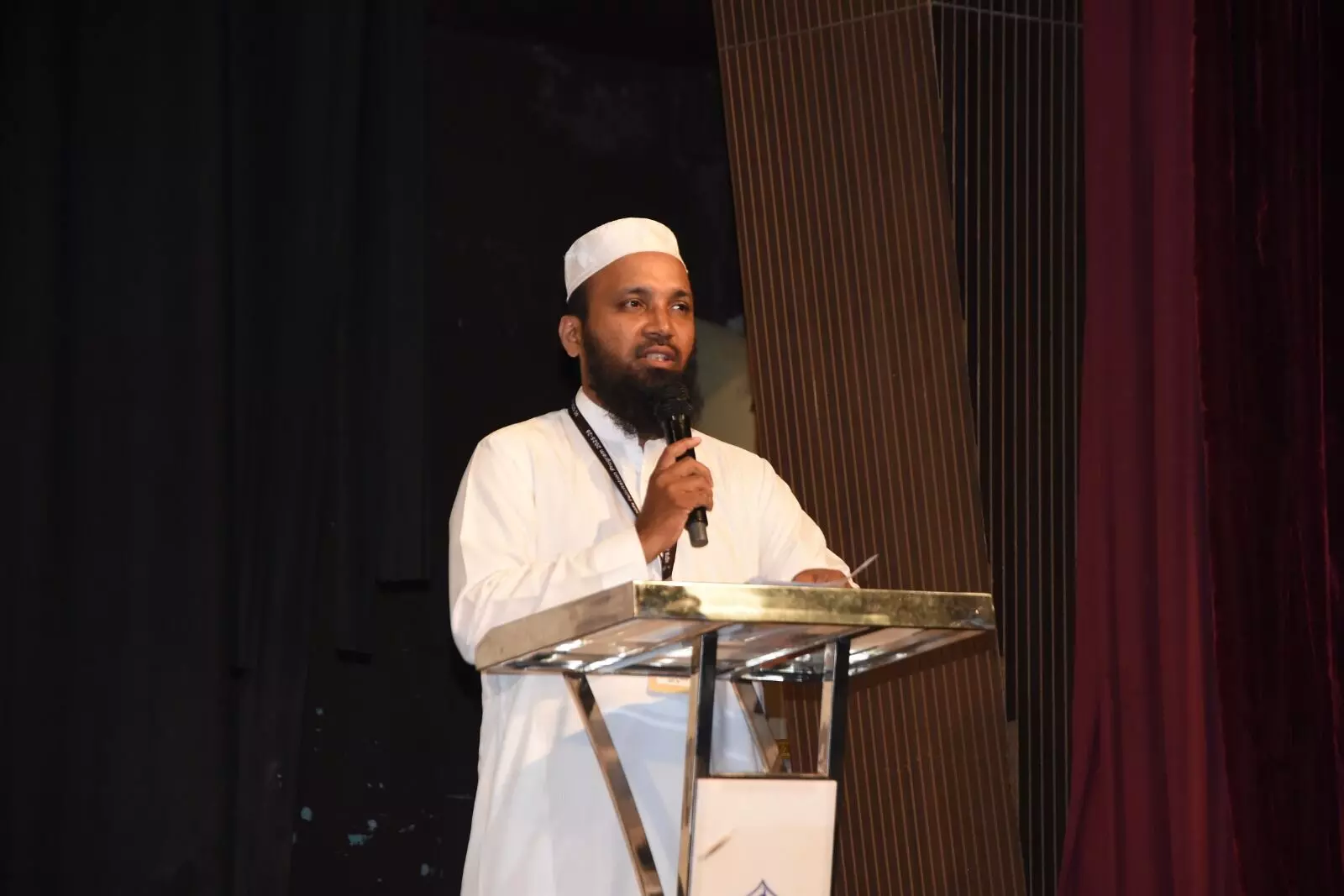
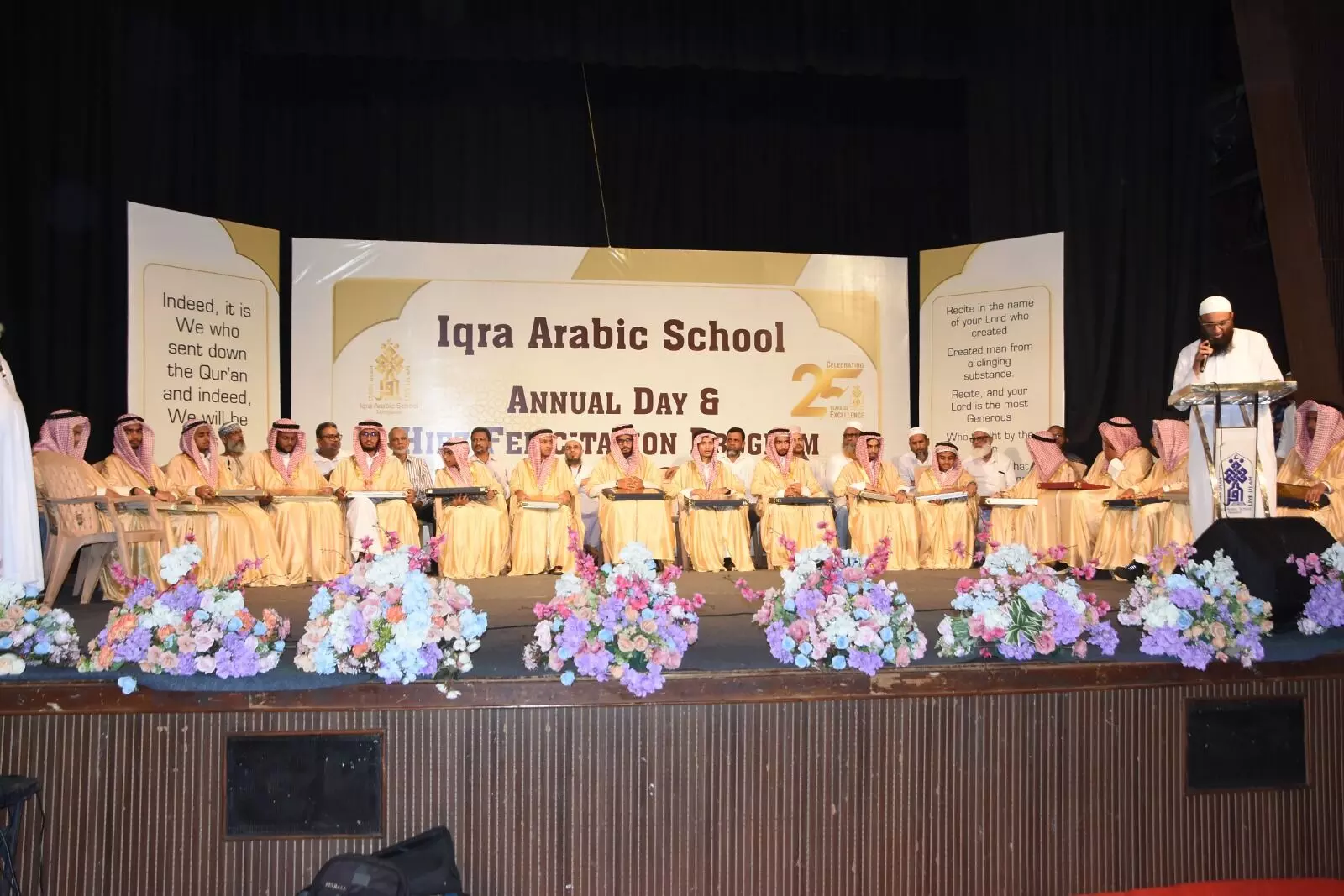
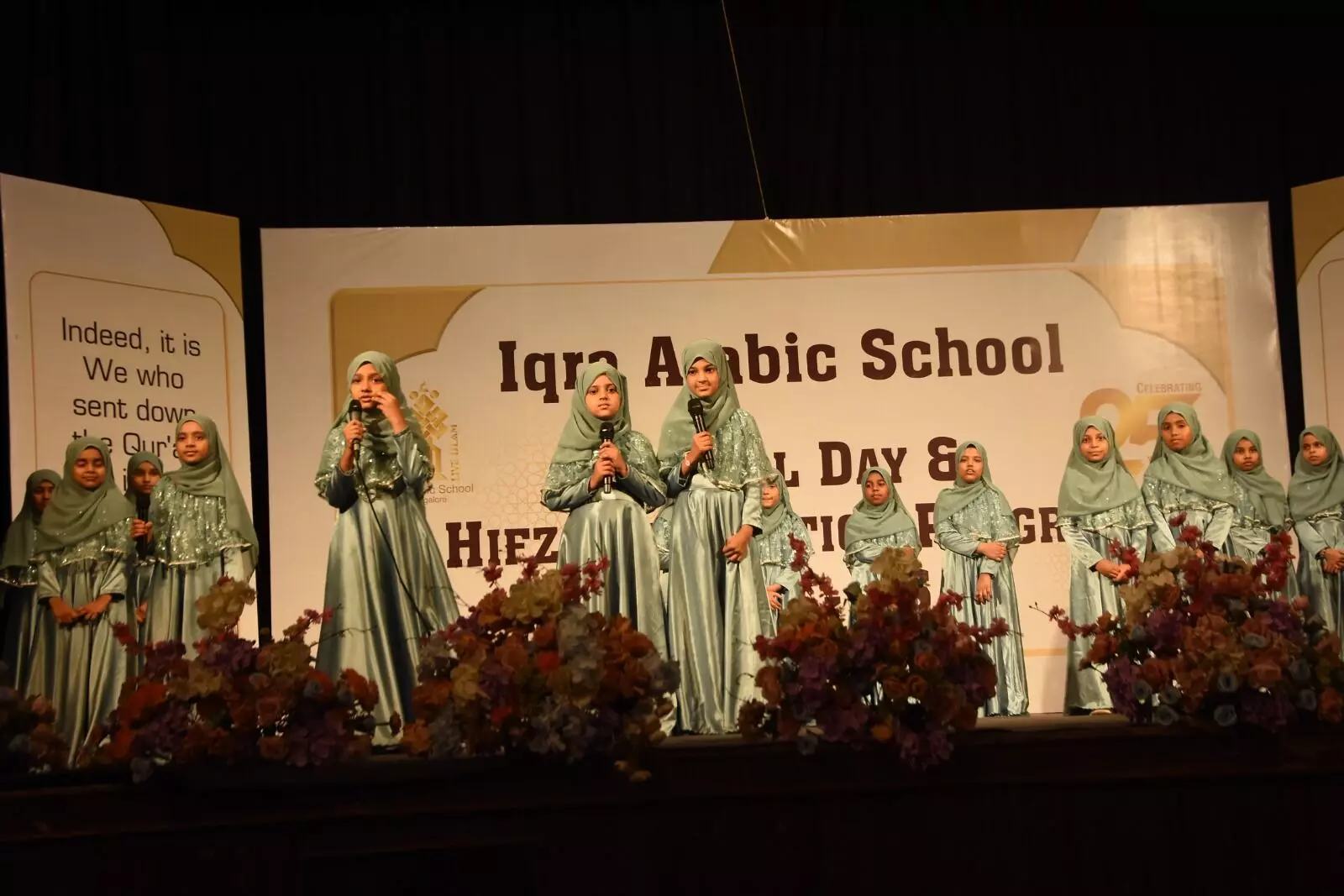
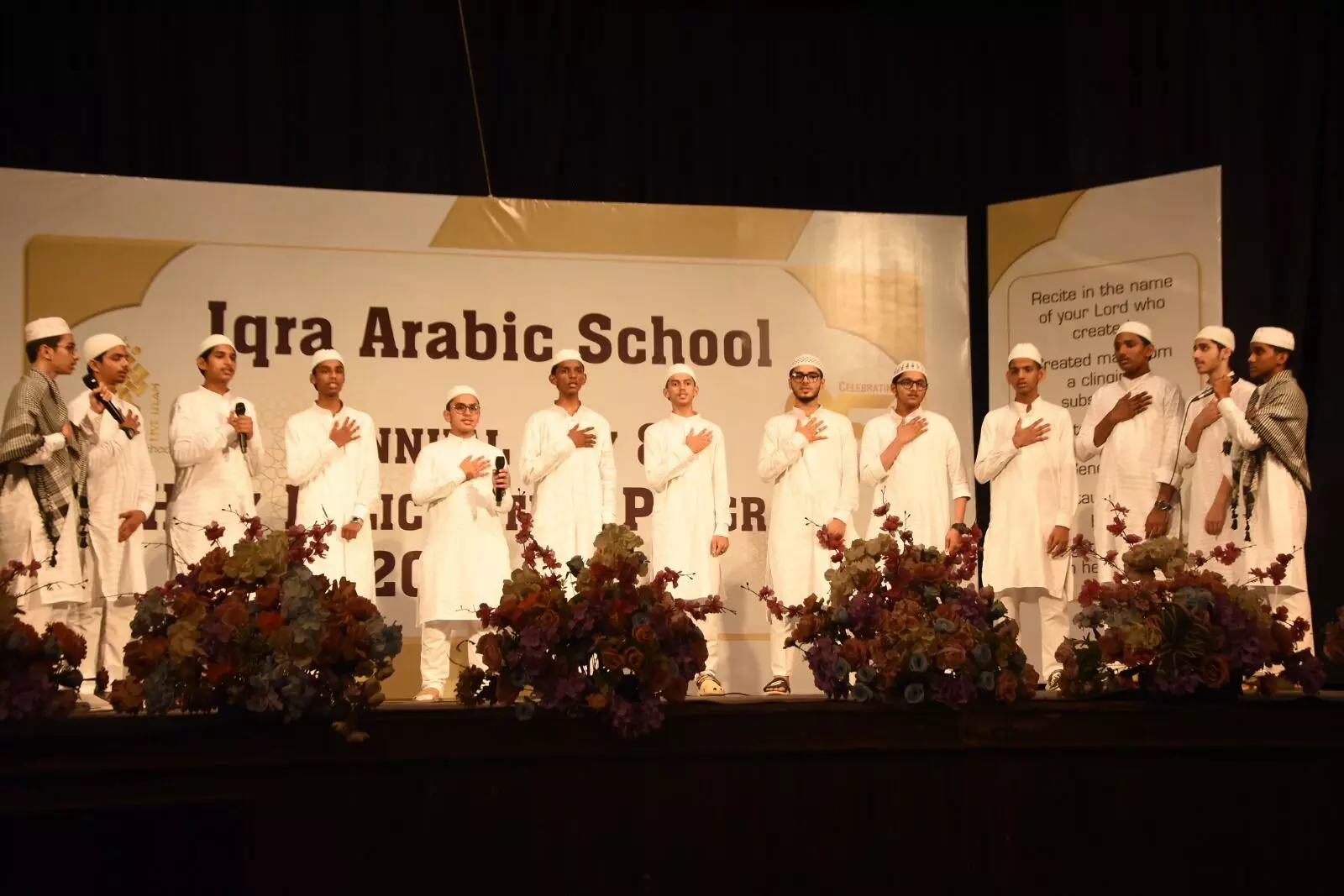
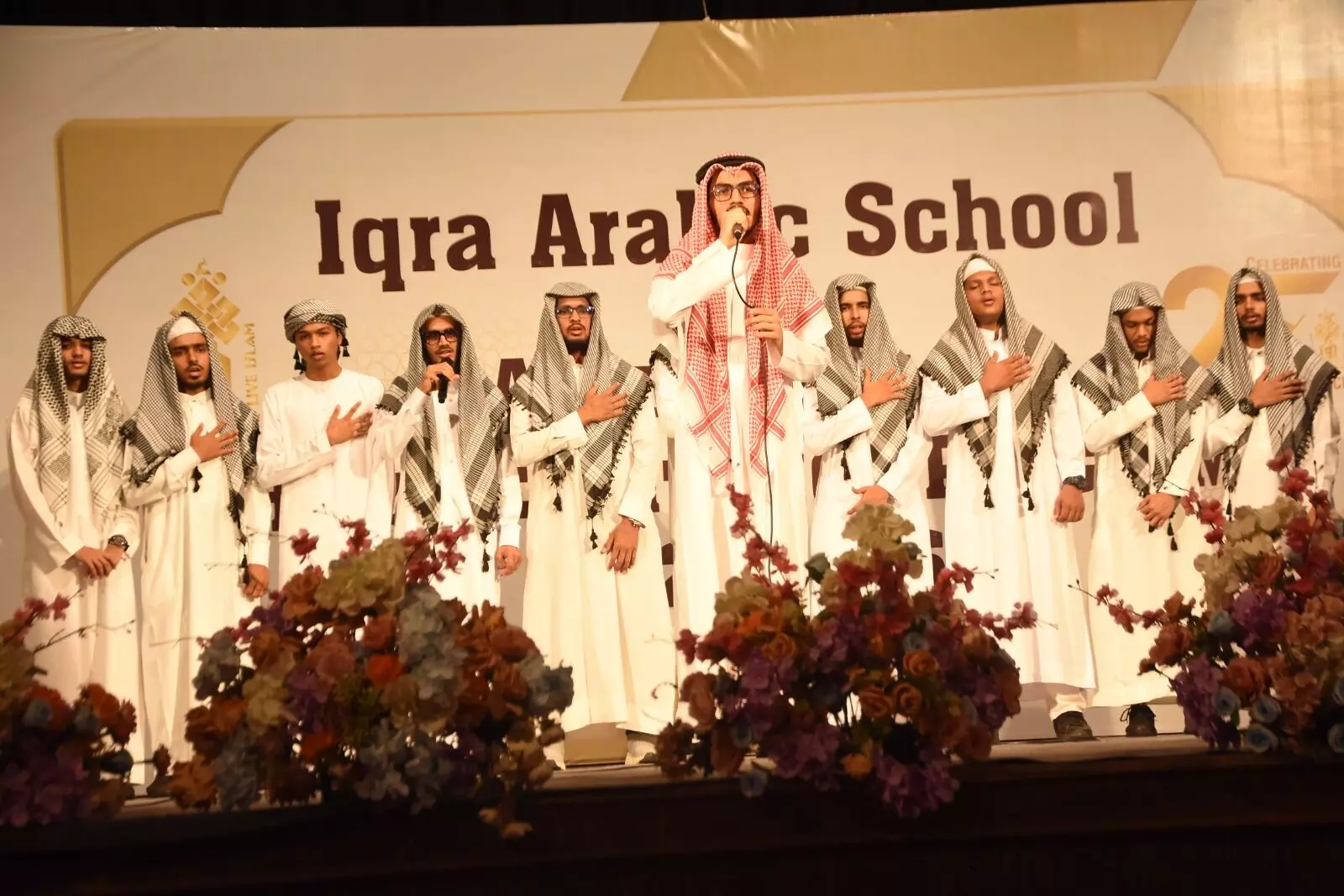
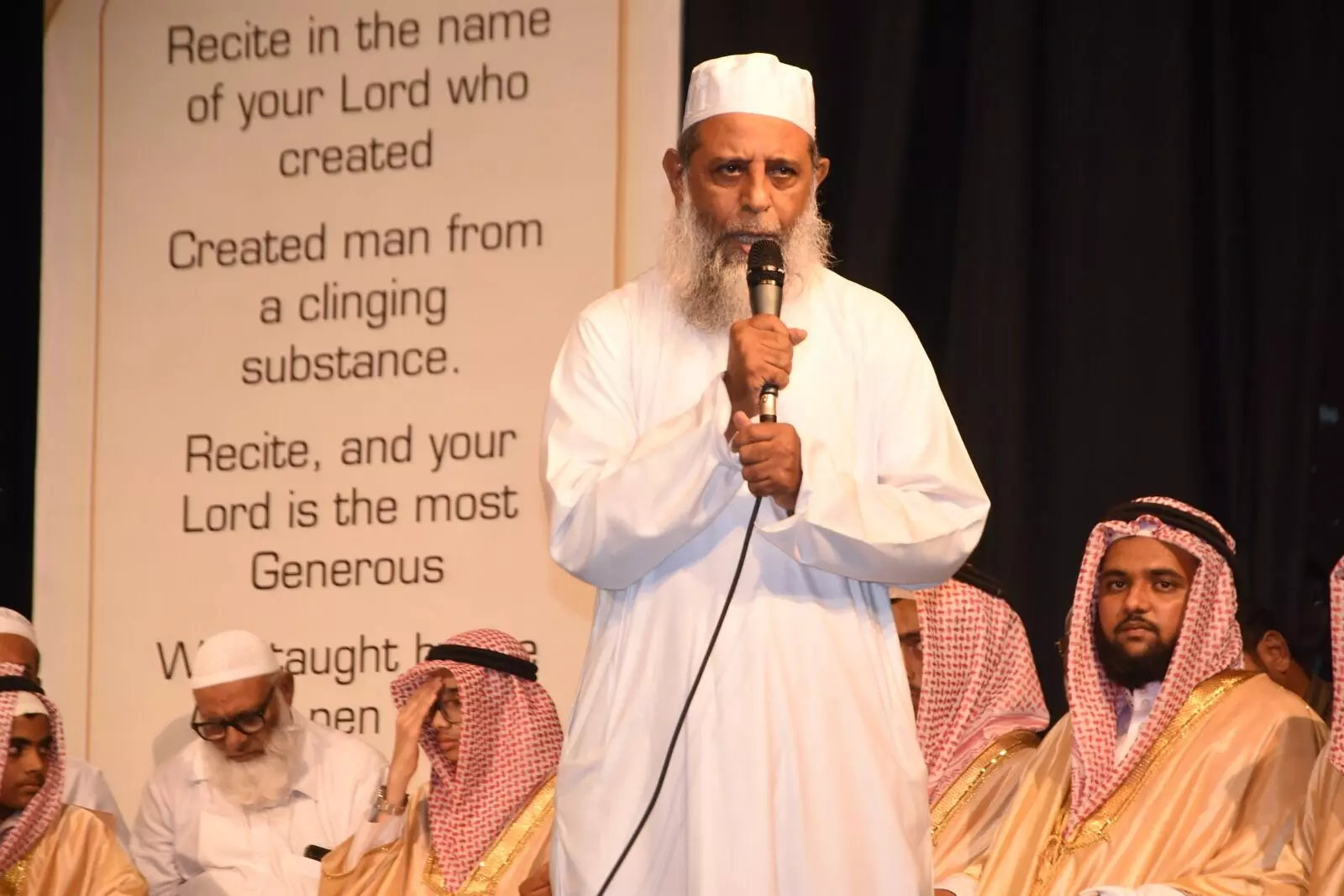
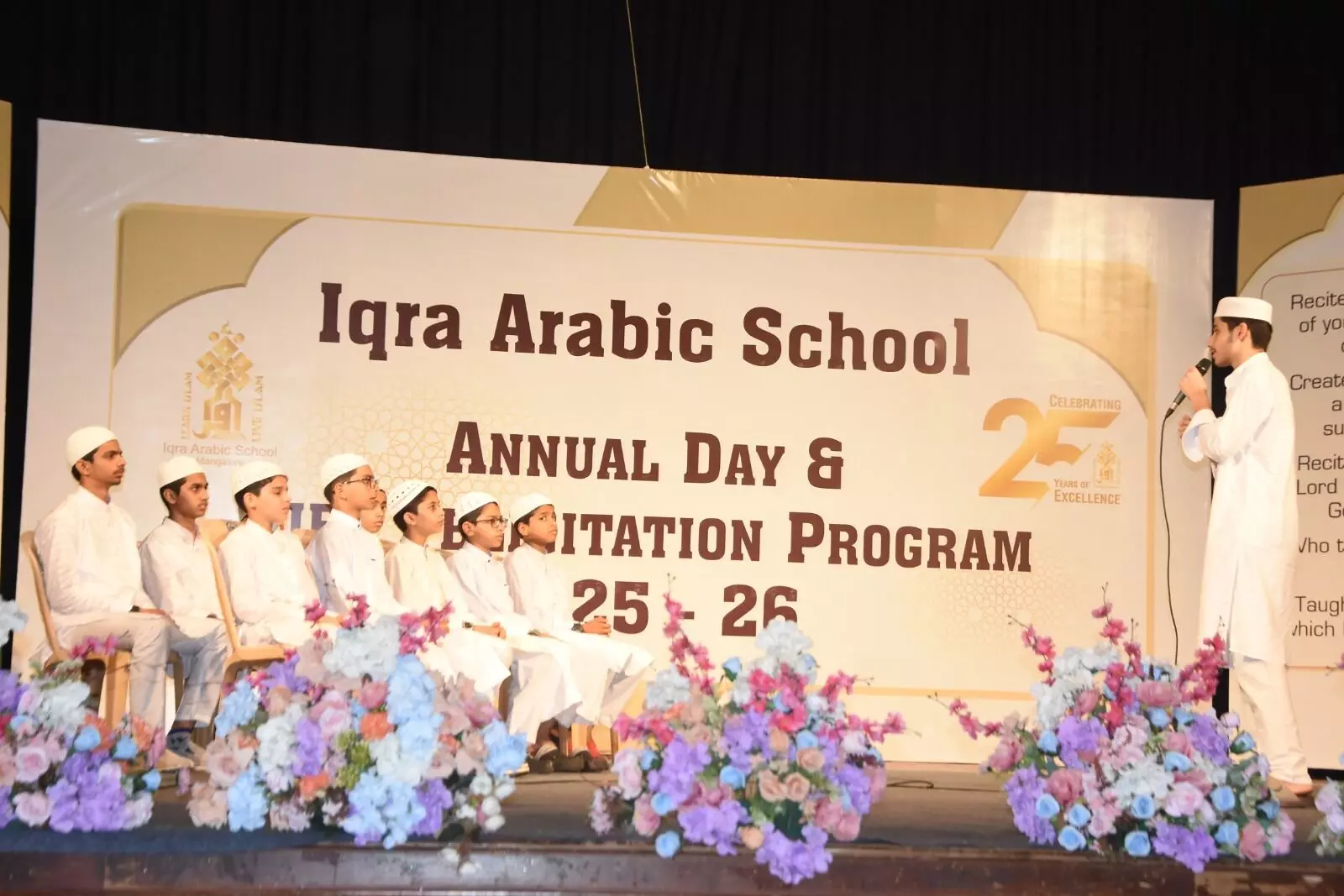
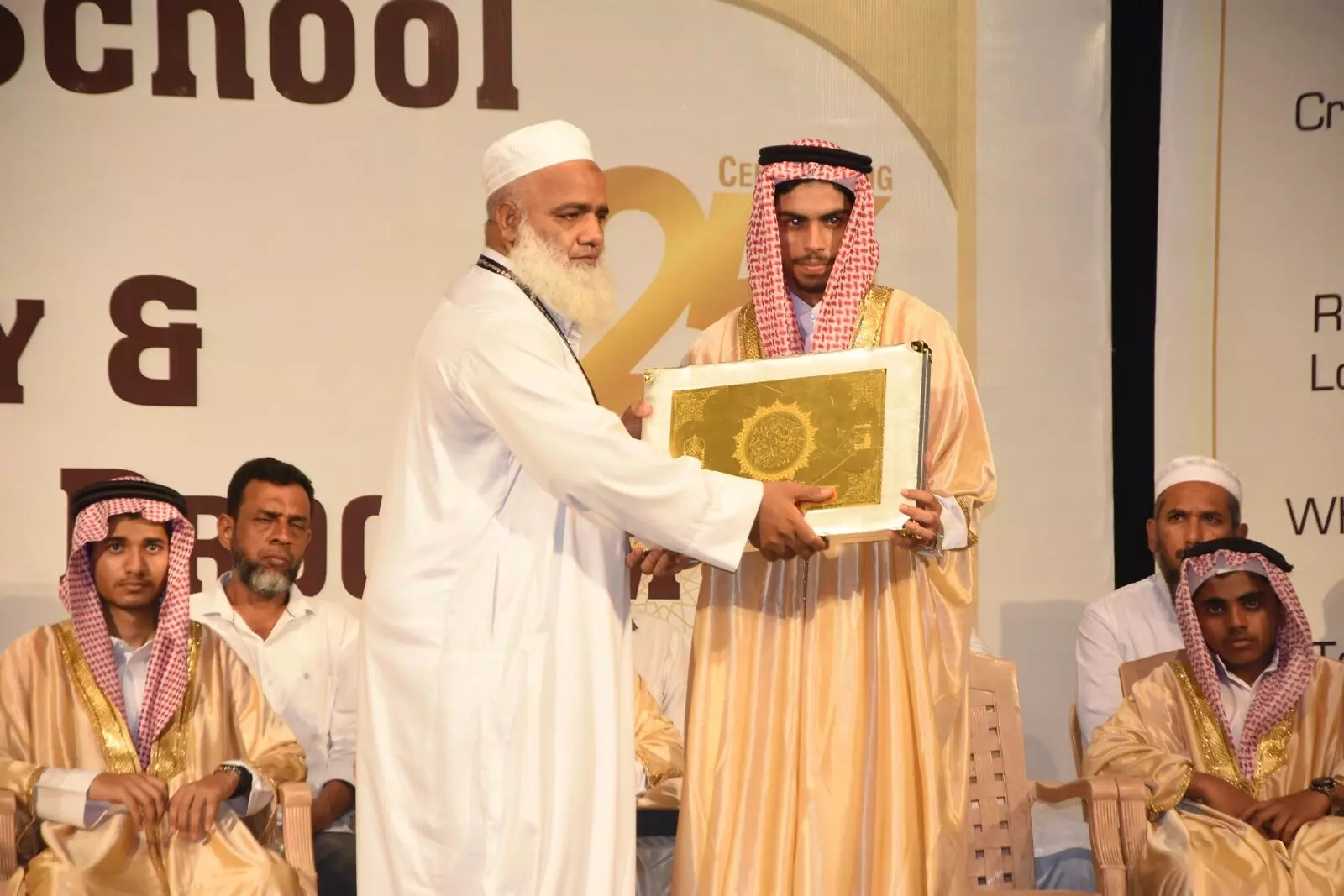
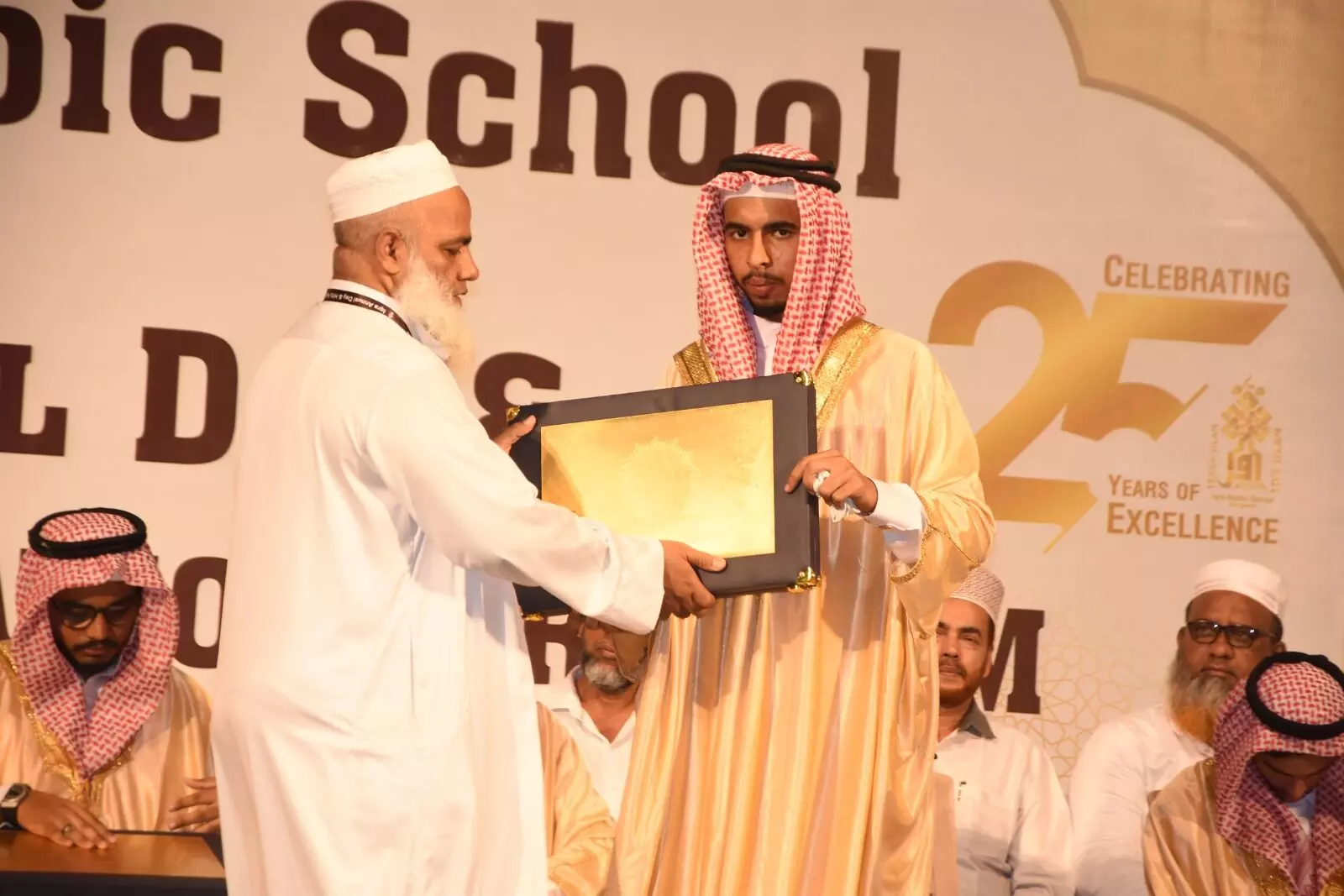
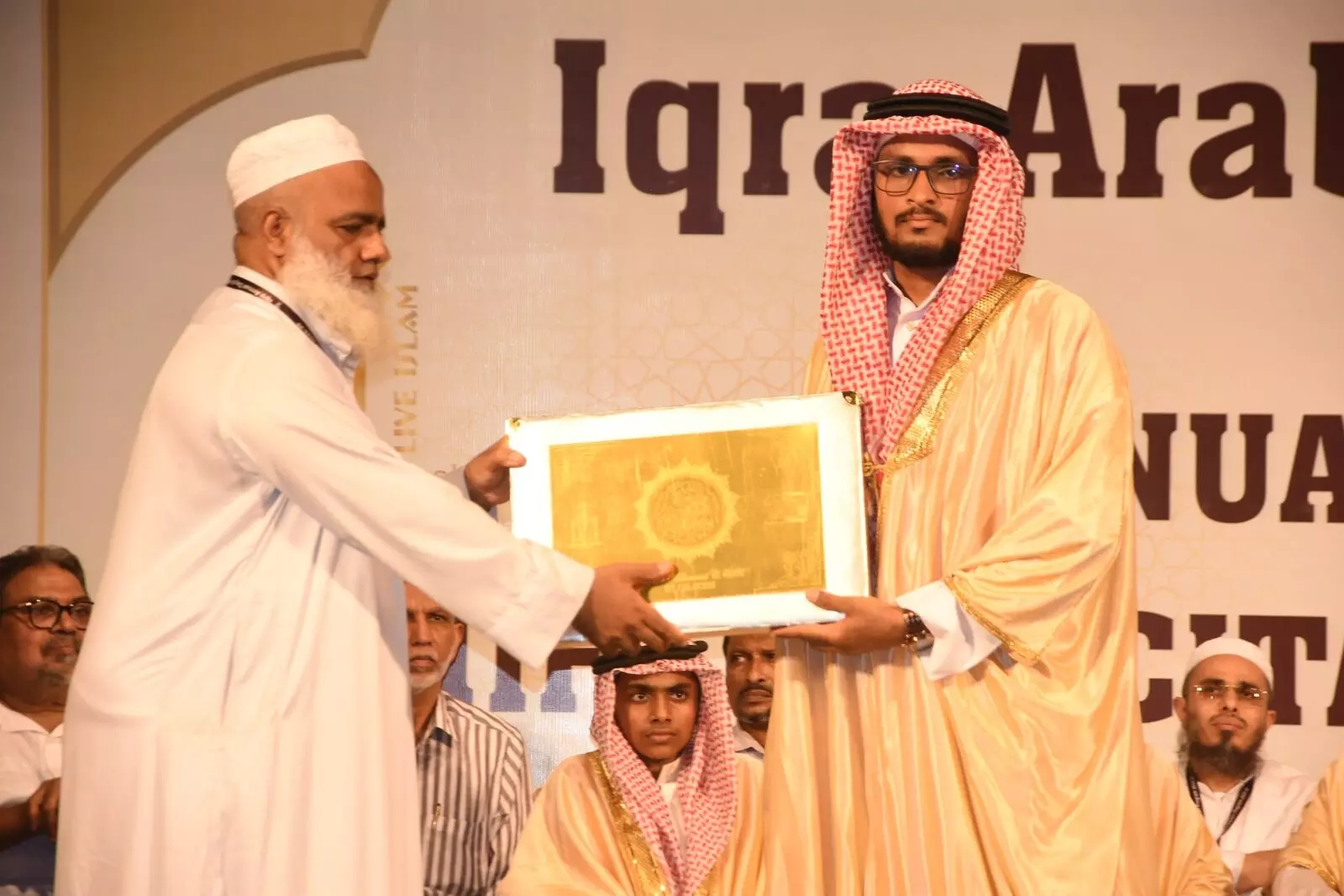
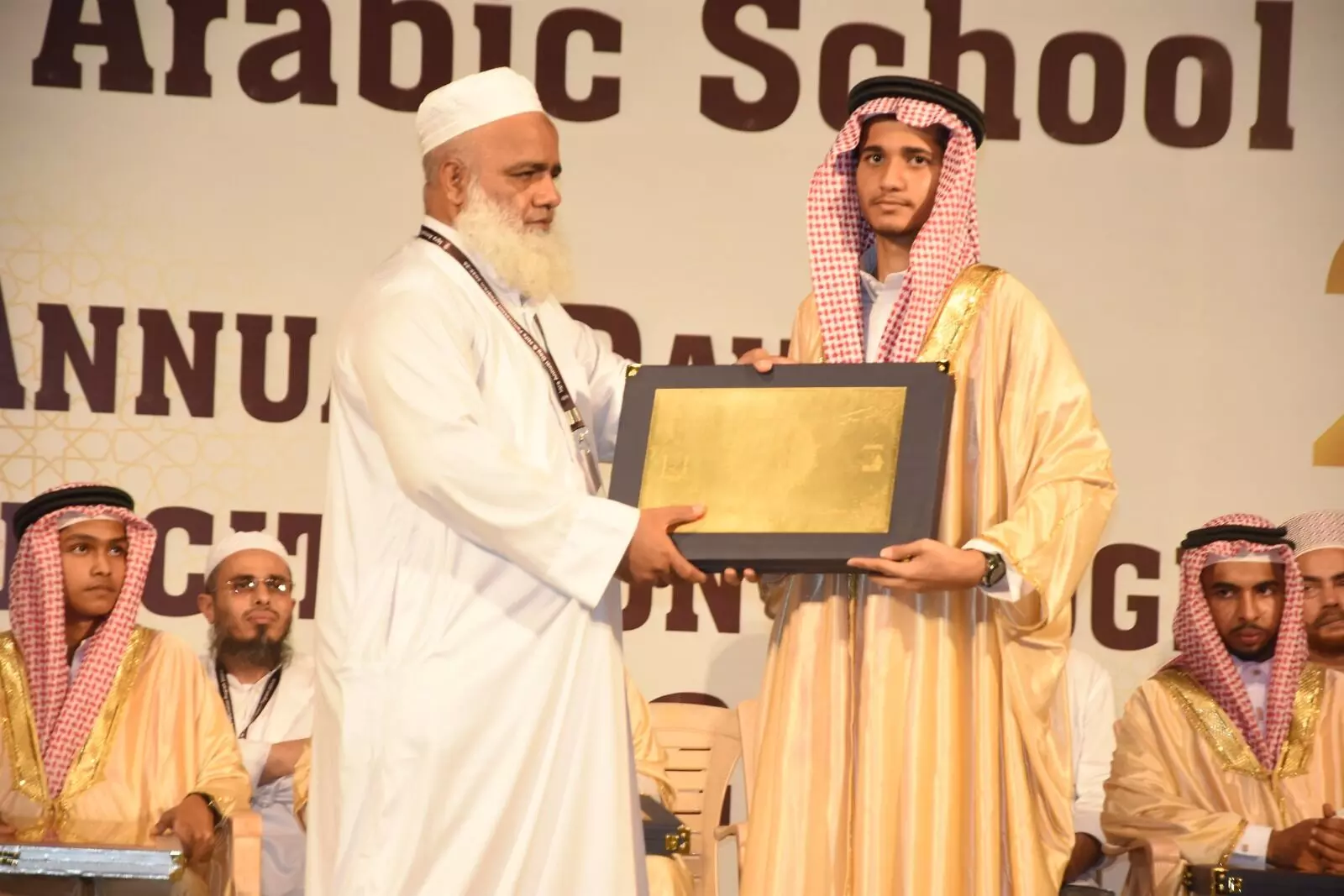
Mangaluru: “The aim of Iqra is to create leaders for the community,” said Syed Mohamed Beary while presiding over the Annual Day 2026 and Hifz felicitation programme of Iqra Arabic School, highlighting the institution’s focus on leadership and long-term community development.
Presiding over the event, Syed Mohamed Beary, Chairman of the Moulana Abul Hasan Ali Nadwi Educational and Charitable Trust, Mangaluru, spoke at length about the journey of the institution since its launch in 2000. He recalled the early days of the school and said it was started with a clear vision to serve the community through education rooted in values. He expressed pride in how the institution has grown over the years, both in strength and in its role within the community.
He said Iqra Arabic School was not built only to provide basic education, but to nurture individuals who can take responsibility and guide society. According to him, the institution has consistently worked towards shaping students into capable leaders who can face present-day challenges while staying connected to their roots. He stressed that the focus has always been on building character along with knowledge.
The programme was compered by Moulana Farhan Nadwi, who introduced the vision of the institution and said the school strives to prepare leaders and scholars who can respond to modern challenges faced by the community.
Chief guest Moulana Maqbool Kobatte, Principal, Jamia Islamia Bhatkal, congratulated the students and their parents for completing the memorisation of the Qur’an. He said these Huffaz are part of Allah’s promise of preserving the Qur’an until the Day of Judgement. He described the Qur’an as a guide for life and said while recitation is important, it is equally necessary to practise its teachings. He also noted that in the race for worldly success, people are moving away from values such as humanity, brotherhood and unity.
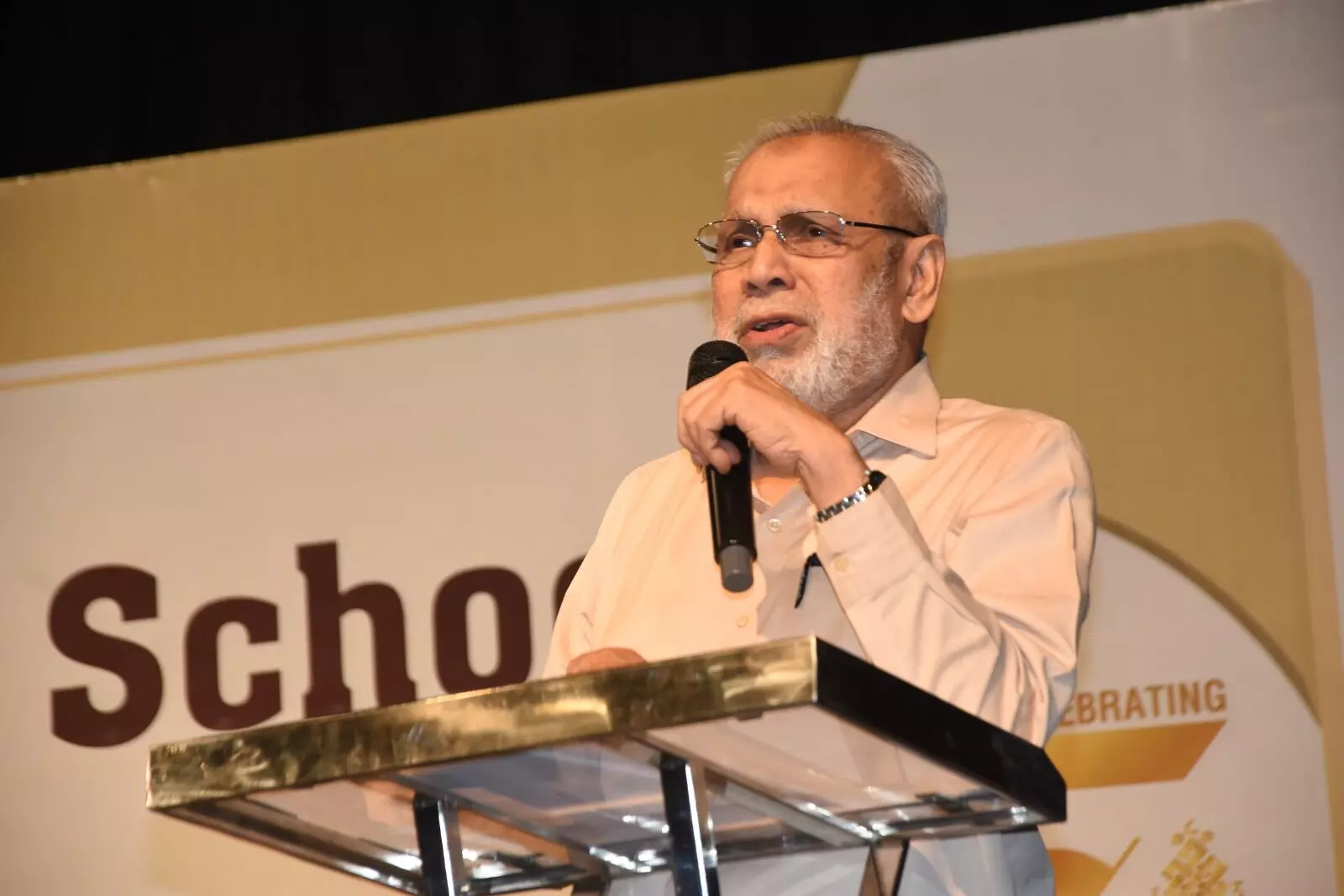
Taha Mateen, Chairman and Managing Director of ACURA Speciality Hospital, said the community should not forget its Islamic roots and history. He recited lines of poetry by Iqbal: “Kabhi ae nawjawaan Muslim tadabbur bhi kiya tu ne, wo kya gardu tha tu jiska hai ek toota hua taara.” He stressed the need to understand the Qur’an and recognise its importance, and urged students to continue learning across different fields without stopping at any stage. He congratulated the students, parents and the management.
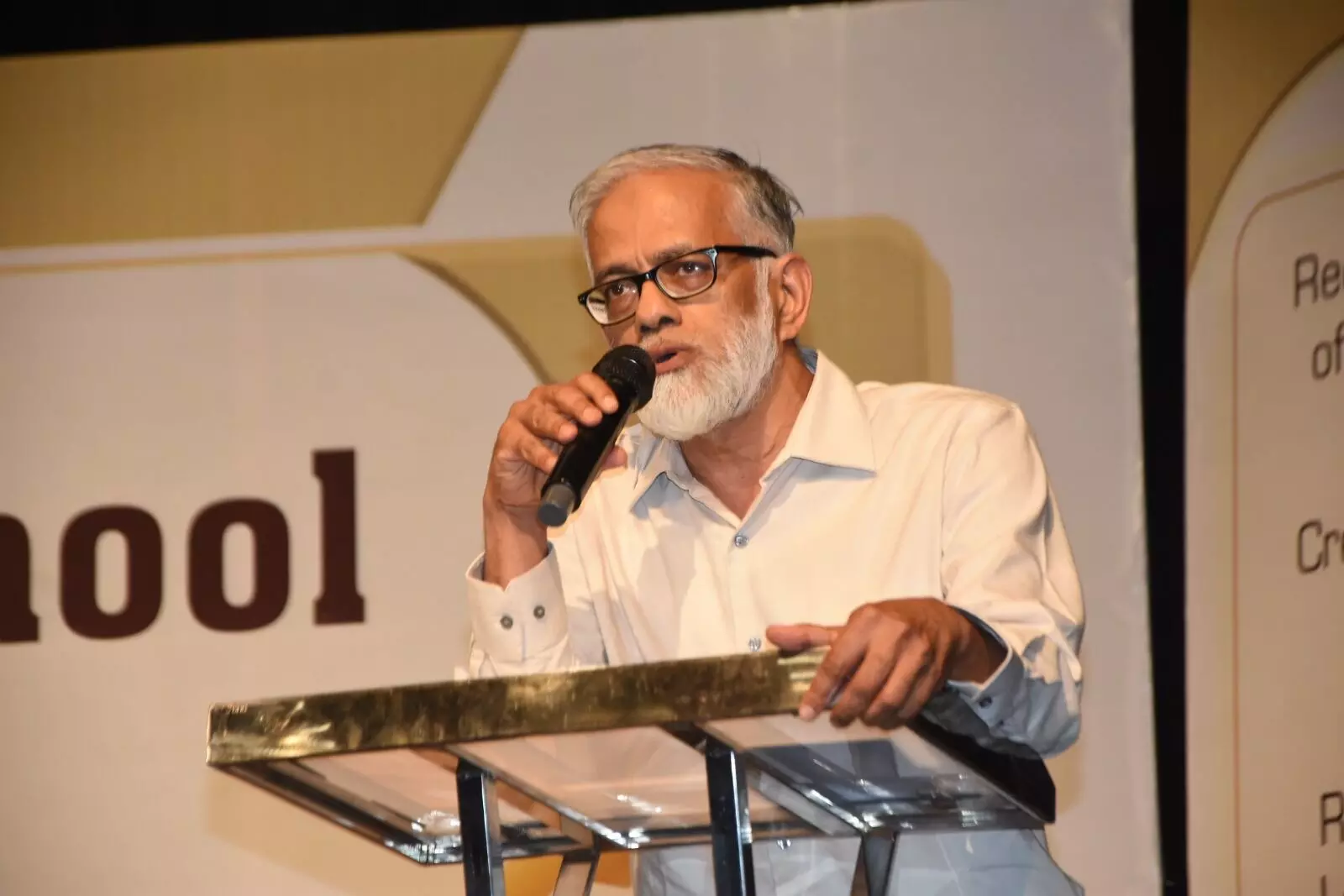
Dr. C P Habeeb Rahman, Chairman and Managing Director o Unity Health Complex, Mangaluru said there is a need for introspection within the Muslim community to understand what has gone wrong and why it has fallen behind despite contributing to global civilisation. He also spoke about the lack of leadership within the community.
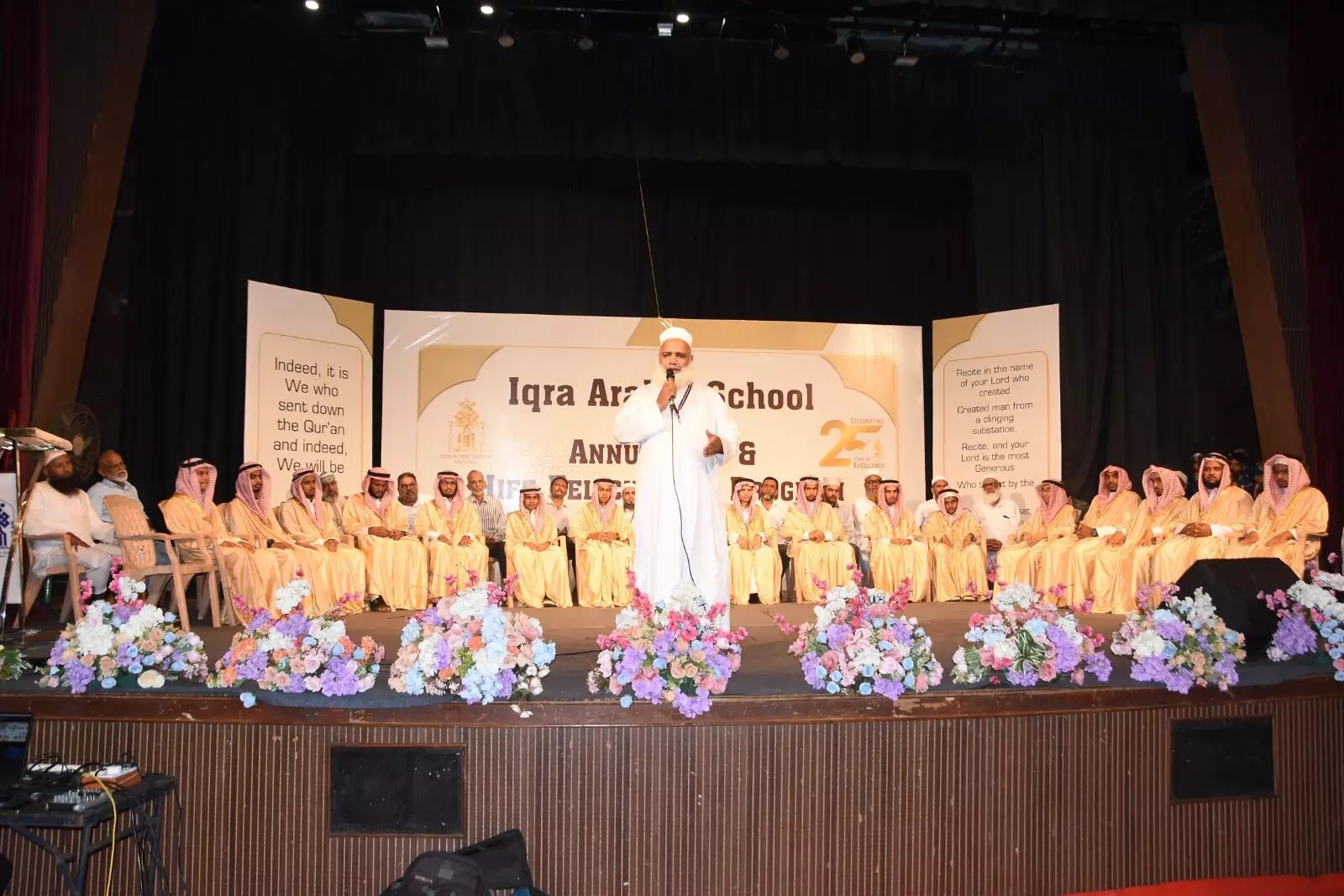
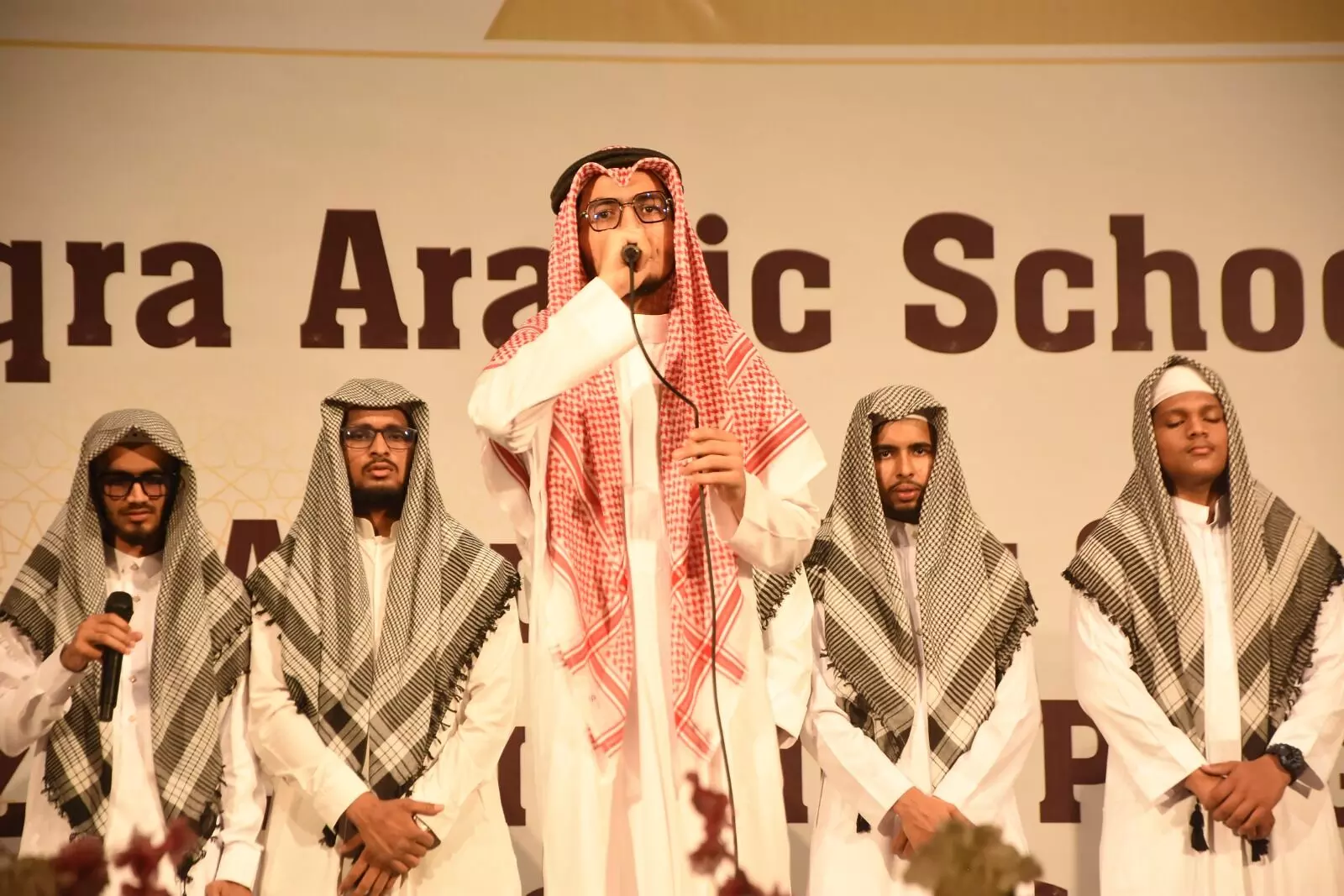
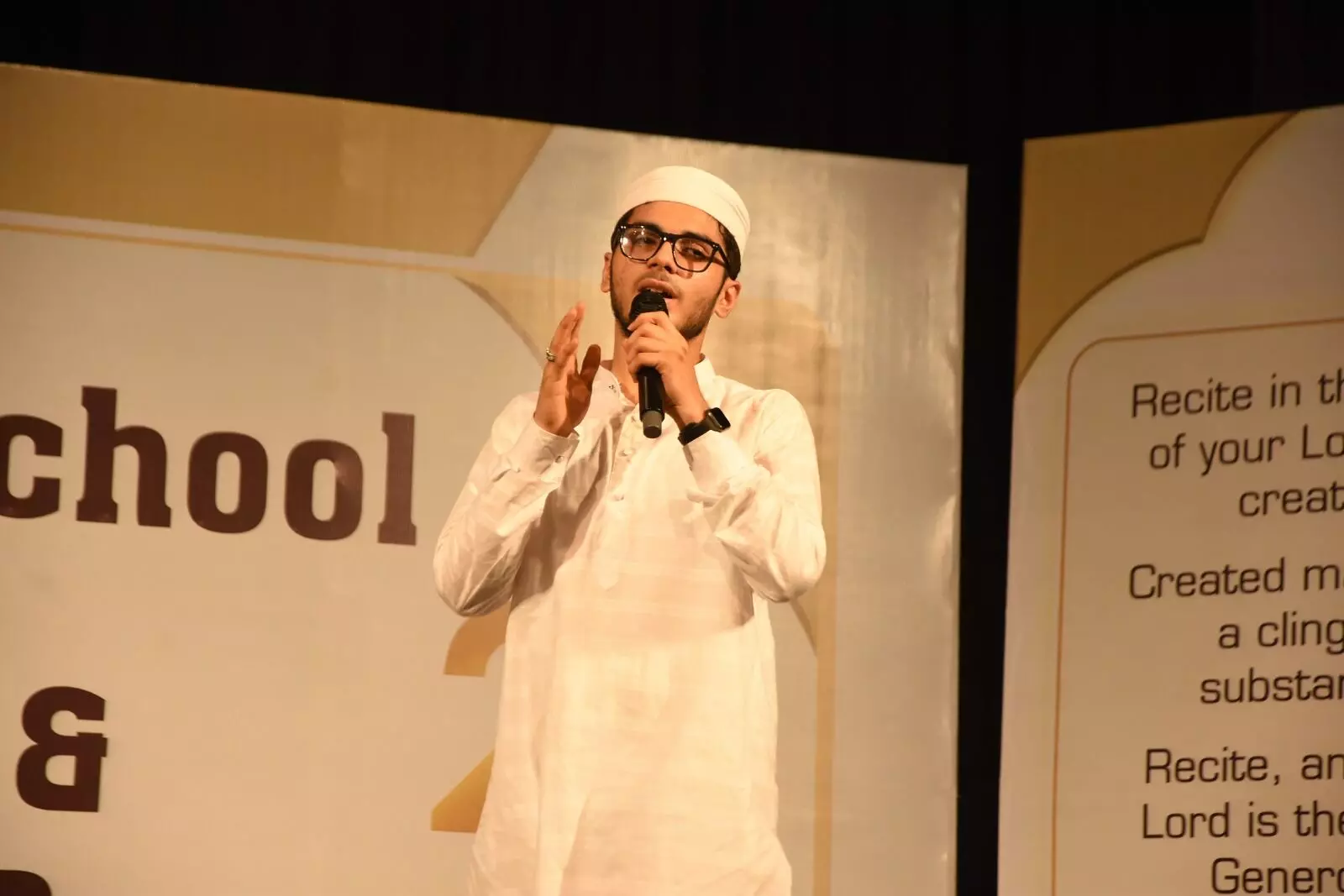
Students presented cultural programmes based on Islamic teachings during the event. Two of the books authored by the students of the institution were also released during the event
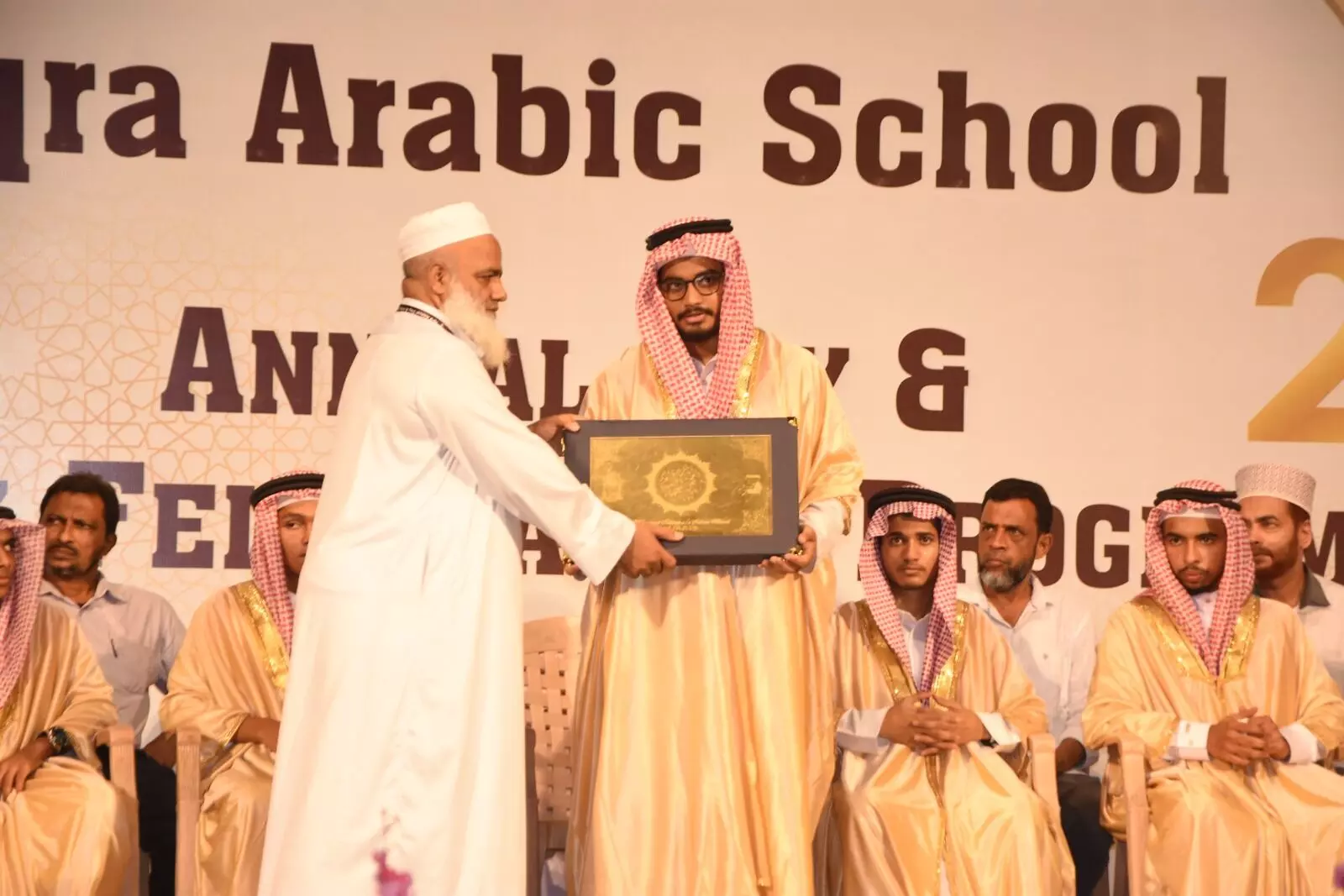
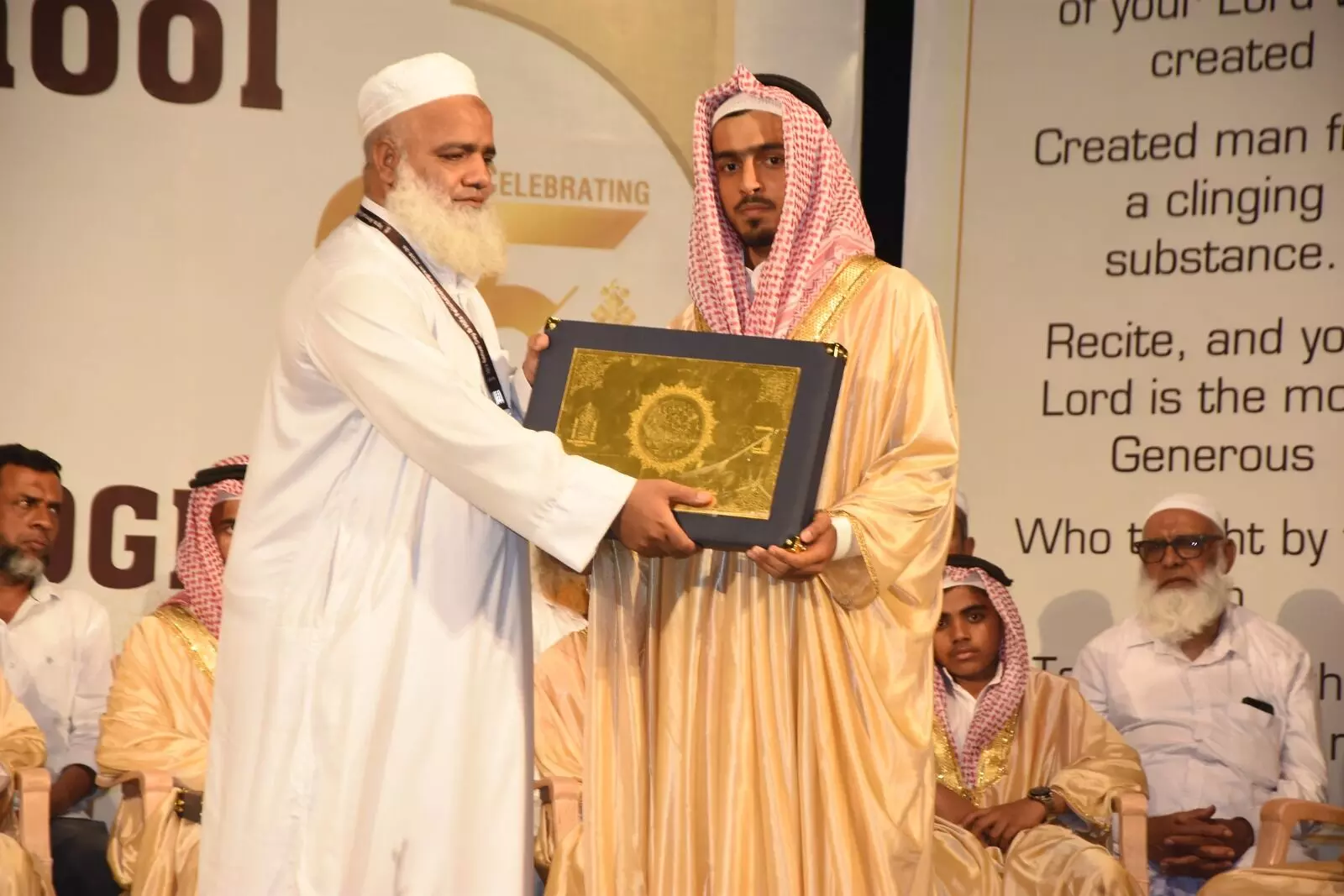
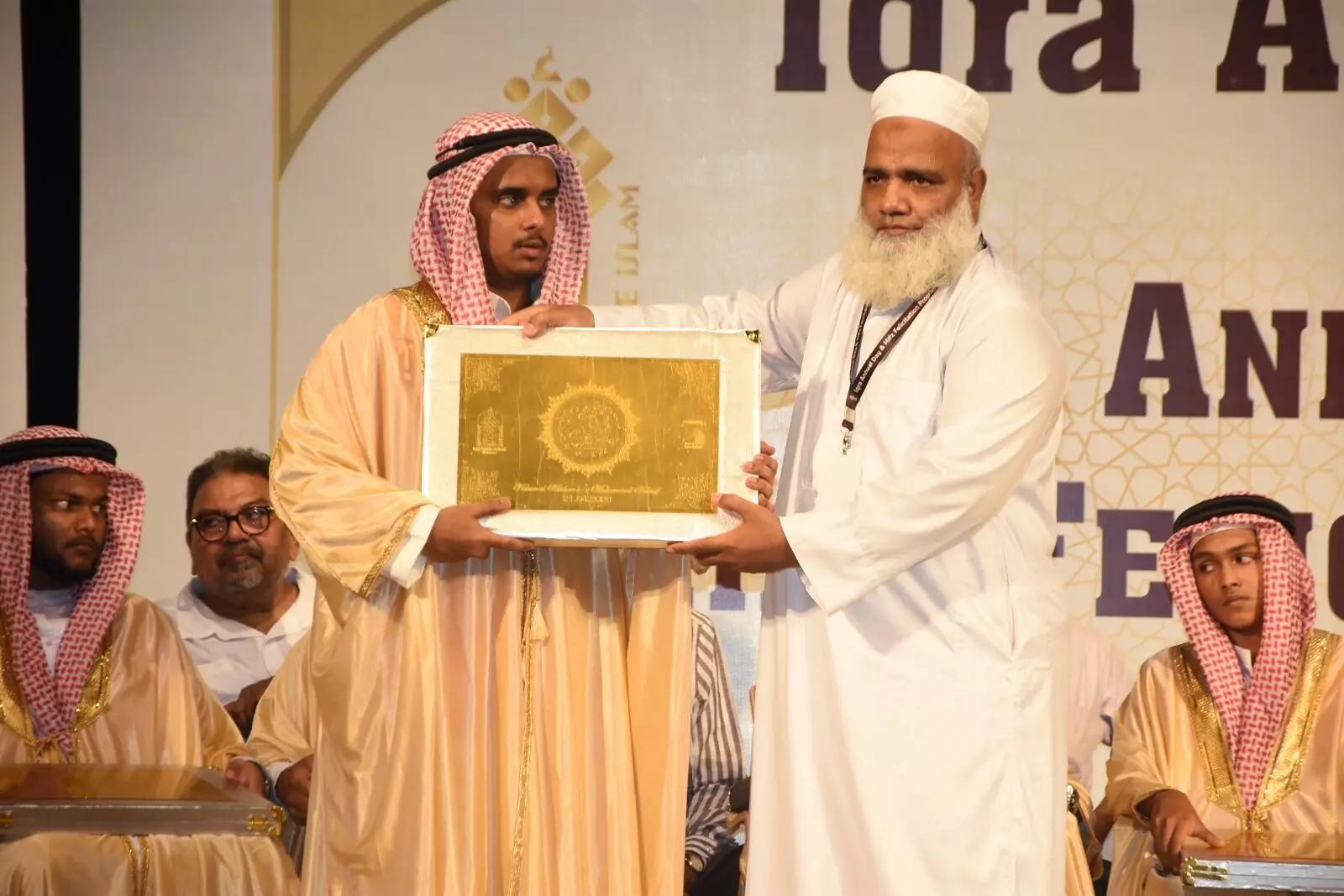
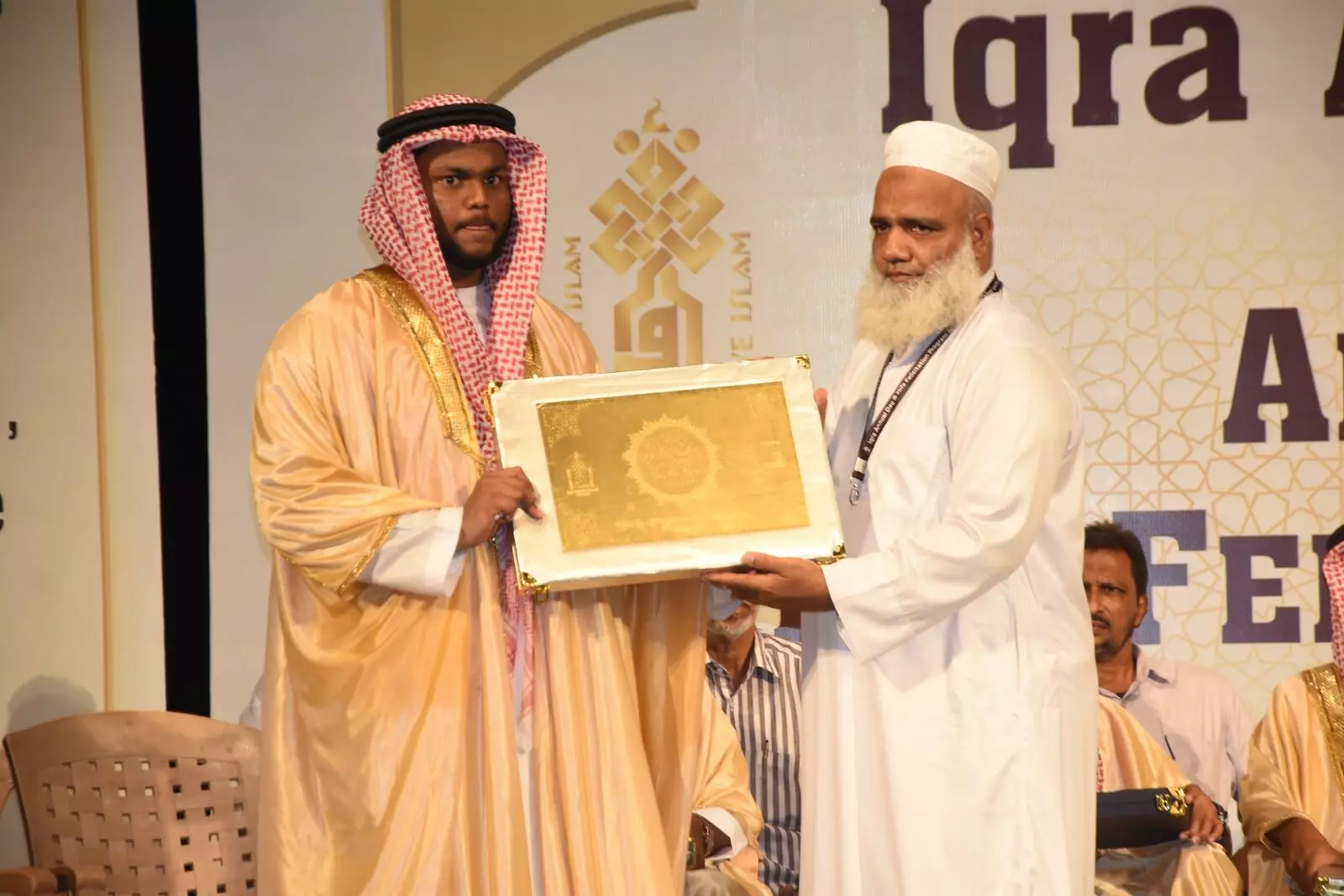
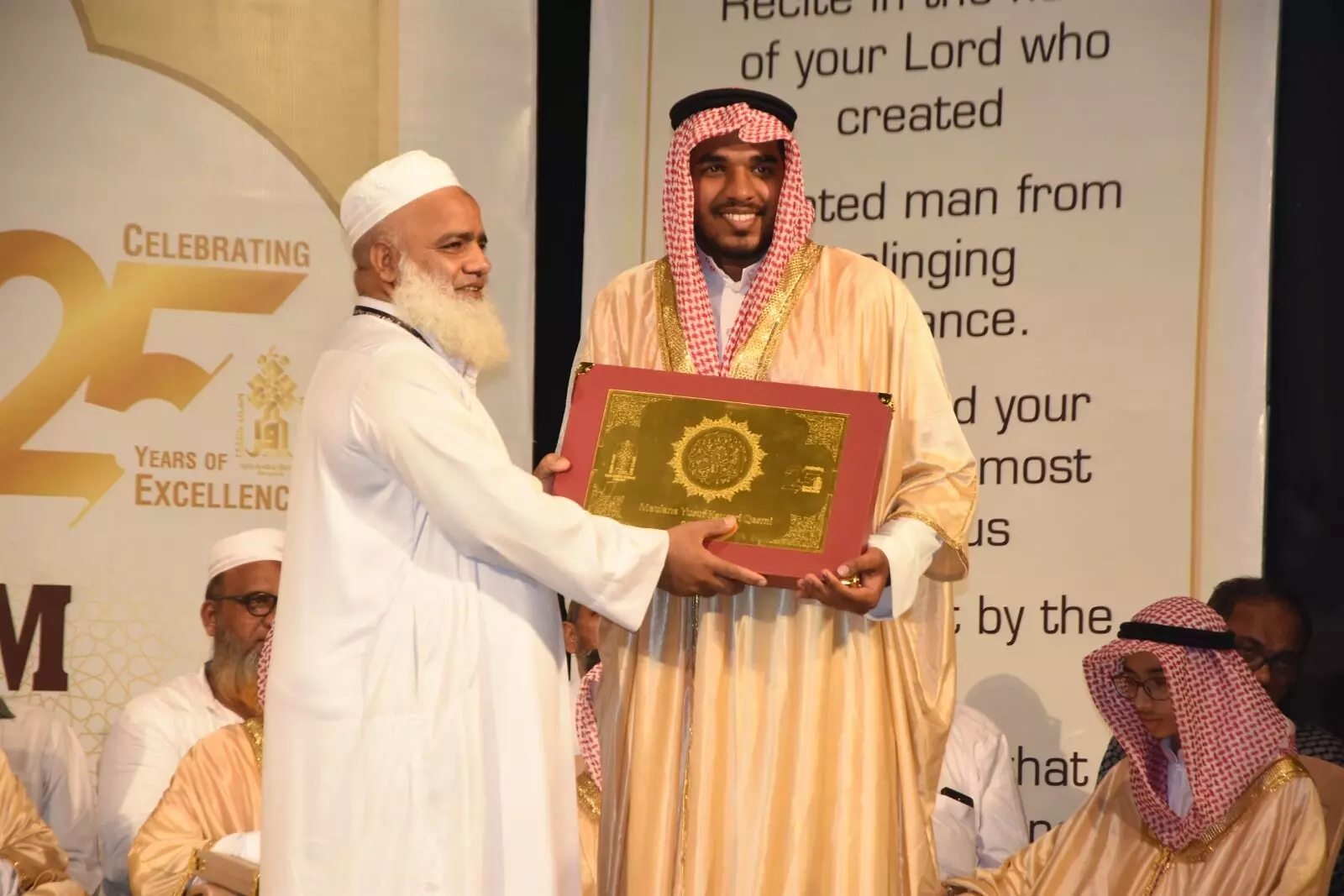
A total of 18 students who completed Hifz this year were felicitated and presented with mementos by the guests. The programme concluded with a vote of thanks by Moulana Salim Khalifa, the principal of the institution.