31,531 new COVID-19 cases, 403 deaths in Karnataka
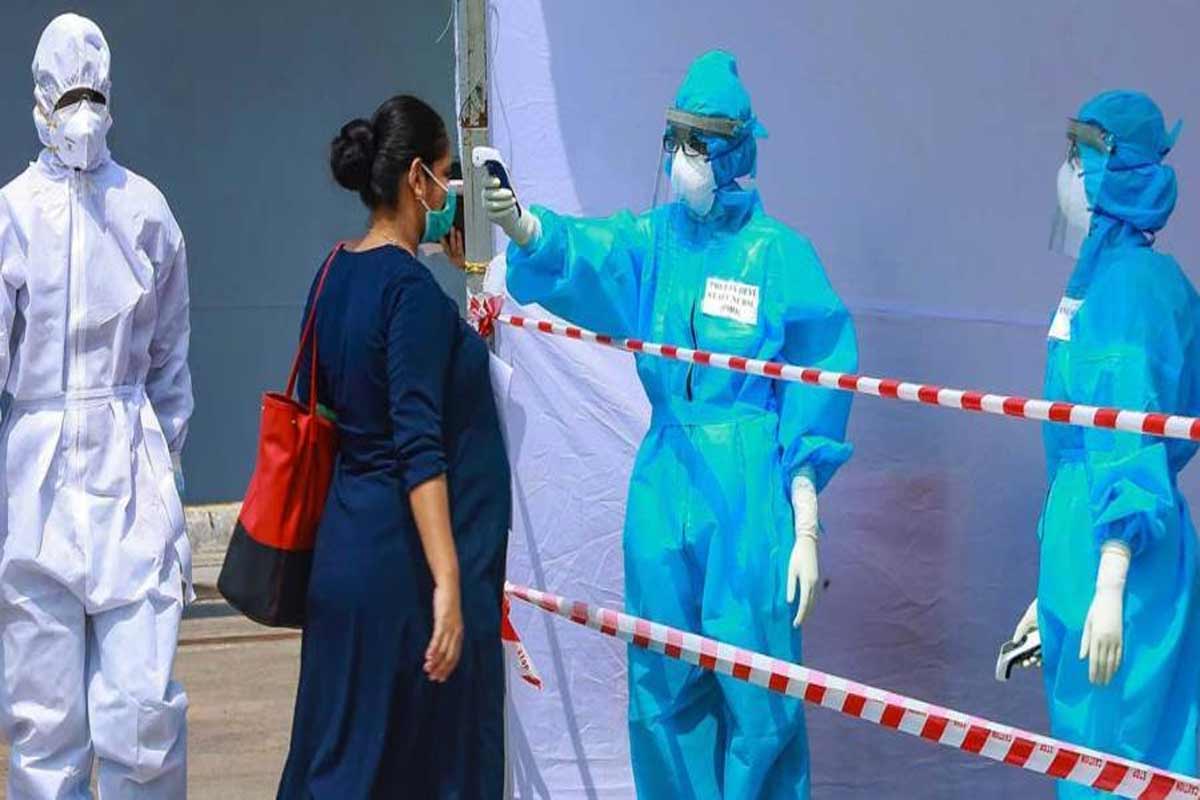
Bengaluru, May 16: Karnataka has reported 31,531 new cases of COVID-19 and 403 fatalities, taking the total number of infections to 22,03,462 and deaths to 21,837 so far, the Health Department said here on Sunday.
The day also saw 36,475 patients getting discharged.
Out of the 31,531 fresh cases, 8,344 were from Bengaluru Urban alone.
As of May 16 evening, cumulatively 22,03,462 positive cases have been confirmed in the State, which include 21,837 deaths and 15,81,457 who got discharged, the department said in its bulletin.
The total number of active cases stood at 6,00,147.
While the positivity rate for the day stood at 27.84 per cent, case fatality rate (CFR) was at 1.27 per cent.
Of the 403 deaths, 143 were from Bengaluru Urban. Ballari saw 26, Uttara Kannada (24), Hassan (18), Bengaluru Rural (17), Mandya (15), Shivamogga (14) followed by others.
Among the districts where the new cases were reported, Bengaluru Urban accounted for 8,344, Tumakuru 2,138, Mysuru 1,811, Belagavi 1,762, Ballari 1,729, Hassan 1,182 and Davangere 1,155 followed by others.
Bengaluru Urban district tops the list of positive cases with a total of 10,51,058 followed by Mysuru 1,12,127 and Tumakuru 81,479.
Among those discharged, Bengaluru Urban topped with 6,80,194, Mysuru 96,281 and Ballari 54,991.
A total of over 2,78,79,697 samples have been tested so far out of which 1,13,219 were tested today.
To view today's health bulletin: CLICK HERE
Let the Truth be known. If you read VB and like VB, please be a VB Supporter and Help us deliver the Truth to one and all.
Russian First Deputy PM Manturov meets PM Modi; discusses trade, energy ties
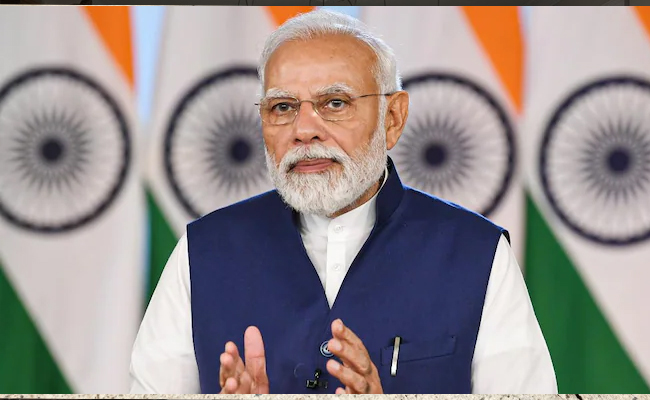
New Delhi (PTI): Russia's First Deputy Prime Minister Denis Manturov on Thursday called on Prime Minister Narendra Modi and discussed ways to strengthen bilateral ties in areas of investment, energy and industrial cooperation.
Manturov, on a two-day visit to India, also held talks with External Affairs Minister S Jaishankar and National Security Advisor Ajit Doval.
The Russian embassy said Modi and Manturov discussed "specific steps to implement agreements reached" during the India-Russia summit held in December last.
"Particular attention was paid to further strengthening Russia-India trade, economic, investment, energy and industrial cooperation," it said on social media.
In their meeting, Doval and Manturov were learnt to have discussed bilateral defence cooperation besides the evolving regional security situation.
The Russian first deputy PM's visit to New Delhi comes days after India cleared procurement of a fresh batch of five S-400 missile systems from Russia.
The decision to procure the additional batch of five S-400 air defence missile systems was taken against the backdrop of the missile system proving its capability during Operation Sindoor.
The missile system played a crucial role in India's dominance over Pakistan during the May 7-10 hostilities last year.
In October 2018, India had signed a USD 5 billion deal with Russia to buy five units of S-400 air defence missile systems, notwithstanding a warning by the US that going ahead with the contract may invite US sanctions under the provisions of Countering America's Adversaries Through Sanctions Act (CAATSA).
Three squadrons have already been delivered.
In the talks, the two sides are also expected to exchange views on the West Asia conflict and its impact on global economy, especially on the energy sector.
It is learnt that both sides also reviewed the implementation of decisions taken at the summit talks between Prime Minister Modi and Russian President Vladimir Putin in last December.
Following talks between the two leaders, India and Russia unveiled a raft of measures including a five-year roadmap to build a robust economic partnership and to increase the annual trade to USD 100 billion by 2030.
Russian Foreign Minister Sergey Lavrov last week lauded India's "independent foreign policy" and said that Russia looks forward to welcoming Prime Minister Modi for a visit this year.
In an address at a conference titled 'India and Russia: Towards a new bilateral agenda', he said the "time-tested" friendship between the two countries is a model on interstate relations based on mutual trust and respect.