After poor SSLC results, Karnataka govt issues 29-point reform plan
Measures include syllabus deadline, special classes, bi-monthly PTMs, daily attendance tracking
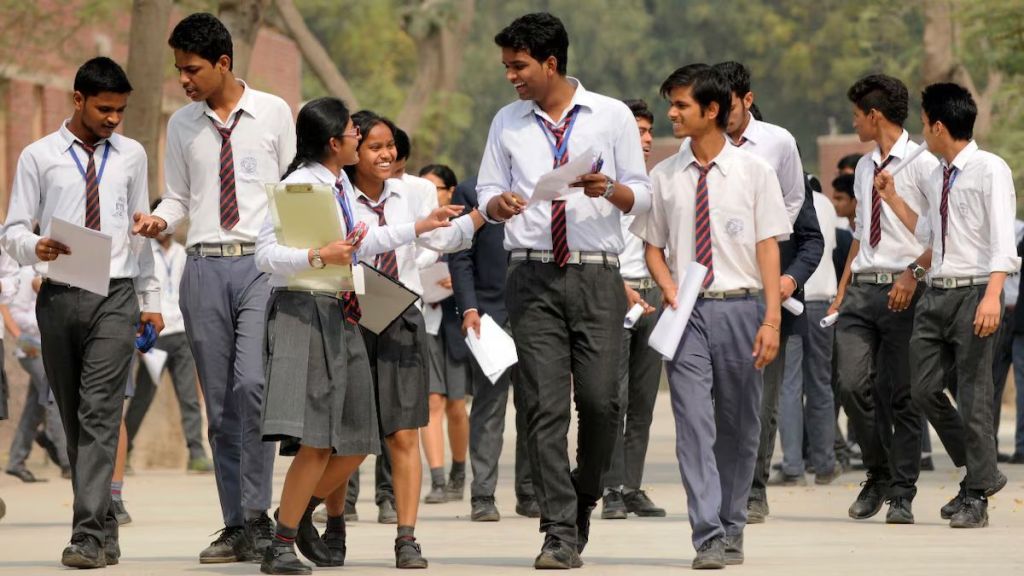
Bengaluru: In response to growing concerns over declining Class 10 (SSLC) results in Karnataka, the Department of School Education and Literacy has rolled out a comprehensive 29-point action plan aimed at improving student performance.
According to a Deccan Herald report published on Friday, the new guidelines come after the SSLC pass percentage, which stood at 54% in 2024, rose to 73% only after grace marks were granted to 1.7 lakh students. Despite a marginal improvement in 2025 to 62%, the overall outcome remains unsatisfactory, prompting the department to intervene.
As per the new guidelines, schools must complete the syllabus by December 2025 and are required to conduct special classes along with bi-monthly parent-teacher meetings for Class 10 students. Teachers have also been instructed to counsel students at least twice on the harmful effects of mobile phone and social media addiction.
Daily attendance tracking through the Student Achievement Tracking System (SATS) has been made mandatory. Additionally, under the "early warning system," teachers are expected to visit the homes of students who are absent for more than seven days to investigate the reasons and ensure their return to school.
The guidelines further direct schools to monitor student progress through regular unit tests and introduce “wake up calls” through teachers each morning to ensure that students are studying. One hour per week must also be allocated for sports activities to help students manage stress.
Underperforming schools will be identified, and deputy directors (administration) at the district level have been tasked with addressing key problem areas.
The guidelines also mandate department officials to conduct weekly visits to schools on Fridays and analyse the learning progress in the respective schools.
Schools have been instructed to conduct three preparatory exams with webcasting, and students who fail the board exams will be allowed to re-register. The department has called for awareness campaigns at the taluk and zilla levels to ensure maximum participation in the re-registration process.
Let the Truth be known. If you read VB and like VB, please be a VB Supporter and Help us deliver the Truth to one and all.
Xi, Trump reach series of new common understandings: China's foreign ministry
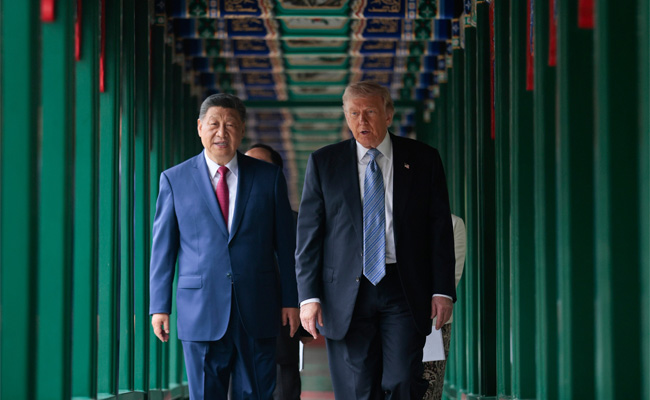
Beijing (PTI): Chinese President Xi Jinping and his US counterpart Donald Trump had an in-depth exchange of views on major issues concerning the two countries and the world, and reached a series of new common understandings, a Chinese foreign ministry spokesperson said Friday.
Xi and Trump, who is on a three-day visit to China, met twice on Thursday and discussed a range of bilateral and global issues.
Trump is due to leave on Friday after a luncheon meeting with Xi.
Summing up the outcomes of Trump’s visit to Beijing, a Chinese Foreign Ministry spokesperson said the two presidents had an in-depth exchange of views on major issues concerning the two countries and the world and reached a series of new common understandings.
They agreed on a new vision of building a constructive China-US relationship of strategic stability to provide strategic guidance for bilateral relations over the next three years and beyond.
The two presidents also agreed to promote the steady, sound and sustainable development of China-US relations, and bring more peace, prosperity and progress to the world, said a statement by the ministry’s spokesperson.
Trump visited China at the invitation of Xi.
The two presidents are meeting in person again for the first time since their Busan meeting last October, and it is the first visit to China by a US president in nine years, the statement said.
On Thursday, President Xi held a welcome ceremony and a banquet for Trump, held talks and visited the Temple of Heaven with him.
VIDEO | Beijing: On second day of bilateral talks, US President Donald Trump (@POTUS) thanks Chinese President Xi Jinping for 'incredible' China trip.
— Press Trust of India (@PTI_News) May 15, 2026
Trump says, "Thank you very much. This has been an incredible visit. I think a lot of good has come of it. We've made some… pic.twitter.com/7A7lbEzLdC