Apr 28: Karnataka reports biggest single day spike of 39,047 COVID cases, 229 deaths
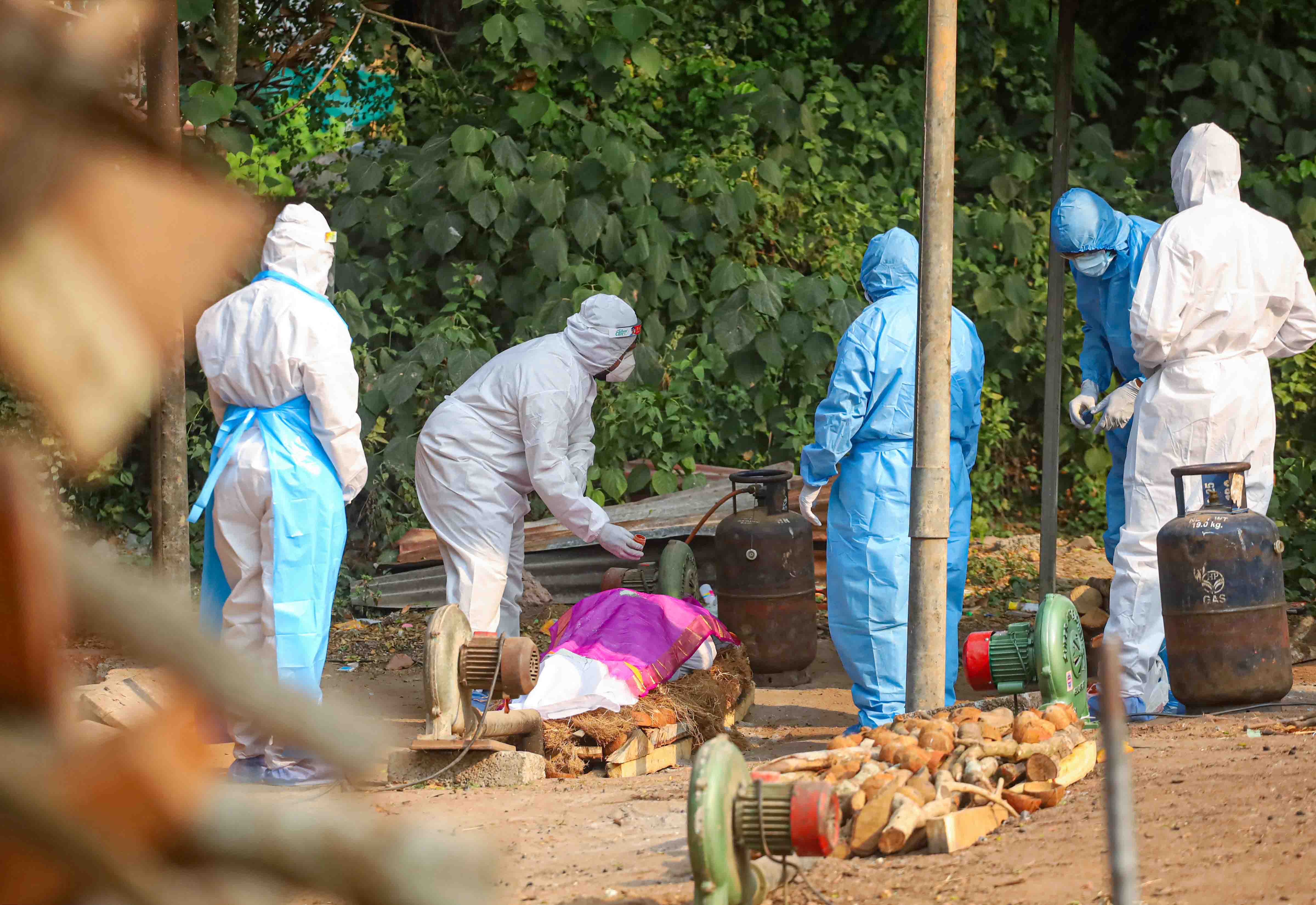
Bengaluru, Apr 28: In the biggest single day spike, Karnataka recorded 39,047 COVID-19 cases on Wednesday, taking the tally to 14.39 lakh, while fatalities crossed the 15,000 mark with 229 deaths.
The previous high in the state was 34,804 cases on April 25 this year.
Bengaluru Urban alone accounted for 22,596 infections, the health department said in a bulletin.
The state-wide toll stood at 15,036.
The day also saw 11,833 patients getting discharged.
Cumulatively 14,39,822 COVID-19 positive cases have been confirmed in Karnataka, which include 15,036 deaths and 10,95,883 discharges, the bulletin said.
Of the 3,28,884 active cases, 2,192 are in Intensive Care Units of various hospitals
Behind Bengaluru in the number of cases was Mysuru 1,759, Kolar 1194, Tumakuru 1,174, Ballari 1,106 and Hassan 1,001, while Mandya, Kalaburagi, Bengaluru Rural, Chikkaballpura, Udupi, Dakshina Kannada and Dharward reported well in excess of 500 each.
Among the 229 deaths reported on Wednesday, Bengaluru Urban accounted for 137, Mysuru 11, Mandya 9, Ballari 8, Bidar 6 and five each in Chikkamagaluru, Ramanagar, Shivamogga, Tumakuru and Yadgir, while the rest were in other cities
A total of 2.52 crore samples have been tested so far, including 1,71,997 on Wednesday alone.
Over 92.40 lakh people have so far been inoculated, the bulletin said.
To view today's health bulletin: CLICK HERE
Today's Media Bulletin 28/04/2021
— K'taka Health Dept (@DHFWKA) April 28, 2021
Please click on the link below to view bulletinhttps://t.co/nPw4c1ru4D @CMofKarnataka @BSYBJP @mla_sudhakar @drashwathcn @RAshokaBJP @BSBommai @CPBlr @PIBBengaluru @KarnatakaVarthe @PIBBengaluru @BBMPCOMM @BlrCityPolice @blrcitytraffic pic.twitter.com/Tf6S4Cu9OY
Let the Truth be known. If you read VB and like VB, please be a VB Supporter and Help us deliver the Truth to one and all.
Allahabad HC orders probe into 'reinstatement' of teacher in UP's Barabanki
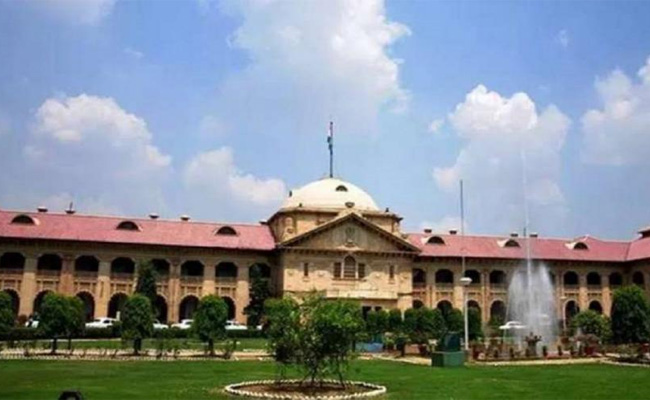
Lucknow (PTI): The Lucknow Bench of the Allahabad High Court on Friday ordered a probe by the special task force (STF) into alleged irregularities in the rejoining of a teacher at City Intermediate College in Barabanki, observing that the reinstatement appeared to be prima facie illegal.
The court also directed the recovery of the salary paid to the teacher during the disputed period.
A bench of Justice Rajeev Singh passed the order on a petition filed by the college management committee. The court expressed doubts over the roles of the District Inspector of Schools (DIOS), Barabanki, the college principal and the teacher concerned and hence, directed a detailed inquiry into the matter.
Taking note of alleged manipulation of records and misleading submissions, the court ordered the immediate transfer of the Barabanki DIOS to ensure a fair probe. It also directed the initiation of disciplinary proceedings against the then joint director of education of the Ayodhya division.
In its order, the court found that the teacher, Abhay Kumar, was initially appointed as an assistant teacher in 2018 but joined an Eklavya Model Residential School in Chhattisgarh as a lecturer in June 2024 without obtaining permission from the management. His subsequent request to retain the lien was rejected.
Despite this, he was allowed to rejoin the Barabanki College in September 2025 on the directions of the joint director of education and the DIOS, and was even paid the salary for October 2025. The court termed the rejoining "wholly illegal" and lacking any legal basis.
The bench also expressed concern over lapses in communication within the education department and directed the Uttar Pradesh chief secretary to ensure that official orders are communicated through email and WhatsApp as well, to prevent disputes.
The matter is next listed for hearing on May 28 when a compliance report is sought.