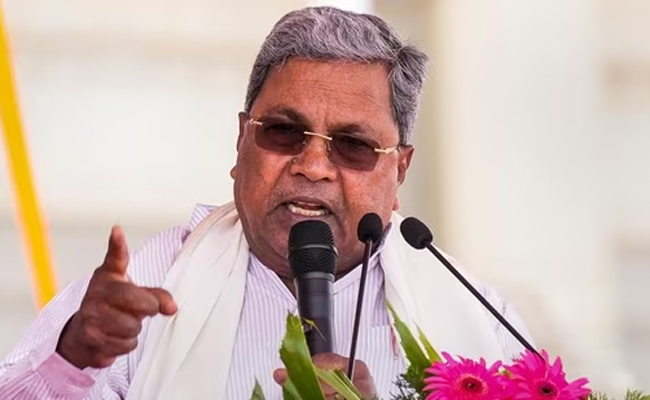
Apr 30: Karnataka logs 48,296 fresh COVID-19 infections, 217 deaths
Karnataka's COVID-19 tally cross 15 lakh mark
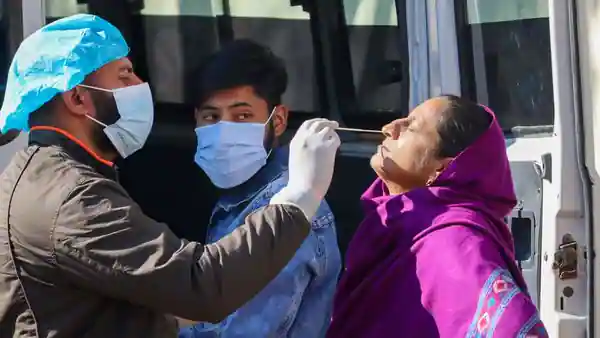
Bengaluru, Apr 30: Karnataka's COVID-19 tally surpassed the 15 lakh mark with the biggest single-day spike of 48,296 cases, while 217 fatalities took the toll to 15,523, the health department said on Friday.
The previous high in the state was on April 28, when 39,047 cases were reported.
Bengaluru Urban alone accounted for more than 50 per cent of the cases on Friday, with 26,756 fresh infections
The day also saw 14,884 getting discharged after treatment.
Cumulatively, 15,23,142 positive cases have been confirmed in the state, which includes 15,523 deaths and 11,24,909 discharges.
There are 3,82,690 active cases at present.
Among the 217 deaths reported on Friday, Bengaluru Urban was on top with 93, Hassan 19, Mysuru 13, Ballari 11, Dharwad 7,Tumakuru, Shivamogga, Kalaburagi, Davangere, Chamarajanagar, Bidar (six each) Kodagu, Mandya, Ramanagara, Uttara Kannada, three each in Vijayapura, Kolar and Bagalkote (five each).
The bulletin said 3,500 cases were reported in Mysuru, 1,801 in Tumakuru, 1,282 in Ballari, 1,256 in Kalaburagi, 1,205 in Dakshina Kannada, while Kolar, Bengaluru Rural, Raichur, Hassan, Dharwad, Shivamogga, Udupi, Kodagu and Chikkaballapura reported well in excess of 500 each.
A total of 2.55 crore samples have been tested so far, out of which 1,89,793 were on Friday alone, the bulletin said.
It said 96.81 lakh people had so far received both the first and second shots of the covid-19 vaccine.
To view today's health bulletin: CLICK HERE
Today's Media Bulletin 30/04/2021
— K'taka Health Dept (@DHFWKA) April 30, 2021
Please click on the link below to view bulletin.https://t.co/8lYiZPOxNJ @CMofKarnataka @BSYBJP @mla_sudhakar @drashwathcn @RAshokaBJP @BSBommai @CPBlr @PIBBengaluru @KarnatakaVarthe @PIBBengaluru @BBMPCOMM @BlrCityPolice @blrcitytraffic pic.twitter.com/0xyjuY6J3G
Let the Truth be known. If you read VB and like VB, please be a VB Supporter and Help us deliver the Truth to one and all.
AI-based monitoring strengthens PPP dialysis programme in Karnataka: Health Minister
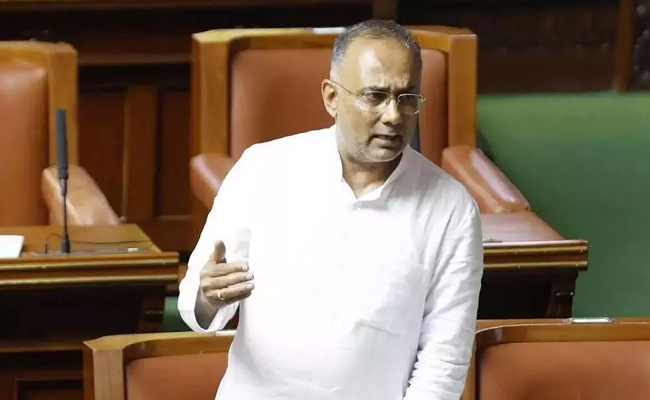
Bengaluru (PTI): The introduction of an AI-enabled monitoring system will significantly enhance patient safety and treatment quality under Karnataka's public-private partnership dialysis programme, Health Minister Dinesh Gundu Rao said on Thursday.
Launching the AI-based smart monitoring system at KC General Hospital in Bengaluru, the minister said such technological innovations bring dialysis services delivered under the PPP model on par with private healthcare standards.
"The introduction of an AI-enabled monitoring system will significantly strengthen patient safety and treatment quality under Karnataka's PPP dialysis programme," he said.
The system, introduced by dialysis care provider NephroPlus, enables real-time monitoring of critical treatment parameters such as blood pressure, fluid removal and electrolyte balance during dialysis, aiming to improve patient outcomes through continuous oversight, a statement said.
Currently deployed across seven dialysis centres, the platform tracks 28 key parameters, including patient care, safety, bed availability, staff alertness, emergency preparedness, infection control, hygiene and operational efficiency, NephroPlus said in a statement.
It allows administrators and clinical teams to take data-driven decisions through continuous performance monitoring, it added.
Officials said the technology replaces periodic audits with always-on monitoring, offering a more transparent and robust governance framework.
NephroPlus CEO Rohit Singh said continuous monitoring is critical in dialysis care and the AI-based system ensures consistent quality standards across centres while enabling safer and more reliable treatment for patients.
The launch event also featured a live demonstration of AI-powered dashboards, showcasing real-time tracking of dialysis procedures.