K'taka: Auto-drivers stage demonstration against ban on services by ride-hailing platforms
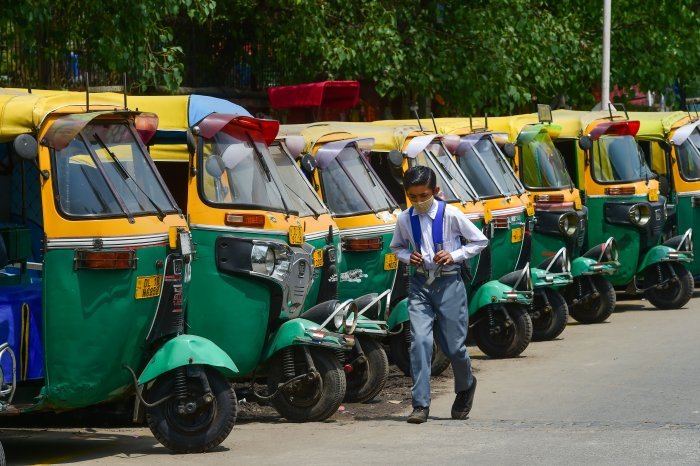
Bengaluru, Oct 10: Auto-rickshaw drivers here staged a demonstration outside a regional transport office (RTO) on Monday against the ban on their services that was imposed by ride-hailing platforms - Ola, Uber and Rapido.
The Karnataka Transport Department issued a notice on Thursday asking the aggregators to immediately stop operating "illegal auto-rickshaw services."
It said the drivers were fleecing the public and were given three days' time to furnish any details they have to continue operating their auto-rickshaws.
According to officials of the department, the aggregators failed to provide any details and did not make any plea.
The department on Monday launched its drive against the aggregator-linked auto-rickshaw services. They penalised a few drivers associated with the ride-hailing companies.
At the demonstration, a large number of drivers parked their vehicles and raised slogans.
Meanwhile, the aggregators continued to show auto-rickshaw services on their mobile applications. They declined to comment on the government notice.
The Transport Department officials, too, remained tight-lipped on why these companies were showing auto-rickshaw services on their applications and not paying heed to the government order.
Let the Truth be known. If you read VB and like VB, please be a VB Supporter and Help us deliver the Truth to one and all.
KSCA expresses disappointment over missing IPL playoffs, says it was ready to host matches in B’luru
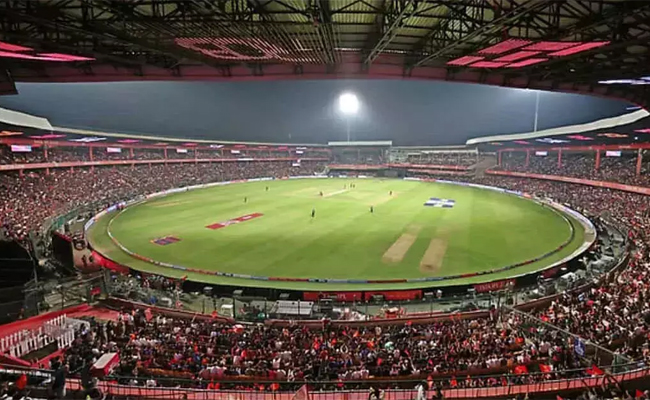
Bengaluru: The Karnataka State Cricket Association (KSCA) has issued a clarification stating that it was fully prepared to host the IPL playoffs and final matches in Bengaluru but the fixtures were allotted to other venues.
In a media note, KSCA said it was disappointed with the decision. The association stated that its president, former India cricketer Venkatesh Prasad, had been in touch with the Board of Control for Cricket in India (BCCI) and had formally conveyed the association’s readiness and interest in hosting the matches at the M. Chinnaswamy Stadium.
KSCA said the IPL matches held in Bengaluru this season were appreciated for smooth conduct, crowd management and overall experience for spectators. It said this reflected its ability to handle high-profile matches.
The association also stated that it had sent a detailed communication to the BCCI explaining its preparedness and the operational arrangements followed during the current IPL season. According to KSCA, these systems have been in place since the start of the Indian Premier League in 2008 and were followed consistently, including during previous playoff matches hosted in Bengaluru.
The clarification added that the communication sent to the BCCI was only meant to provide factual and operational details and to bring clarity on logistical and stakeholder-related requirements involved in hosting such matches.
KSCA said that although it had shown willingness and preparedness, the BCCI has decided to allocate the playoff matches to other venues. It added that the reasons for this decision have not been formally shared with the association, but it respects the authority of the board in taking such decisions.
The association further said it remains ready to host matches of national and international importance and will continue to cooperate with the BCCI, franchises, government authorities and other stakeholders for conducting cricket events.
The statement was issued by KSCA official spokesperson Vinay Mruthyunjaya, who also thanked the media and cricket fans for their continued support.