BBMP polls likely to be held between June-August
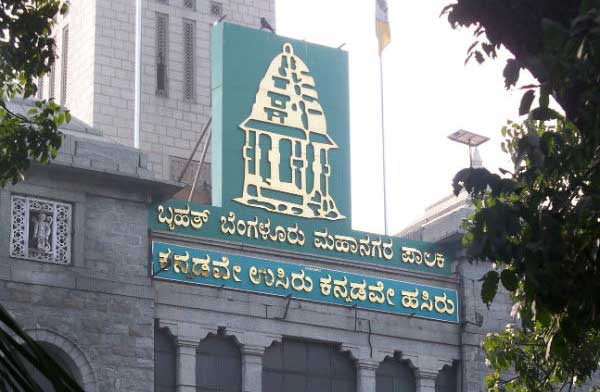
Bengaluru: The long-pending elections for the Bruhat Bengaluru Mahanagara Palike (BBMP) are expected to take place between June and August this year and the state government is reportedly making necessary preparations for the same.
The term of the previous BBMP council ended in September 2020, but elections have not been held yet. Former Congress councillors Abdul Wajid and M. Shivaraju had approached the High Court to push for quicker elections. However, the State Election Commission (SEC) cited pending ward delimitation and reservation finalisation as reasons for the delay, as reported by The Hindu on Wednesday.
The High Court had directed elections for 198 wards in 2020, but the government later expanded this number to 243 under the BBMP Act of 2020. A Supreme Court stay allowed the BJP-led government to proceed with the new wards. After a change in government in 2023, the number of wards was revised to 225.
Later, the government introduced the Greater Bengaluru Governance (GBA) Bill, 2024, which allows for the city’s civic body to be split into multiple corporations. A committee is reviewing the Bill, with its report expected by the end of this month.
Sources in the government told the publication that MLAs across party lines are split over the polls. While some MLAs were previously against holding elections, fearing it would shift power to councillors, others now believe the council is essential for smooth governance in the city.
Transport Minister Ramalinga Reddy stated that the government is eager to pass the GBA Bill in the next Assembly session. “Once the Bill is passed, it will be sent to the Governor for assent. We are hopeful that the Bill will sail through. Under the GBA the BBMP will be split into multiple corporations and the elections will be held,” he was quoted as saying by The Hindu.
Reddy added that the state government is contemplating holding polls between June and August.
Let the Truth be known. If you read VB and like VB, please be a VB Supporter and Help us deliver the Truth to one and all.
RCB beat MI by 18 runs after batters fire
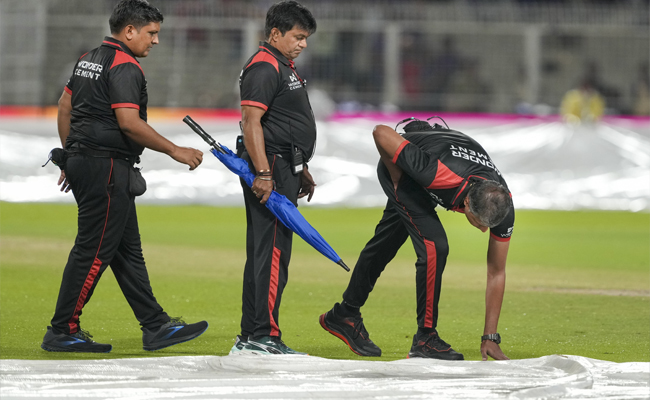
Mumbai (PTI): Royal Challengers Bengaluru skipper Rajat Patidar, Phil Salt and Virat Kohli blasted half-centuries as the defending champions beat Mumbai Indians by 18 runs in an Indian Premier League match here on Sunday.
Salt (78 off 36 balls) and Kohli (50 off 38 balls) stitched together a 120-run stand for the opening wicket before Patidar scored a rapid 53 off just 20 balls as RCB posted 240 for 4.
In response, Mumbai Indians were restricted to 222 for 5, with RCB spinner Suyash Sharma (2/47) putting the skids on the home side with a double strike in the eighth over, from which they could not recover.
Sherfane Rutherford top-scored for MI with an unbeaten 71 off 31 balls.
While opener Rohit Sharma appeared to be struggling with a hamstring issue and had to retire hurt on 19, his partner Ryan Rickelton made 37, while Suryakumar Yadav (33) and Hardik Pandya (40) were the other contributors for MI.
Brief scores:
Royal Challengers Bengaluru 240 for 4 in 20 overs (Phil Salt 78, Virat Kohli 50, Rajat Patidar 53, Tim David 35 not out).
Mumbai Indians: 222 for 5 in 20 overs (Sherfane Rutherford 71 not out, Ryan Rickelton 37, Hardik Pandya 40; Suyash Sharma 2/47).