Belagavi: Kalyani Chalukya temples in Savadatti fight for survival due to poor maintenance
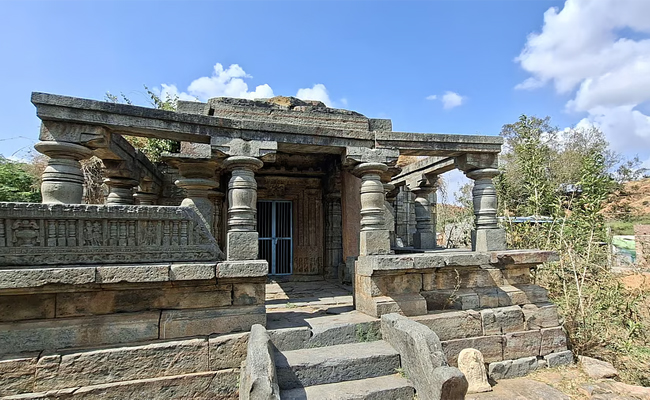
Belagavi: Temples built by the Kalyani Chalukyas in Hooli village of Savadatti taluk face threat of destruction, being in poor condition, covered by bushes and shrubs and also being encroached upon.
The structures were built in 11th and 12th centuries in Savadatti, which was once a seat of Shaivism. Considered a visual delight, the temples demand necessary measures of conservation to prevent destruction, Deccan Herald has reported.
While the buildings and other structures built during the rule of the dynasty carry huge potential for tourism, lack of publicity has prevented the outside world to learn about them.
The local residents have said that there are 101 temples and wells each in Hooli, but lack of maintenance by the concerned authorities has resulted in growth of weeds around the structures. They also stressed on encroachment proving dangerous for the temples and the wells.
ALSO READ: DJB forms inquiry committee to probe biker's death in Janakpuri pit: Water minister
The Archaeological Survey of India (ASI) has taken charge of the Panchalingeshwara temple, but not Bhavanishankara, Andhakeshwara, Kalameshwara, Madaneshwara, Tarakeshwara, Kashi Vishwanatha, Beeradeva, Suryanarayana and Hooli Sangameshwara Ajjanavaru temples. The monuments are yet to be added to the list of the State Archaeological Department too.
ASI Museums Director Smita Reddy reportedly admitted that the temples situated in Hooli were ancient and required to be conserved. She added that efforts were on to include temples other than the Panchalingeshwara Temple to the list of the State Archaeological Departmentin order to get them declared as protected monuments.
Stating that the tahsildar as well as the Savadatti and Hooli gram panchayats had been contacted to clear the temple premises of encroachments, Reddy added that the Department feared damage to the temples in Hooli by treasure hunters influenced by the recent finding of gold at Lakkundi in Gadag. She stressed that it was a myth and also people’s imagination that ancient temples had such hidden treasure under the idols.
Panchayat Development Officer of Hooli GP, Mahadevappa Kalli, said they undertake cleaning of weeds and bushes around the temples biannually in order to protect the structures.
He also said that the Panchayat had received a letter from the ASI on January 1 related to measures to clean the temple premises and added that it was decided at the local general body meeting in late January to clear the overgrowth on the premises.
Let the Truth be known. If you read VB and like VB, please be a VB Supporter and Help us deliver the Truth to one and all.
Court can reject anticipatory bail but cannot direct accused to surrender: SC
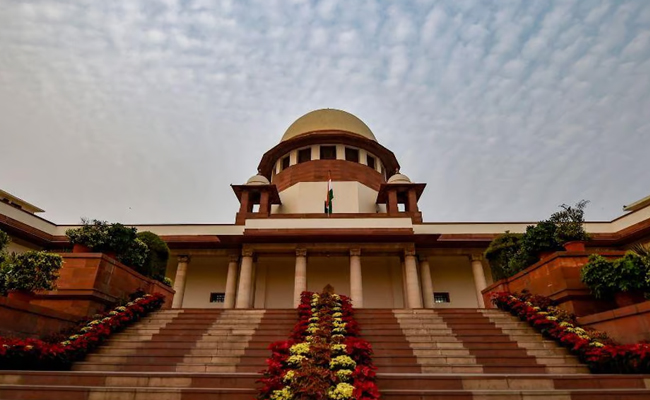
New Delhi (PTI): A court can reject anticipatory bail of an accused but it has no jurisdiction to direct him to surrender before the trial court, the Supreme Court has said.
A bench of Justices J B Pardiwala and Ujjal Bhuyan made the observation while hearing a plea filed by a man accused of cheating and forgery.
"If the court wants to reject the anticipatory bail, it may do so, but the court has no jurisdiction to say that the petitioner should now surrender," the bench said.
The Jharkhand High Court had rejected anticipatory bail plea of the accused and asked him to surrender and seek regular bail.
In this case, a complaint had been filed before a magistrate alleging offences under Sections 323 (voluntarily causing hurt), 420 (cheating), 467 (forgery of valuable security), 468 (forgery for purpose of cheating), 471 (using forged document) and 120B read with 34 of the IPC, in connection with a land dispute.
The high court had dismissed the second anticipatory bail application of the accused on the ground that no new circumstances were shown.
It had relied on its earlier order rejecting his first anticipatory bail plea, in which the court directed the petitioner to surrender before the trial court and seek regular bail in terms of the decision in Satender Kumar Antil v. CBI.
The top court said such a direction was wholly without jurisdiction and said that if a court chooses to reject anticipatory bail, it may do so, but it cannot compel the accused to surrender.