Bengaluru: Asia’s largest AI-based water command centre set to launch
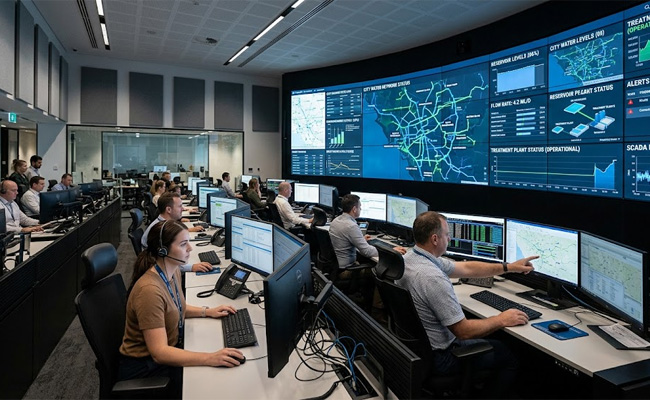
Bengaluru: The Bangalore Water Supply and Sewerage Board (BWSSB) is set to launch one of Asia’s largest AI-powered command centres to monitor water supply and sewage systems in real time, aiming to reduce leaks and improve efficiency, The Indian Express reported.
The Integrated Intelligent Water and Sewerage Management Centre, located at Shimsha Bhavan in Jayanagar, will use Artificial Intelligence (AI) to track, analyse and manage the city’s water network.
In addition to drinking water systems, all sewage treatment plants in the city are connected to the SCADA platform. The system checks if it adheres to National Green Tribunal (NGT) standards and tracks biogas generation from these facilities.
BWSSB Chairman Ram Prasath Manohar said the system will oversee the 775 MLD Cauvery Stage 5 water supply, which serves nearly 110 villages, while also integrating Bengaluru’s broader water distribution and wastewater systems.
A major feature of the system is its use of AI to estimate water demand across different parts of the city. The platform will also detect leakages in pipelines instantly, helping reduce water losses, often referred to as Unaccounted-for Water (UFW) or Non-Revenue Water (NRW). Officers say this will be a key step towards creating a digital replica of Bengaluru’s entire water network.
Bengaluru loses about 28 per cent of its water supply either to leakage or theft.
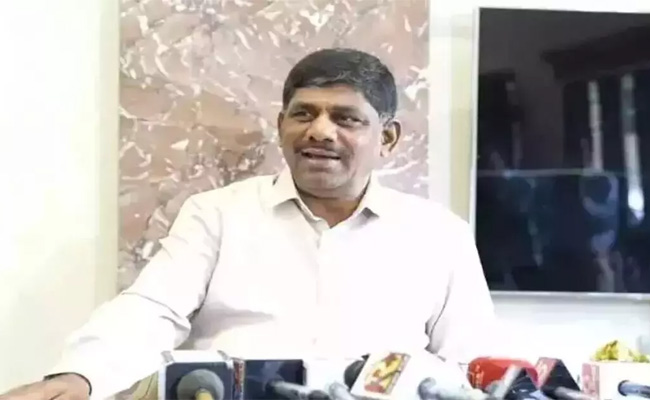
SCADA has been developed with the financial assistance of the Japan International Cooperation Agency (JICA). The facility is located at Shimsha Bhavan in Jayanagar and is expected to be inaugurated soon by Deputy Chief Minister D K Shivakumar.
BWSSB says the initiative reflects a shift towards a data-driven administration in urban water management. The centre is expected to improve transparency, improve efficiency, and strengthen service delivery in a city that has a continuously growing water demand and infrastructure challenges.
Describing the project as a milestone, Manohar said, “The SCADA centre would bring a new phase in how Bengaluru manages its water and wastewater systems, combining scale with advanced technology.”
Let the Truth be known. If you read VB and like VB, please be a VB Supporter and Help us deliver the Truth to one and all.
BJP's Pravesh Wahi elected MCD mayor
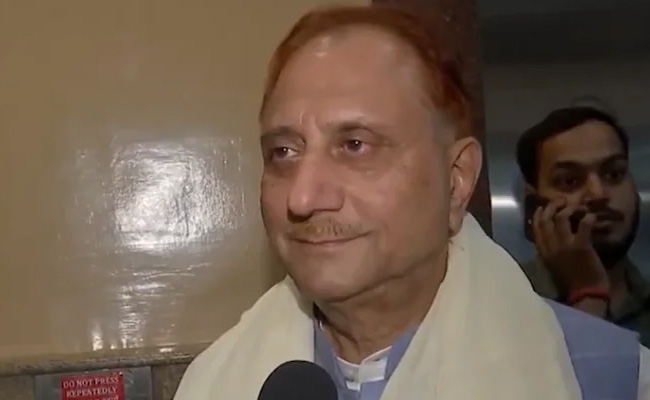
New Delhi (PTI): BJP councillor from Rohini East, Pravesh Wahi, was elected mayor of the Municipal Corporation of Delhi (MCD) on Wednesday.
Wahi secured 156 votes, with 14 councillors of the Indraprastha Vikas Party backing him. Congress candidate Hazi Zaraf received nine votes.
BJP councillor from Anand Vihar, Monika Pant, was elected deputy mayor with 156 votes.
Jai Bhagwan Yadav from Begumpur and Manish Chadha from Paharganj were elected to the standing committee from the BJP, while AAP councillor Jalaj Chaudhary from Shalimar Bagh was also elected to the MCD panel.
On being elected mayor, Wahi thanked Chief Minister Rekha Gupta and the BJP leadership, saying, "We will clean Delhi in the coming months. We will work for the development of Delhi."
The electoral college for this year's mayoral election comprised 273 votes, including 249 councillors, 14 MLAs nominated by the Delhi Assembly, seven Lok Sabha MPs and three Rajya Sabha members from Delhi. A candidate required 137 votes to win.
The Aam Aadmi Party (AAP) abstained from the mayoral polls. Earlier, the party's Delhi unit president Saurabh Bharadwaj said in a statement that the move would allow the BJP to take charge of the civic body and help AAP "expose" the ruling party on governance.
"Despite having power at all levels, the BJP has failed to bring about any change in Delhi. The BJP does not know how to perform. Only AAP knows how to work," Bharadwaj said.
Earlier, AAP controlled the mayoral post, with Mahesh Kumar Khinchi winning the election in November 2024 by just three votes.
The three civic bodies -- East Delhi Municipal Corporation (EDMC), North Delhi Municipal Corporation (NDMC) and South Delhi Municipal Corporation (SDMC) -- were reunified into a single entity on May 22, 2022, as the Municipal Corporation of Delhi.