Bengaluru BMTC introduces QR-based UPI ticketing system in buses
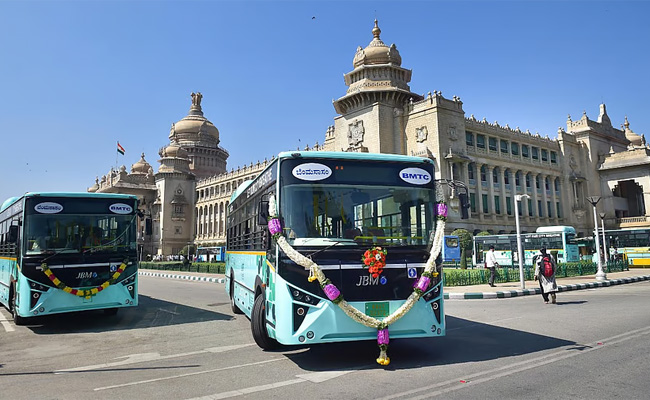
Bengaluru: In a move to enhance digital convenience in public transport, the Bengaluru Metropolitan Transport Corporation (BMTC) has introduced a dynamic QR-based UPI ticketing system in teamed up with 'Chalo', a Mumbai-based mobility startup, Asianet News reported.
The system is currently being tested as a pilot project in 50 buses from Yeshwantpur Depot 26. The plan is to roll out this system across all depots by the first week of May. This is part of a four-year contract with Chalo, worth around Rs 30 crore, where the company will not only supply the smart ticketing machines but also handle their maintenance.
Unlike the earlier system that relied on static QR codes, where passengers had to manually enter fare. But with this new system, the conductor's machine generates a fresh, dynamic QR code for each trip. Passengers can scan this code with any UPI app to pay. The payment gets credited instantly, and the ticket is printed only after the payment is successful.
The new system is expected to improve transparency and accountability, especially following recent incidents where some conductors allegedly used personal QR codes to divert payments. It also solves the problem of passengers showing fake payment screenshots to avoid paying the fare.
In the first phase, around 11,000 smart ETMs will be deployed, with plans to increase the number to 15,000 over the next five years. The system is designed to support various payment methods, including QR codes, UPI, debit/credit cards, smart cards, and the National Common Mobility Card (NCMC).
Officials said the system will also be compatible with the one used by the Bengaluru Metro Rail Corporation Limited (BMRCL). This opens up the possibility of using a single card or platform for both bus and metro travel in the future.
The government has also given its approval for introducing smart cards for the 'Shakti' scheme, which provides free bus travel to women, aiming to create a single, contactless system for both free and paid travel.
Ever since the bus fares were increased on January 5, more and more passengers have switched to UPI payments to avoid the hassle of finding exact change. It's worth noting that currently, almost half of BMTC's ticket revenue comes from UPI payments.
Let the Truth be known. If you read VB and like VB, please be a VB Supporter and Help us deliver the Truth to one and all.
Lebanon appoints new representative for talks with Israel, rejects linkage to Iran
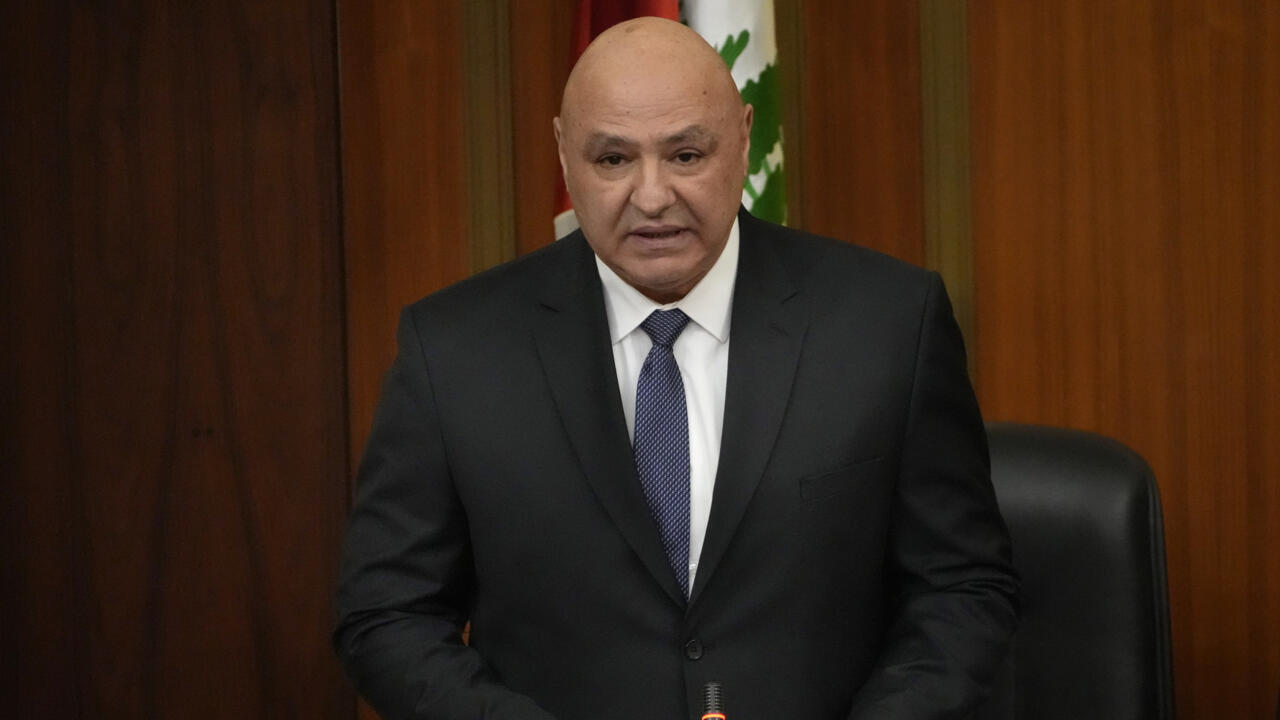
Beirut: Lebanon’s has moved to underline its independent position in ongoing regional developments, amid attempts to link the country to the broader conflict involving Iran, the United States and Israel.
President Joseph Aoun, while announcing the appointment of former US ambassador Simon Karam as Lebanon’s representative in talks with Israel, made it clear that Karam would be the sole representative for Lebanon and that there would be no substitute.
The move comes in response to what the Lebanese officials see as efforts by Iran to tie Lebanon’s situation to the wider regional conflict. Iran had indicated that there would be no ceasefire involving the US, Israel and Iran unless it also included a ceasefire in Lebanon.
Some groups, including Hezbollah and its supporters, had expressed support for linking the situations, citing concerns that the Lebanese government has limited leverage in negotiations with Israel. Lebanon is not formally a party to the conflict, and its army is considered weak.
However, others, including Prime Minister Nawaf Salam, have opposed this approach. They view Iran’s stance as an attempt to influence Lebanon’s internal affairs and see it as undermining the country’s sovereignty.
Officials backing the government’s position say the move is aimed at reaffirming Lebanon’s sovereignty and ensuring that decisions about peace and ceasefire within the country are not dictated externally.
They also see it as a safeguard, so that any breakdown in talks between the US, Israel and Iran does not automatically lead to renewed conflict in Lebanon.