Bengaluru court remands JD(S) MLC Suraj Revanna in judicial custody till July 18
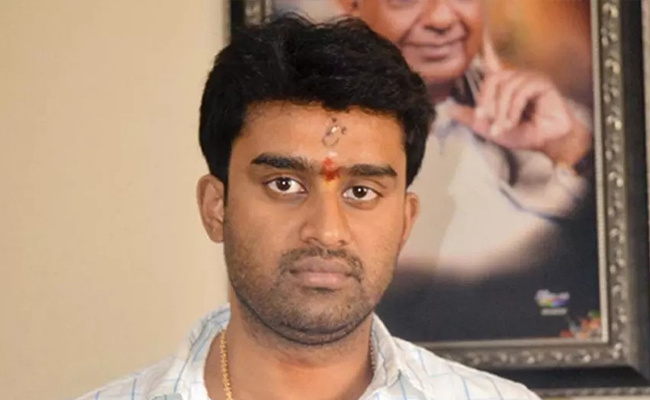
Bengaluru (PTI): A Bengaluru court on Wednesday remanded JD(S) MLC, Suraj Revanna, accused of sexually assaulting two men, in judicial custody till July 18.
On July one, the 42nd Additional Chief Metropolitan Magistrate remanded him in the custody of the Criminal Investigation Department, which is probing the cases against him, till today.
The CID last week subjected him to a medical examination. His DNA samples were also collected. Revanna, who was arrested on June 23, was also subjected to a potency test.
The CID has also collected DNA samples from the two victims who have alleged that they were sexually abused by the legislator.
ALSO READ: Vijayapura: Bodies of two men fished out of River Krishna, four still missing
In the first case, a youth from Hassan district alleged that Revanna sexually abused him and threatened him with murder at his farmhouse in Gannikada on June 16.
In the second case, the complainant alleged that he was sexually abused by the 36-year-old accused three years ago, during the COVID-19 pandemic.
Revanna faces charges under Sections 377 (unnatural offences), 342 (wrongful confinement), 506 (criminal intimidation) and 34 (acts done by several persons in furtherance of common intention) of the Indian Penal Code.
He is the elder brother of former JD(S) MP, Prajwal Revanna, who is facing four sexual abuse cases against him.
Let the Truth be known. If you read VB and like VB, please be a VB Supporter and Help us deliver the Truth to one and all.
J&K: One dead, seven hospitalised after consuming wild vegetable in Rajouri
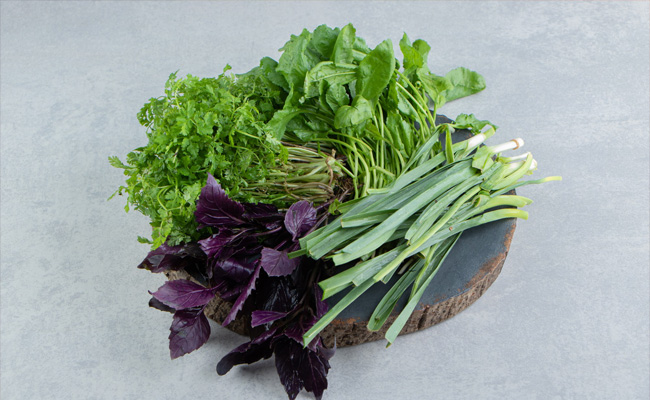
Rajouri/Jammu (PTI): One person died while seven others, mostly children, were hospitalised after allegedly consuming a wild vegetable in Jammu and Kashmir’s Rajouri district, officials said on Saturday.
The incident was reported from Mohra village in the Kotranka subdivision, where members of two families consumed a wild vegetable following which they started showing symptoms of food poisoning on Friday evening, they said.
The affected persons were initially shifted to the Community Health Centre in Kandi and later referred to the Government Medical College Hospital Rajouri for specialised treatment.
Officials said an elderly man, identified as Mohammad Hussain (60), died during treatment, while seven other members of the two families are undergoing treatment at the hospital.
“Prima facie, it is a case of food poisoning, but the matter is still under investigation,” a doctor said.
Officials said an investigation into the incident has been initiated to determine the exact cause of the poisoning.