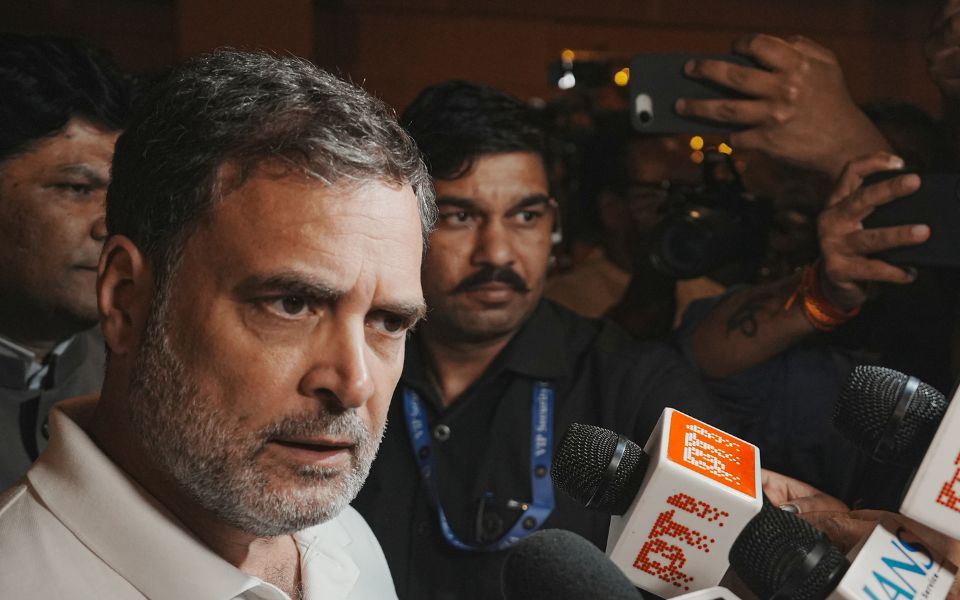
Bengaluru: Minister Priyank Kharge slams MP Tejasvi Surya for supporting suspended PDO
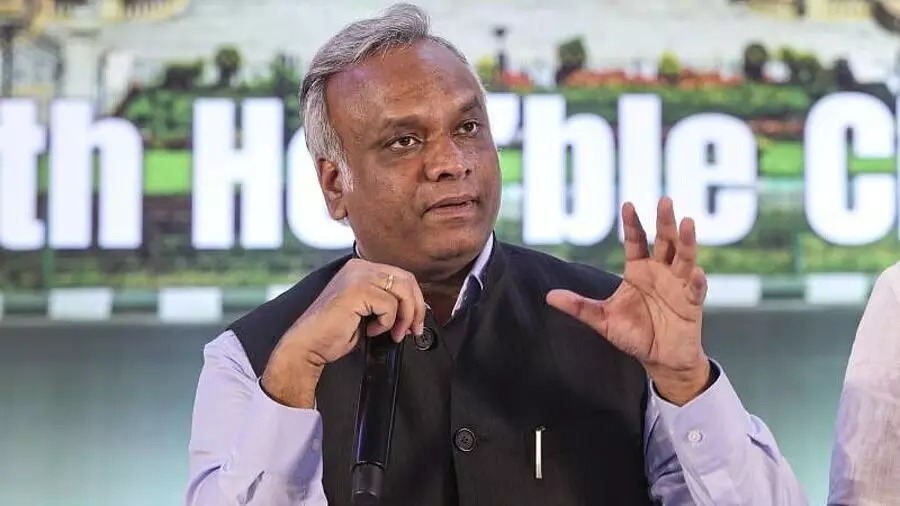
Bengaluru: Karnataka Minister Priyank Kharge has criticised BJP MP Tejasvi Surya for publicly supporting a government employee suspended for participating in an RSS route march, calling it a “disturbing endorsement of service rule violations.”
The controversy arose after Tejasvi Surya tweeted in support of a Panchayat Development Officer (PDO) who was suspended for attending an RSS event. In his post, the Bengaluru South MP wrote that he had spoken to the suspended officer and assured him of personal legal assistance to challenge the “illegal suspension” before the appropriate tribunal and courts.
Surya further claimed that several High Courts had clarified that government employees have the right to participate in RSS programmes, adding that “the Siddaramaiah government’s action will not stand judicial scrutiny.” He also asserted that the BJP was ready to fight the matter legally.
Responding to Surya’s remarks, Minister Kharge took to X (formerly Twitter) and said, “It is interesting that a BJP MP is openly supporting government servants who violate the service rules set by the state government. This proves my earlier point.”
Kharge also cited key provisions of the Karnataka Civil Services (Conduct) Rules, which mandate political neutrality among public servants. “No government servant shall be a member of or otherwise associated with any political party, nor shall they participate in any political activity. They must also ensure that their family members do not engage in activities against the government,” he noted.
Kharge emphasised that if any dispute arises over whether an organisation’s activities are political in nature, the final decision rests with the government.
Hmmmmm…… interesting that BJP MPs are coming forward and defending people who are defying the service conduct rules laid down by the State Govt. This itself proves my point.
— Priyank Kharge / ಪ್ರಿಯಾಂಕ್ ಖರ್ಗೆ (@PriyankKharge) October 19, 2025
Anyway the rules states.
“No Government Servant shall be a member of, or be otherwise associated with,… pic.twitter.com/ryW21fK44B
Let the Truth be known. If you read VB and like VB, please be a VB Supporter and Help us deliver the Truth to one and all.
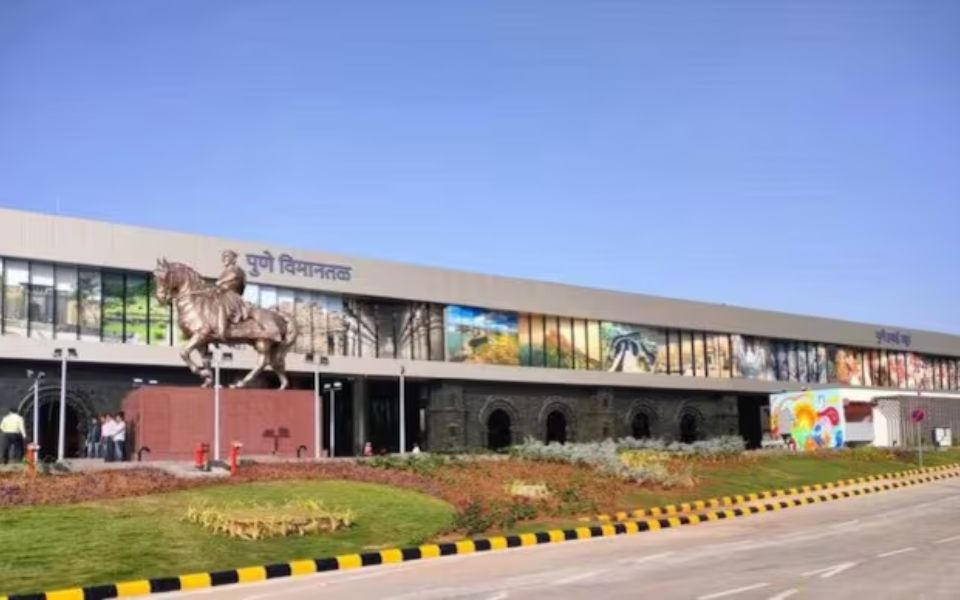
Pune airport runway restored after IAF aircraft snag; ops resume
Pune (PTI): The runway at Pune airport, which was temporarily unavailable due to an incident involving an Indian Air Force (IAF) aircraft, has now been restored and declared operational, the Air Force said on Saturday.
The authorities at the Pune International Airport had earlier said that around 10.25 pm on Friday, a fighter aircraft experienced an undercarriage failure during landing, causing the runway to be blocked.
As many as 91 flights of airlines, including IndiGo, Air India, SpiceJet, Akasa, and Air India Express, were affected due to the incident, they said.
Earlier on Friday night, the Air Force had stated that the runway at Pune airport was temporarily unavailable following an incident involving one of its fighter aircraft. The aircrew are safe, and there is no damage to civil property, it had said.
"The runway at Pune Airport, which was temporarily unavailable due to an incident involving an Indian Air Force aircraft, has now been restored and declared operational. All necessary safety inspections and clearances have been completed. Operations are resuming in a phased manner," it said in a post on X.
Flight operations at Pune airport are being gradually restored. The situation has been brought under control with the highest priority given to the safety of citizens, a Defence PRO said.