Bengaluru police refute serial killer claims in Indiranagar, cite rowdy sheeter involvement
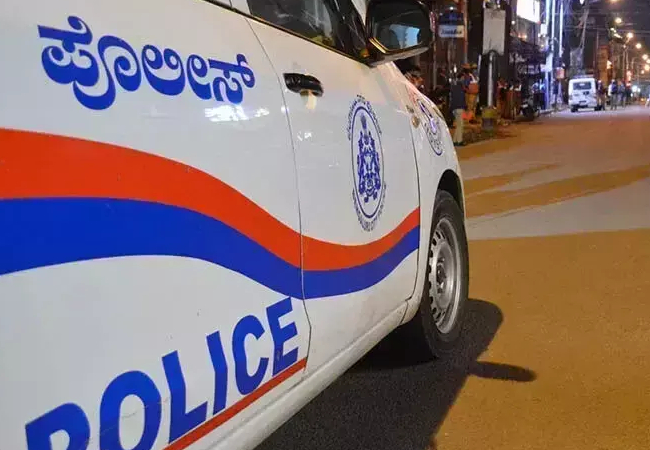
Bengaluru: Panic spread in Indiranagar on February 9 after social media messages claimed that a serial killer was attacking people in the area. However, police have dismissed these rumours, clarifying that the incident involved a rowdy sheeter and not a serial killer.
Deputy Commissioner of Police (DCP) East, D Devaraja, stated that the accused, who has a history of petty theft and multiple cases against him, attacked four people with a knife on the night of February 8. According to the police, he was intoxicated and got into an altercation with his family before turning violent and injuring four individuals. He then fled the scene.
The victims are receiving treatment and are out of danger. An FIR has been registered at Indiranagar Police Station, and efforts are underway to apprehend the accused.
Police have urged the public not to spread unverified information that could cause panic. They also noted that Indian law does not specifically define a serial killer, but the term generally refers to an individual who commits multiple homicides where the victims are unknown, and the crimes are not personally motivated.
Let the Truth be known. If you read VB and like VB, please be a VB Supporter and Help us deliver the Truth to one and all.
RCB beat MI by 18 runs after batters fire
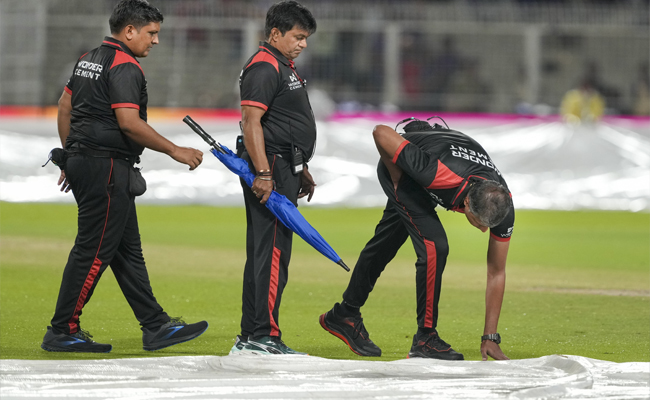
Mumbai (PTI): Royal Challengers Bengaluru skipper Rajat Patidar, Phil Salt and Virat Kohli blasted half-centuries as the defending champions beat Mumbai Indians by 18 runs in an Indian Premier League match here on Sunday.
Salt (78 off 36 balls) and Kohli (50 off 38 balls) stitched together a 120-run stand for the opening wicket before Patidar scored a rapid 53 off just 20 balls as RCB posted 240 for 4.
In response, Mumbai Indians were restricted to 222 for 5, with RCB spinner Suyash Sharma (2/47) putting the skids on the home side with a double strike in the eighth over, from which they could not recover.
Sherfane Rutherford top-scored for MI with an unbeaten 71 off 31 balls.
While opener Rohit Sharma appeared to be struggling with a hamstring issue and had to retire hurt on 19, his partner Ryan Rickelton made 37, while Suryakumar Yadav (33) and Hardik Pandya (40) were the other contributors for MI.
Brief scores:
Royal Challengers Bengaluru 240 for 4 in 20 overs (Phil Salt 78, Virat Kohli 50, Rajat Patidar 53, Tim David 35 not out).
Mumbai Indians: 222 for 5 in 20 overs (Sherfane Rutherford 71 not out, Ryan Rickelton 37, Hardik Pandya 40; Suyash Sharma 2/47).