Bengaluru: Priyank Kharge accuses Election Commission of hiding voter fraud evidence
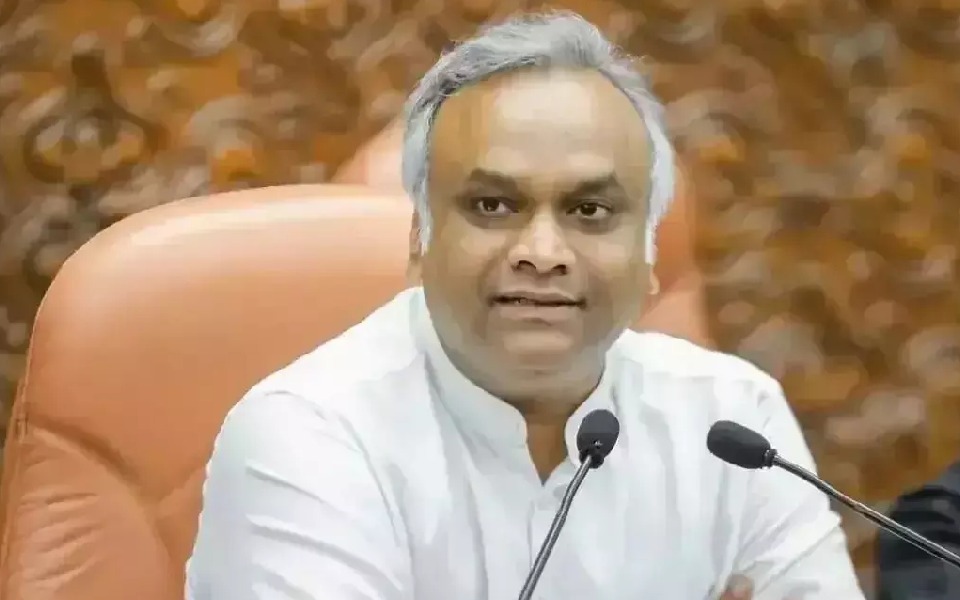
Bengaluru: Karnataka IT Minister Priyank Kharge has levelled serious allegations against the Election Commission (EC), accusing it of attempting to cover up evidence of voter fraud.
In a post on X on Saturday, Kharge likened the EC to a “pumpkin thief” trying to cover its entire body, not just its shoulder. He claimed that shortly after Rahul Gandhi publicly exposed alleged voter fraud with evidence on Friday, several state Election Commission websites went offline for some time.
Kharge alleged that a similar issue was noticed in Karnataka, where the 2024 Mahadevapura Assembly constituency’s voter list could not be downloaded from the EC’s website due to what he described as “technical manipulation.”
“Is the Election Commission trying to destroy evidence of voter theft? Is it attempting to hide its wrongdoings from the public? Who is behind this conspiracy? Why is the EC running away from transparency? If there have been no lapses, why indulge in such suspicious activities?” Kharge questioned in his post.
The EC has not yet responded to Kharge’s allegations.
ಚುನಾವಣಾ ಆಯೋಗ ಎಂಬ ಕುಂಬಳಕಾಯಿ ಕಳ್ಳ ಹೆಗಲನ್ನಷ್ಟೇ ಅಲ್ಲ ಮೈಯೆಲ್ಲಾ ತಡವಿಕೊಳ್ಳುತ್ತಿದೆ!
— Priyank Kharge / ಪ್ರಿಯಾಂಕ್ ಖರ್ಗೆ (@PriyankKharge) August 9, 2025
ನಿನ್ನೆ ಶ್ರೀ @rahulgandhi ಅವರು ಮತಗಳ್ಳತನವನ್ನು ಸಾಕ್ಷಿ ಸಮೇತ ಬಹಿರಂಗಗೊಳಿಸಿದ್ದೇ ತಡ ಹಲವು ರಾಜ್ಯಗಳ ಚುನಾವಣಾ ಆಯೋಗದ ವೆಬ್ಸೈಟ್ ಗಳು ಕೆಲ ಹೊತ್ತು ಬೀಗ ಹಾಕಿಕೊಂಡು ಕುಳಿತಿದ್ದವು.
ಕರ್ನಾಟಕದ ಚುನಾವಣಾ ಆಯೋಗದ ವೆಬ್ಸೈಟ್ ನಲ್ಲಿ 2024ರ… pic.twitter.com/A6X60LpOSG
Let the Truth be known. If you read VB and like VB, please be a VB Supporter and Help us deliver the Truth to one and all.
Congress using hijab issue to pacify minority anger, alleges Karnataka LoP R Ashoka
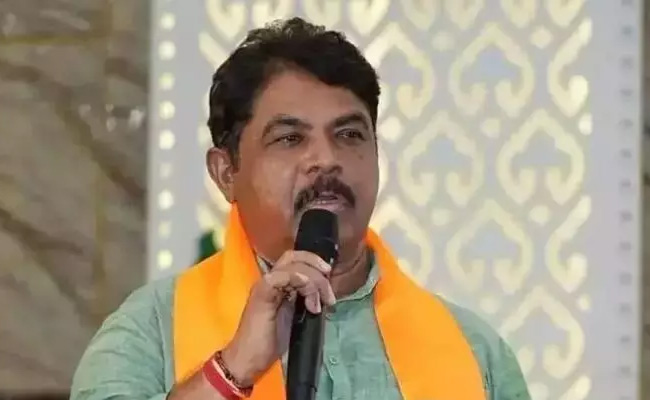
Bengaluru: Leader of Opposition in the Assembly R. Ashoka has accused the Congress government of using the hijab issue to placate what he described as discontent among minority voters after the Davanagere by-election.
In a post on X on Wednesday, Ashoka alleged that the state government, instead of addressing issues such as price rise, corruption, farmers’ distress and law and order, was attempting to retain its minority vote base by reviving the hijab issue.
Referring to the 2022 dress code introduced by the BJP government, which prohibited hijab in schools and colleges, Ashoka said the Karnataka High Court had upheld the policy and emphasised the importance of discipline in educational institutions.
He questioned the Congress government’s move to revisit the issue and asked whether setting aside the court-backed policy to benefit one community could be described as secularism.
Ashoka further alleged that while the government was willing to permit hijab, it continued to prohibit saffron shawls.
He accused the government of dividing students on religious lines rather than treating schools and colleges as spaces of equality.
Drawing a comparison with Mamata Banerjee’s government in West Bengal, Ashoka claimed that excessive appeasement politics had harmed the state and warned that the Congress in Karnataka could face a similar political response.
He said voters in Karnataka would teach the Congress a lesson for what he termed “vote-bank politics” and for compromising constitutional and judicial principles.