Bengaluru: Scrap worker held for UPS battery thefts; 51 batteries recovered

Bengaluru: A 38-year-old scrap worker accused of stealing UPS batteries has been arrested by the Parappana Agrahara police for targeting roadside power backup units in Electronic City.
According to The Indian Express, the accused has been identified as Chinnadurai (38), a native of Tamil Nadu. He was apprehended on March 9 from a scrap shop in Vaddarapalya on Koppa Begur Main Road following a tip-off.
Police said the accused targeted roadside power backup units installed for CCTV cameras, streetlights, and traffic signals, disrupting public infrastructure, particularly in Electronic City Phase-2 and Shanthipura Main Road.
The case was originally registered on February 5 after a private company reported the theft of 10 UPS batteries from roadside locations.
During interrogation, Chinnadurai reportedly confessed to carrying out the thefts as a source of livelihood and admitted to similar offences across the city.
The police recovered 51 UPS batteries of various companies and seized an autorickshaw used in the crimes. The total value of the recovered property is estimated at Rs 4 lakh.
“With his arrest, we have detected this case and also solved two other theft cases registered against him in different police stations across the city,” a police officer said.
As per the report, the accused was produced before a court on March 10 and remanded to judicial custody.
The thefts had earlier led to traffic signals going non-functional in Electronic City, raising safety concerns among commuters.
Let the Truth be known. If you read VB and like VB, please be a VB Supporter and Help us deliver the Truth to one and all.
Lebanon appoints new representative for talks with Israel, rejects linkage to Iran
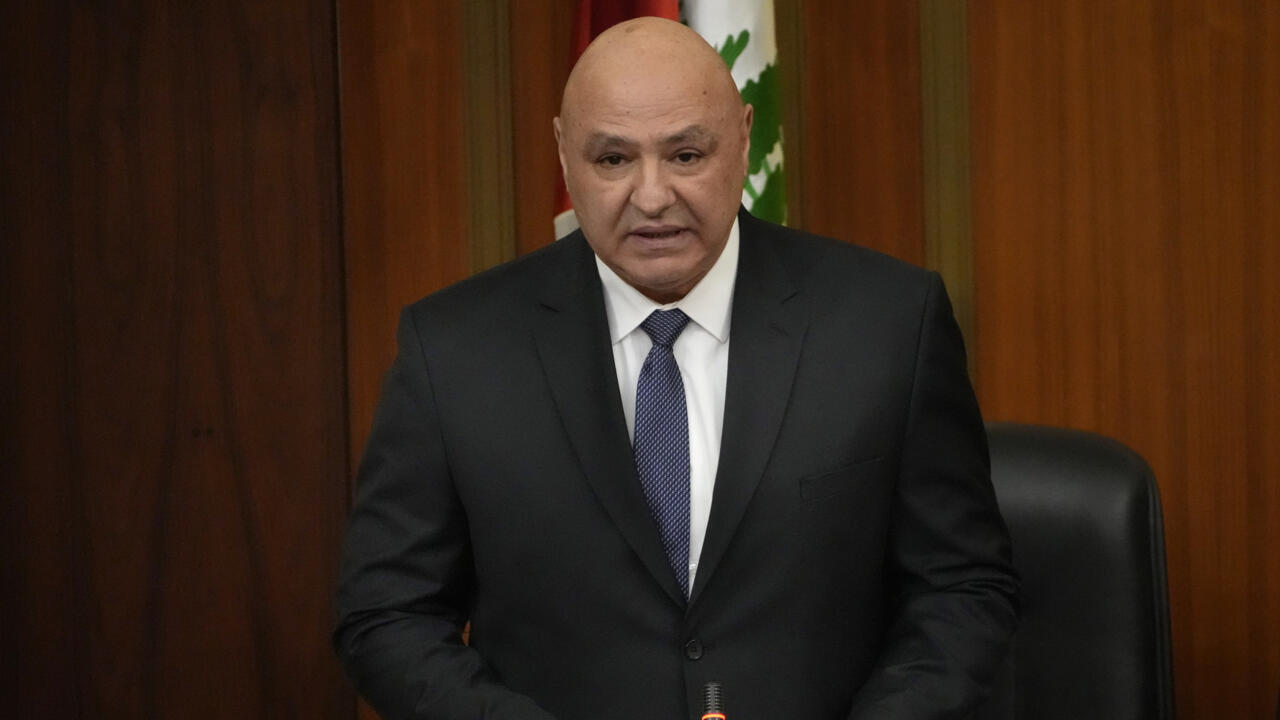
Beirut: Lebanon’s has moved to underline its independent position in ongoing regional developments, amid attempts to link the country to the broader conflict involving Iran, the United States and Israel.
President Joseph Aoun, while announcing the appointment of former US ambassador Simon Karam as Lebanon’s representative in talks with Israel, made it clear that Karam would be the sole representative for Lebanon and that there would be no substitute.
The move comes in response to what the Lebanese officials see as efforts by Iran to tie Lebanon’s situation to the wider regional conflict. Iran had indicated that there would be no ceasefire involving the US, Israel and Iran unless it also included a ceasefire in Lebanon.
Some groups, including Hezbollah and its supporters, had expressed support for linking the situations, citing concerns that the Lebanese government has limited leverage in negotiations with Israel. Lebanon is not formally a party to the conflict, and its army is considered weak.
However, others, including Prime Minister Nawaf Salam, have opposed this approach. They view Iran’s stance as an attempt to influence Lebanon’s internal affairs and see it as undermining the country’s sovereignty.
Officials backing the government’s position say the move is aimed at reaffirming Lebanon’s sovereignty and ensuring that decisions about peace and ceasefire within the country are not dictated externally.
They also see it as a safeguard, so that any breakdown in talks between the US, Israel and Iran does not automatically lead to renewed conflict in Lebanon.