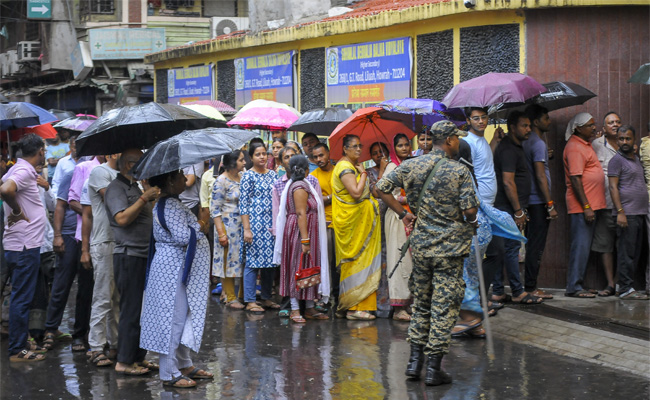
Bengaluru: Strike by unions may affect normal life tomorrow and day after
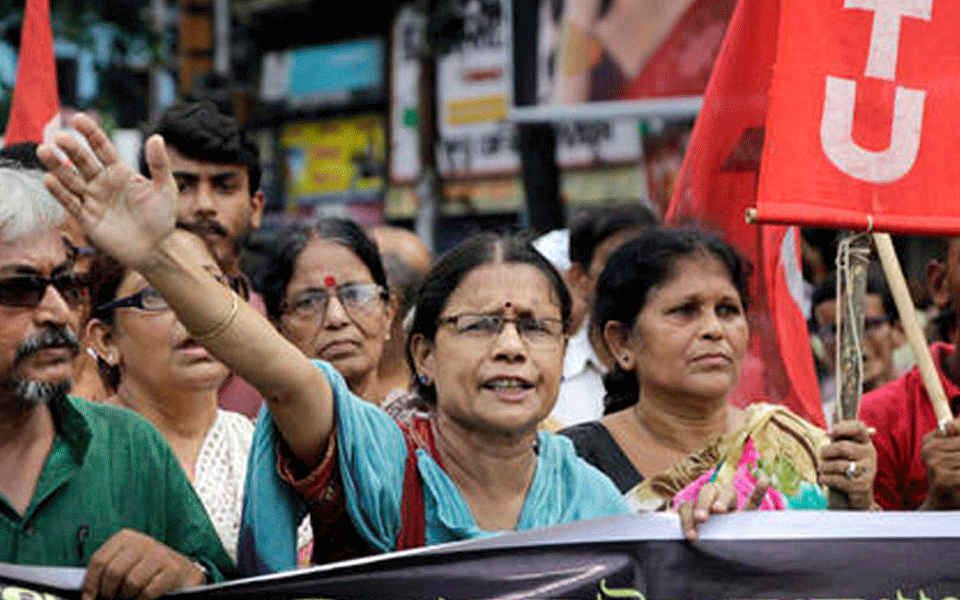
Bengaluru, Jan 7: Normal life is likely to be affected in the city and several parts of Karnataka on Tuesday following the two-day nation-wide general strike called by central trade unions against the alleged 'repressive' policies for workers by the Narendra Modi government.
With state transport buses likely to stay off the roads, commuters, office goers who use the service may face the brunt.
However, the metro service in Bengaluru, as also auto and taxi service, are likely to function as usual.
Hotels, malls and film theaters are also likely to function as usual, with their unions extending "moral" support to the strike.
Bank services are likely to be disrupted.
District administrations have been given the authority to declare a holiday for schools and colleges depending on the situation there, officials said.
Some universities have deferred the examinations.
In the wake of the strike tomorrow and the day after, representatives of trade unions met Chief Minister H D Kumaraswamy and briefed him about the reasons for the strike.
"The strike will be successful in the state...buses won't be there as they will observe strike, we have given notice.
Banks will also not be there. Almost all activities will not be there," AITUC leader Anantha Subbarao told reporters after meeting the Chief Minister.
Stating that it will be a "total strike", he said it is being observed nationally against the policies of the Modi government.
The trade unions have decided to hold a protest march from the Town Hall in the city to Freedom Park on Tuesday, and on Wednesday from the Town Hall to Raj Bhavan.
Meanwhile, describing the two-day Bharat Bandh as "illogical, irrational and politically-motivated" move called by frustrated elements, the Karnataka BJP has called on the people to reject the bandh call and carry on with their normal daily activities.
In a statement here, BJP general secretary N Ravi Kumar said not one issue - on the basis of which the anti-BJP parties have given call for bandh - is convincing and logical.
Let the Truth be known. If you read VB and like VB, please be a VB Supporter and Help us deliver the Truth to one and all.
Rickelton's ton in vain as SRH beat MI by 6 wickets
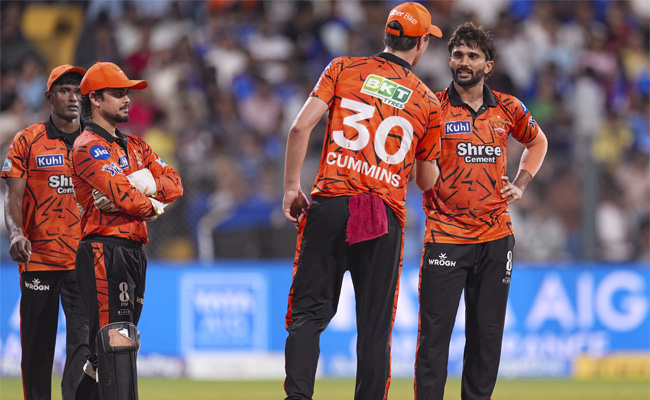
Mumbai (PTI): Ryan Rickelton's whirlwind unbeaten ton was overshadowed by Heinrich Klaasen's unbeaten 65 as Sunrisers Hyderabad defeated Mumbai Indians by six wickets in an IPL match here on Wednesday.
Chasing an imposing 244-run target, Travis Head (76 off 30) and Abhishek Sharma (45 off 24) shared 129 runs for the opening wicket to set the platform for SRH.
Klaasen (65 not out off 30 balls) then displayed his all-round hitting abilities to guide SRH home with the help of Nitish Kumar Reddy (21) and Salil Arora (30 not out off 10) in 18.4 overs.
Earlier, Rickelton's knock powered MI to 243 for five.
MI rode on a 93-run stand between Rickelton (123 not out off 55 balls) and Will Jacks (46 off 22) in 7.1 overs for the opening stand to power the side.
MI skipper Hardik Pandya scored a valuable 31 off 15 balls before being dismissed.
Praful Hinge (2/54), Eshan Malinga (1/29), Sakib Hasan (1/39) and Nitish Kumar Reddy (1/31) were the wicket-takers for SRH.
Brief Scores:
Mumbai Indian: 243 for 5 in 20 overs (Ryan Rickelton 123 not out; Praful Hinge 2/54).
Sunrisers Hyderabad: 249 for 4 in 18.4 overs (Travis Head 76, Heinrich Klaasen 65 not out; AM Ghazanfar 2/51).