Bengaluru to get ₹1.04 lakh crore development boost: Deputy CM D.K. Shivakumar
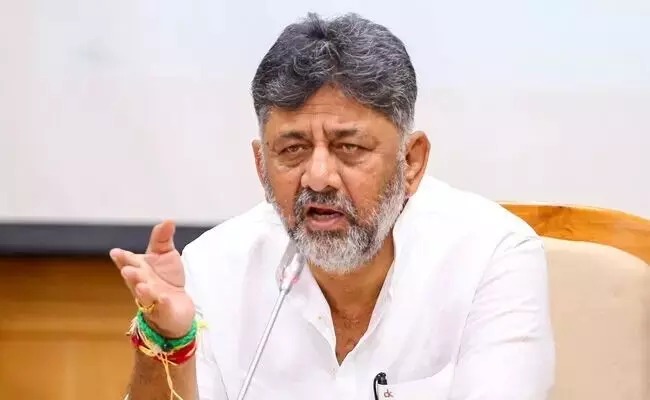
Bengaluru: Deputy Chief Minister D.K. Shivakumar announced that the Karnataka government has prepared a comprehensive ₹1.04 lakh crore development plan for Bengaluru, which will be implemented over the next four to five years. The initiative includes tunnel roads, elevated corridors, double-decker flyovers, buffer roads, LED streetlight installations, and city beautification projects such as decorative lighting.
Speaking to reporters after interacting with citizens at the “Bengaluru Nadige” (Walk for Bengaluru) programme held at the Veer Yodha Park in Koramangala on Sunday, Shivakumar said the government intends to bring administration closer to the people.
“To ensure effective governance, we have created five municipal divisions within the city. The grievances and suggestions received today have been recorded, and our officials will follow up with citizens,” he said.
Highlighting the state’s welfare priorities, Shivakumar stated that the government is spending ₹52,000 crore annually to implement the five guarantee schemes aimed at providing relief from inflation and ensuring basic needs for citizens. In addition, ₹20,000 crore is being allocated every year to supply free electricity to farmers. “In total, nearly ₹1 lakh crore is being dedicated annually to welfare and public benefit programmes,” he added.
The Deputy CM also urged citizens to take advantage of the government’s property documentation drive. “We have provided an opportunity for everyone to get their e-khata prepared and to convert ‘B Khata’ properties to ‘A Khata’. Do not miss this chance,” he advised.
Responding to public concerns regarding CA (Civic Amenities) sites, Shivakumar said the government is formulating a specific policy to address the issue. He further mentioned that the responsibilities previously handled by the Bangalore Development Authority (BDA) have now been transferred to the Greater Bengaluru Authority (GBA).
Minister Ramalinga Reddy, GBA Chief Commissioner Mahadeshwar Rao, and other senior officials were present at the event.
Let the Truth be known. If you read VB and like VB, please be a VB Supporter and Help us deliver the Truth to one and all.
Pune airport runway restored after IAF aircraft snag; ops resume
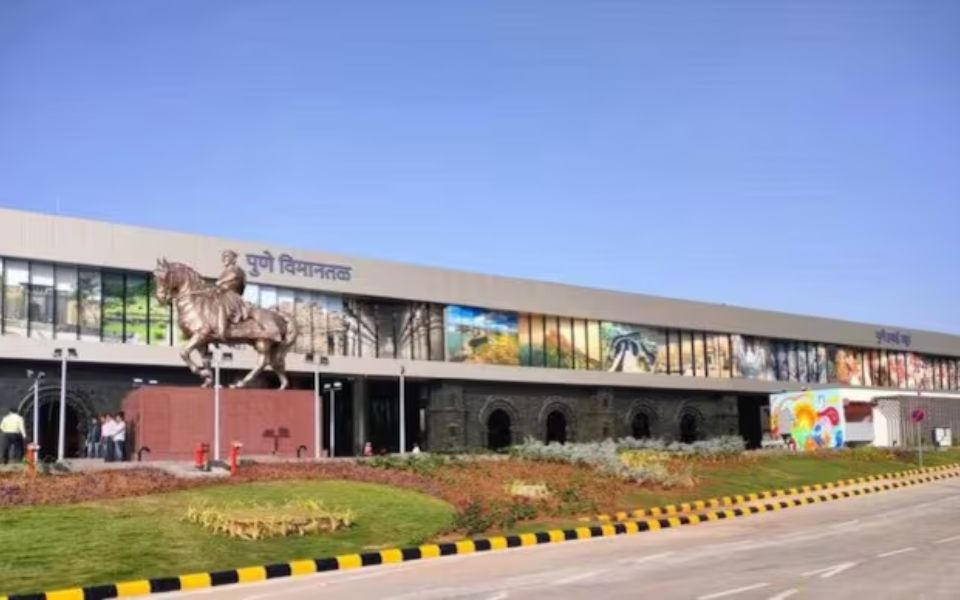
Pune (PTI): The runway at Pune airport, which was temporarily unavailable due to an incident involving an Indian Air Force (IAF) aircraft, has now been restored and declared operational, the Air Force said on Saturday.
The authorities at the Pune International Airport had earlier said that around 10.25 pm on Friday, a fighter aircraft experienced an undercarriage failure during landing, causing the runway to be blocked.
As many as 91 flights of airlines, including IndiGo, Air India, SpiceJet, Akasa, and Air India Express, were affected due to the incident, they said.
Earlier on Friday night, the Air Force had stated that the runway at Pune airport was temporarily unavailable following an incident involving one of its fighter aircraft. The aircrew are safe, and there is no damage to civil property, it had said.
"The runway at Pune Airport, which was temporarily unavailable due to an incident involving an Indian Air Force aircraft, has now been restored and declared operational. All necessary safety inspections and clearances have been completed. Operations are resuming in a phased manner," it said in a post on X.
Flight operations at Pune airport are being gradually restored. The situation has been brought under control with the highest priority given to the safety of citizens, a Defence PRO said.