Bengaluru traffic police constable helps fasting passengers during routine check

Bengaluru: A traffic police constable in Bengaluru helped passengers observing Ramadan fast during a routine vehicle inspection under Adigodi Traffic Police Station.
The incident occurred under the jurisdiction of Adigodi Traffic Police Station during a routine vehicle inspection. Traffic police stopped a car after noticing illegal sun film installed on the windows, which is prohibited under traffic regulations.
Following due procedure, the police imposed a fine of Rs 1,000, which the passengers accepted and paid without any argument.
By the time the chucking process was completed, it was close to sunset. The passengers in the vehicle were observing the Ramadan fast, and it was time for Iftar, when fasting Muslims break their fast. However, being stopped on the roadside during the checking, they had no access to food or water to break their fast.
At this point, traffic police personnel Nagaraj stepped in and arranged food and water for the passengers so they could break their fast on time. While the law was enforced through the fine, the officer also showed respect for religious sentiments and basic human kindness.
The gesture quickly gained attention on social media, with many praising the officer for showing that duty and humanity can go hand in hand.
The passengers also expressed their gratitude, saying, “We regret violating the rules, but we are thankful for the kindness shown to us.”
Law With Humanity ❤️ | Bengaluru Traffic Cop’s Kind Gesture Wins Hearts
— Karnataka Portfolio (@karnatakaportf) March 17, 2026
We often see traffic police officers as strict enforcers of rules who stop vehicles and issue fines during daily commutes. But an incident in Bengaluru has reminded everyone that behind the uniform there is… pic.twitter.com/hgkIiKrKxq
Let the Truth be known. If you read VB and like VB, please be a VB Supporter and Help us deliver the Truth to one and all.
ED arrests Punjab minister Sanjeev Arora in fresh PMLA case
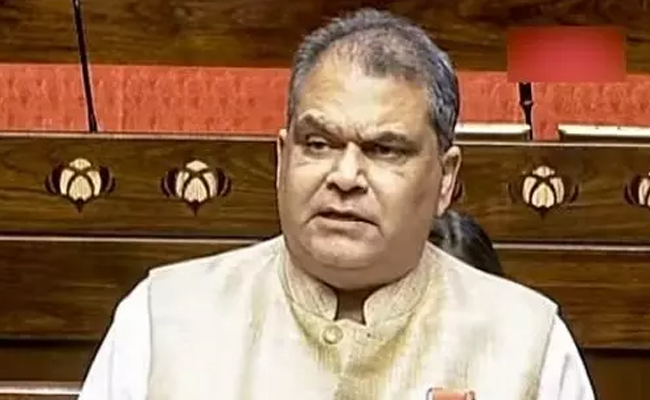
New Delhi/Chandigarh (PTI): The Enforcement Directorate on Saturday arrested Punjab industries minister Sanjeev Arora in a fresh money laundering case against him and some entities allegedly linked to him, officials said.
Arora was taken into custody under the Prevention of Money Laundering Act (PMLA) after raids were conducted at his official residence in Chandigarh since early morning, they added.
Officials claimed Arora (62) was "non-cooperative" during the probe. He is expected to be produced before a local court on Saturday, where the agency will seek his custody for a detailed interrogation.
The ED carried out the searches at five premises across north India as part of the action.
The raids also covered two premises in Delhi and that of a company named Hampton Sky Realty Ltd in Gurugram's Udyog Vihar.
The searches were launched after the central agency registered a fresh case under the criminal sections of the Prevention of Money Laundering Act (PMLA), the officials said.