Bengaluru Urban among five districts with over 100% groundwater extraction: Report
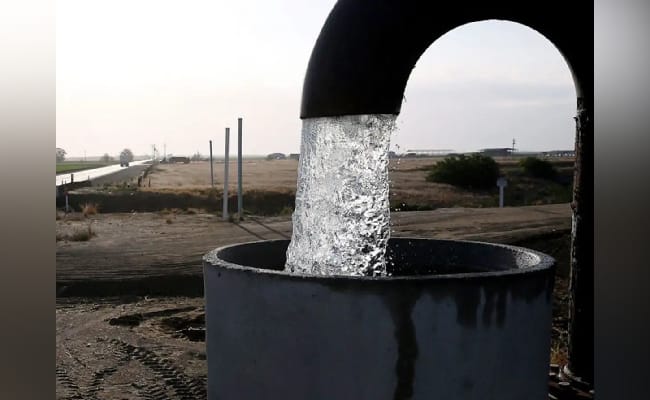
Bengaluru: Five districts in Karnataka, including Bengaluru Urban, are facing alarming levels of groundwater extraction exceeding 100%, according to recent data. However, the state overall has shown improvement compared to earlier estimates by the Union government.
Official data, cited by Deccan Herald on Thursday, revealed that Kolar leads the list with groundwater extraction at 193.35%, followed by Bengaluru Urban (186.7%), Chikkaballapura (164.33%), Bengaluru Rural (147.05%), and Chitradurga (144.44%).
Groundwater extraction above 70% is classified as ‘semi-critical,’ between 90-100% as ‘critical,’ and anything over 100% is considered ‘overexploited.’ The statewide average groundwater extraction stands at 68.44%.
To address the issue, the Minor Irrigation Department has launched the ‘Water is Future’ project. The first phase targets 525 gram panchayats (GPs) across 27 taluks in 15 districts marked as “critical” or “overexploited.” Notably, 86 of these GPs are located in Bengaluru Urban district alone, added the report.
While the data for the five districts are worrying, Karnataka’s overall groundwater status has improved nationally. As per the National Compilation on Dynamic Ground Water Resources of India, 2024, conducted by the Union government, Karnataka ranks 10th in groundwater extraction, a better position than the 5th rank in the previous report.
Punjab tops the list nationwide with 156.87% extraction, followed by Rajasthan (149.86%) and Dadra and Nagar Haveli and Daman and Diu (142.17%). In South India, Pondicherry (75.91%) and Tamil Nadu (74.26%) report higher groundwater exploitation than Karnataka.
Let the Truth be known. If you read VB and like VB, please be a VB Supporter and Help us deliver the Truth to one and all.
China confirms its support to Pakistan during four-day conflict with India
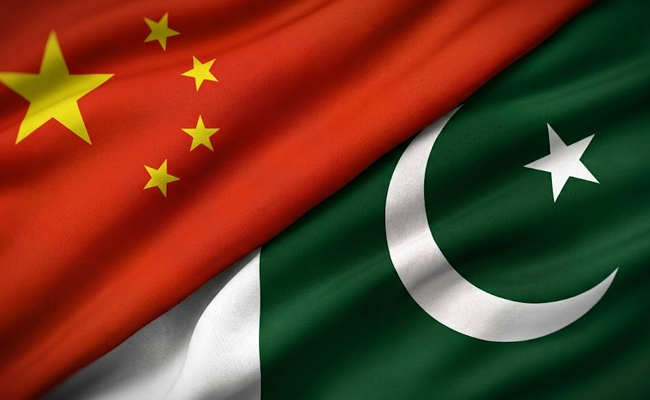
Beijing (PTI): China, for the first time, has confirmed that it provided on-site technical support to Pakistan during the four-day conflict with India last year, official media reports here said.
China's state broadcaster CCTV on Thursday aired an interview with Zhang Heng, an engineer from the Aviation Industry Corporation of China's (AVIC) Chengdu Aircraft Design and Research Institute, a key developer of China’s advanced fighter aircraft and unmanned aerial vehicle design.
Zhang had provided technical support to Pakistan during the four-day war last May, Hong Kong-based South China Morning Post reported, quoting CCTV.
Pakistan's air force operates a fleet of Chinese-made J-10CE jets, produced by an AVIC subsidiary.
"At the support base, we frequently heard the roar of fighter jets taking off and the constant wail of air-raid sirens. By late morning, in May, the temperature was already approaching 50 degrees Celsius (122 degrees Fahrenheit). It was a real ordeal for us, both mentally and physically,” Zhang said.
What drove his team was the "desire to do an even better job with on site support” and to ensure their equipment could “truly perform at its full combat potential”, Zhang told CCTV.
“That wasn’t just a recognition of the J10CE; it was also a testament to the deep bond we formed through working side by side, day in and day out,” he said.