Bills to protect govt educational lands, overhaul teacher transfer process tabled in K'taka assembly
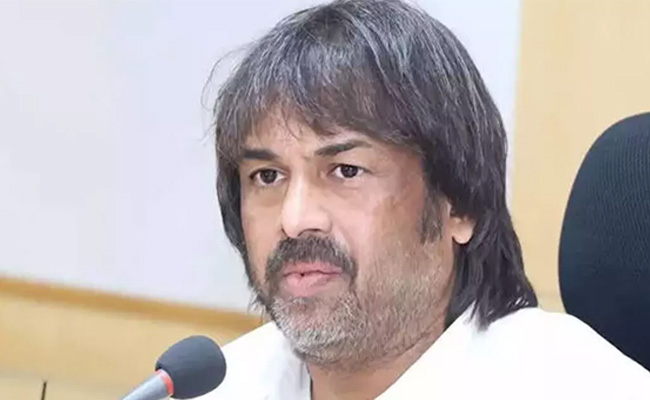
Bengaluru (PTI): Karnataka School Education and Literacy Minister S Madhu Bangarappa on Monday introduced two bills in the assembly, seeking to safeguard government educational lands and streamline the teacher transfer process.
The Karnataka Government Educational Institution’s Lands (Protection and Regularisation) Bill, 2026, seeks to safeguard lands used by government schools and pre-university colleges by providing for deemed vesting of such properties with the state if they have been in continuous use for over 12 years.
The Bill bars legal claims and proceedings over such lands beyond this period, while allowing a limited window for genuine claims through a grievance redressal mechanism.
It also enables the issuance of vesting certificates as conclusive proof of ownership, mandates maintenance of a land register, and empowers authorities to prevent encroachments and coordinate with various departments to secure educational institution properties.
It further recognises long-standing use of land for educational purposes as a valid public purpose even in the absence of formal documentation.
The Karnataka State Civil Services (Regulation of Transfer of Teachers) (Amendment) Bill, 2026, introduces key changes to the existing transfer policy by defining 'critical posts' across schools and pre-university institutions and prioritising transfers to such posts.
The amendment provides for transfers to certain posts only through counselling, prescribes a minimum service period of 12 years for eligibility and a maximum tenure of three years in specified positions, and bars transfer of teachers to non-teaching roles in government departments and institutions.
It also introduces provisions allowing request transfers subject to availability of critical posts, mandates a minimum 10-year service in the Kalyana Karnataka region for teachers seeking transfer outside the region, and extends certain benefits to women teachers, including those who are pregnant or have children below five years of age.
Both Bills are aimed at strengthening governance in the education sector by ensuring legal clarity over institutional lands and bringing greater transparency and structure to teacher transfers.
Let the Truth be known. If you read VB and like VB, please be a VB Supporter and Help us deliver the Truth to one and all.
Lebanon appoints new representative for talks with Israel, rejects linkage to Iran
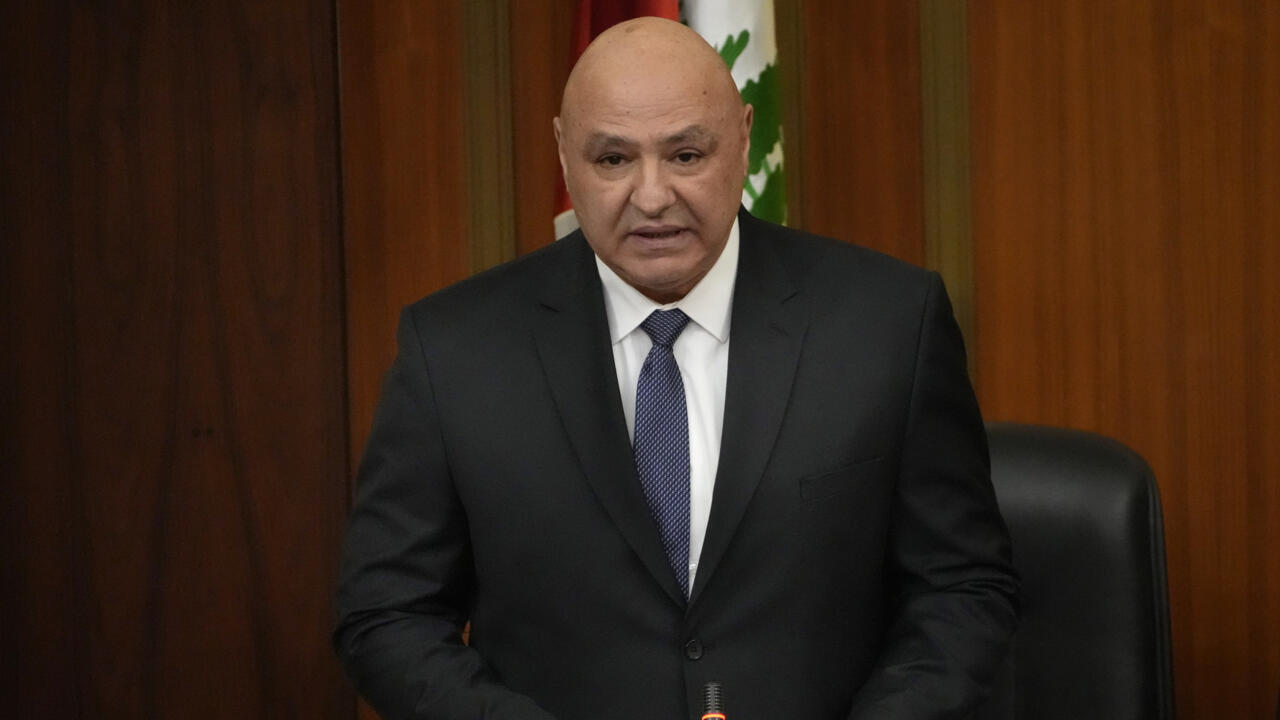
Beirut: Lebanon’s has moved to underline its independent position in ongoing regional developments, amid attempts to link the country to the broader conflict involving Iran, the United States and Israel.
President Joseph Aoun, while announcing the appointment of former US ambassador Simon Karam as Lebanon’s representative in talks with Israel, made it clear that Karam would be the sole representative for Lebanon and that there would be no substitute.
The move comes in response to what the Lebanese officials see as efforts by Iran to tie Lebanon’s situation to the wider regional conflict. Iran had indicated that there would be no ceasefire involving the US, Israel and Iran unless it also included a ceasefire in Lebanon.
Some groups, including Hezbollah and its supporters, had expressed support for linking the situations, citing concerns that the Lebanese government has limited leverage in negotiations with Israel. Lebanon is not formally a party to the conflict, and its army is considered weak.
However, others, including Prime Minister Nawaf Salam, have opposed this approach. They view Iran’s stance as an attempt to influence Lebanon’s internal affairs and see it as undermining the country’s sovereignty.
Officials backing the government’s position say the move is aimed at reaffirming Lebanon’s sovereignty and ensuring that decisions about peace and ceasefire within the country are not dictated externally.
They also see it as a safeguard, so that any breakdown in talks between the US, Israel and Iran does not automatically lead to renewed conflict in Lebanon.