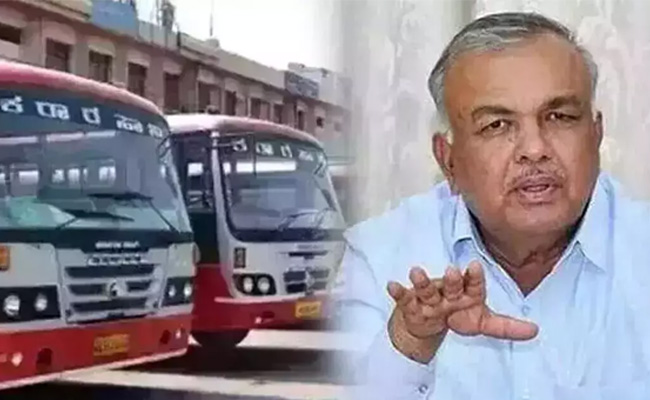
Biometric authentication delay: Thousands of K'taka SC students might lose post-matric scholarship
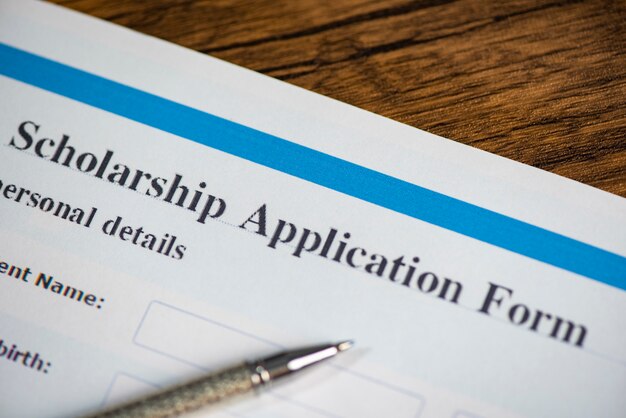
Bengaluru: Delay in biometric authentication by college empowerment officers is proving costly for thousands of Scheduled Caste (SC) students pursuing higher education in the state as the students are in danger of losing their Central government-sponsored post-matriculation scholarship.
Students with an annual family income not exceeding Rs 2.50 lakh are eligible for the post-matric scholarship. Although most students have completed their biometric authentication, the delay by the officers is likely to impact the release of the funds, forcing the Social Welfare Department to remind the Commissioner of Collegiate Education to disburse the scholarship, according to a Deccan Herald report.
The state has a total of 15, 816 private and government colleges and the authentication process has been completed in 9,875 colleges, while the empowerment officers in 5,941 colleges are yet to complete the process. Bengaluru Urban tops the list of pending cases with 1,555 colleges, followed by Kalaburagi (543), Dharwad (368), Belagavi (306), and Vijayapura (269).
A senior officer of the Social Welfare Department explained that the centrally-sponsored scholarship is split 60:40 between the Centre and the state. Biometric authentication is mandatory for both students and the empowerment officer and that if either fails, the scholarship is denied to the student.
The officer further explained that the biometric authentication of a nodal cum empowerment officer of the college is mandatory. The empowerment officer has to visit the nearest taluk-level office of the Social Welfare Department and provide the AISHE code of the college, an authentication certificate from the principal, and their Aadhaar number to complete the authentication process. The Commissioner of Collegiate Education has been requested to instruct the college principals concerned accordingly, the senior officer added.
Let the Truth be known. If you read VB and like VB, please be a VB Supporter and Help us deliver the Truth to one and all.
Congress using hijab issue to pacify minority anger, alleges Karnataka LoP R Ashoka
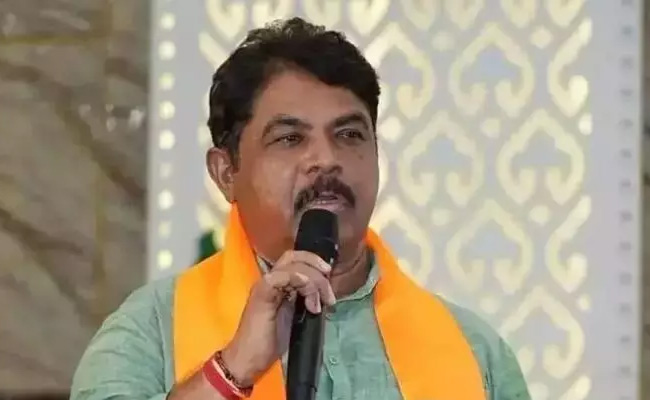
Bengaluru: Leader of Opposition in the Assembly R. Ashoka has accused the Congress government of using the hijab issue to placate what he described as discontent among minority voters after the Davanagere by-election.
In a post on X on Wednesday, Ashoka alleged that the state government, instead of addressing issues such as price rise, corruption, farmers’ distress and law and order, was attempting to retain its minority vote base by reviving the hijab issue.
Referring to the 2022 dress code introduced by the BJP government, which prohibited hijab in schools and colleges, Ashoka said the Karnataka High Court had upheld the policy and emphasised the importance of discipline in educational institutions.
He questioned the Congress government’s move to revisit the issue and asked whether setting aside the court-backed policy to benefit one community could be described as secularism.
Ashoka further alleged that while the government was willing to permit hijab, it continued to prohibit saffron shawls.
He accused the government of dividing students on religious lines rather than treating schools and colleges as spaces of equality.
Drawing a comparison with Mamata Banerjee’s government in West Bengal, Ashoka claimed that excessive appeasement politics had harmed the state and warned that the Congress in Karnataka could face a similar political response.
He said voters in Karnataka would teach the Congress a lesson for what he termed “vote-bank politics” and for compromising constitutional and judicial principles.