BJP, other Right-wing outfits protest, purported move to rename road after Tipu Sultan
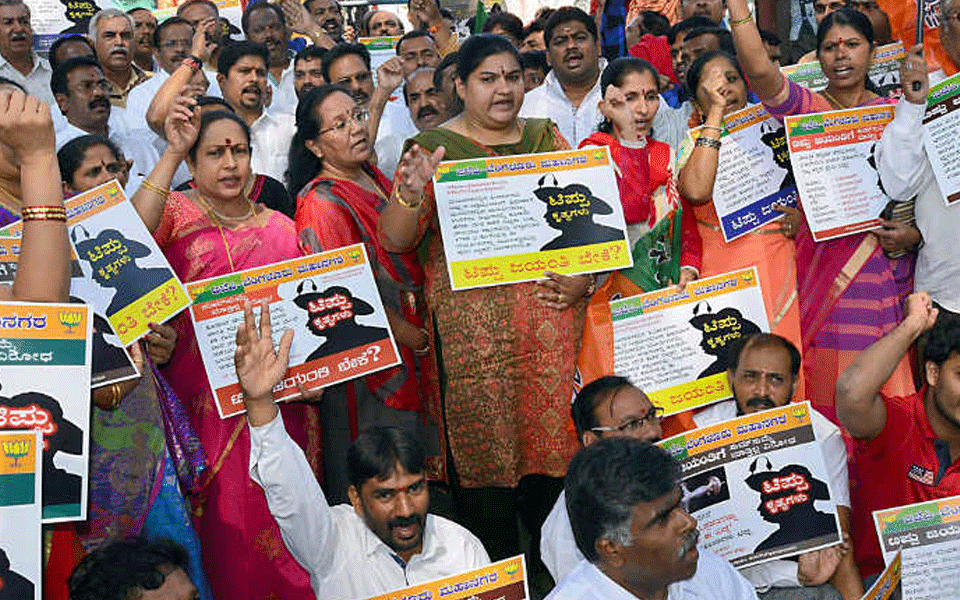
Bengaluru, Dec 10: Claiming that a state minister had asked for a street here to be renamed after 18th century ruler Tipu Sultan, the BJP and other right-wing outfits staged protests outside the offices of the city's municipality Monday.
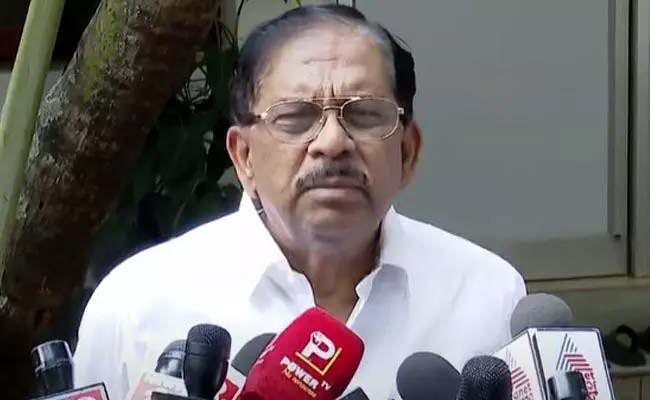
Law and Panchayat Raj Minister Krishna Byre Gowda has written to the Bruhat Bengaluru Mahanagara Palike (BBMP) commissioner to name the Bellahalli Cross after Tipu Sultan, who the BJP considers a "religious bigot", the protesters claimed.
However, Mayor Gangambika Mallikarjun had recently clarified that no such letter was received from Byregowda, and even if such a proposal were to come, it would first be tabled in the corporation council for approval.
Waving saffron flags and holding banners and placards, the activists of the Hindu Jagarana Vedike and others, supported by the BJP, held demonstrations outside the Byatarayanapura and Yelahanka offices of the BBMP in the Karnataka capital.
When contacted, a BBMP spokesperson told PTI that no such proposal had been received by the commissioner's office for renaming the road.
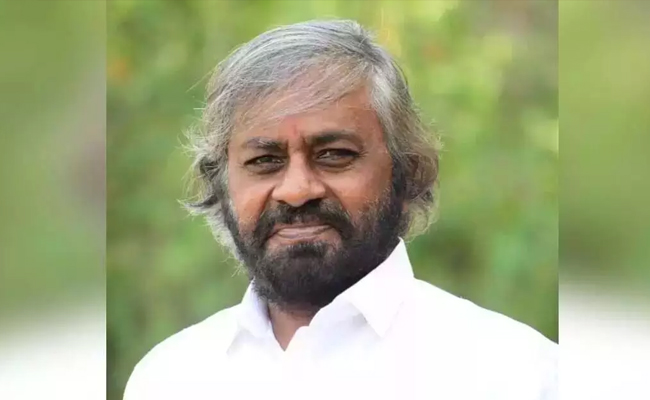
Speaking to reporters, BJP MLC Ashwathnarayana claimed that local residents were opposed to the move and instead wanted the road to be named after Basavalingappa, a former Congress leader.
The celebration of 'Tipu Jayanthi' on November had also drawn protests by the BJP.
The saffron party and the Hindu outfits have been holding protests ever since the previous Congress government, led by Siddaramaiah, began celebrating Tipu Jayanthi on November 10 every year since 2015.
Tipu was a ruler of the erstwhile kingdom of Mysore, who was considered an implacable enemy of the British East India Company. He was killed in May 1799 while defending his fort of Srirangapatna against the British forces.
The ruler, however, is a controversial figure in Kodagu district as the Kodavas (Coorgis), a martial race, believe that thousands of their men and women held captive during his occupation, and were subjected to torture and forcible conversion to Islam.
He is also accused of execution of Mandayam Iyengars in the temple town of Melkote, in Mandya district, on the day of Deepavali festival as they had supported the then maharaja of Mysuru.
Tipu Sultan is seen in a negative light in the coastal Dakshina Kannada district too, where the Christians believe that he unleashed atrocities on their community.
However, the scale of such suppression is disputed by several historians who see Tipu as a secular and modern ruler who took on the might of the British empire.
Let the Truth be known. If you read VB and like VB, please be a VB Supporter and Help us deliver the Truth to one and all.
Manipur: Mortal remains of children killed in bomb attack handed over to family
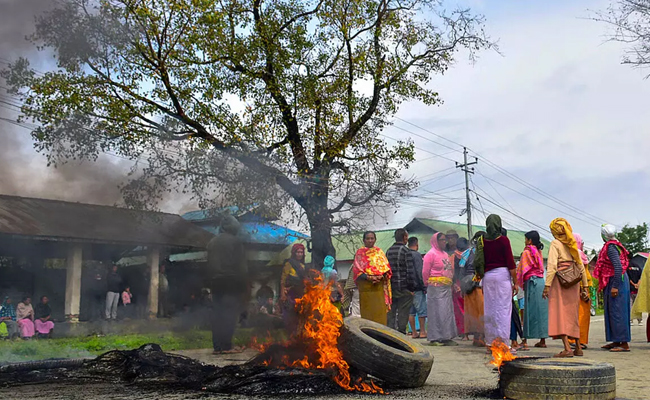
Imphal (PTI): The mortal remains of two children, who were killed in a bomb attack in Manipur's Bishnupur district in April, were handed over to family members on Saturday, officials said.
The bodies of the five-year-old boy and his six-month-old sister were kept in the morgue for 25 days, as the family members had refused to accept the mortal remains, demanding that the perpetrators be brought to book at the earliest.
On April 25, Chief Minister Y Khemchand Singh had appealed to the family members of the children to accept the bodies. Singh had also said that all efforts were underway to find the culprits.
The two children were killed in a bomb attack at Tronglaobi in Bishnupur district on April 7. Their bodies were kept in the morgue at the Regional Institute of Medical Sciences in Imphal.
The incident had triggered widespread violent protests in the five valley districts of Manipur, and the case was subsequently handed over to the NIA.
Hundreds of people lined up along the way to Tronglaobi to offer floral tributes, as the mortal remains were taken for the last rites in an open vehicle earlier in the day.