Boy dead, 12 injured in cylinder blast at Adugodi in Bengaluru
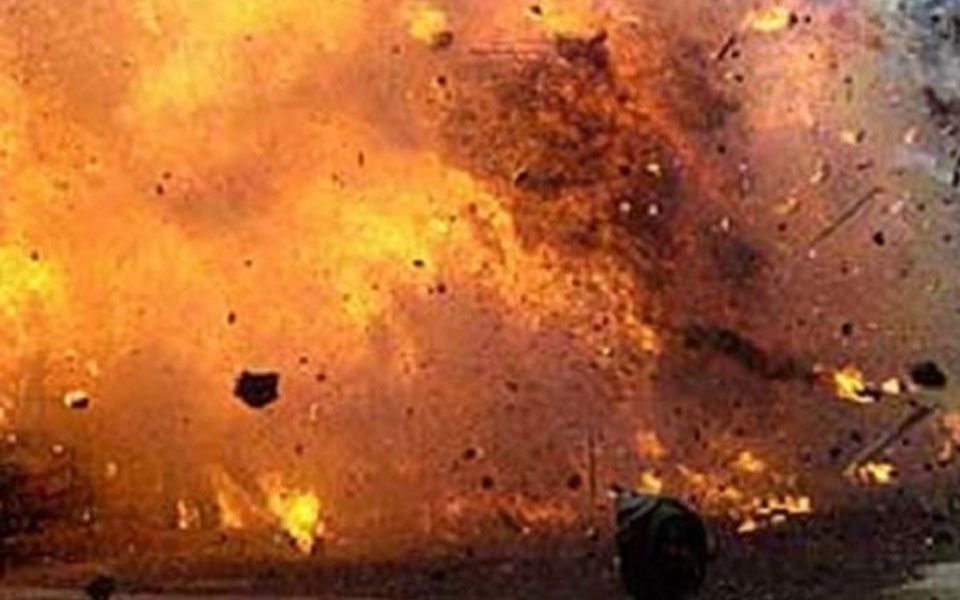
Bengaluru (PTI): A 10-year-old boy died and 12 persons were injured in a cylinder blast here on Friday, police said.
The incident happened at Chinnayanpalya of Wilson Garden, Central Bengaluru, a tightly packed predominantly residential neighbourhood where houses abut each other.
Adu Godi Police said the injured have been shifted to a nearby hospital. "Rescue work is still going on," an official said.
According to Fire Department sources, the cylinder blast resulted in the collapse of 8-10 houses. A cylinder leak is suspected to have caused the explosion. Karnataka Chief Minister Siddaramaiah visited the spot.
Speaking to reporters, City Police Commissioner, Seemanth Kumar Singh said the house in which the blast occurred, was being rented by a three-member family.
"The man works as a labourer and had left for work early in the morning as usual. The mother and the child at home were injured. But the boy who died was in a neighbouring house," said Kumar.
He said the police control room received the call around 8.30am.
"We immediately informed the Bomb Disposal Squad, Anti-Terrorism Squad, State Disaster Response Force, Fire Brigade as well as the local police," Singh added.
According to him, three to four houses were fully damaged and about six to seven were partially damaged. Glass windows and doors of some houses in the area also suffered damage, he added.
"We are clearing the houses that are damaged, investigation is on. It's too early to say what exactly caused the blast," said Kumar.
Let the Truth be known. If you read VB and like VB, please be a VB Supporter and Help us deliver the Truth to one and all.
West Asia: India supplied 22,000 MT of high-speed diesel to Bangladesh in March, says MEA
New Delhi (PTI): Amid the ongoing West Asia conflict, India has supplied 22,000 metric tonnes of high-speed diesel to Bangladesh in March and has received a request from Seychelles and the Maldives to meet their energy requirements, the MEA said on Friday.
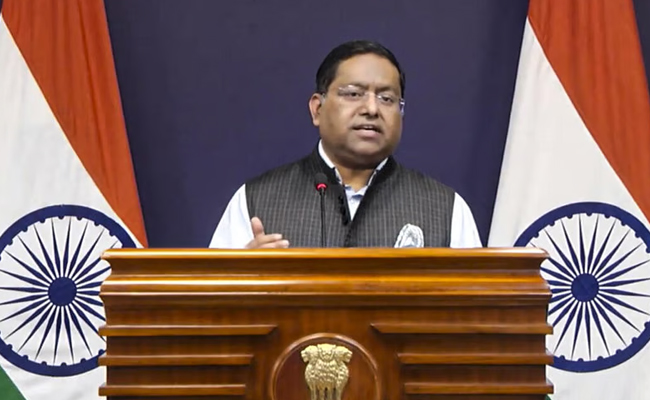
At his weekly briefing, Ministry of External Affairs (MEA) spokesperson Randhir Jaiswal in his response to a query related to requests received from India's neighbouring countries for fuel amid the West Asia situation, also said that India is "finalising a government-to-government agreement" for the supply of oil and gas, which will play an important role in reinforcing energy security of Mauritius.
The conflict in West Asia has now stretched to nearly 50 days, with global ramifications.
"So, we have received requests from our neighbouring countries for supply of fuel, and these are being looked into, keeping in mind our own requirements, availability and refining capacity," Jaiswal told reporters.
He further said India has "supplied 22,000 metric tonnes of high-speed diesel to Bangladesh in March 2026, and further supplies have continued this month as well".
"You would recall that last month we had supplied 38 metric tonnes of petroleum products to Sri Lanka as well," he added.
External Affairs Minister S Jaishankar visited Mauritius last week, the MEA spokesperson said, adding, "We are finalising a government-to-government agreement for supply of oil and gas, which will play an important role in reinforcing the energy security of Mauritius".
As far as Nepal is concerned, there is an existing arrangement between Indian Oil Corporation and Nepal Oil Corporation to supply petroleum products to Nepal as per its requirements. The supplies are continuing without any interruption, he said.
Energy supplies to Bhutan also continue according to the existing arrangement.
"As I had mentioned earlier, we have received a request from Seychelles and the Maldives to meet their energy requirements. We continue to be in touch with them in this regard, and are considering the request keeping in mind our own domestic requirements and availability of fuel.
"I would also like to add that our neighbouring country governments have expressed appreciation for the uninterrupted supply, fuel supply to them during the West Asian conflict," Jaiswal said.
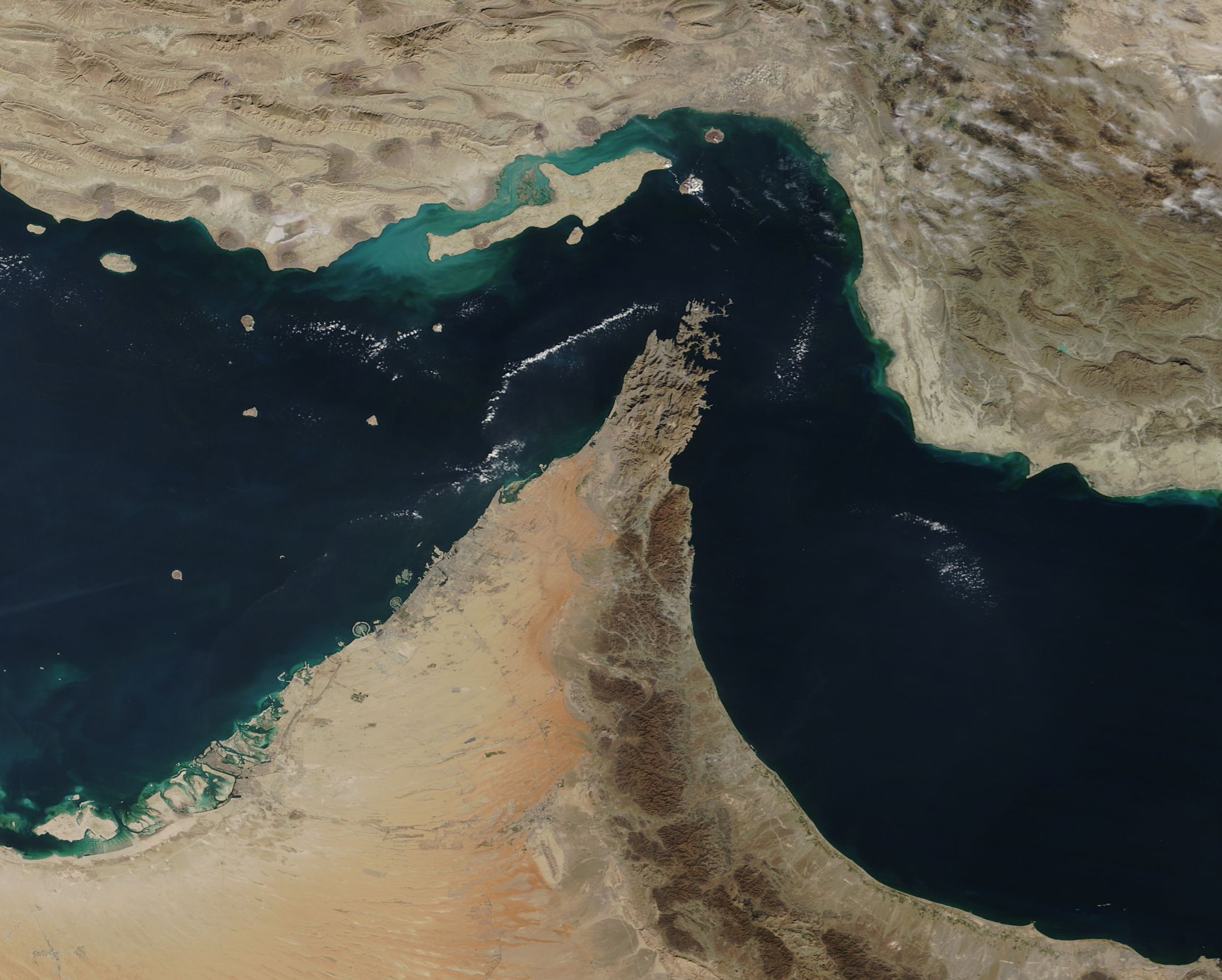
Global oil and gas prices surged after Iran restricted the transit of ships through the Strait of Hormuz, a narrow lane between the Persian Gulf and the Gulf of Oman that handles roughly 20 per cent of global oil and LNG trade.
_vb_59.jpeg)